Reviews of Homestead Assisted Living & Memory Care of Overland Park present a mixed, polarized picture: many families praise the front‑line caregiving and social environment, while others describe operational weaknesses that have affected care continuity and resident experience. The facility is frequently commended for its direct-care staff and certain leaders, but reviewers also raise systemic issues that prospective families should consider.
Care and staff: Several families emphasize compassionate, attentive CNAs and CMAs, an approachable RN director, and a Resident Care Coordinator who focuses on well‑being. Regular check-ins and a hands-on bedside manner are commonly described as strengths, and many reviewers say residents feel comfortable and socially engaged. Counterbalancing those positives are recurring concerns about inconsistent staffing levels and turnover, which reviewers link to lapses in continuity of care. Noted clinical issues include medication‑management and clinical‑order adherence gaps. There are also references to safety and fall‑prevention practice gaps and to perceptions that care quality declined after COVID‑related disruptions.
Dining and activities: The dietary team and a newer cook receive repeated praise for flexible, resident‑focused meals and for creating a pleasant dining experience. The community offers a range of activities — daily exercise, church services, bingo and other social events — that reviewers describe as engaging and personalized. At the same time, some families report inconsistent meal quality, limited menu choices at times, and insufficient diabetic‑friendly options.
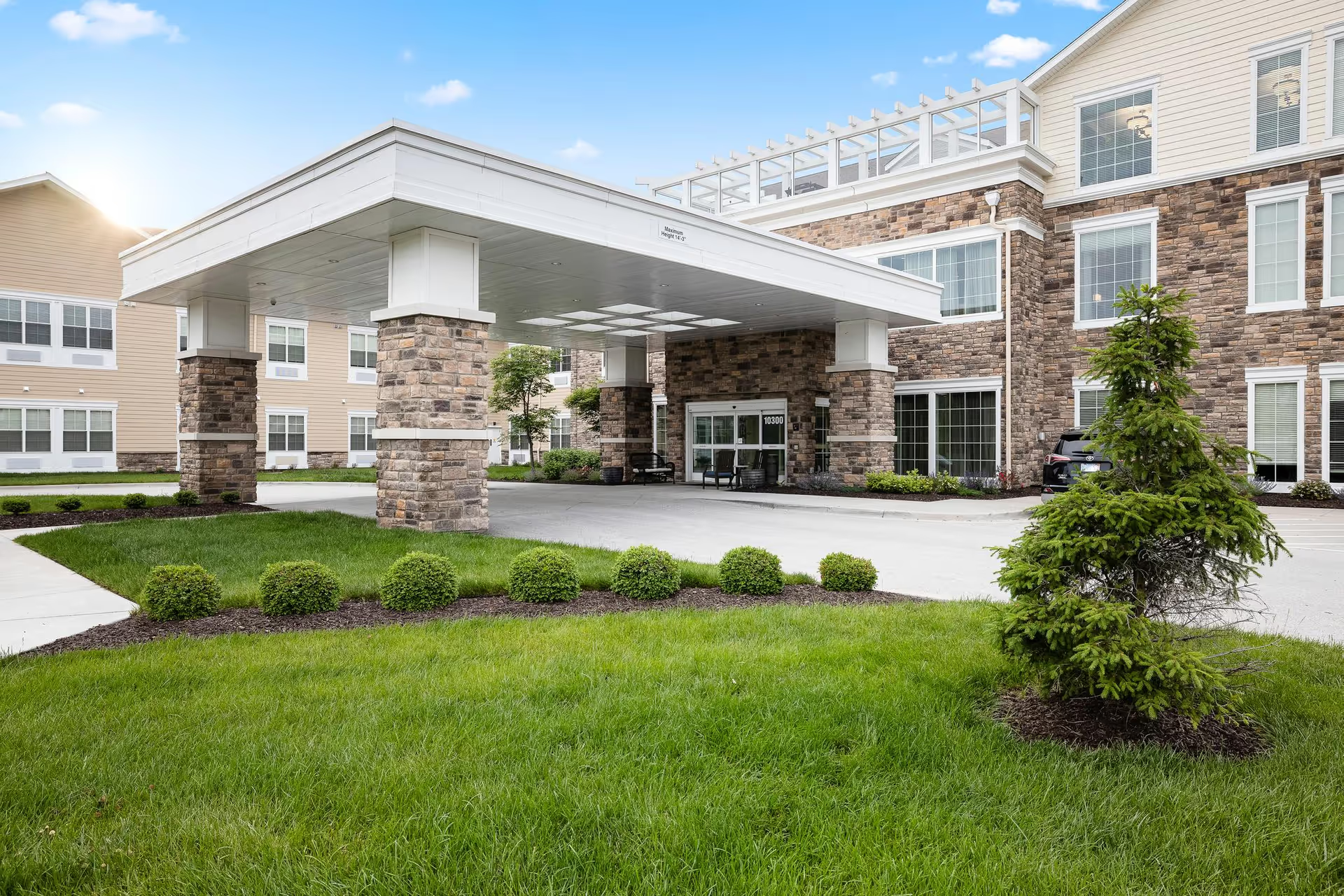
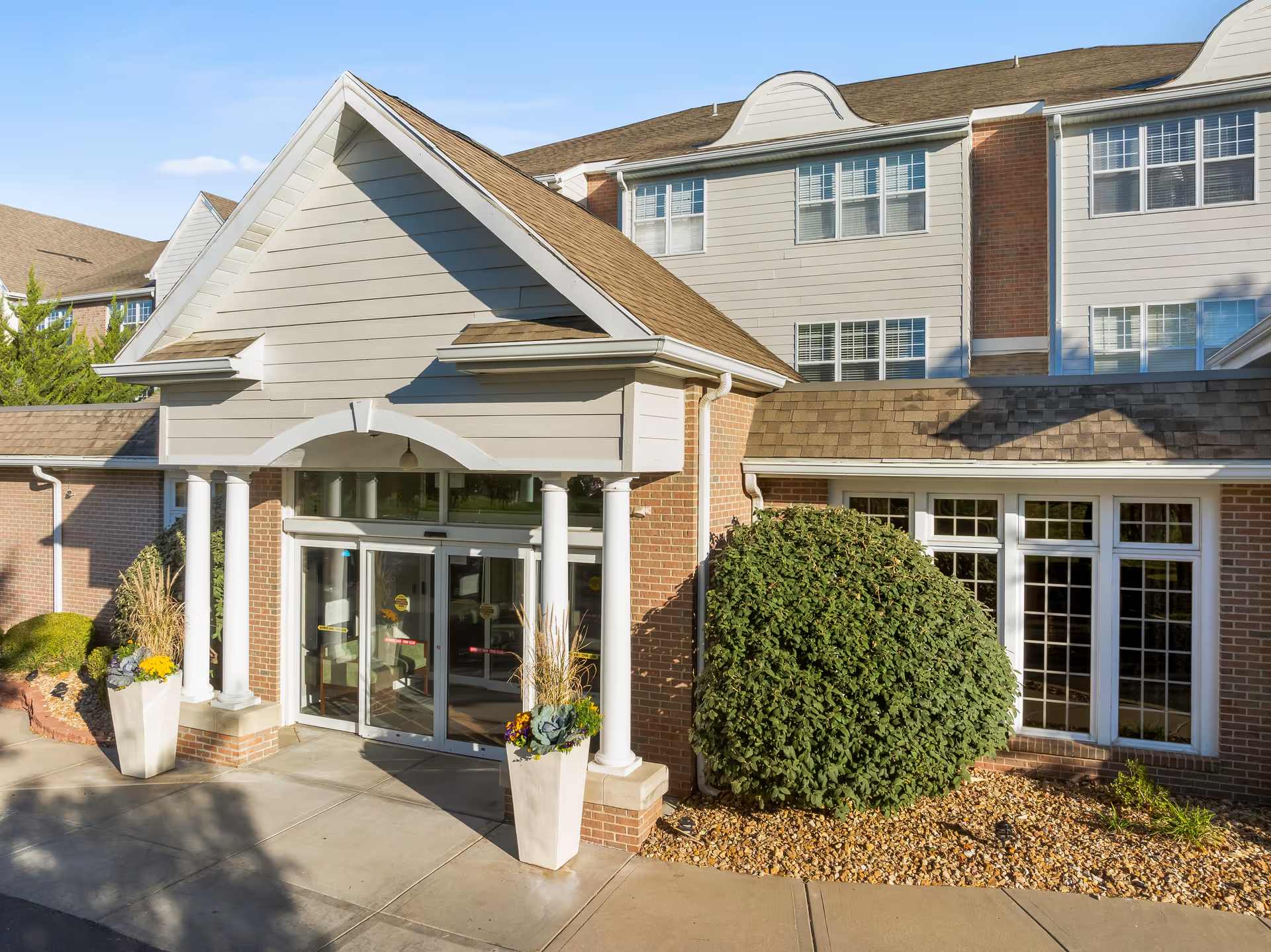
Facilities and services: The facility’s small, intimate scale and home‑like atmosphere are appealing to many residents and families. However, multiple reviewers note aging décor, accessibility limitations (small bathrooms and shower access concerns, limited wheelchair‑friendly bathroom layouts), and the absence of on‑site rehabilitation services. Operational issues such as missing laundry items and intermittent maintenance or housekeeping shortcomings are cited as practical concerns that affect day‑to‑day life. A few reviewers express reservations about price relative to perceived value.
Management and communication: Perceptions of leadership are mixed. Several reviewers single out specific managers and administrative staff (including business‑office personnel) for being helpful and communicative, and the RN director is often described as accessible. Conversely, other families describe variable management responsiveness, inadequate outreach after adverse events, and an overall sense of inconsistent oversight that contributes to families’ dissatisfaction.
Notable patterns and guidance: The overall pattern is one of strong front‑line caregiving and an active, small‑community environment, paired with operational vulnerabilities related to staffing stability, clinical adherence, laundry processes, and facility accessibility. Prospective residents and families who prioritize a warm, small community with engaged activities and personable caregivers may find this facility a good match; those who require robust clinical reliability, on‑site rehabilitation, or guaranteed accessibility should probe operational practices closely. When touring, consider asking about current staffing levels and turnover, medication‑administration protocols, laundry procedures and tracking, diabetic and special‑diet accommodations, fall‑prevention measures, and plans for facility maintenance or accessibility upgrades.