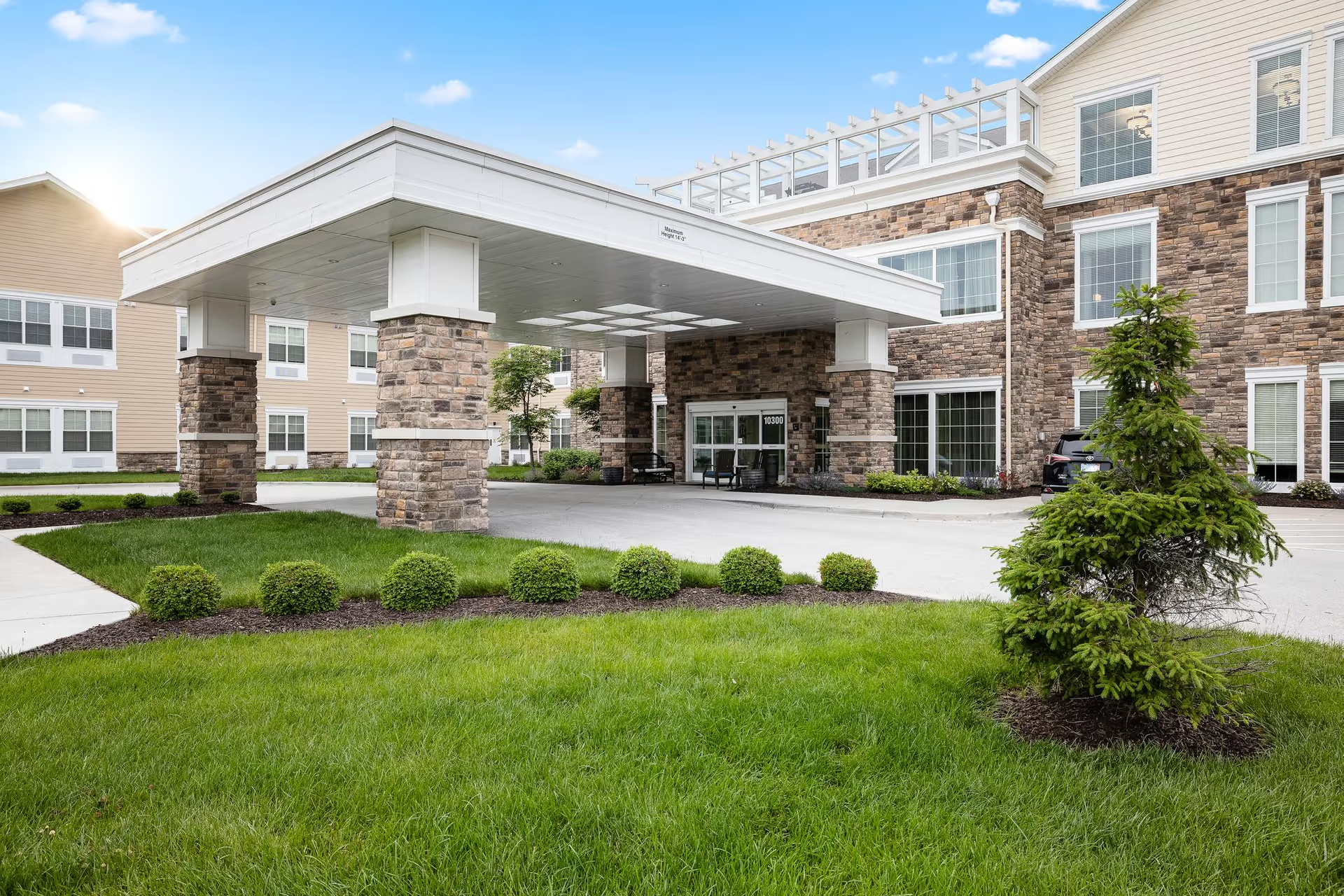
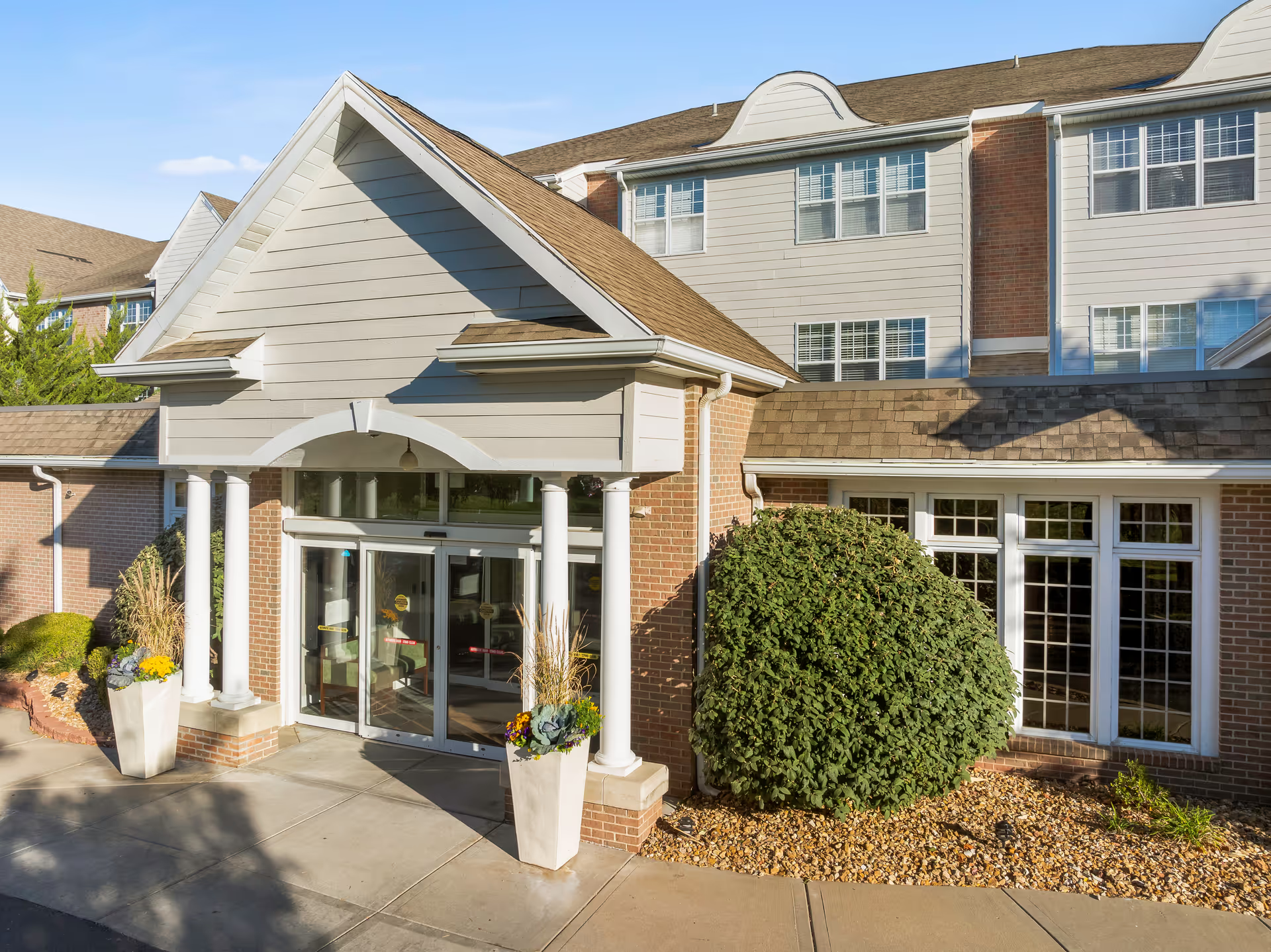
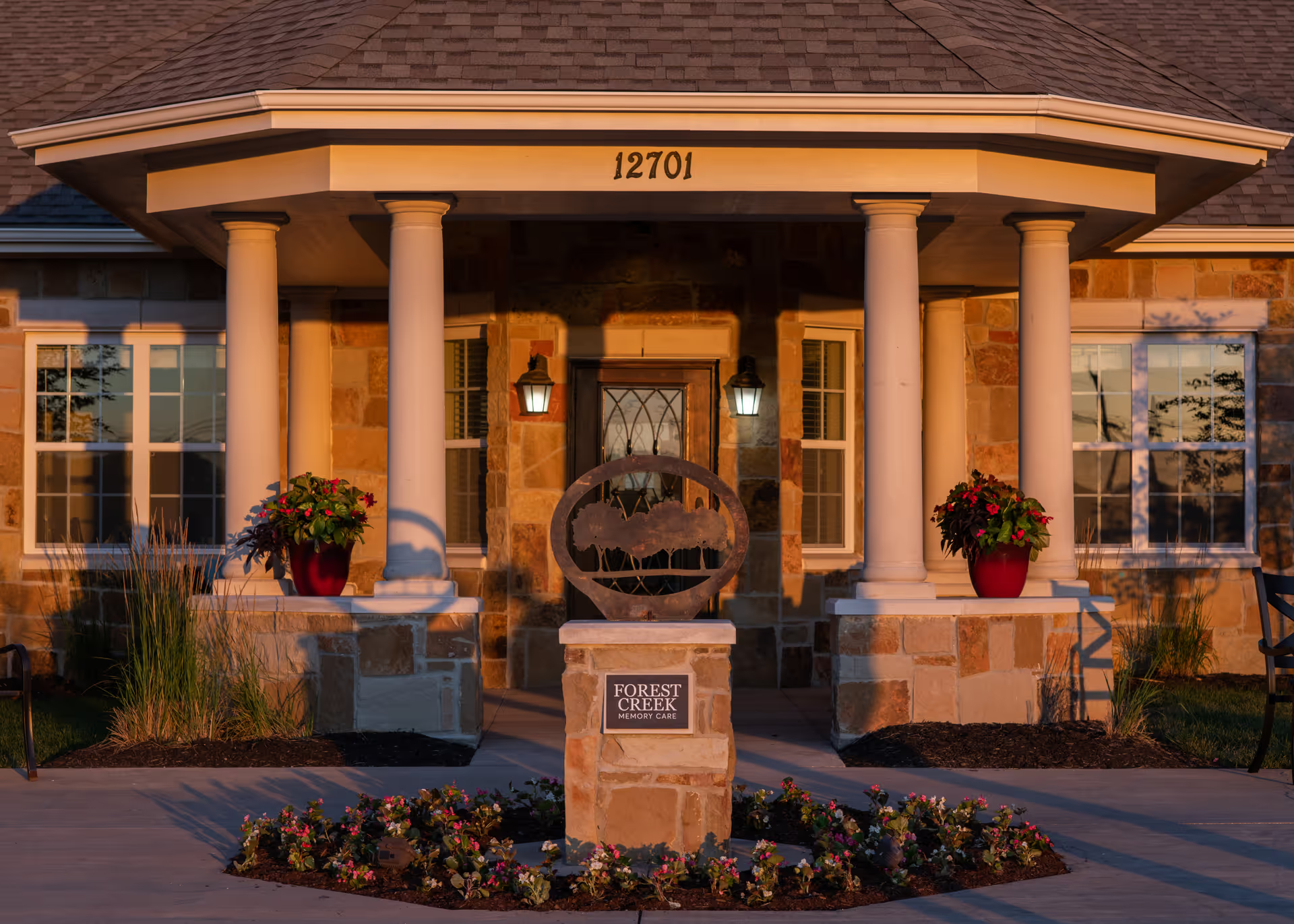
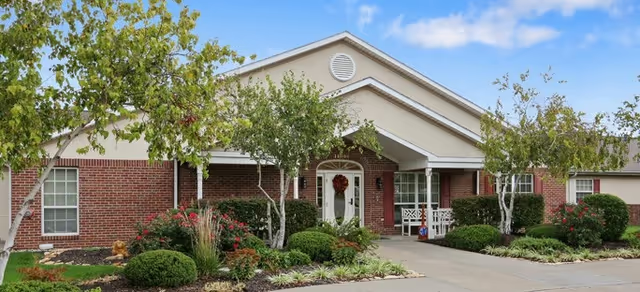
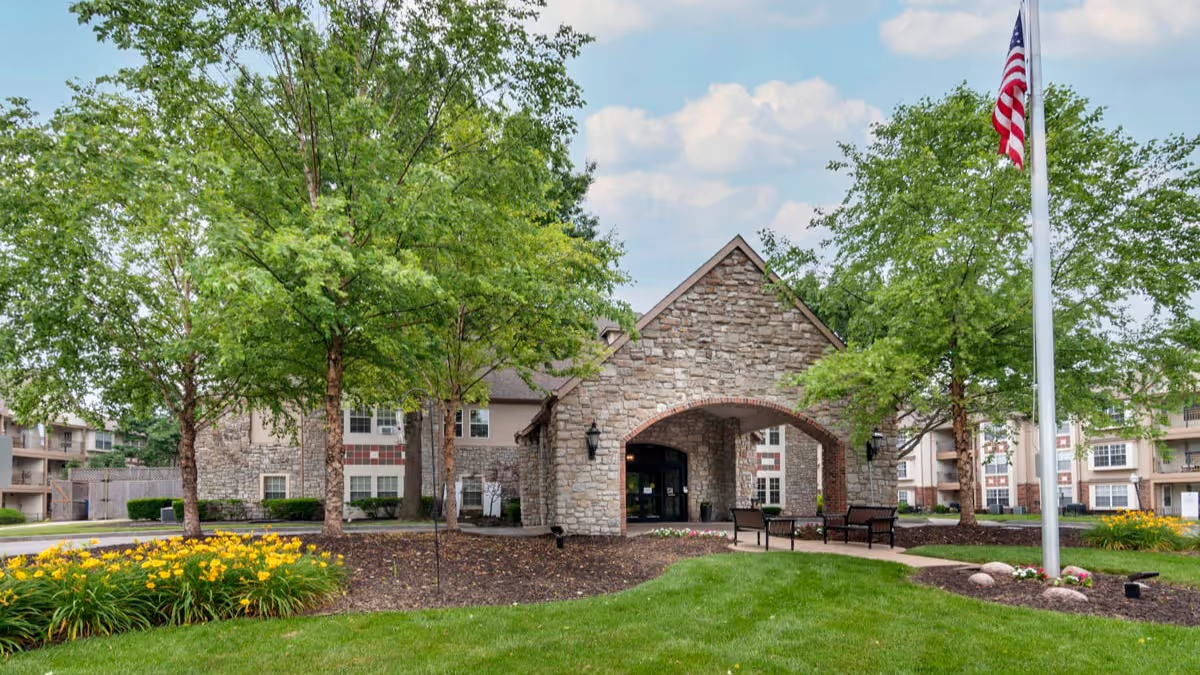
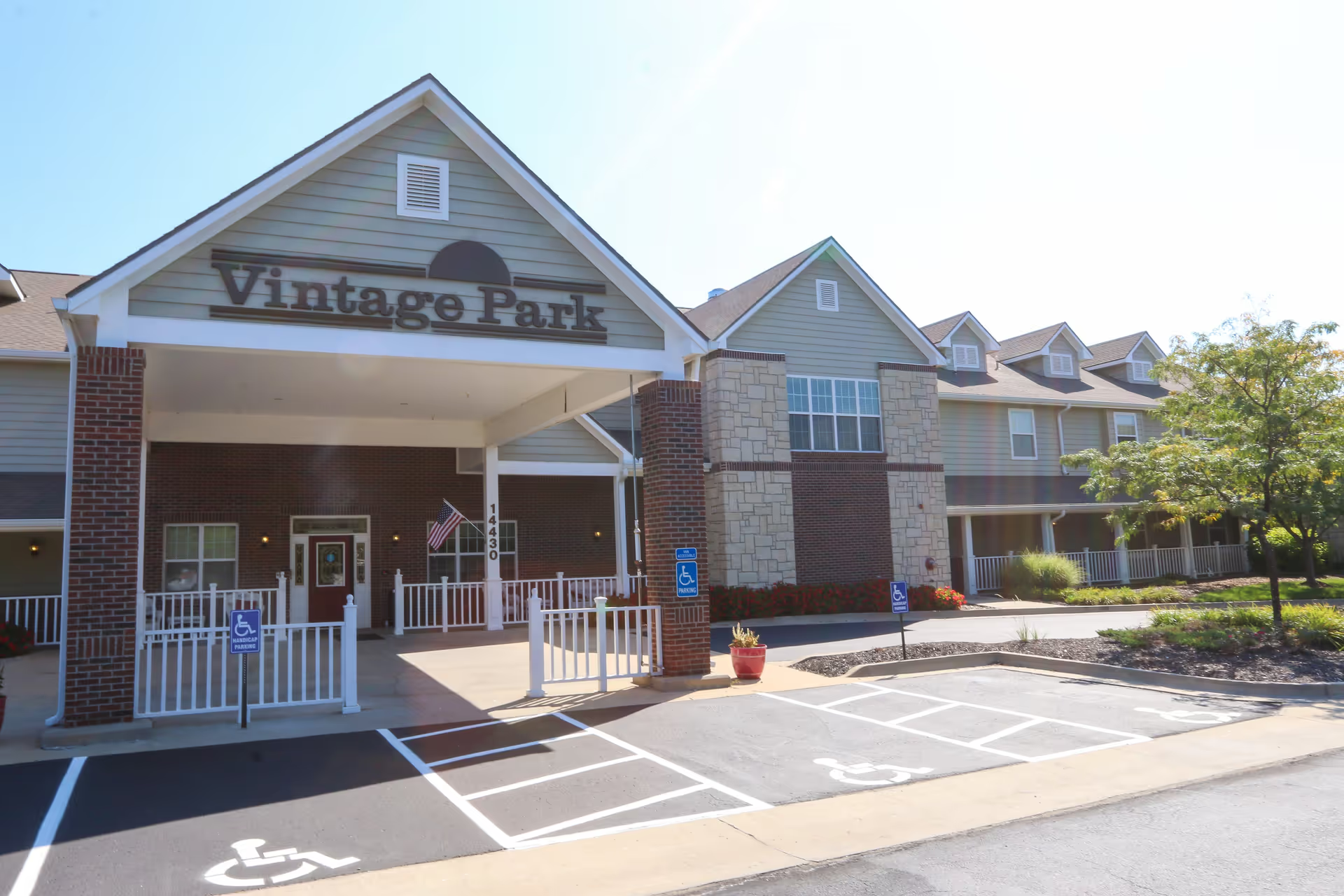
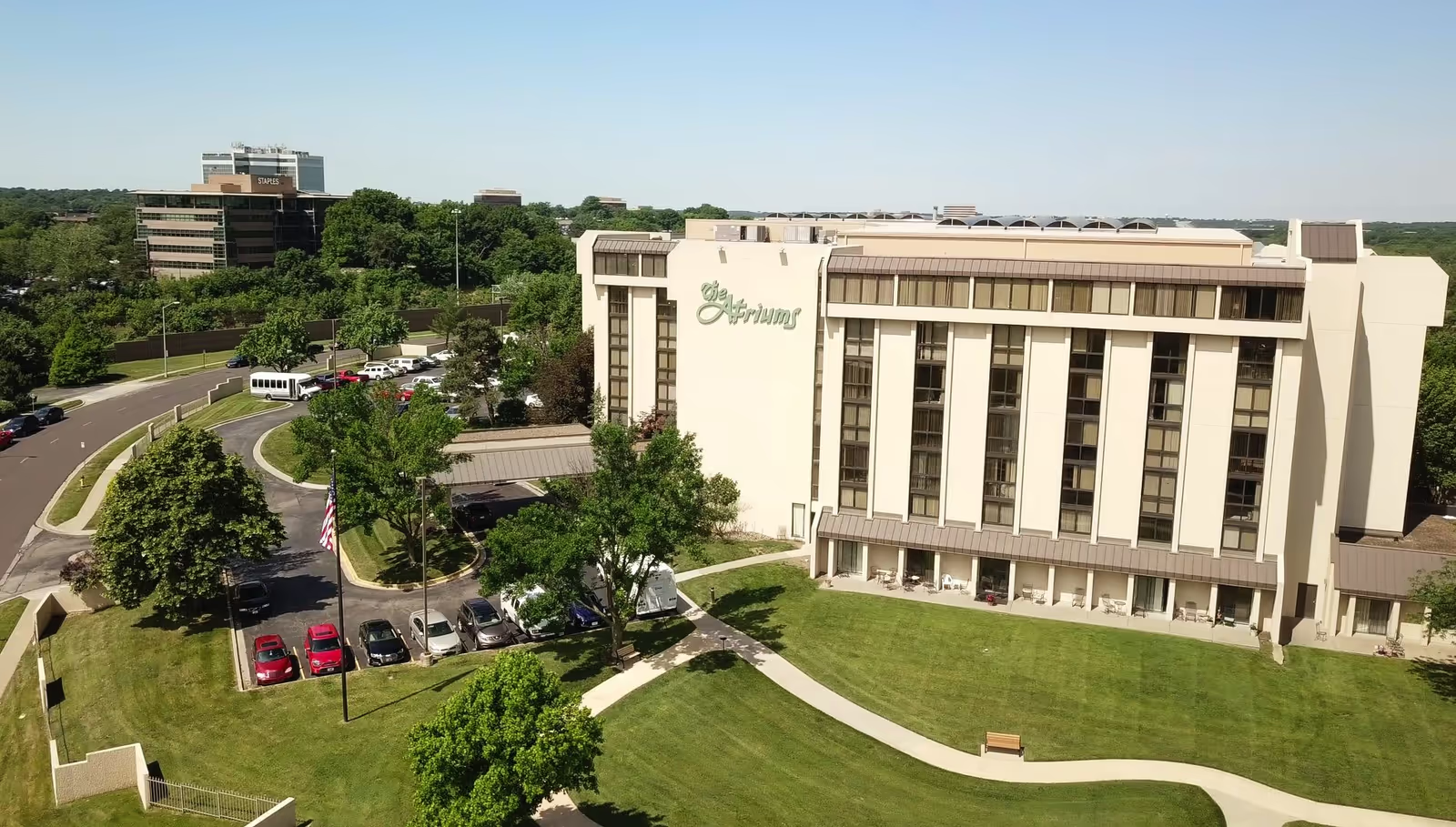
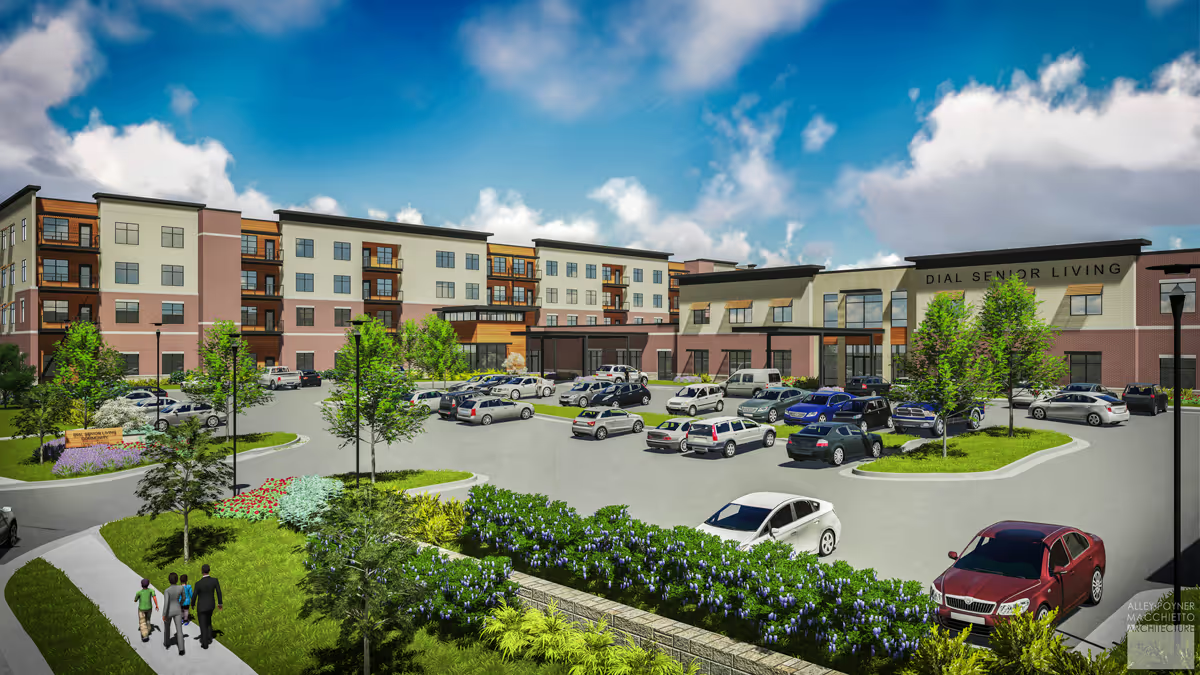
The Heritage of Overland Park presents as a small, homelike residential community with a clear orientation toward memory-care residents. Physical spaces are repeatedly described as well-kept and noninstitutional: three self-contained buildings, bright hallways, multiple small sitting rooms, a large courtyard, and designated memory aids such as memory boxes and a tactile quiet room. Private rooms and bathrooms are generally characterized as roomy and well-appointed, common areas are clean and calm, and the overall environment is designed to encourage socialization rather than isolation.
Care and staffing are widely highlighted as central strengths. Families describe compassionate, attentive caregivers and leadership that is owner-present and engaged. The staff roster includes long-tenured employees and leadership that fosters a family-like atmosphere; reviewers emphasize respectful staff–resident interactions, prompt attention to needs, and comfort with end-of-life/hospice arrangements. The facility’s dementia-care philosophy and hands-on experience with memory impairment are frequently emphasized as a good fit for residents who need that specialization.
Operationally, several patterns merit attention. Communications between families and the facility are sometimes inconsistent, with specific mentions of delayed or missing email responses and variable follow-up. Staffing reliability is an operational theme: weekend coverage and night-RN availability are described as weaker points, and reviewer comments indicate periodic staff turnover and occasional scheduling gaps that can affect continuity of care. Clinical oversight is described as limited in some respects (for example, weekly nurse-practitioner visits rather than daily on-site clinical staff), so prospective families should clarify medical-coverage expectations before committing.
Dining and activities are generally positive but show mixed elements. An on-site chef and organized meal service receive praise, and the community runs a variety of activities—exercise classes, arts and crafts, museum or bus outings, baking, and themed events—that contribute to social engagement. At the same time, comments about menu composition (higher-carbohydrate offerings) and variable resident interest in particular programs suggest nutritional and activity tailoring may be uneven. Activity staffing is changing in some instances as new personnel introduce different programming approaches.
Management and practical considerations are straightforward: the facility is positioned as privately run with a flat-fee model and utilities included, but it does not accept Medicaid and is described as relatively expensive. Availability can be limited; families noted deposit requirements and 30–60 day waits for certain units. Room-choice flexibility is also somewhat constrained by uniform room-sizing in parts of the campus. Overall, The Heritage of Overland Park appears to be a well-maintained, family-oriented memory-care community with strong interpersonal caregiving strengths; prospective residents and families should weigh those advantages against operational considerations such as staffing continuity, clinical coverage, cost, and move-in timing when evaluating fit.