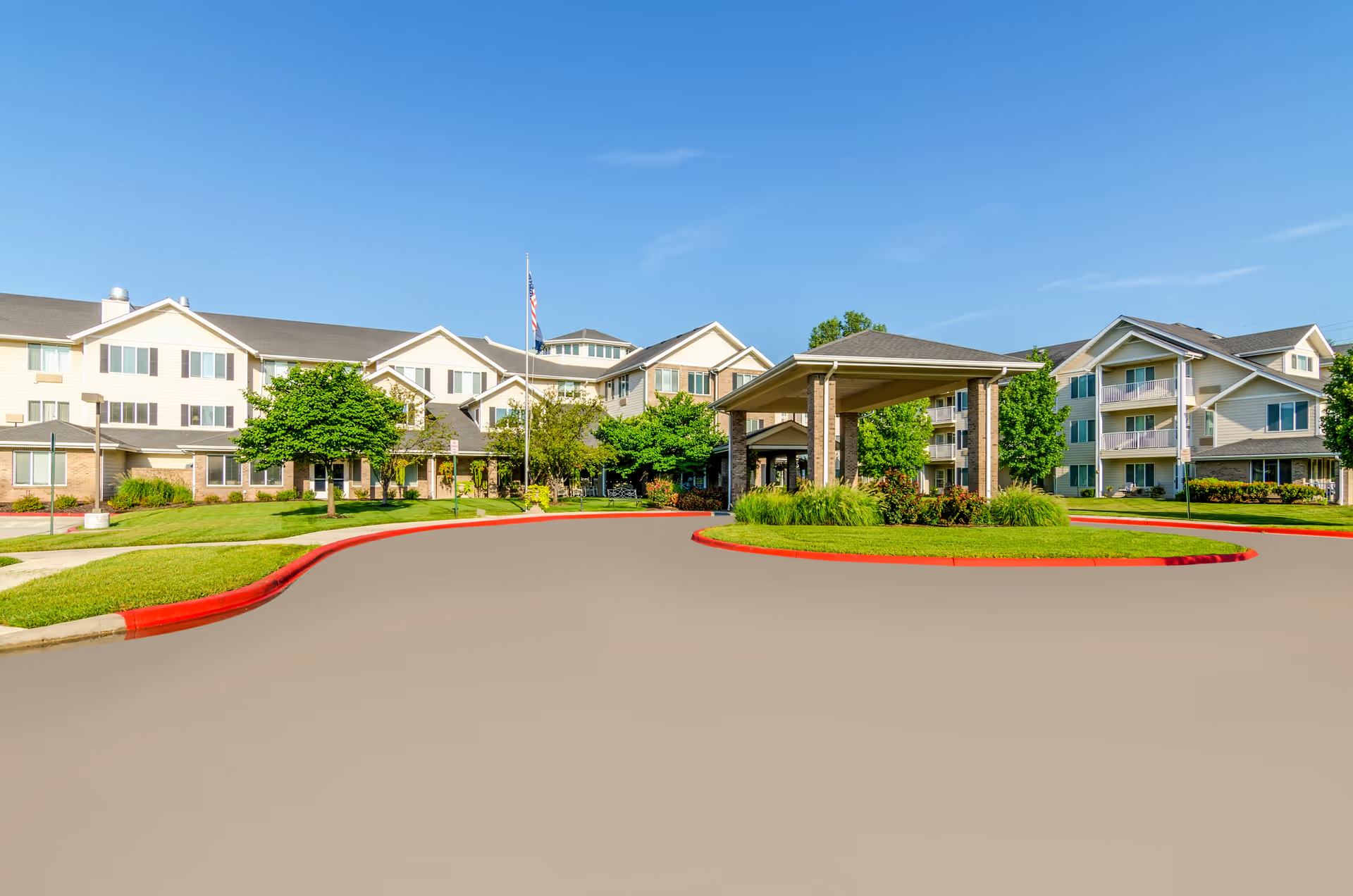
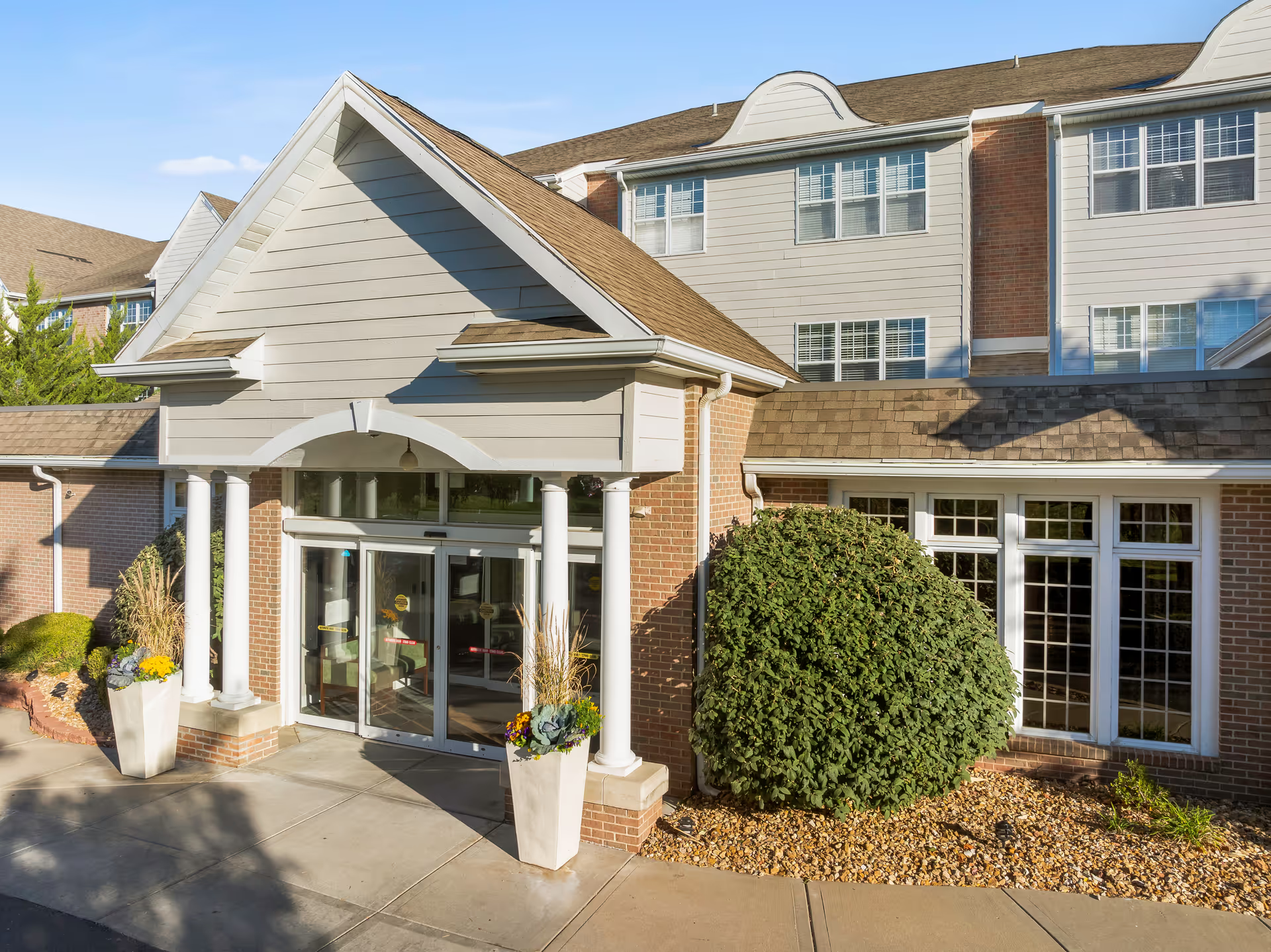
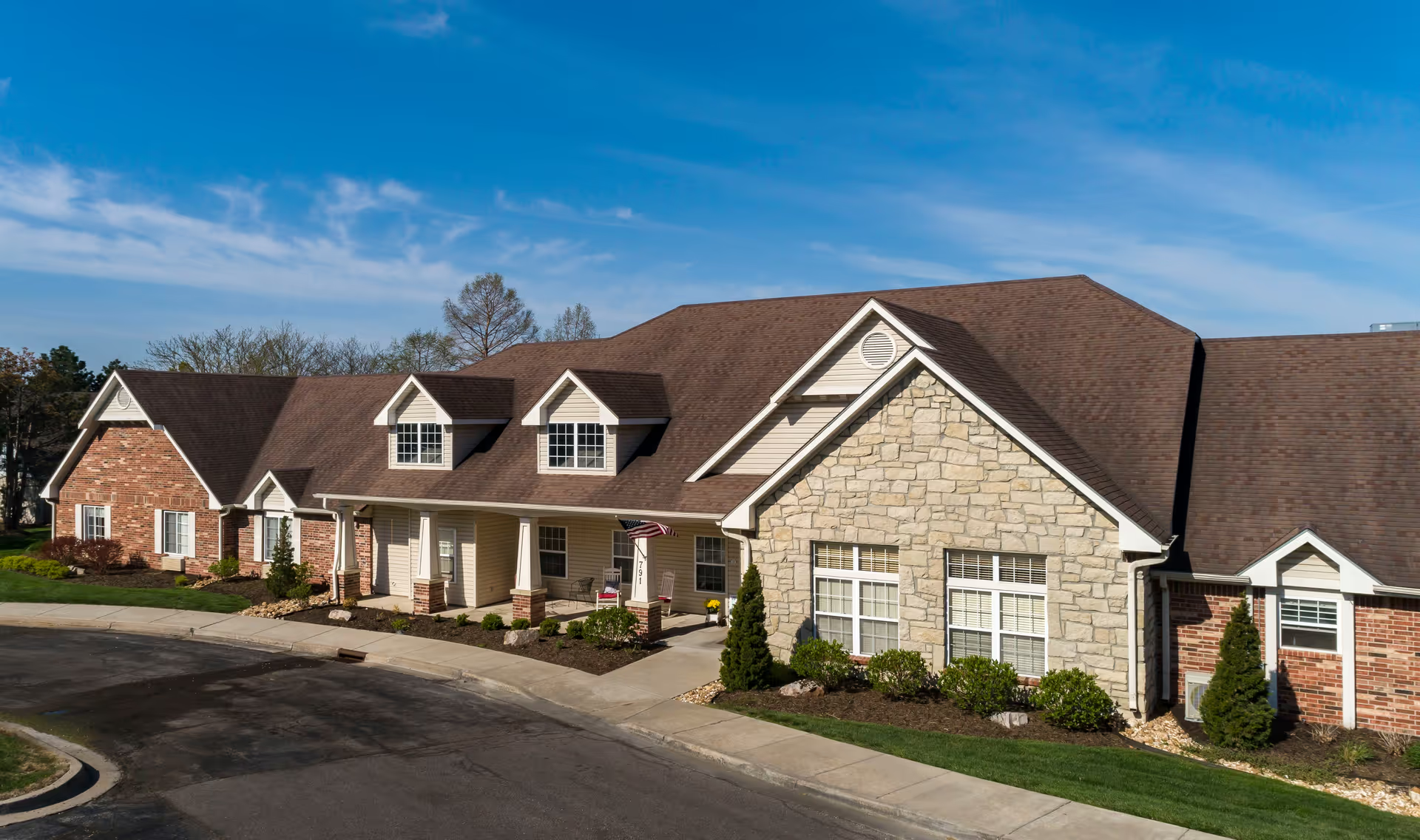
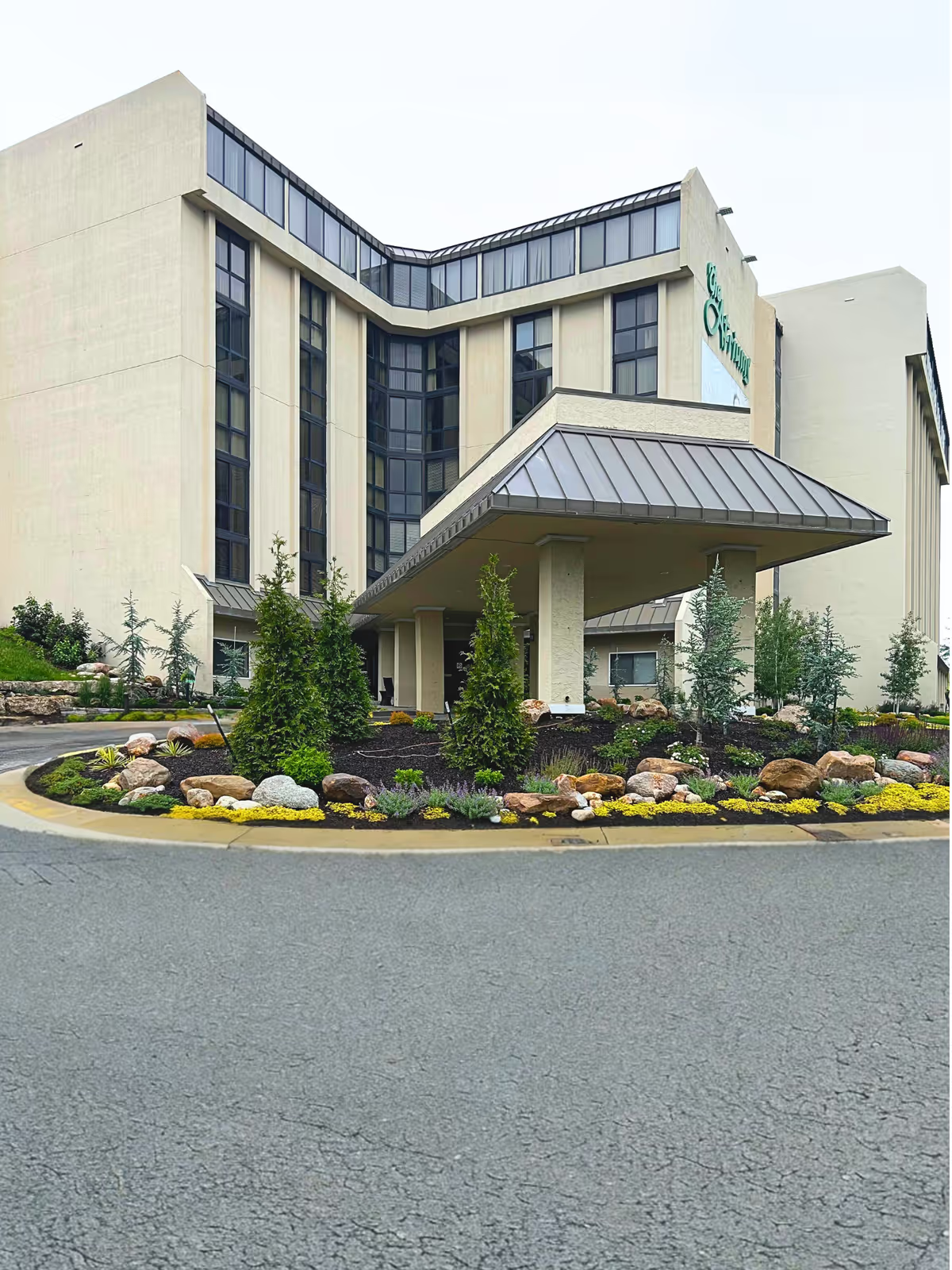
Stratford Commons elicits a strongly mixed set of impressions. Strengths are concentrated in rehabilitation, hospitality, and activity programming: numerous accounts describe effective PT/OT services, individualized therapy plans with daily reporting, and therapists who achieve measurable recovery. The facility’s common areas, dining room, and newer building elements are frequently described as clean and contemporary, and an active activities program — often singled out by name — provides regular engagement opportunities. Admissions, social work, and some administrative staff receive consistent praise for responsiveness and discharge support.
Clinical and personal-care performance is uneven. Many families praise compassionate CNAs and some nursing staff, but recurrent operational weaknesses emerge around staffing consistency, timeliness of responses to call lights, and medication administration. Reviewers cite delays in scheduled medications, late-night or early‑morning dosing, and gaps in tracking that have contributed to safety concerns and unplanned hospital transfers. Personal-care routines such as bathing frequency and linen changes are described as inconsistent, and there are repeated references to laundry and sanitation process issues that affect resident comfort.
Dining and nutrition receive mixed feedback. Some reviews describe appetizing, well-prepared meals and a pleasant dining experience; others describe cold or repetitive meals, substitution errors, and inconsistent dietary handling for residents with special needs. Meal delivery continuity and food‑service staffing have been identified as pressure points that sometimes affect resident satisfaction and nutrition management.
Staff and leadership present a bifurcated picture. Many frontline staff — particularly therapy teams, certain nurses, CNAs, and specific administrators — are highlighted for compassionate, family‑oriented care and effective coordination. At the same time, reviewers report variable conduct by other nursing and supervisory staff, high turnover, and communication breakdowns between shifts. Weekend and after‑hours coverage is a recurring concern, and several families described weaker performance when core daytime leaders were not on site. There are also comments about vendor- and billing-related management issues that suggest occasional administrative process weaknesses.
Notable patterns include a clear distinction between the facility’s rehabilitation strengths and its struggles with consistent long‑term nursing and personal-care operations. Infection‑control events and lockdowns were mentioned, and a limited number of serious allegations, including concerns following a resident’s death, prompted references to regulatory reporting and family complaints. These are distinct from the broader pattern of operational issues but underscore the importance of reviewing clinical-incident history.
For prospective residents and families: Stratford Commons may be a strong option if rehabilitation-focused care and an engaging activities program are primary goals. When evaluating placement, inquire specifically about current staffing ratios by shift (including weekends and nights), medication‑administration protocols and audit practices, typical bathing/linen schedules, dietary handling for special diets, and recent infection-control outcomes or complaint history. On-site conversations with the therapy team, the DON, and the activities director can clarify whether the facility’s strengths match your clinical and quality-of-life priorities and whether operational weaknesses have been addressed.