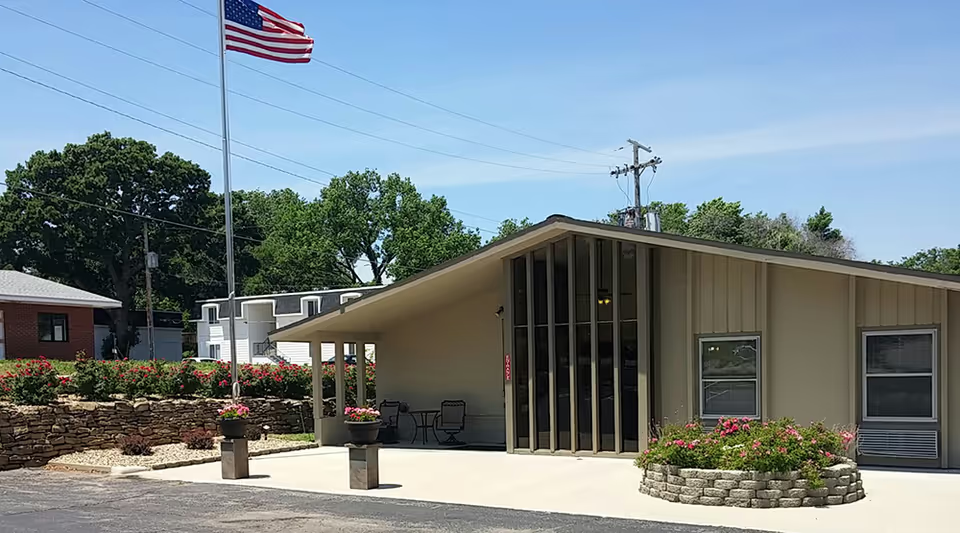
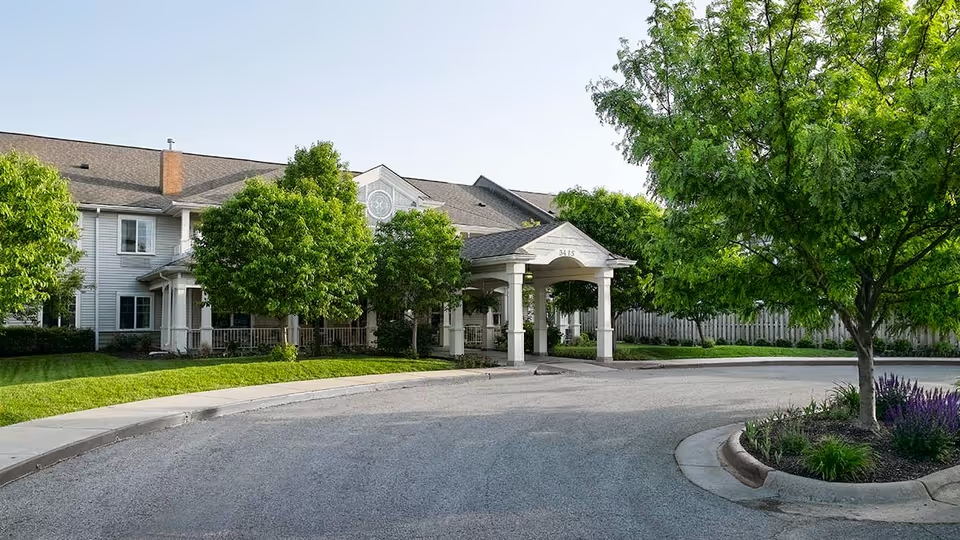
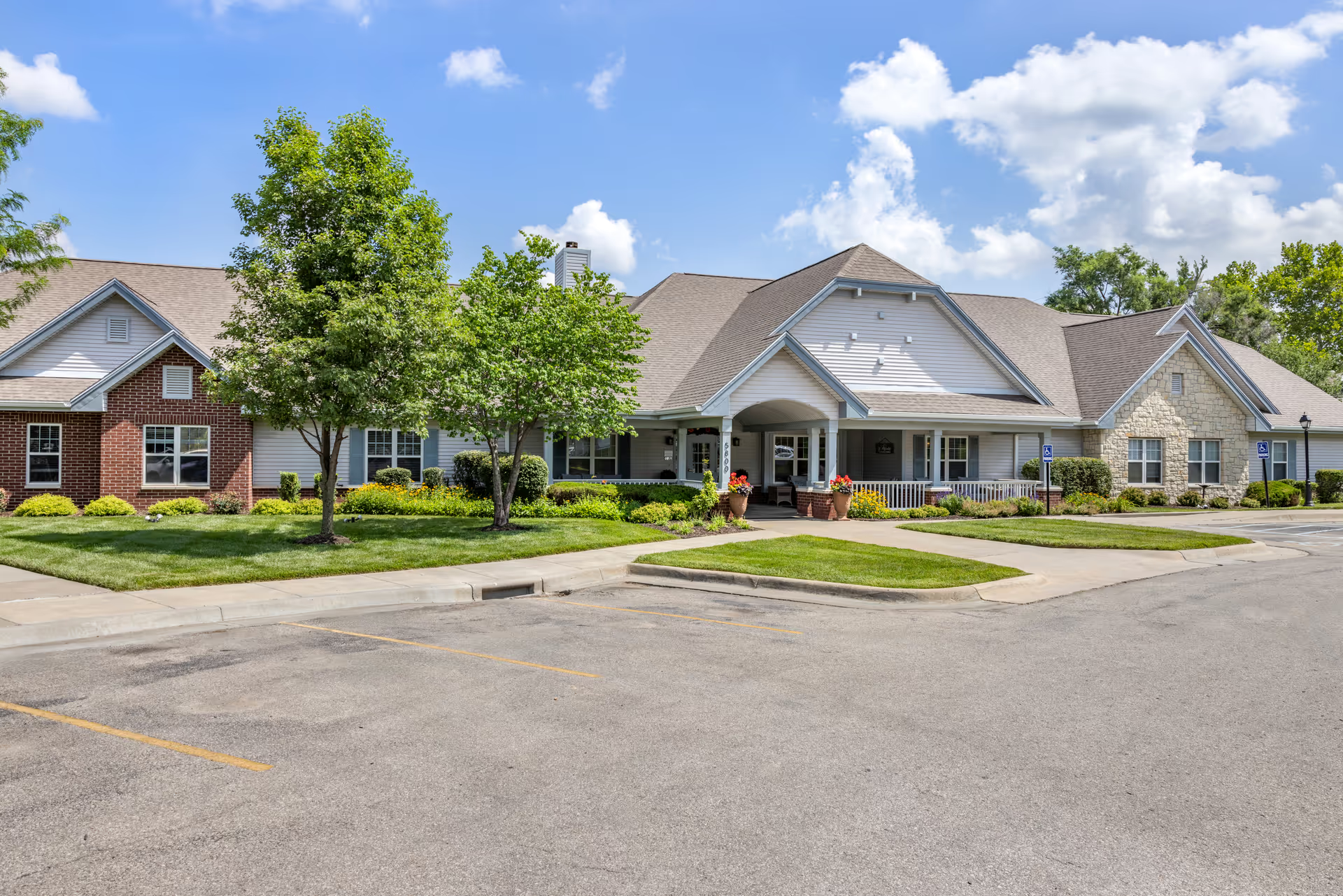
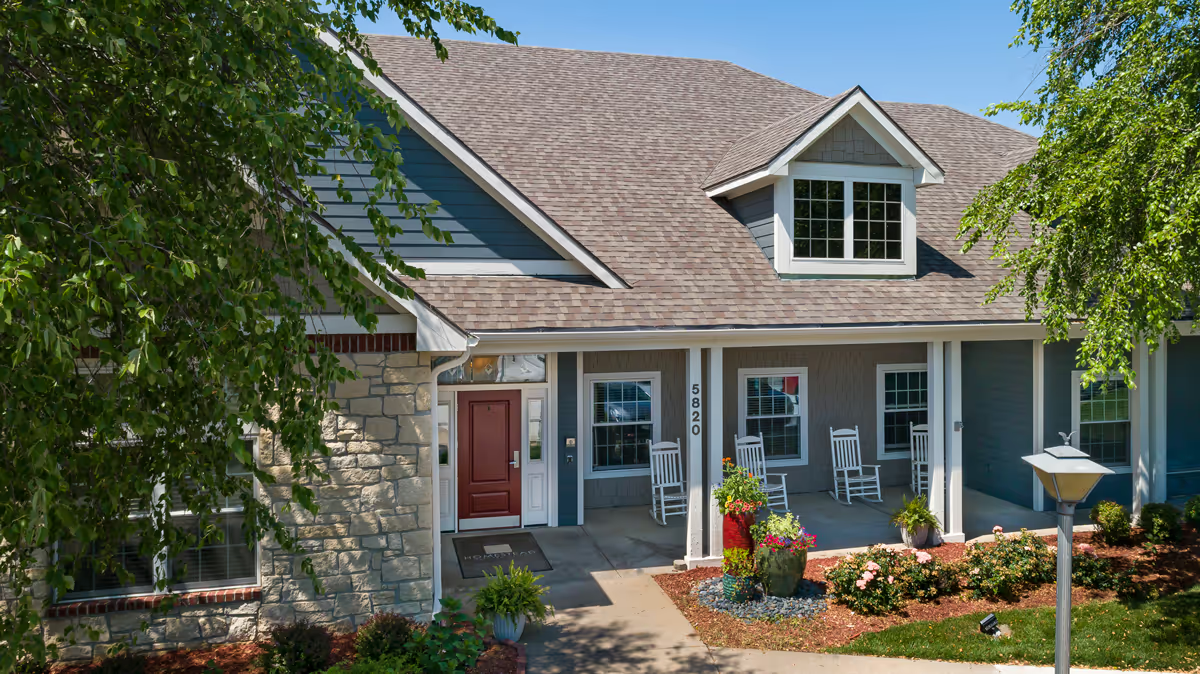
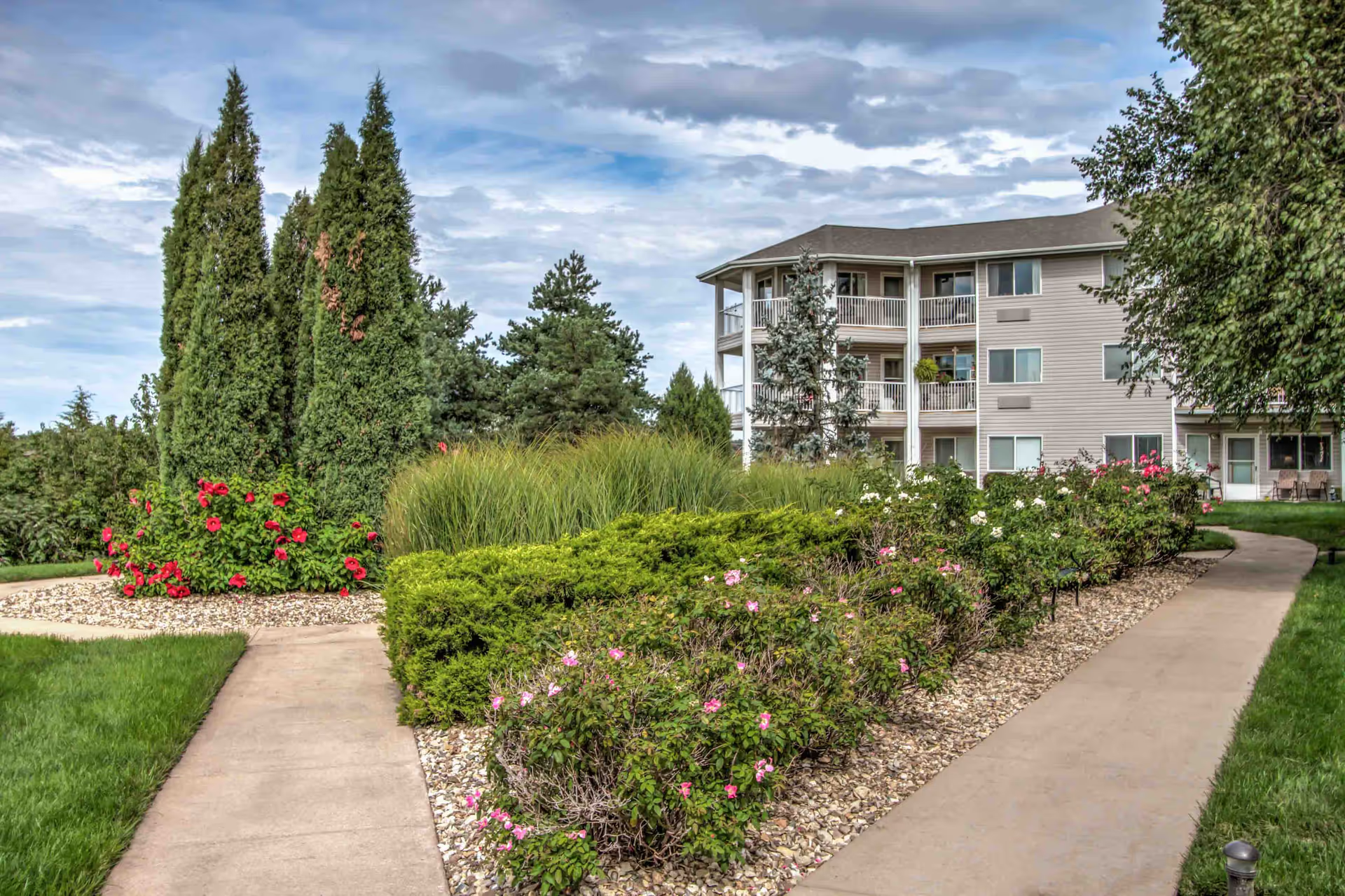
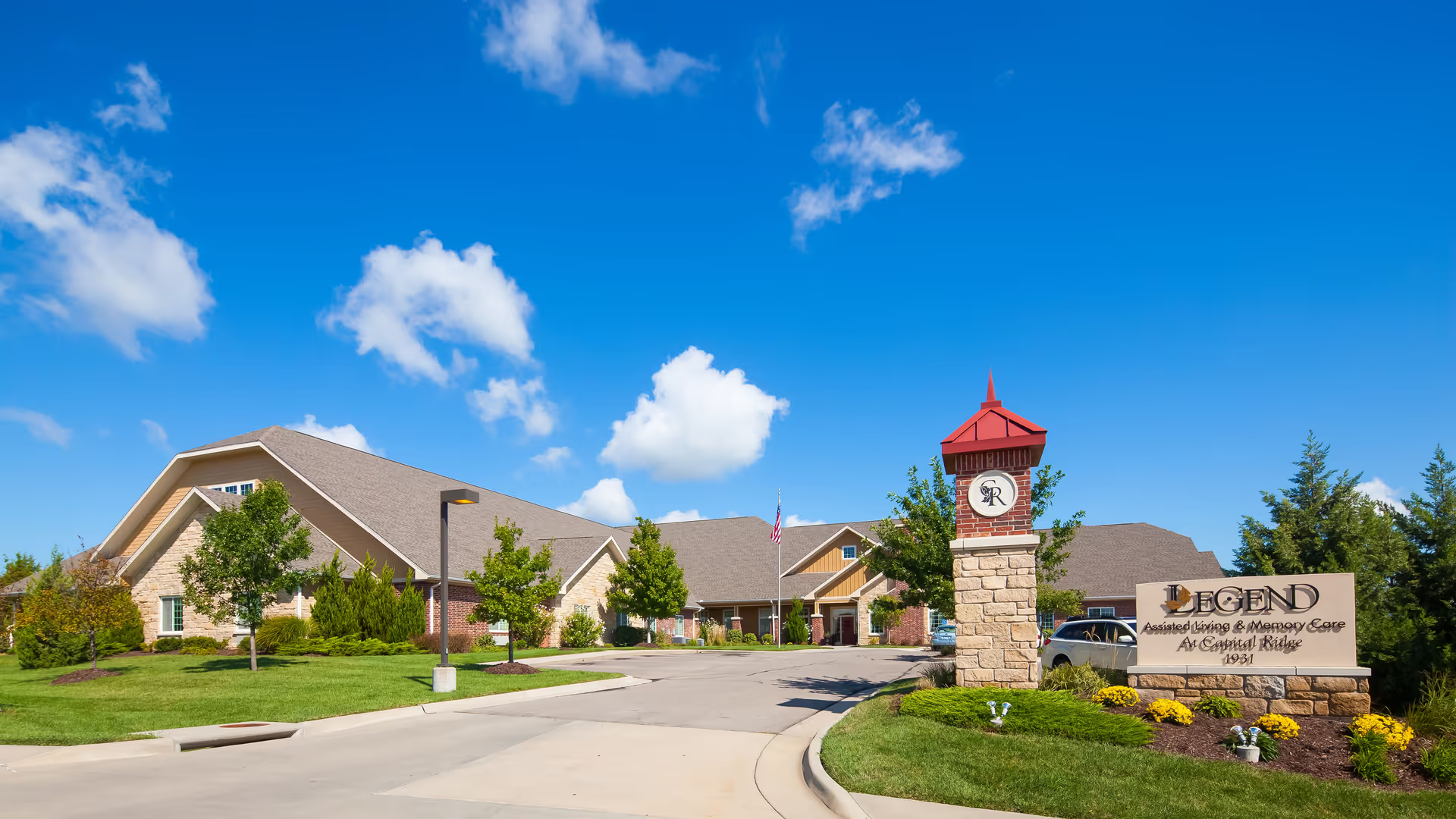
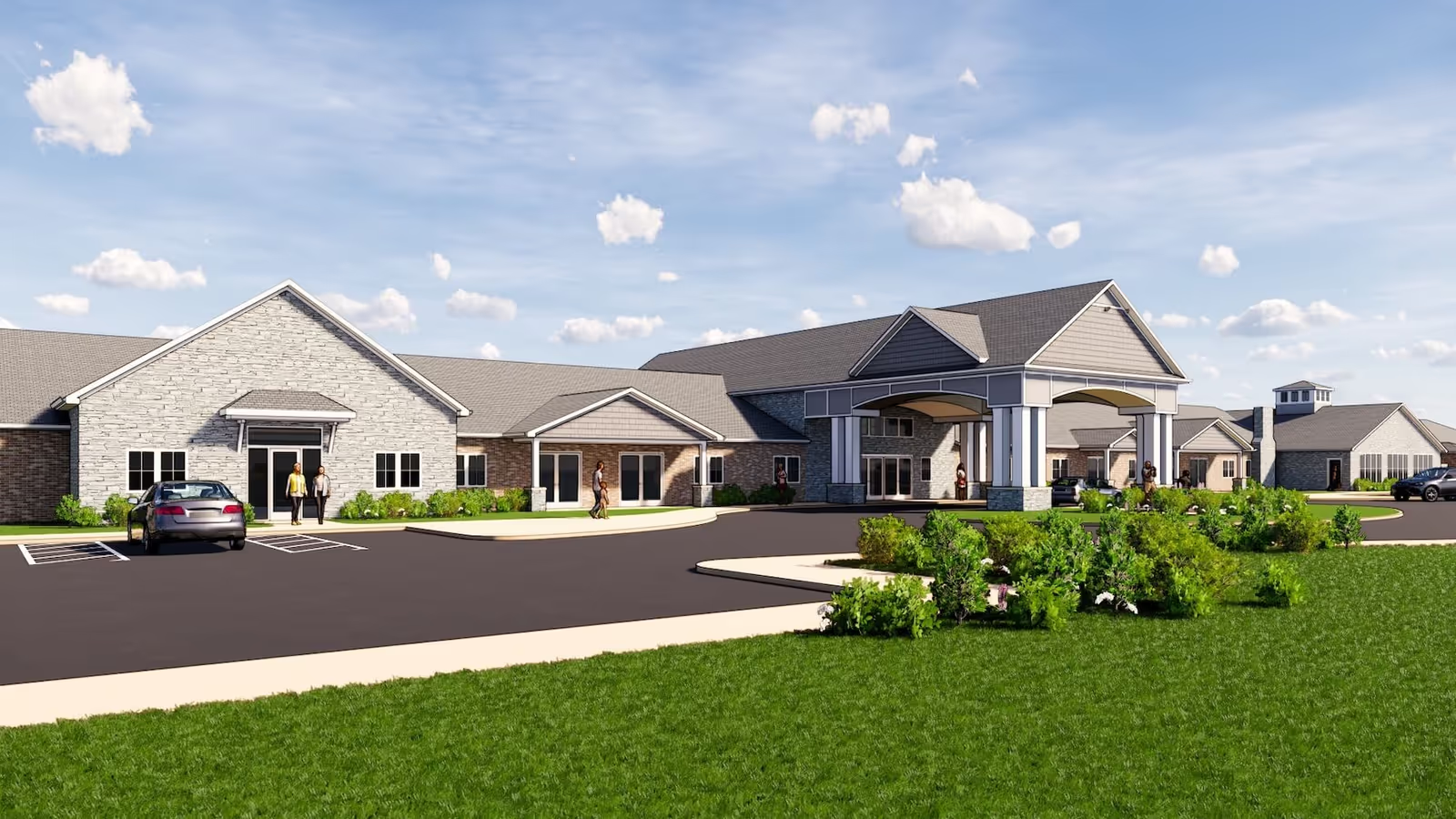
Overall sentiment from the collected review summaries is mixed-to-polarized: many reviewers praise the campus, amenities, and dining, but an equal or greater weight of comments raises serious concerns about cost, management, staff stability, and safety. Positives focus on the physical environment and services — reviewers repeatedly mention a pretty campus, onsite arts center, indoor heated pool, studio apartment options, free lunch and “amazing” food, and the fact that multiple levels of care are available. Some visitors reported being impressed on initial visit (including a drive-through impression) and some view the property as a sound investment. These elements suggest the facility offers strong physical amenities and a compelling lifestyle package for residents who can afford it.
Care quality and safety emerge as conflicting themes. On one hand, “all levels of care offered” implies a breadth of clinical services and care pathways that can accommodate different resident needs. On the other hand, several very serious safety-related complaints appear in the summaries: doors left open that allowed smoking, and residents wandering out of what is described as a medical facility. Those reports point to lapses in operational safety and supervision that directly affect resident well-being and would be red flags for prospective residents and families evaluating clinical oversight and secure wandering-prevention measures.
Staffing and management issues are another major pattern. Multiple summaries cite high staff turnover and poor management, which often correlate with inconsistent care and service quality. There is also an extraordinary allegation category — unemployment fraud allegations — which, even if unproven in these summaries, signals reputational risk and administrative problems that prospective residents and regulators would want clarified. High turnover plus management concerns can help explain safety lapses and billing or pricing disputes reported by reviewers.
Pricing, transparency, and affordability are among the most frequent negative themes. Words and phrases such as “overpriced,” “lies about pricing,” “fee increases,” and “money/price concerns” recur across reviews. Some reviewers explicitly say the facility was their second choice because of cost. At the same time, other reviewers note that amenities are included in the price and describe the offering as a potentially good investment. This contrast indicates that while the facility positions itself as a full-service, amenity-rich option, there are consistent complaints about unexpected or opaque charges and rising fees that undermine trust and make affordability a widespread concern.
Dining, activities, and lifestyle receive uniformly positive marks: free lunch, amazing food, arts programming, and amenities like the pool improve residents’ daily experience and are clearly strengths of the property. The physical appeal — “pretty campus” and studio apartment options — and the perception by some that it is a worthwhile investment balance some of the negative financial comments, but do not erase them.
In summary, Brewster Health Center appears to offer a high-quality physical environment and strong lifestyle amenities that impress many visitors and residents. However, those positives are counterbalanced by recurring and significant concerns about cost transparency and affordability, management effectiveness, staff turnover, and operational safety. Prospective residents and families should weigh the attractive amenities and comprehensive levels of care against reported issues with pricing practices, administrative integrity, and safety protocols. Due diligence — asking for clear, written pricing policies, recent staffing and incident records, and specifics about security and wandering prevention measures — would be advisable before making a commitment.