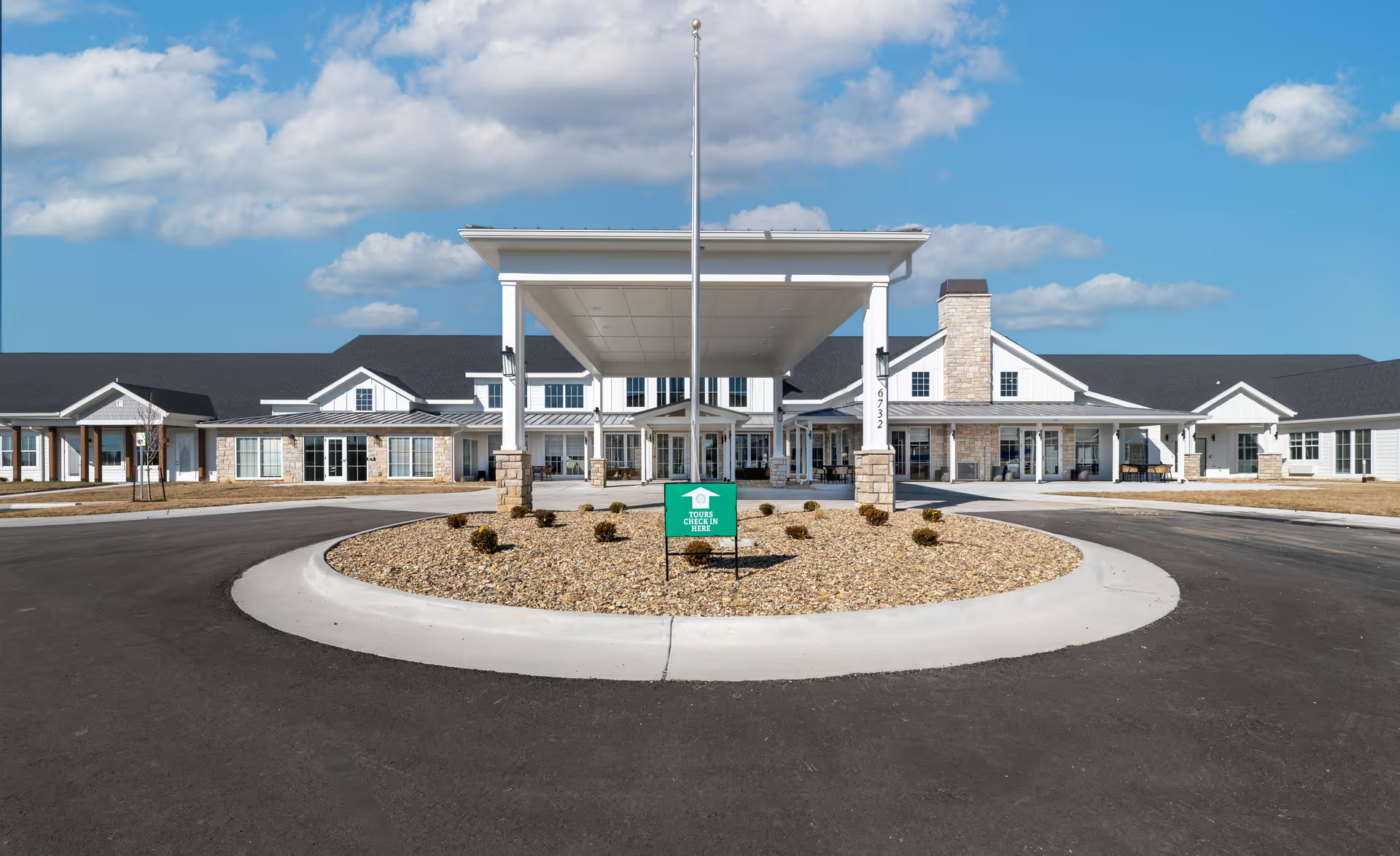
Reviews use both McCrite Plaza and Heritage Groves Estates, and describe experiences across independent living, assisted living, skilled nursing, memory care, and rehabilitation. Experiences are mixed and appear to vary by care setting, staff team, and management period. Positive accounts describe residents who feel welcome and supported, with families appreciating assistance during transitions and access to staff for updates. Other accounts raise concerns about responsiveness, clinical follow-through, and coordination, so prospective residents and families may wish to ask how needs are monitored and how concerns are escalated in the specific unit being considered.
Staff feedback is notably varied. Many positive accounts describe employees as caring, friendly, patient, and attentive, including nursing staff and rehabilitation professionals. Families also value staff who help residents settle in and connect with others. In contrast, some accounts describe uneven communication and interactions, while one review raises concerns about staff conduct. Turnover and the orientation of temporary or agency staff are also identified as challenges. These differences suggest that staffing consistency and the experience of a particular team are important areas to discuss.
Dining is a recurring strength: reviewers praise the food, dining-room service, and flexible meal availability, including broad access during the day. Residents are described as able to choose from menu options and daily specials. Activities are available regularly, with examples including exercise and social programming. The apartments and campus are often described as comfortable, attractive, and well maintained; one family also valued weekly apartment cleaning and the ability to receive limited assisted-living support in a larger apartment. A separate account raises a pest-control concern, which families may wish to verify directly.
Care experiences include positive reports about physician-visit coordination, nursing support, rehabilitation, physical therapy, and speech therapy. There are also concerns about delayed responses to requests for help, recognition of changing health needs, and the coordination of appointments, discharge services, and transfers. One account describes a transfer without an accompanying caregiver for a patient with limited ability to communicate. Other concerns relate to laundry and personal-care follow-through, as well as privacy and information-sharing practices. These accounts point to questions worth asking about response-time expectations, clinical oversight, transportation procedures, and family communication.
Management feedback reflects a period of transition. Some families describe early adjustment challenges followed by improvement under newer administrators and directors, while others cite turnover and inconsistent staffing as ongoing concerns. Overall, the reviews portray a community with meaningful strengths in dining, activities, living spaces, and individual staff support, alongside important variability in care coordination, responsiveness, and staffing continuity. Families may benefit from touring the relevant care area, speaking with current residents and staff, and clarifying how the facility handles clinical changes and family updates.