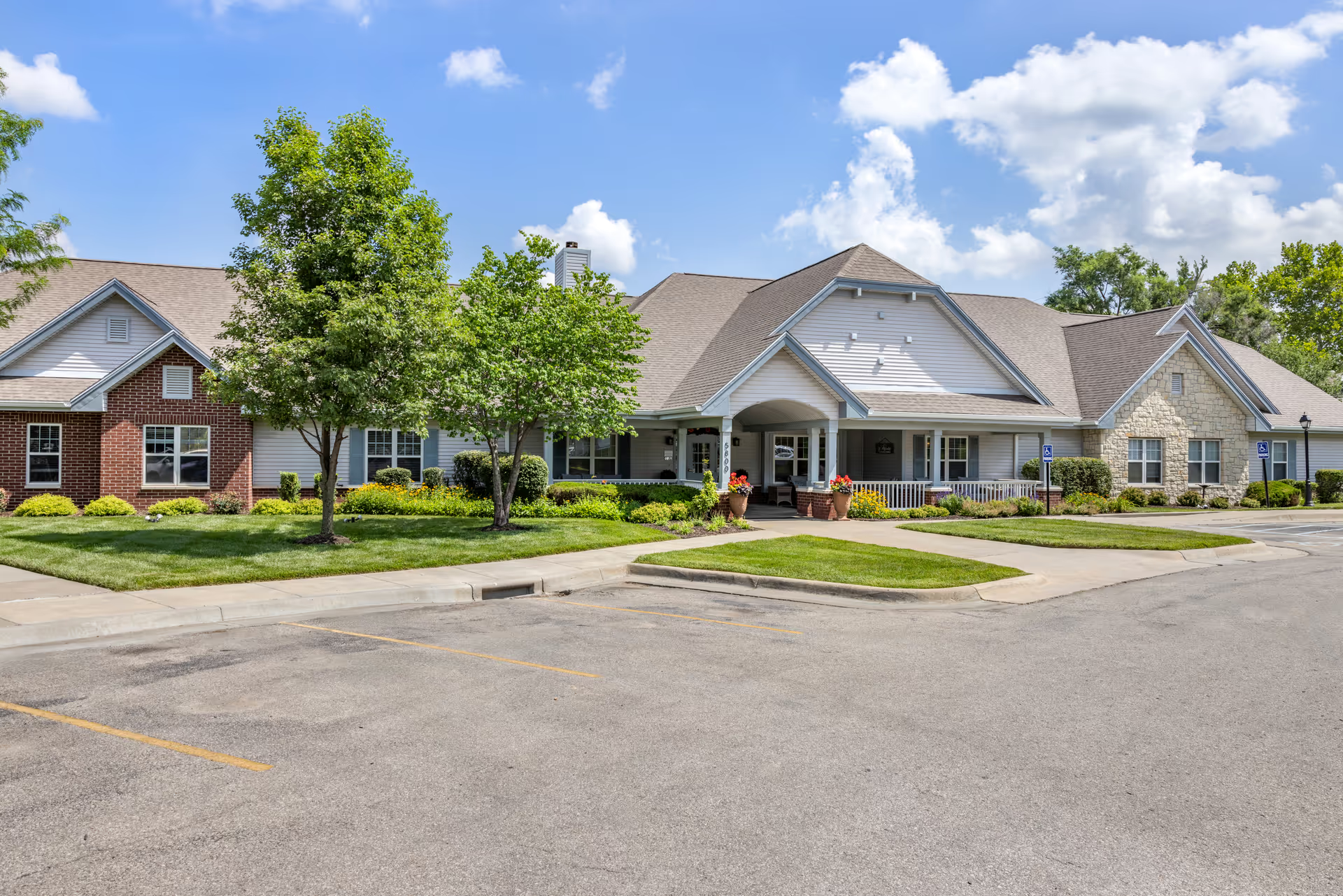
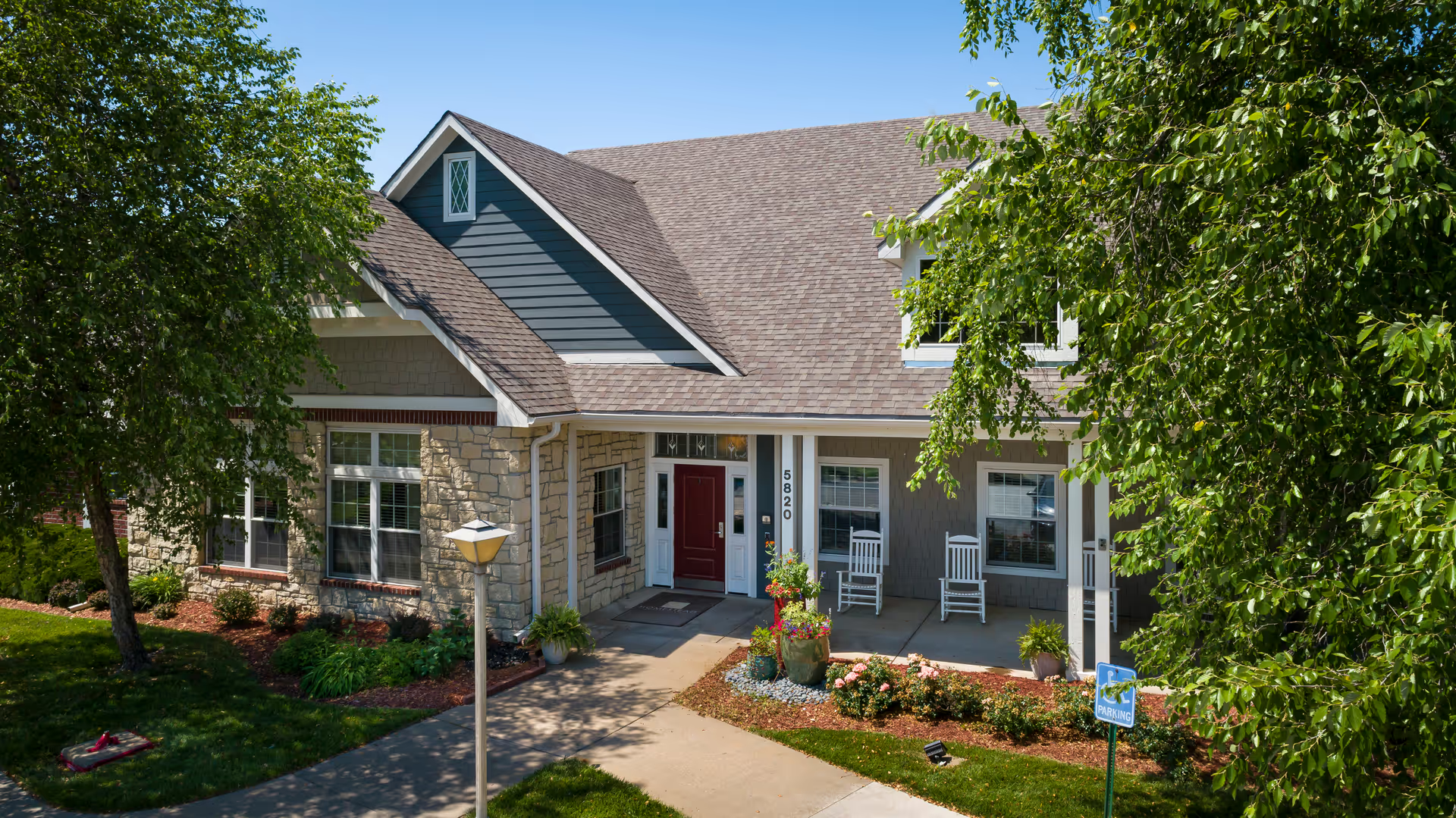
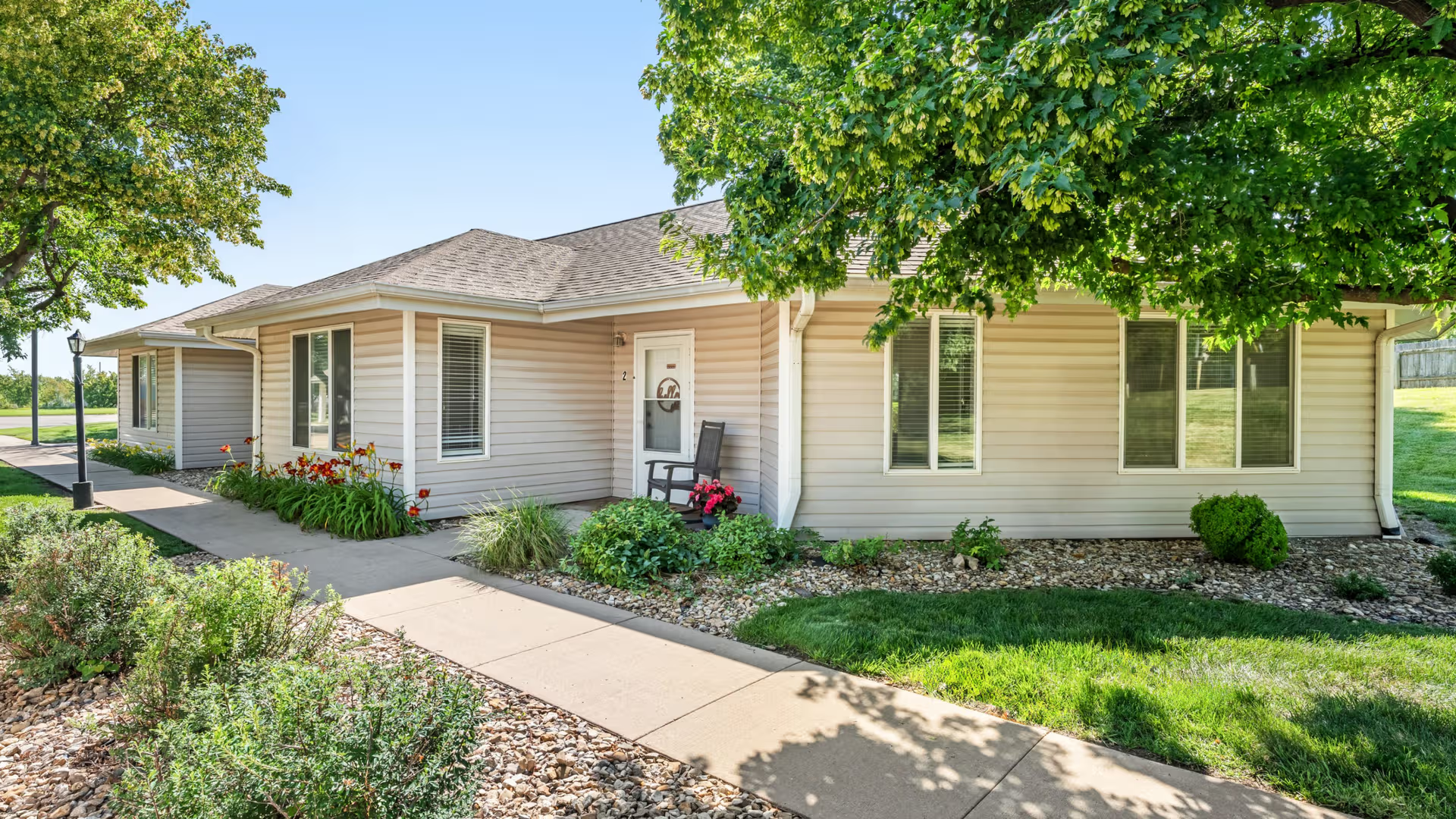
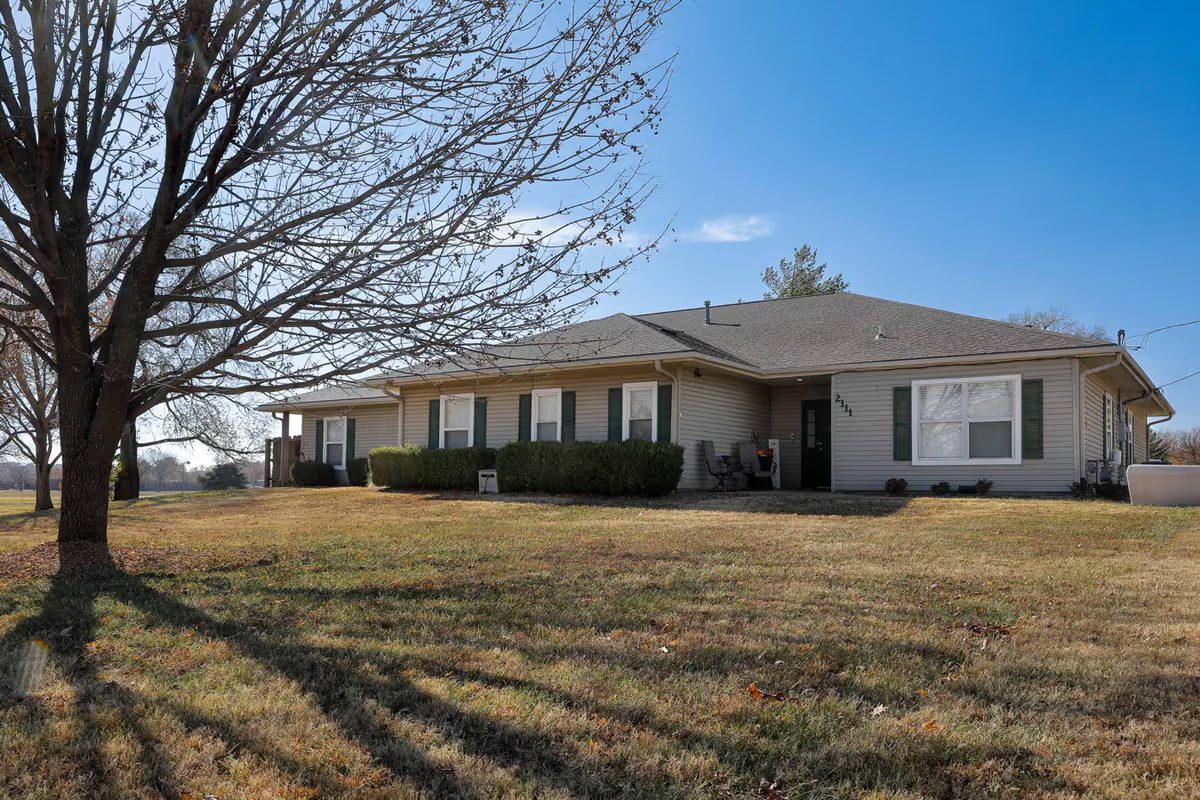
Kelly House of Topeka on Fairmont Rd is consistently described as a small, home-like memory-care community with a focus on Alzheimer’s care. Reviewers emphasize the facility’s family-style houses and small resident census, which support individualized attention and a residential atmosphere rather than an institutional one. The facility is praised for cleanliness and comfortable common areas, and families frequently note that staff develop strong, personalized relationships with residents.
Care quality and staffing are among the facility’s strongest features. Families report attentive caregiving, staff who know residents well, and a generally high staff-to-resident ratio that enables individualized support. Many comments highlight long-tenured employees and staff stability, and reviewers characterize the care team as experienced in memory-care needs. At the same time, reviewers raise intermittent concerns about staffing levels in nursing-level situations, indicating that coverage can vary and that staffing deserves confirmation during a tour or intake conversation.
Activity programming is another positive pattern: the community offers regular group activities, outdoor time, daily outings, and faith-based options such as Bible studies. These offerings appear to contribute to resident engagement and a routine of social and recreational opportunities. Dining and meal service are not a dominant theme in the available summaries; there are no consistent, detailed descriptions of menu quality or meal routines, so prospective families should verify dining, menu flexibility, and special-diet handling during a visit.
Facility layout and accommodations reflect the trade-offs of a small community. The home-like environment and family-style units are strengths, but rooms are described as limited in size and private-room availability may be constrained; some residents use shared rooms. These spatial limitations are a likely consequence of the facility’s small-scale model and may affect privacy and storage for personal items.
Management and administrative practices show mixed signals. Some families praise the overall leadership and the ability to place a loved one with confidence, while others describe frequent or unclear policy changes and communication gaps that make it hard to keep up with rules or expectations. Cost is another consistent operational consideration — the facility is viewed as relatively expensive by some families, so prospective residents should review pricing, what is included, and any potential additional fees.
Overall, Kelly House projects a clear strength in memory-care expertise, experienced and caring staff, and a nurturing, small-home environment with active programming. Key trade-offs to evaluate in person are room configuration and privacy, cost, and confirmation of staffing patterns at the level of care you require. Families seeking individualized, home-like Alzheimer’s care will likely find strong positives here, while those for whom private space, predictable administrative communication, or lower cost are priorities should probe those areas during a visit and contract review.