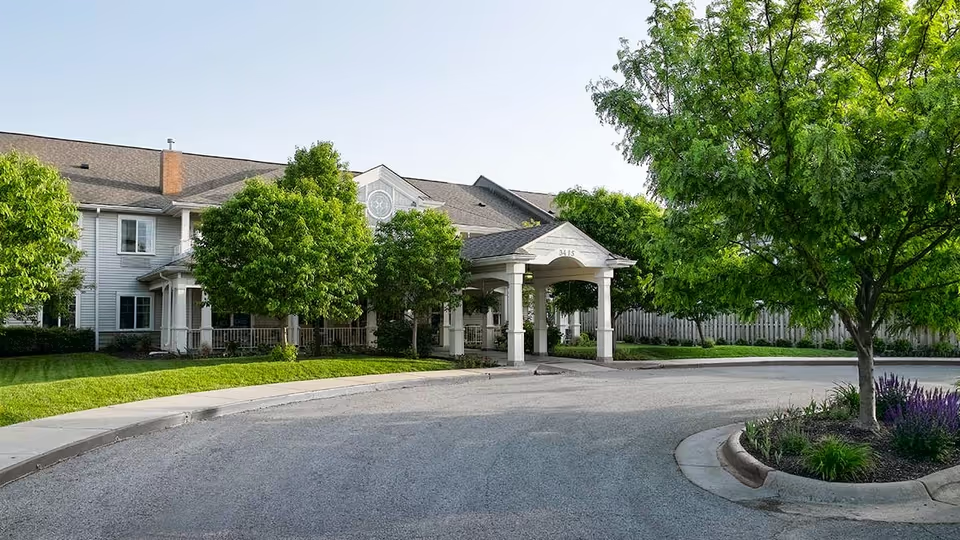
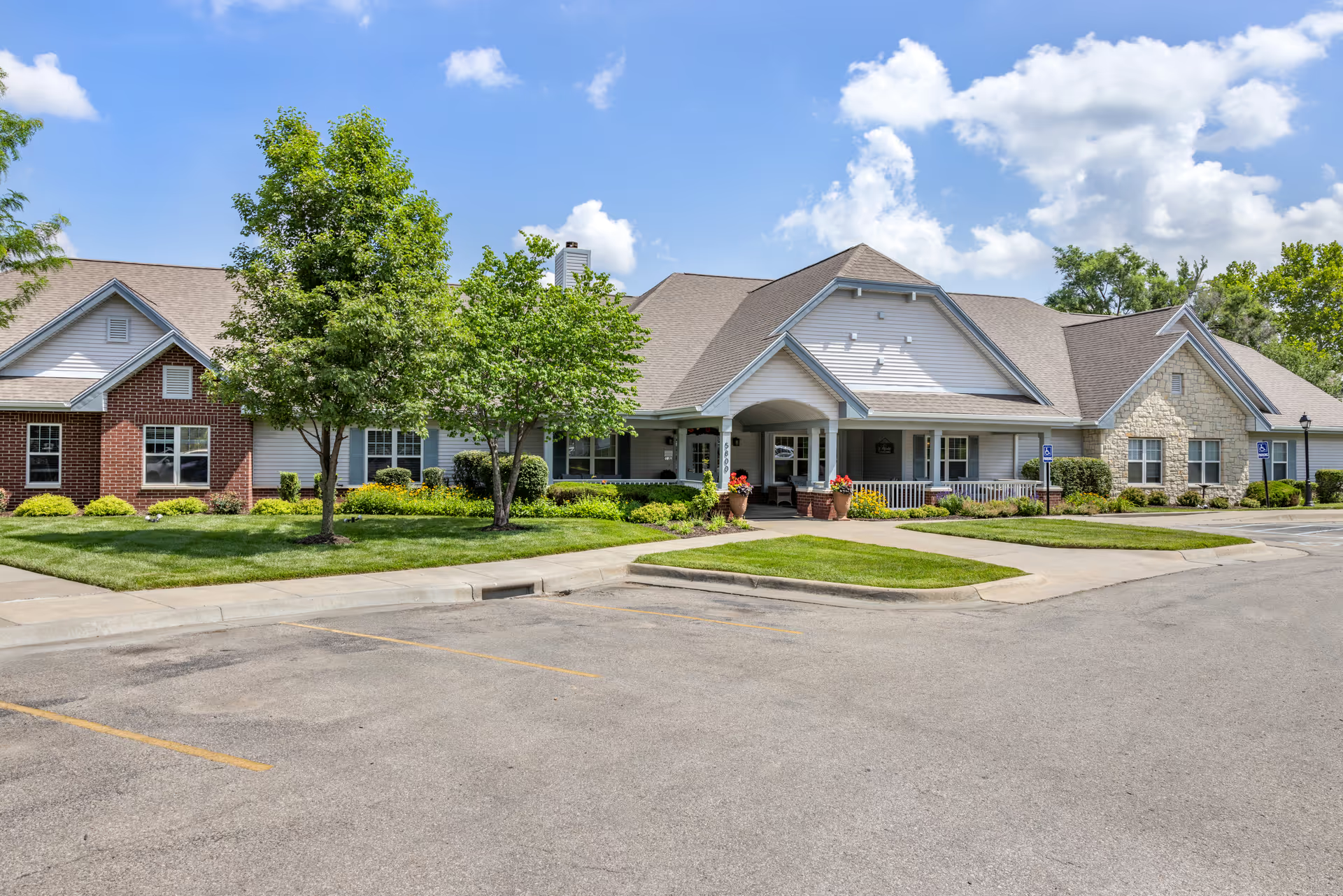
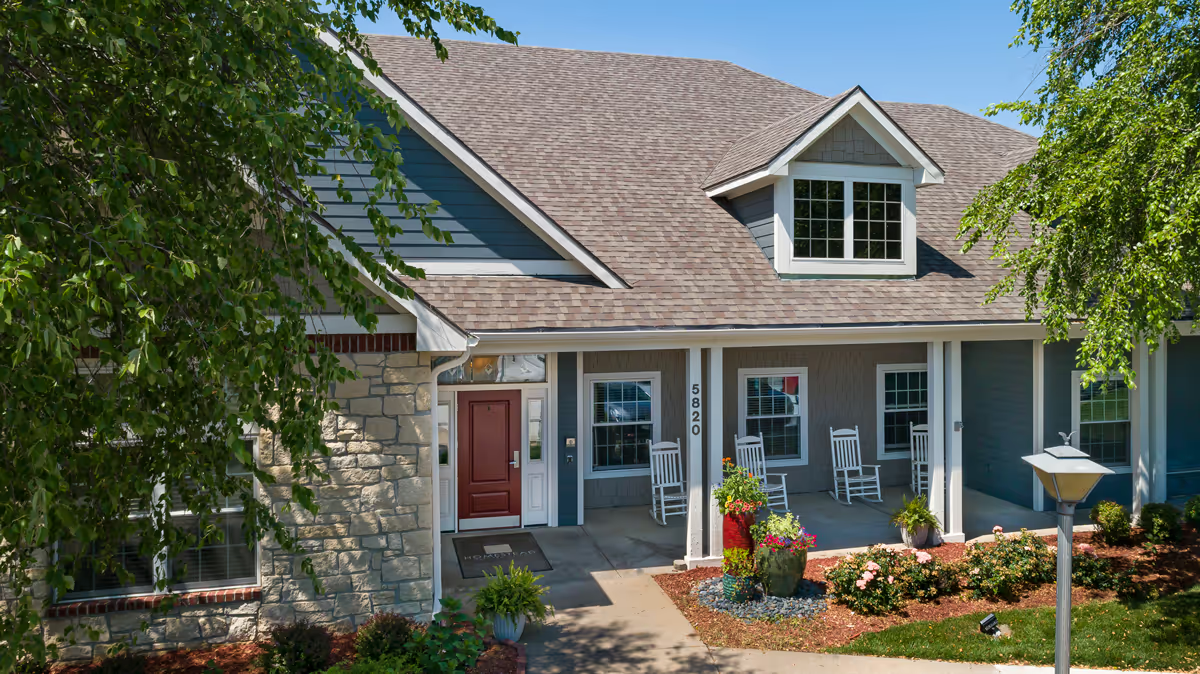
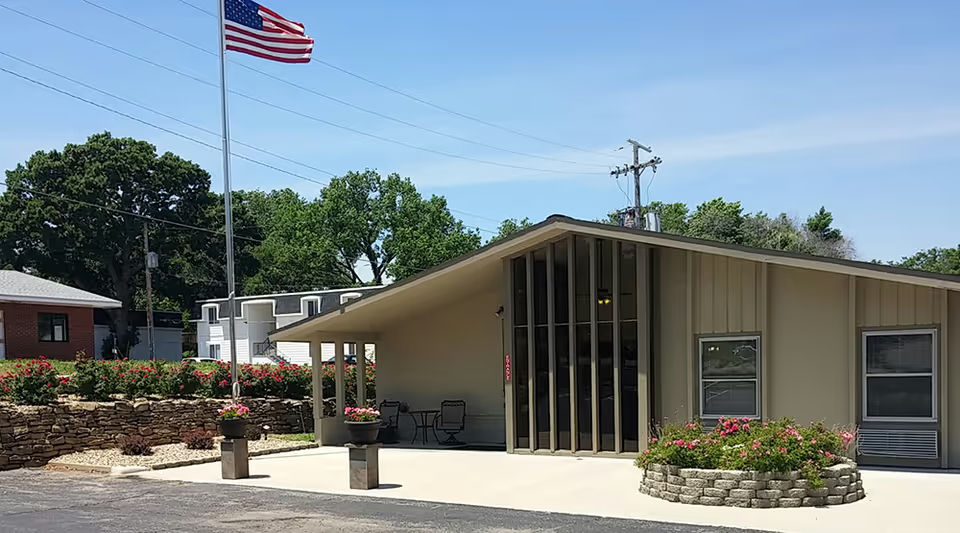
Lexington Park Health & Rehab of Topeka elicits mixed impressions that fall into two clear patterns. On the positive side, therapy and rehabilitation are frequently highlighted: reviewers consistently praise physical and occupational therapy, noting effective, goal-oriented programs and relatively fast recovery timelines. Nursing aides, several nurses, housekeeping, and dietary teams are often described as attentive and caring, contributing to a generally clean and welcoming atmosphere and active communal life. Dining staff receive repeated positive mention for service and portion sizes, and social activities and opportunities to socialize are seen as strengths by families seeking engagement for residents.
Counterbalancing those positives are a set of operational concerns that recur across reviews. The most common themes are inconsistent clinical responsiveness and gaps in communication—families describe delays in staff callbacks, uneven information flow from nursing or social work, and disorganization that complicates care coordination. Several reviews point to delays in attending to continence-related needs and occasional sanitation concerns, which suggest room for improvement in routine personal-care processes and timely response protocols. There are also references that imply weaknesses in fall-prevention and transfer-safety practices and in the facility's recognition or escalation of acute medical deterioration.
Management and staff conduct are described unevenly. While many reviewers commend specific staff members and leaders for hands-on involvement and compassion, others cite isolated but notable professionalism concerns and inconsistent responsiveness from social-work and medical staff. These mixed impressions indicate variability in staff performance and in how administrative processes are enforced. Dining receives generally positive feedback for service and portions, although at least one reviewer described the food unfavorably, pointing to inconsistent meal quality.
For prospective residents and families, the salient pattern is dichotomous: strong rehabilitation, therapy outcomes, and many caring frontline staff, paired with operational inconsistencies that affect daily care and family communication. When evaluating the facility, consider asking for recent quality metrics, staffing ratios, and examples of how the facility handles clinical escalation, continence care, and fall-prevention. A tour that includes meeting therapy leaders, nursing management, and social-work staff — plus discussions about individual care plans and communication expectations — will help determine whether the facility’s strengths align with a prospective resident’s priorities and clinical needs.