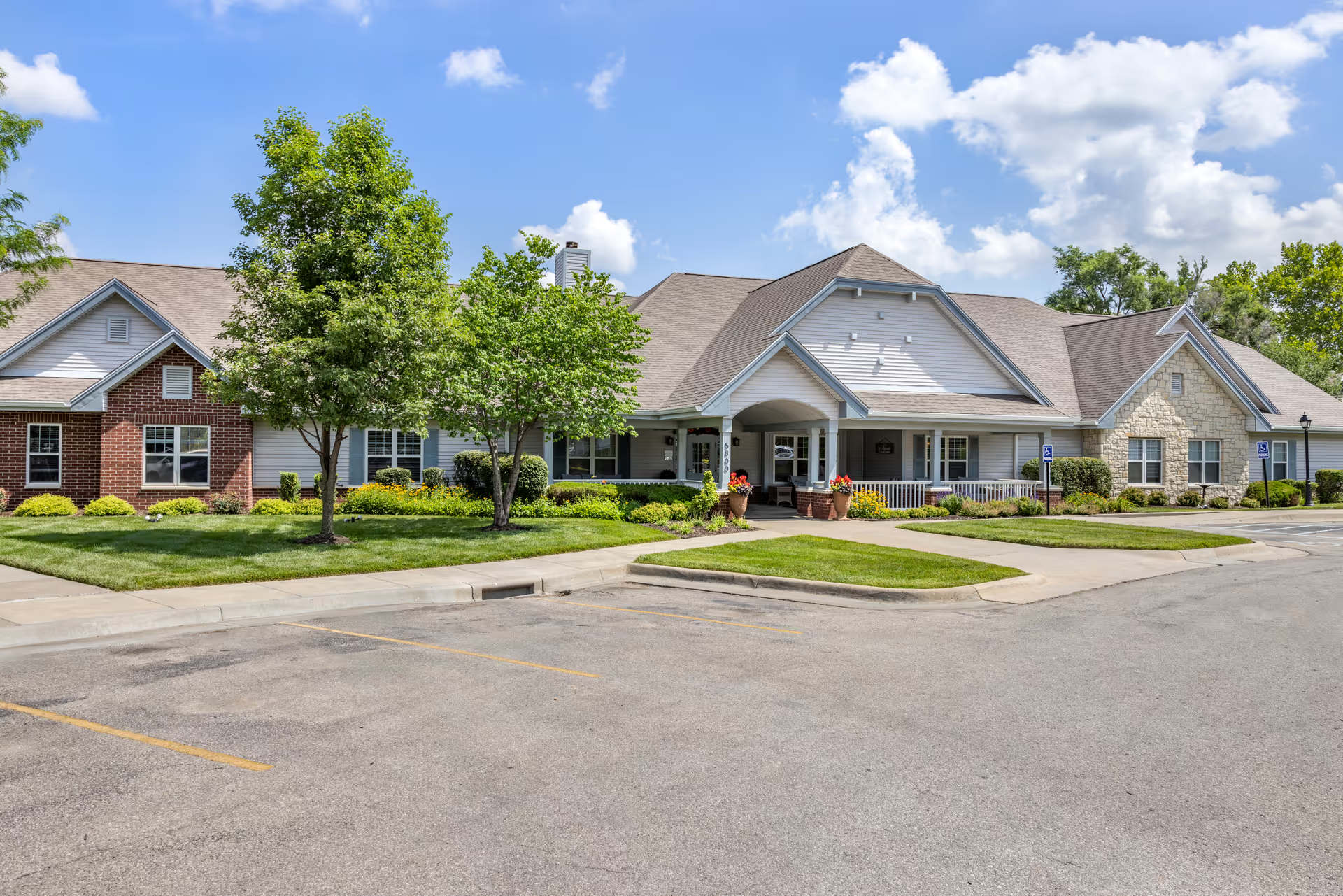
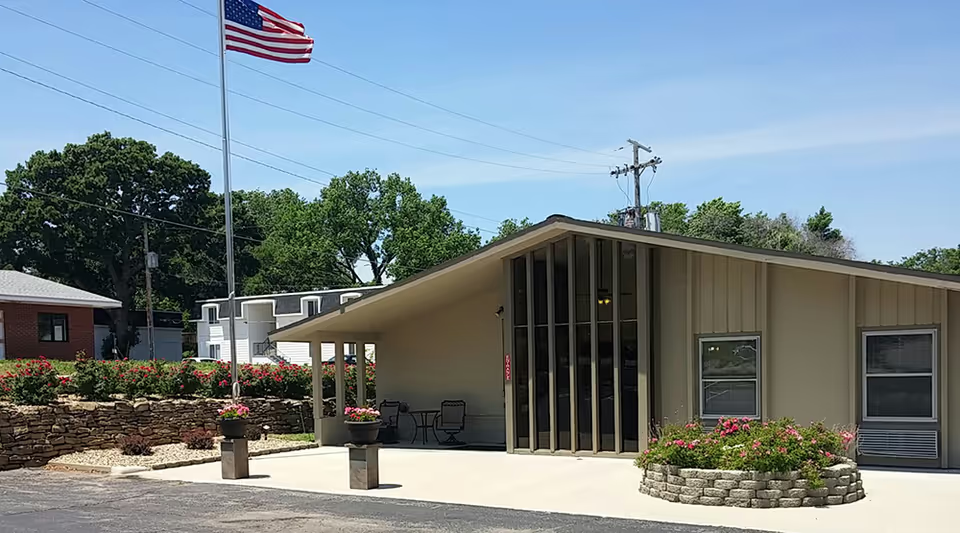
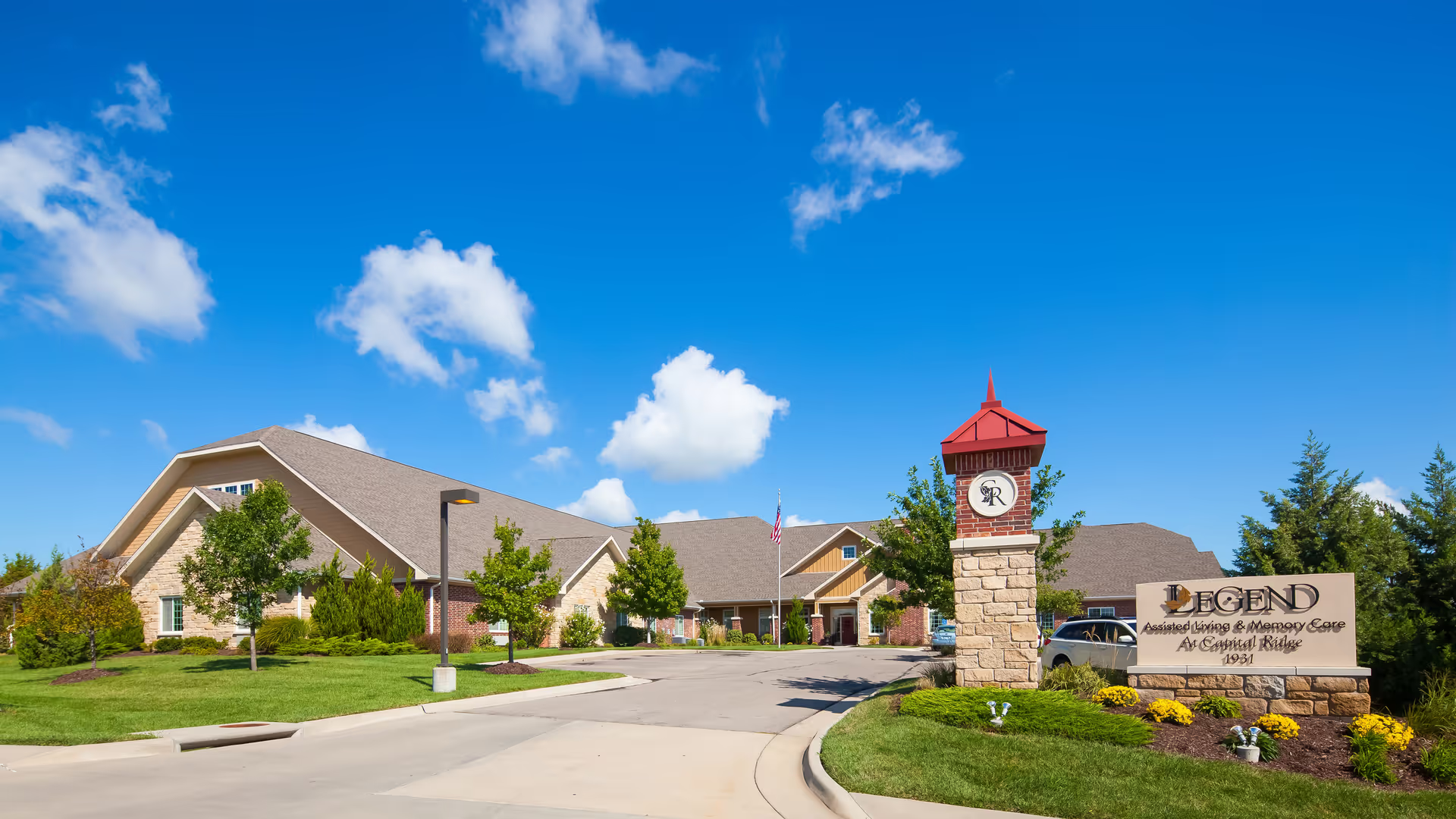
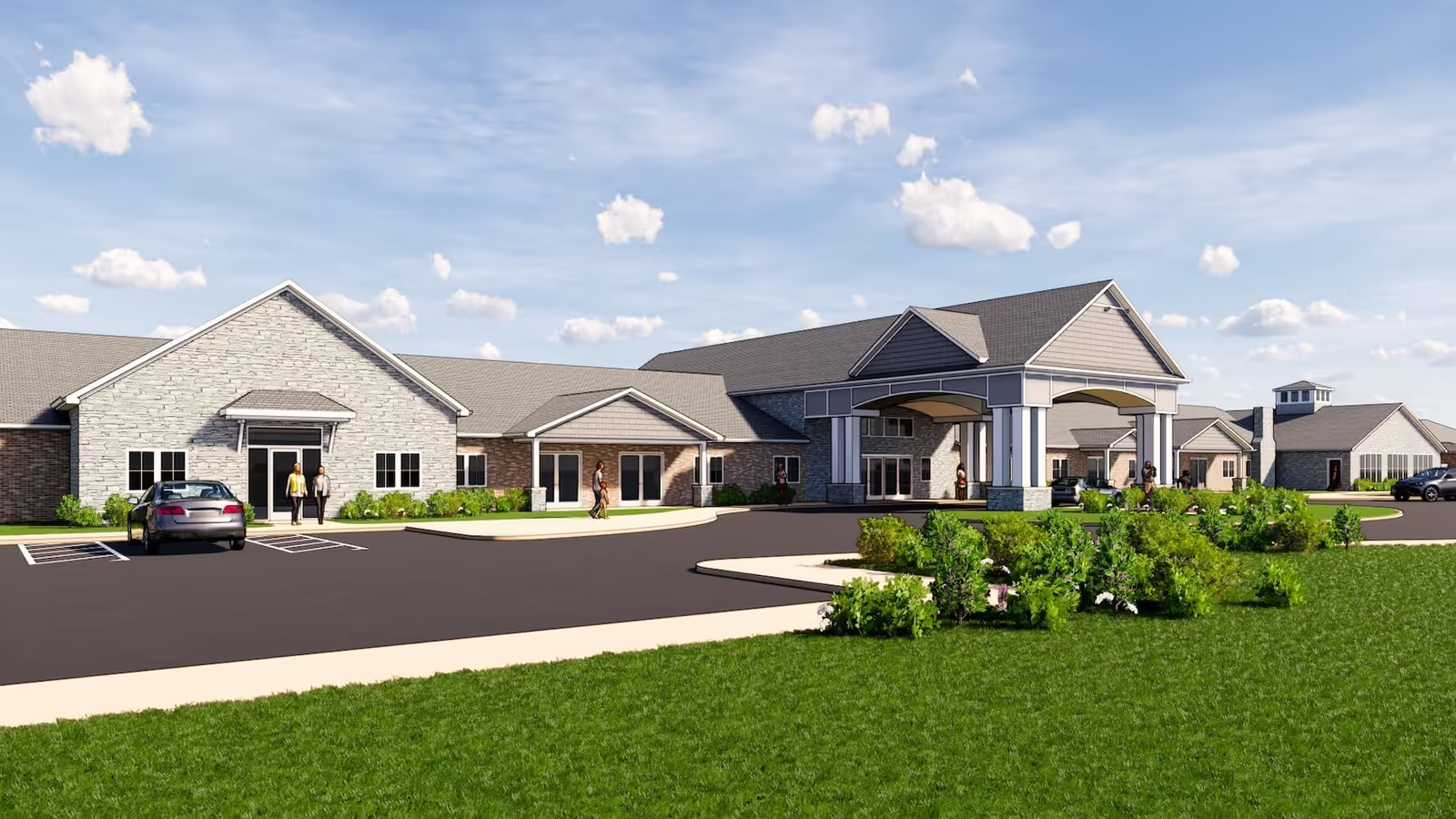
Oakley Place of Topeka elicits a mixed but distinct pattern of impressions. Many families and visitors describe a warm, small, family-style environment with compassionate, attentive caregivers and a clean, welcoming interior. Several reviewers noted a smooth move-in process, affordable all-inclusive pricing, and personalized attention that made the community feel like a good fit for their loved ones. New ownership and recent facility improvements were highlighted positively, and some families praised homemade-style meals and the overall nurturing atmosphere.
Care quality is described in largely favorable terms in many accounts — staff are frequently characterized as kind, helpful, and responsive. At the same time, operational issues recur across the feedback. Staffing instability and the presence of less-experienced employees were identified as contributors to inconsistent care experiences. More seriously, reviewers raised concerns about medication handling, including discontinued or incorrect medications and problems maintaining an accurate medication list for physicians; these indicate gaps in medication-management controls and clinical documentation that the facility should address. There are also mentions of practices (such as removal of certain assistive devices) that families felt reduced resident independence, which suggests the need for clearer, resident-centered mobility and assistive-device policies.
Dining reviews are divided: some families appreciated homemade meals and pleasant aromas, while others described the menu as carbohydrate-heavy with limited fruits and vegetables — a pattern that points to inconsistent meal planning and nutritional variety. Similarly, activity programming is viewed as limited by some residents and families who would like more engagement options; the community’s small, home-like setting appears to provide strong interpersonal connections but may not always deliver a broad schedule of activities.
Administrative and procedural issues appear intermittently in the commentary: gaps in paperwork or policy documentation, questions about certain permitted care methods, and instances of uneven communication with physicians and families. New ownership is viewed optimistically by several respondents, which suggests management is making visible changes; however, the persistence of documentation and process gaps indicates oversight and staff training remain priorities.
For prospective residents and families, the balance at Oakley Place is between a consistently warm, compassionate culture and operational areas that need stronger controls. When evaluating the community, consider asking specific questions about current staffing stability and turnover, medication administration protocols and audit processes, nutrition planning and menus, activity schedules, and documentation of policies and regulatory compliance. Those measures will help determine whether the facility’s strong personal care environment is matched by reliable clinical and administrative practices.