Overall impression: Rolling Hills Health & Rehab presents a mixed but actionable profile. Many families describe strong clinical rehabilitation and a caring, family-like staff that supports successful short-term recovery and discharge home. Therapy staff receive frequent praise for hands-on, professional work and for communicating progress to families. At the same time, recurring operational and facility-level concerns temper those positives; prospective residents and families should weigh both sets of observations when choosing this facility.
Care quality and staff: Reviews indicate that clinical rehabilitation and therapy services are a clear strength. Multiple families credit the therapy team and specific caregivers with helping residents regain function and return home. Caregivers are often characterized as compassionate and attentive, and some families reported that staff interactions reduced family stress. However, there are consistent concerns about staff conduct and communication tone in certain interactions, along with reports of delays in response when staffing is thin. Medication administration, particularly the timing of insulin and other medication-management practices, was flagged as inconsistent; this suggests gaps in medication workflows that warrant inquiry.
Dining and amenities: Information on dining is mixed. Several reviewers praised the dining area and certain meals, and the facility offers an affordable family-meal option. Conversely, other accounts describe cold or carbohydrate-heavy meals, occasional incorrect meal delivery, and kitchen-area odor concerns. There are also complaints about delivery charges, tipping expectations, and extra service fees (for example, beauty services), which some families found unclear. Families should ask about current meal menus, delivery policies, and ancillary charges during a tour.
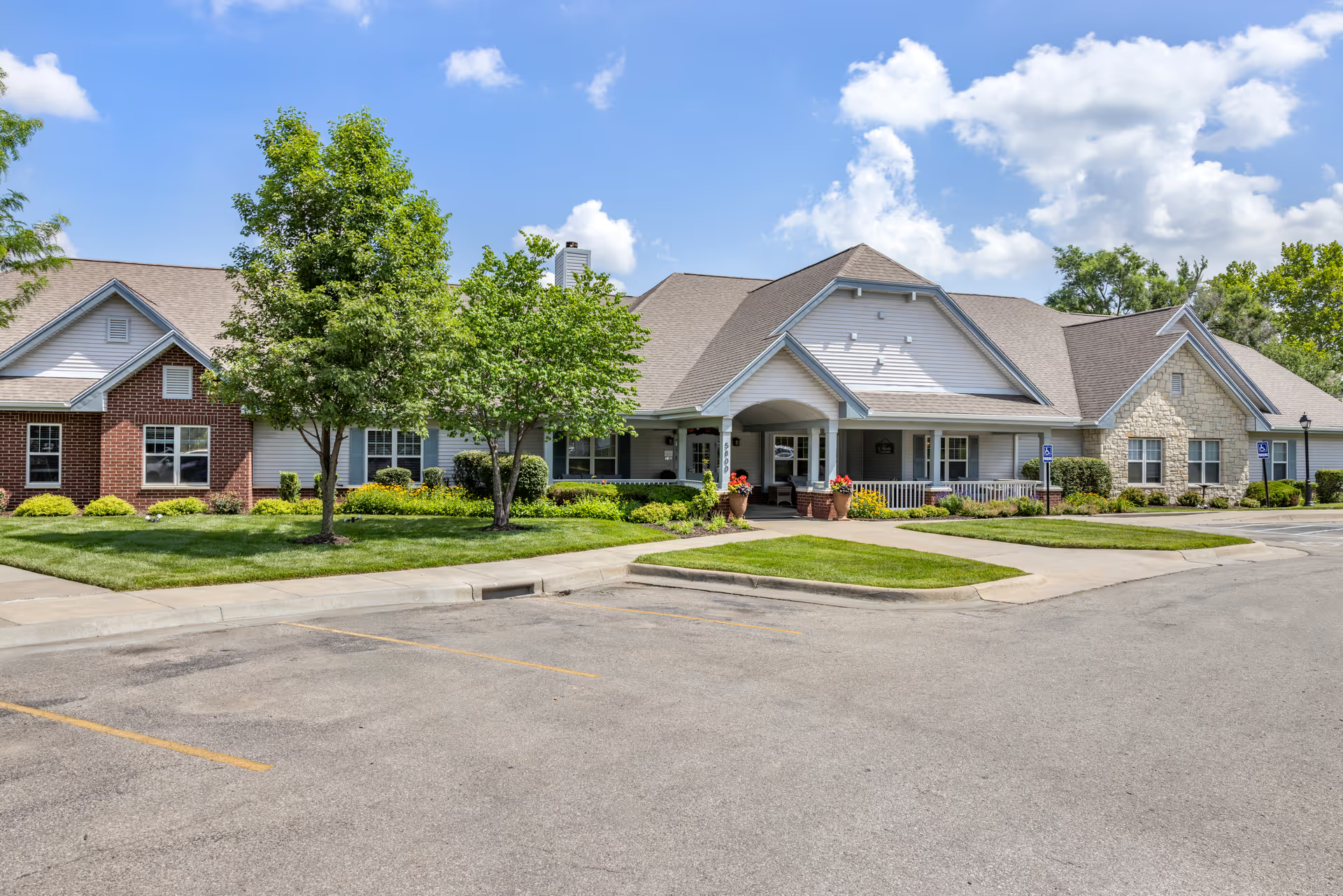
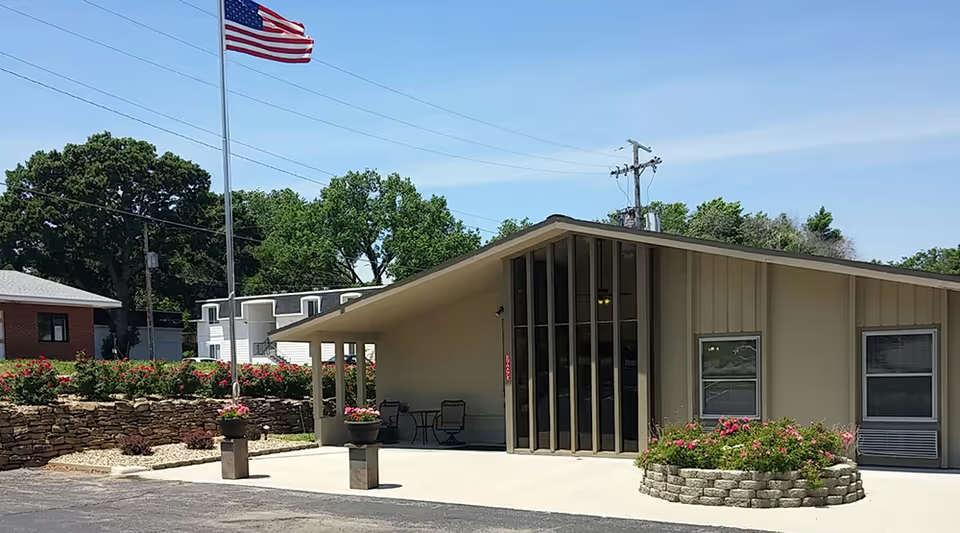
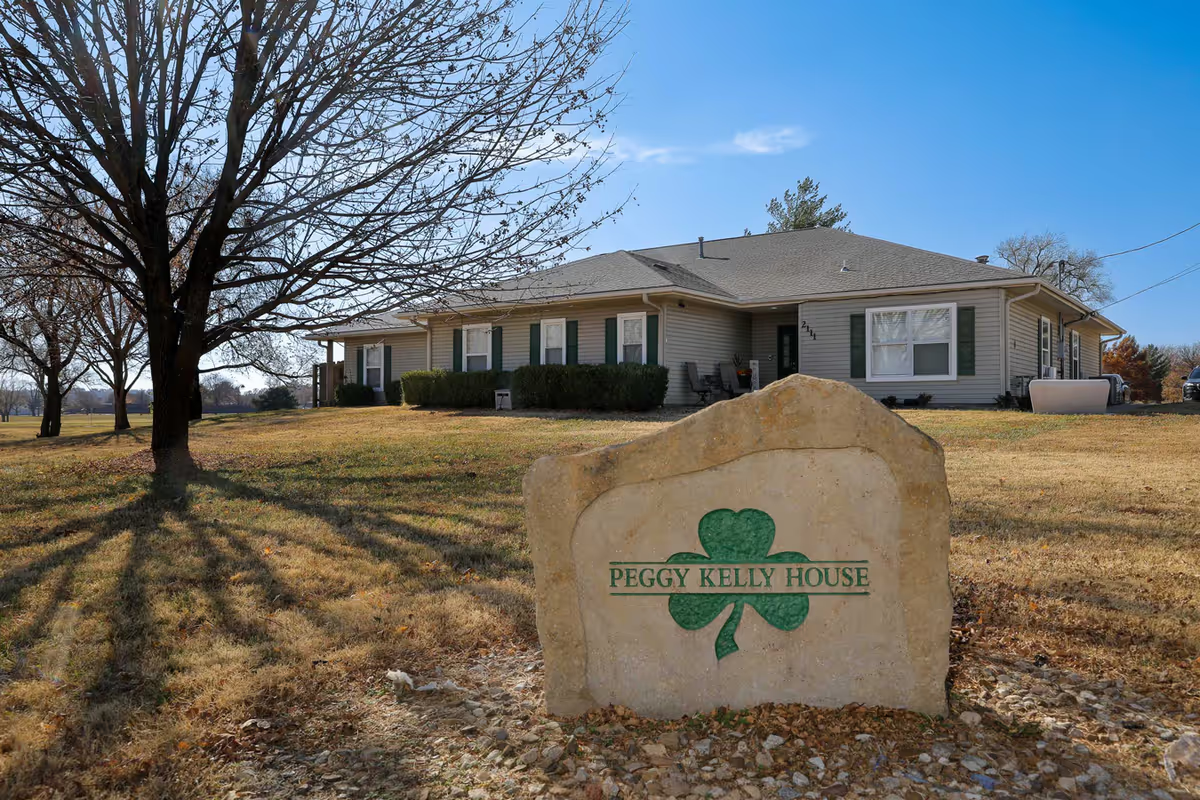
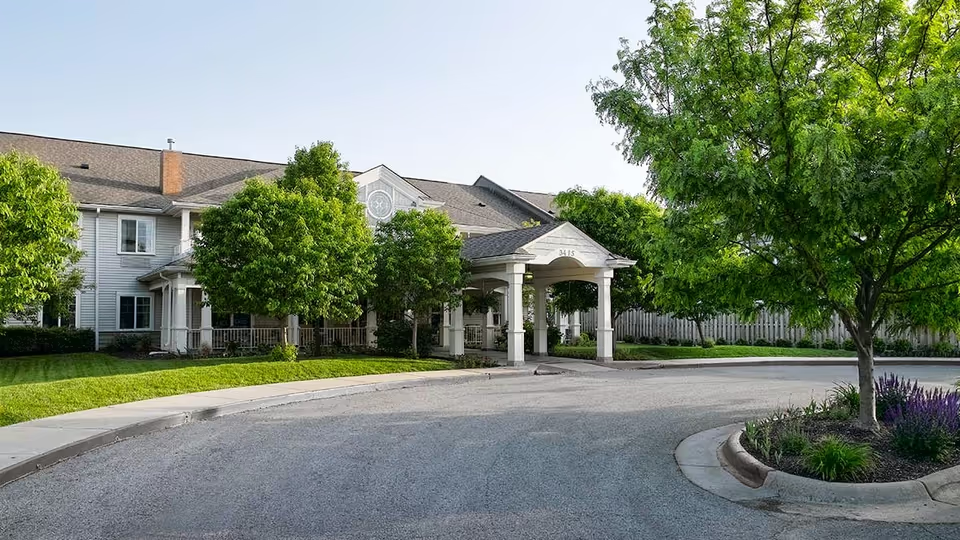
Activities, environment, and facilities: The facility appears welcoming to many, with a clean interior in several areas and a pleasant dining atmosphere. At the same time, the building is described as older in parts and in need of maintenance; some reviewers noted odor concerns in common areas and worn carpeting. Room sizes vary, and there are options described as larger apartments. Prospective residents should inspect rooms and common spaces in person and inquire about recent maintenance or sanitation protocols.
Management and operations: Operational weaknesses are a prominent theme. Reviewers described frequent administrative turnover and uneven follow-through from leadership, which can affect consistency of care and family communication. Staffing shortfalls were cited as a driver of delayed responses and uneven service. Discharge planning and post-discharge processes were called out as problematic in some cases, suggesting a need to clarify transition protocols before admission. On a positive note, some comments point to a turnaround compared with earlier periods, indicating that leadership and operational performance may be evolving.
Notable patterns and guidance: The dominant pattern is a facility with strong clinical rehabilitation and many devoted front-line caregivers, coupled with persistent operational and facility-level challenges (staffing, medication workflows, maintenance, and fee transparency). For families considering Rolling Hills, recommended topics to discuss during a visit include current staffing ratios and vacancy levels, medication administration policies (especially for insulin), discharge-planning procedures, sample meals, and an itemized list of ancillary fees. Seeing the facility during a mealtime and speaking with the therapy team can help validate the aspects that families commonly praise and identify any operational gaps that remain.