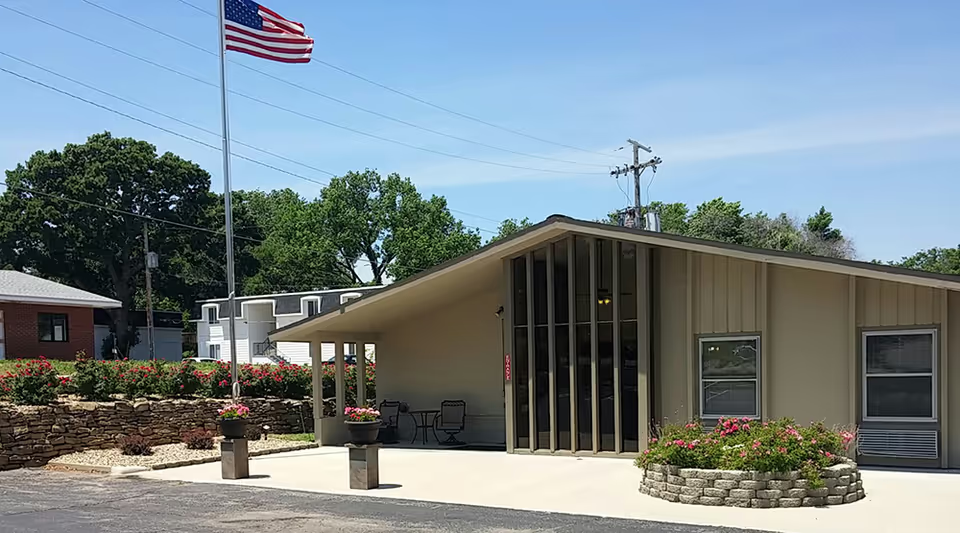
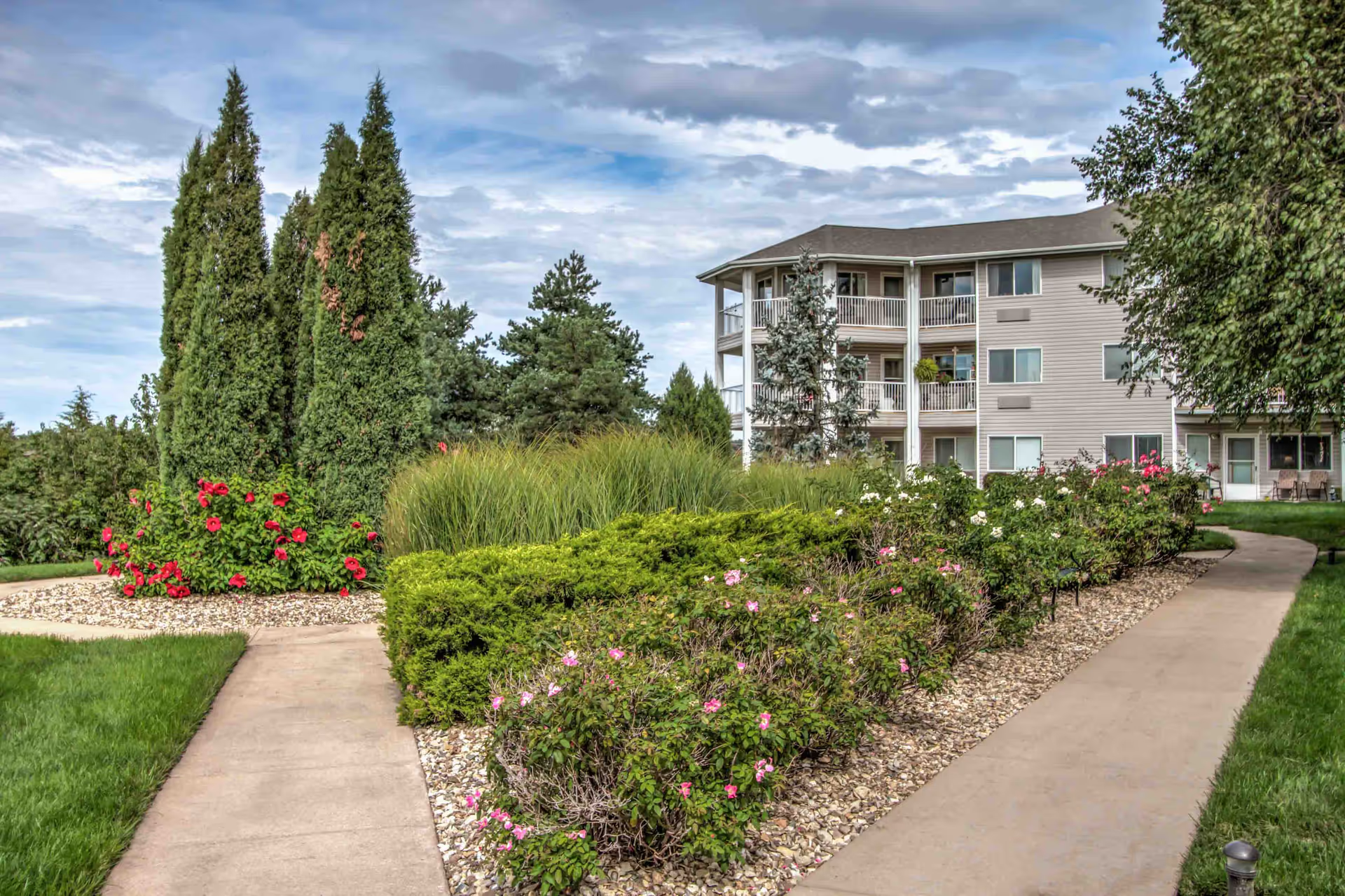
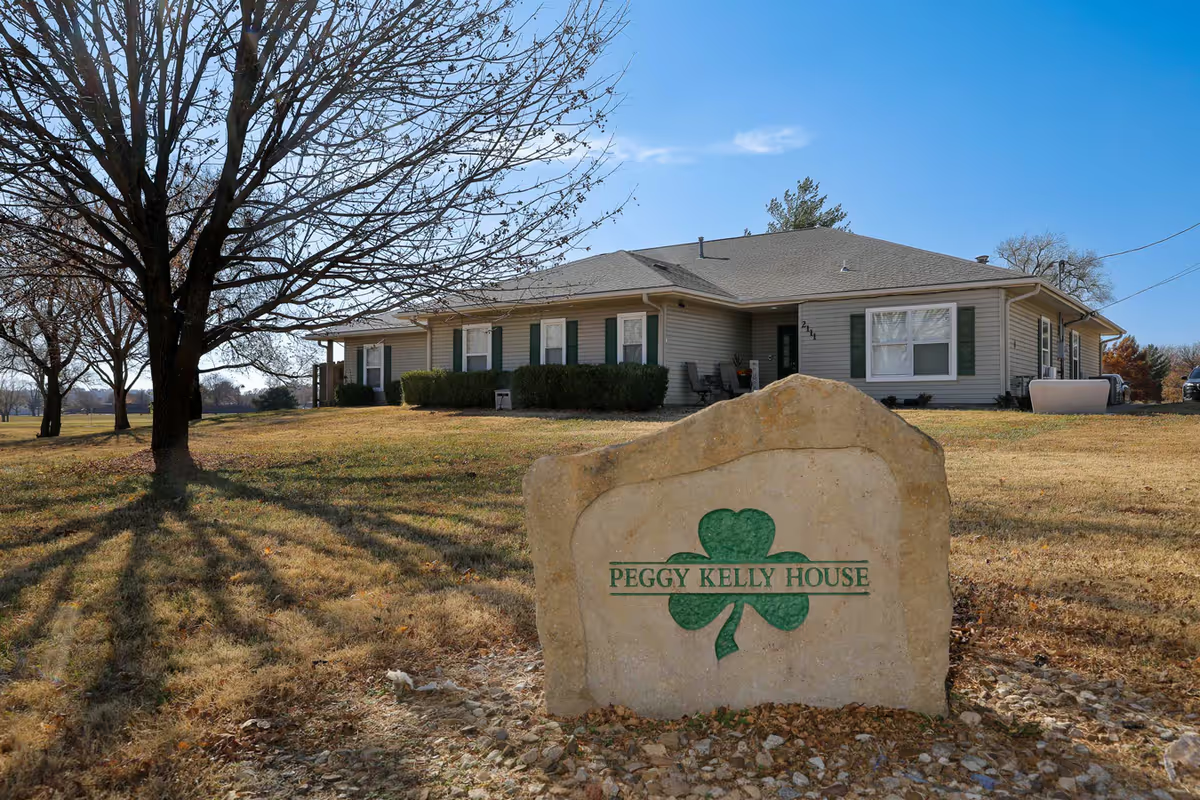
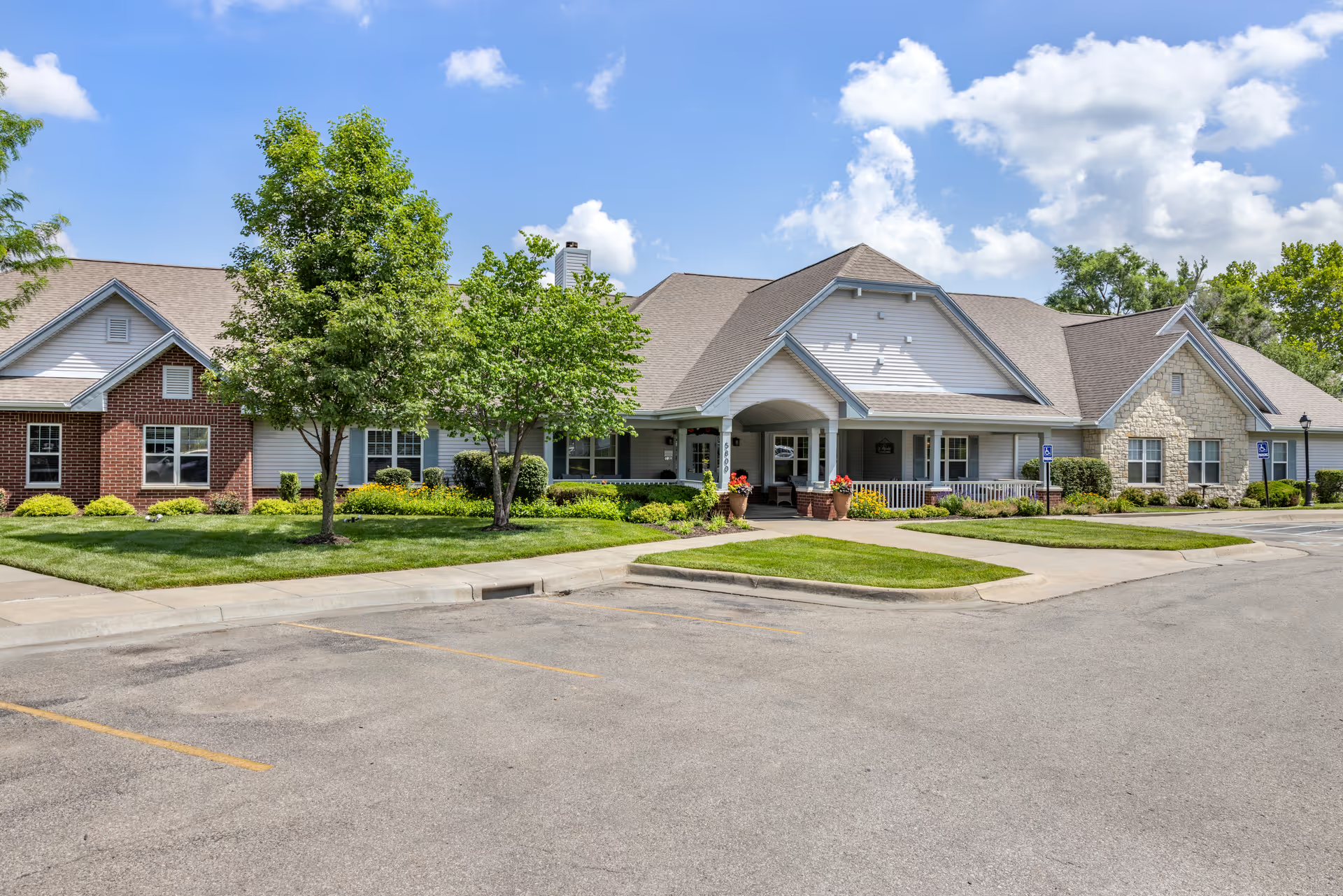
The reviews for Tanglewood Health and Rehabilitation present a mixed picture, with distinct positives around rehabilitation and engagement but recurring operational concerns. A clear strength is the facility’s therapy program and discharge support: multiple accounts describe effective physical and occupational therapy, coordinated insurance assistance, and successful return-to-home outcomes. Families and former patients also cite energetic activities programming (including outings and outdoor time), warm front-desk reception, and an organized, pleasant lobby and common space. The facility’s four-star CMS rating and an active quality-improvement program are additional indicators of strength.
Staff performance appears highly variable. Many reviews praise individual caregivers, therapists, and administrative staff for compassion, initiative, and coordination of care. At the same time, a substantial number of reviews describe lapses in nursing attentiveness, inconsistent professionalism, and apparent coverage gaps during shifts. Reviewers frequently cite delayed responses to call lights and basic-care requests, which ties into broader concerns about staffing levels and shift coverage. There are also repeated statements about gaps in medication-management processes and episodes that suggest inconsistent clinical oversight.
Dining and nutrition-related concerns center on limited therapeutic meal options and inconsistent accommodation of diets for chronic conditions such as diabetes and heart disease. Some families reported difficulty obtaining prescribed dietary alternatives. A separate set of comments highlights hydration and nutrition monitoring concerns tied to responsiveness and oversight.
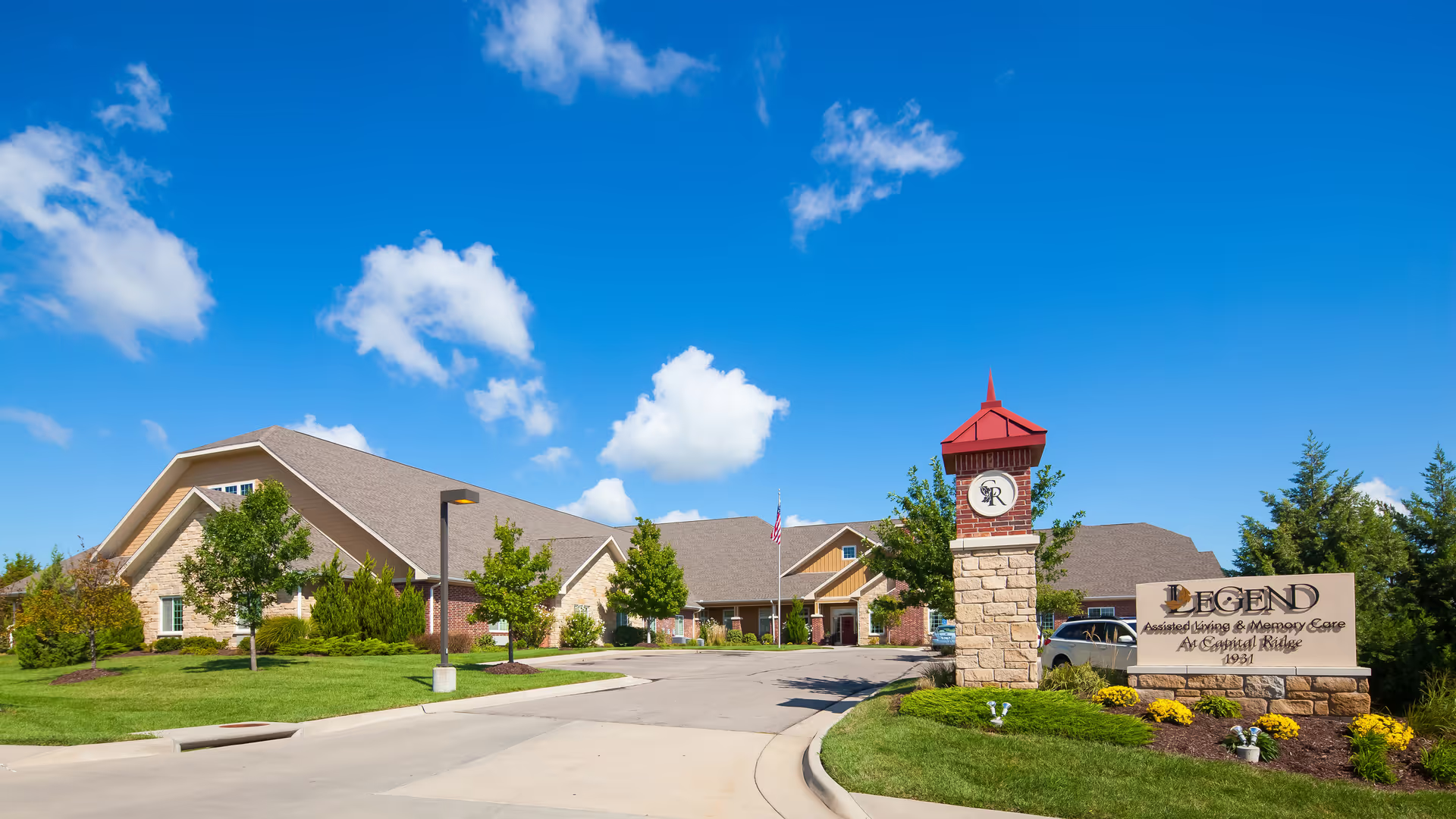
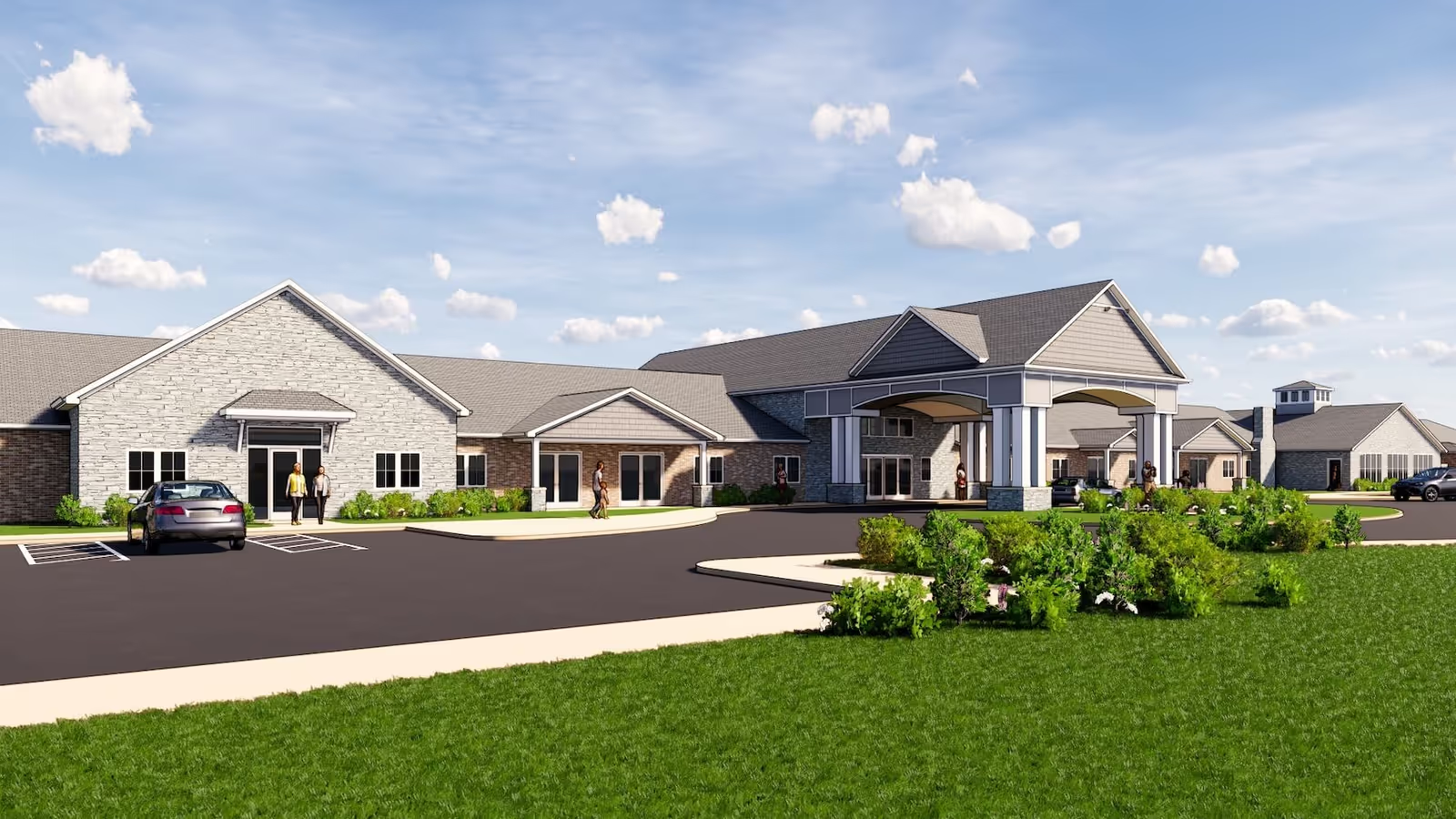
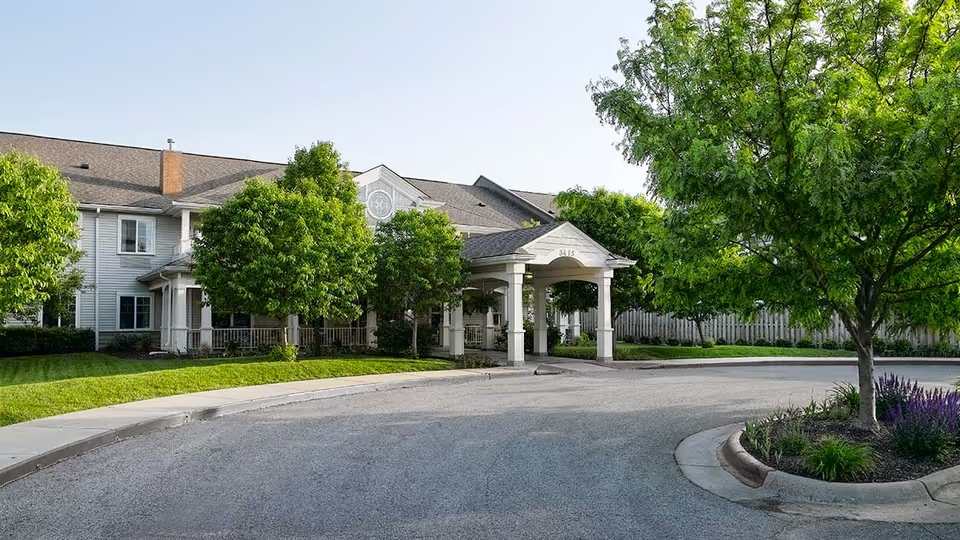
Facility- and environment-related feedback is polarized. Several reviewers describe clean, welcoming common areas and improvements to appearance; others describe sanitation concerns in resident rooms, odor issues, inconsistent housekeeping, incontinence-care practice problems, and pest-control concerns. These contrasts suggest uneven housekeeping and environmental monitoring across units.
Management and communication receive mixed assessments. Positive comments note helpful administrative assistance and coordination; negative comments describe defensive communication, inconsistent family notification following clinical incidents, and allegations of dishonesty or financial misconduct. There are also a few serious allegations and concerns following resident adverse outcomes; these are matters families may wish to clarify with regulators and the facility directly.
Notable patterns are the polarization of experiences (some families describe exemplary, even lifesaving, support while others report sustained operational issues), recurrent staffing and responsiveness problems, and inconsistent housekeeping/room conditions. Prospective residents and families should request a focused tour, ask for current staffing ratios and weekend/holiday coverage details, review the facility’s incident-communication policies, confirm dietary accommodation capabilities, and inquire about infection-control and pest-management protocols. Checking recent inspection reports and speaking with current family members can help reconcile the mixed accounts and evaluate whether the facility’s strengths align with an individual’s care priorities.