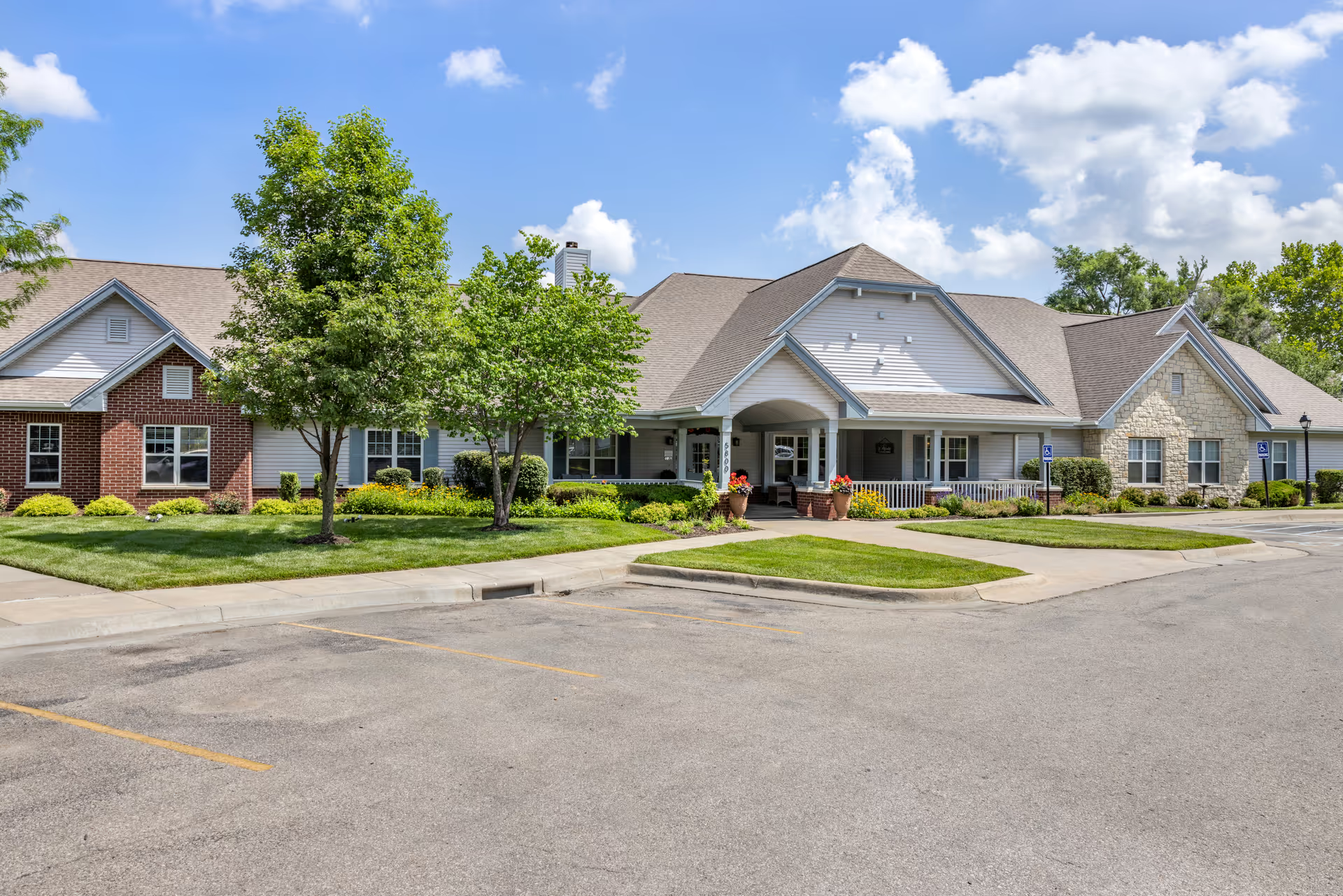
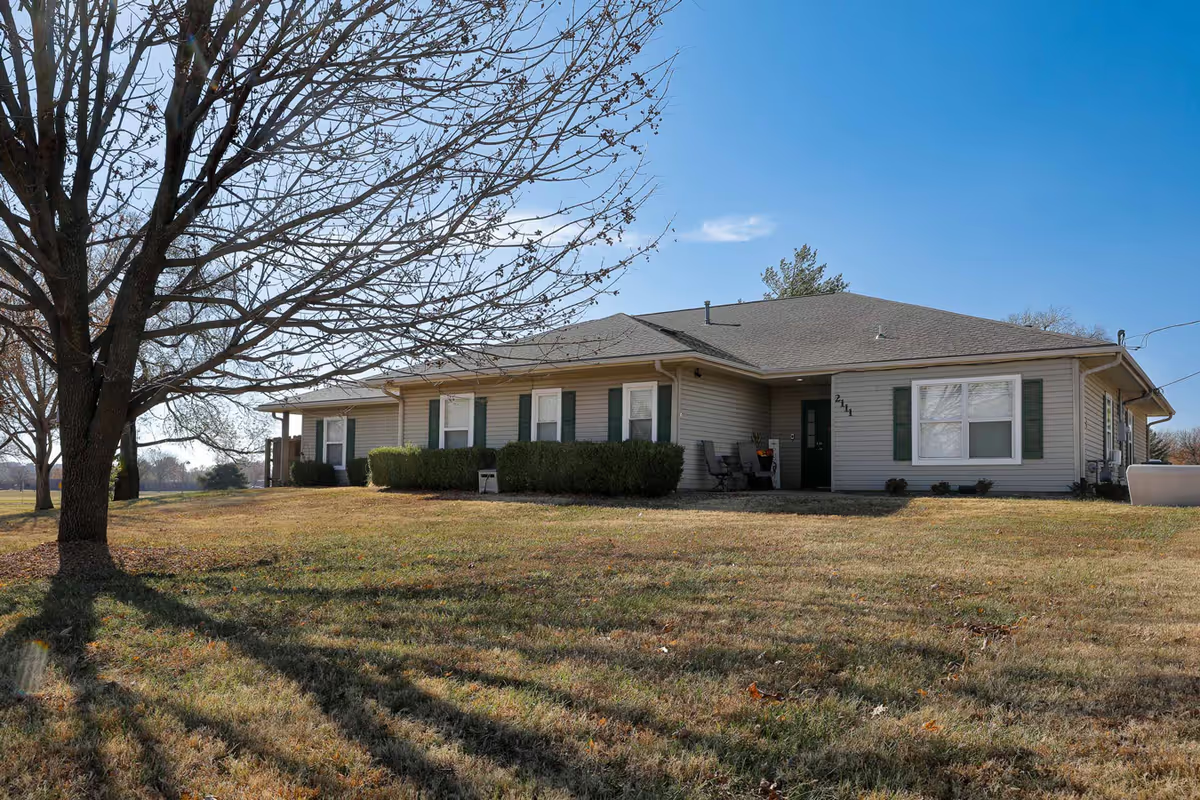
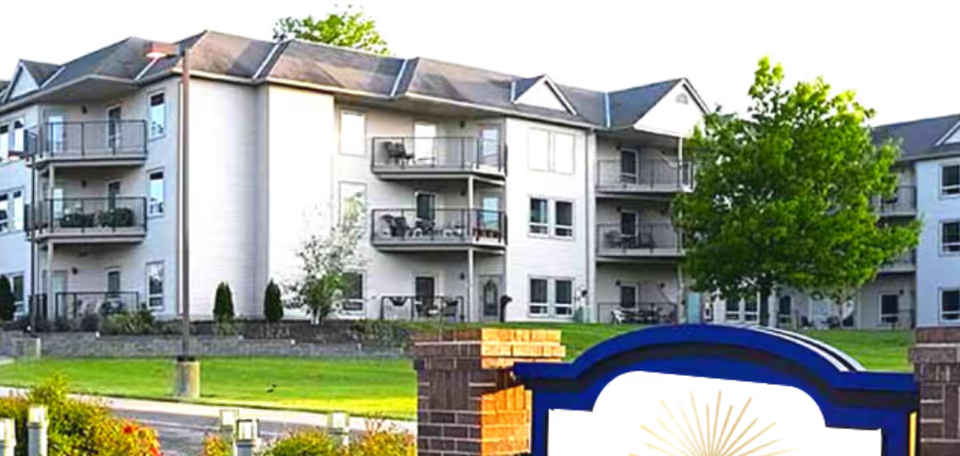
The Gardens at Aldersgate elicits mixed impressions that cluster into distinct strengths and operational concerns. On the positive side, many families and residents highlight a compassionate, courteous caregiving culture and 24/7 clinical attentiveness. Rehabilitation services, particularly occupational and physical therapy, are frequently described as strong, and several accounts credit nursing staff with critical interventions. The community offers a range of on-site services—podiatry, a beauty salon, transportation to medical appointments, laundry, reserved dining seating, and private rooms with en suite bathrooms—which support independent living and convenience. Social programming appears robust, with daily activities and monthly events noted as meaningful engagement opportunities. Other practical positives include affordable pricing with insurance support options, comfortable rooms and beds, and consistent entrance-screening practices that some reviewers viewed as enhancing safety.
Counterbalancing these strengths are recurring operational weaknesses that prospective residents should evaluate. A recurring theme is inconsistent direct-care quality across shifts, with concerns about medication administration, timeliness of attending to toileting and comfort needs, and occasional lapses in nutrition and warmth. Several comments indicate reliance on agency or travel staff, which families associate with uneven continuity of care. Environmental and maintenance issues were raised—worn carpeting, malfunctioning window shades, corroded fixtures, and irregular housekeeping/linen handling—that reduce the overall appearance and functionality of some areas. Call-system accessibility and slow response times were also noted as practical impediments to timely care.
Communication and management patterns emerged as additional areas of concern. Multiple accounts describe difficulty reaching administration, inconsistent explanations about care decisions, and lapses in personal-property handling (including laundry errors). There are also concerns about staff conduct and professionalism, including privacy and records-handling weaknesses; one or more reviews contain allegations of supervisory misconduct that families believed warranted investigation. These are serious governance and culture issues that affect trust and should be clarified with facility leadership.
For families considering this community, the pattern suggests that outcomes depend in part on unit-level staffing and leadership. Strengths to verify during a visit include the quality and scheduling of rehabilitation services, availability of on-site medical/personal services, and the vibrancy of activity programming. Areas to probe include medication administration protocols, staff continuity (ratio of permanent to agency staff), incontinence- and nutrition-care procedures, maintenance schedules, linen and laundry controls, call-system functionality, privacy safeguards, and the process for escalating and resolving complaints. Asking for recent inspection results, incident logs, and references from current resident families can help evaluate whether operational concerns are being actively addressed. Overall, the facility offers a number of valuable services and a supportive community in many units, but prospective residents should perform focused due diligence on clinical consistency, environmental upkeep, and management responsiveness before committing.