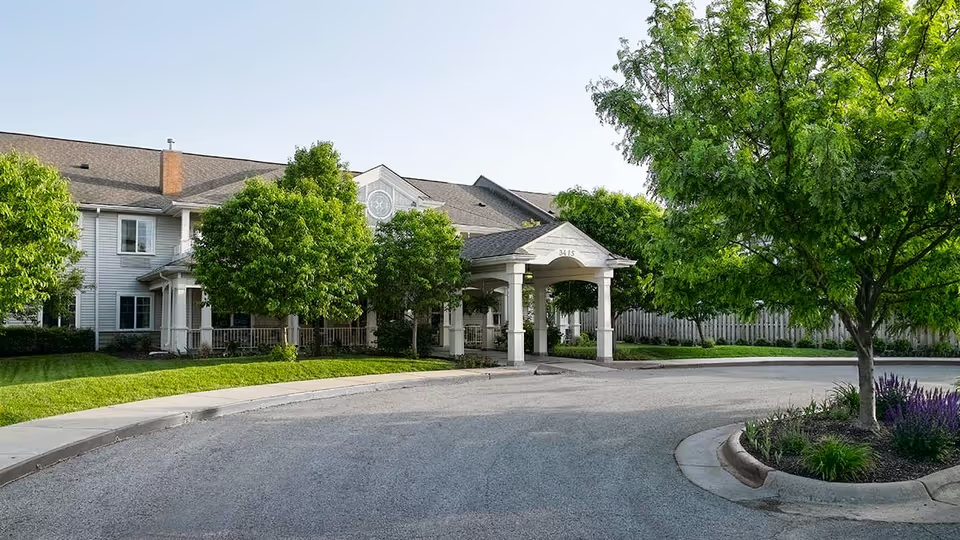
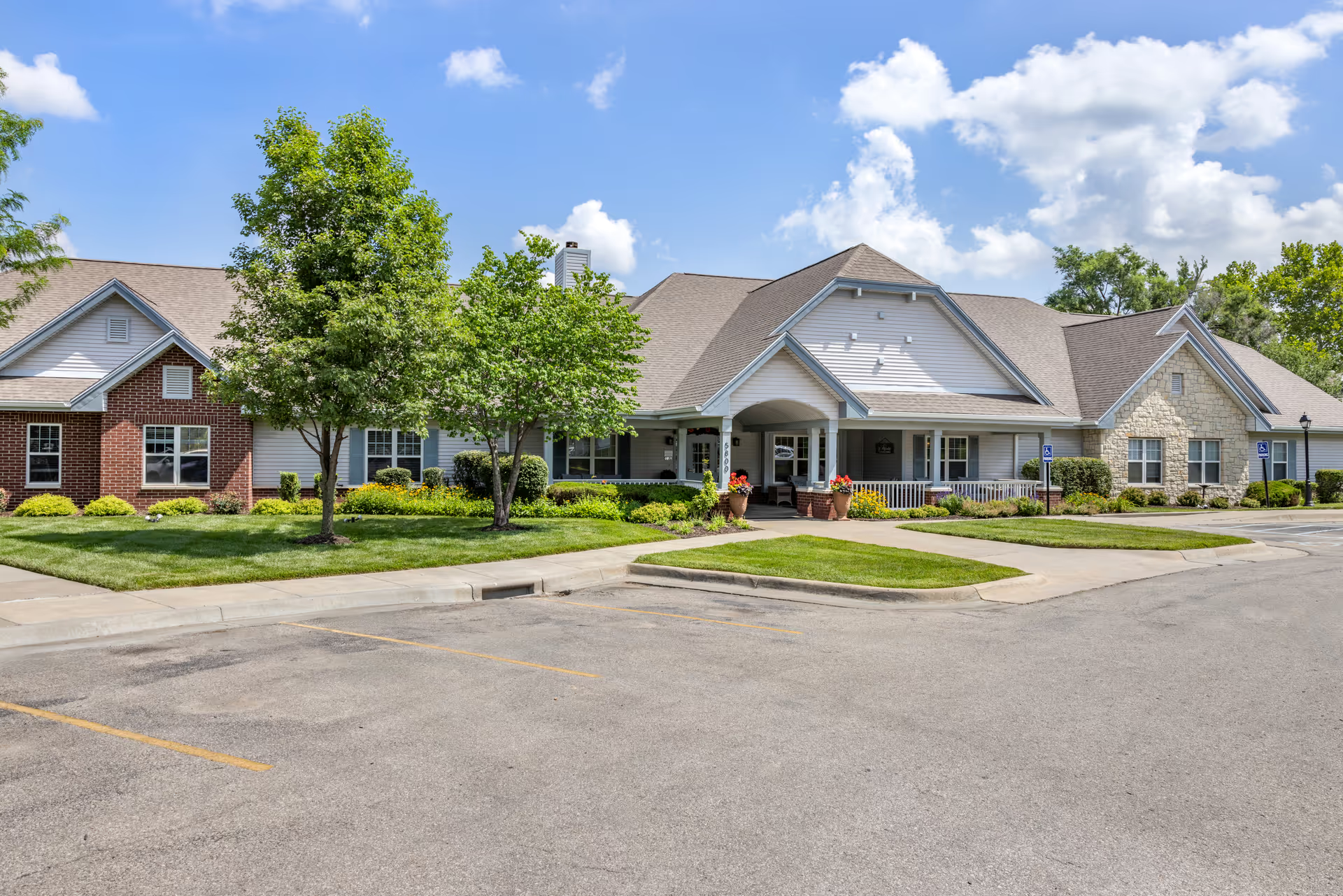
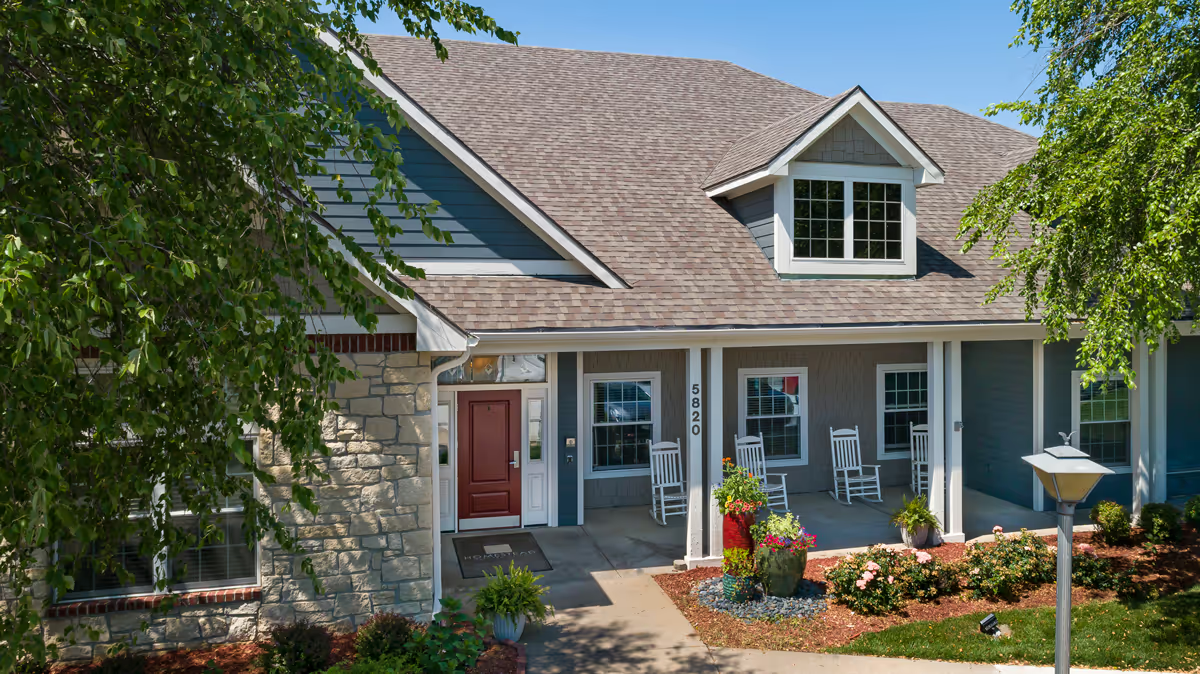
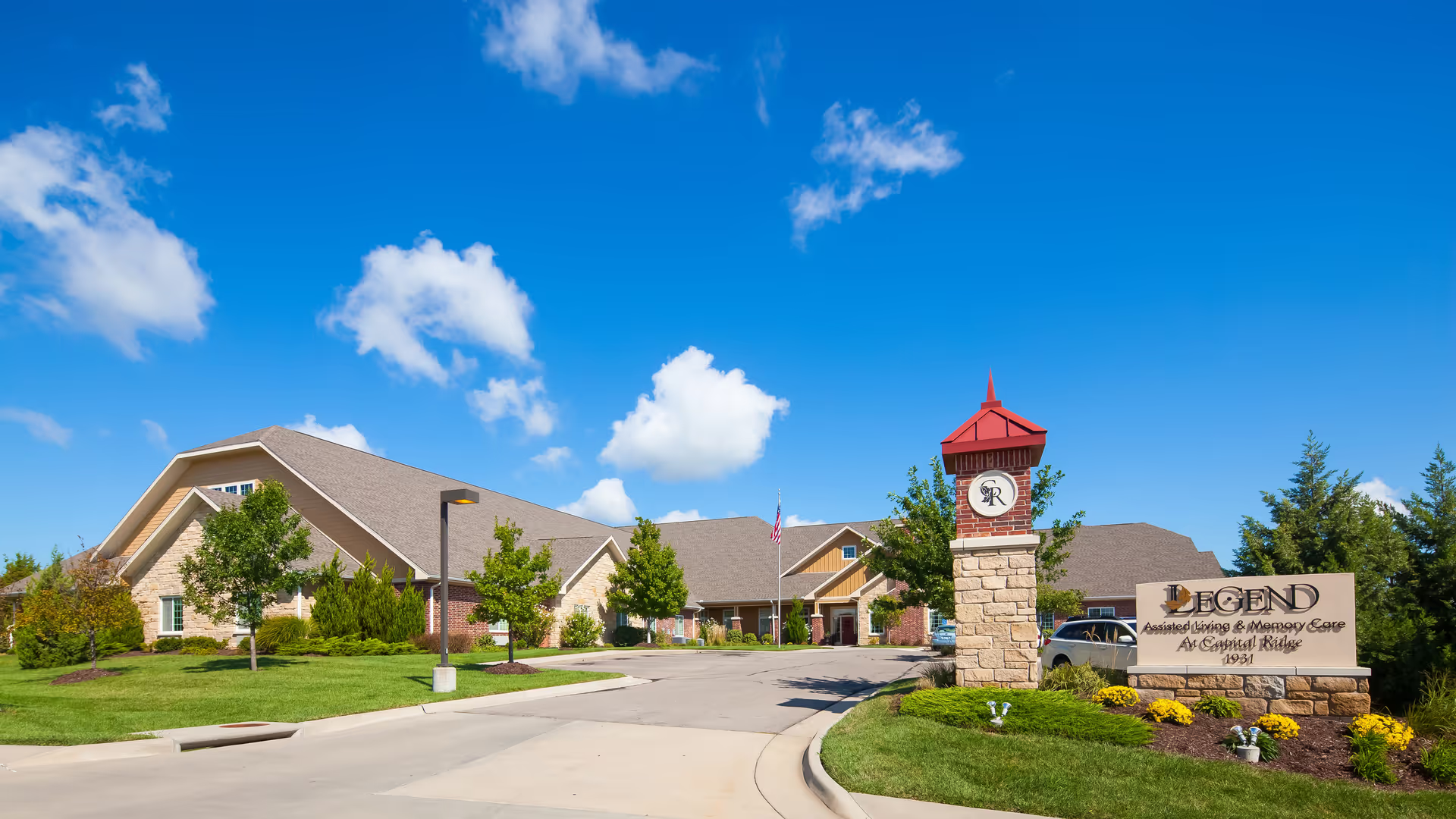
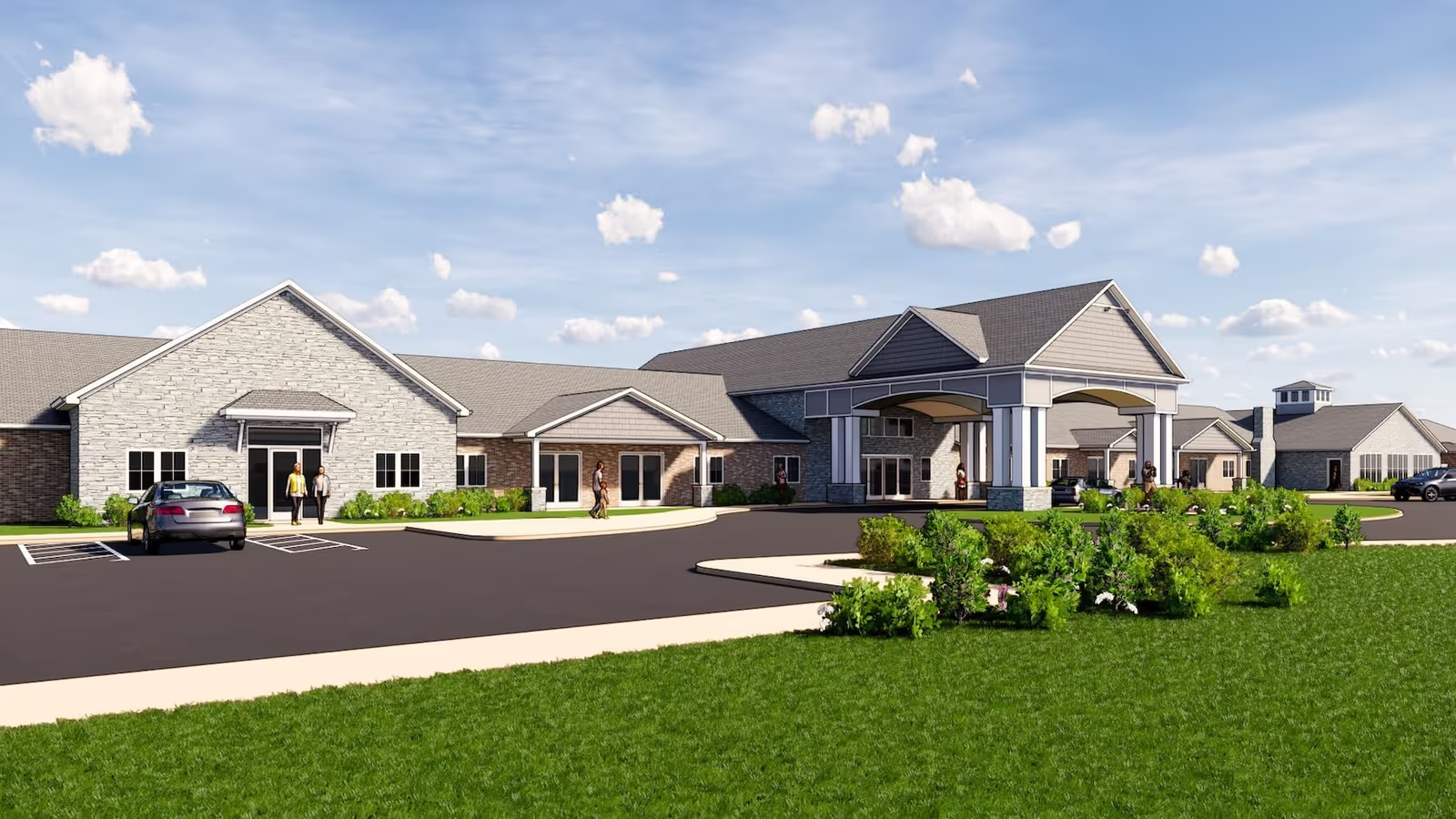
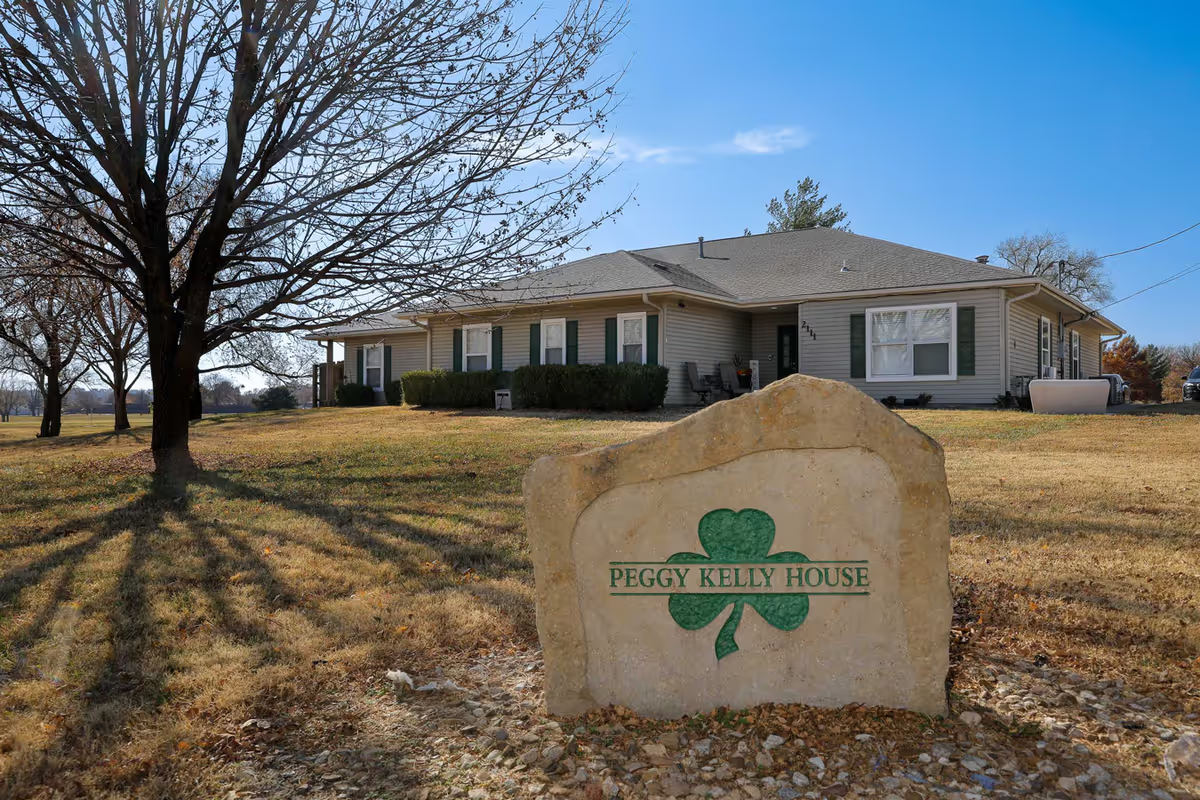
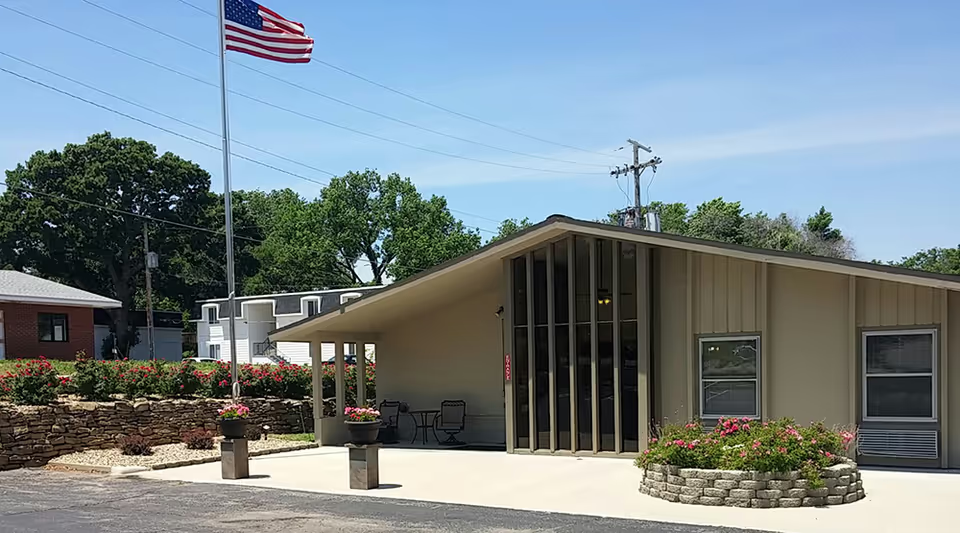
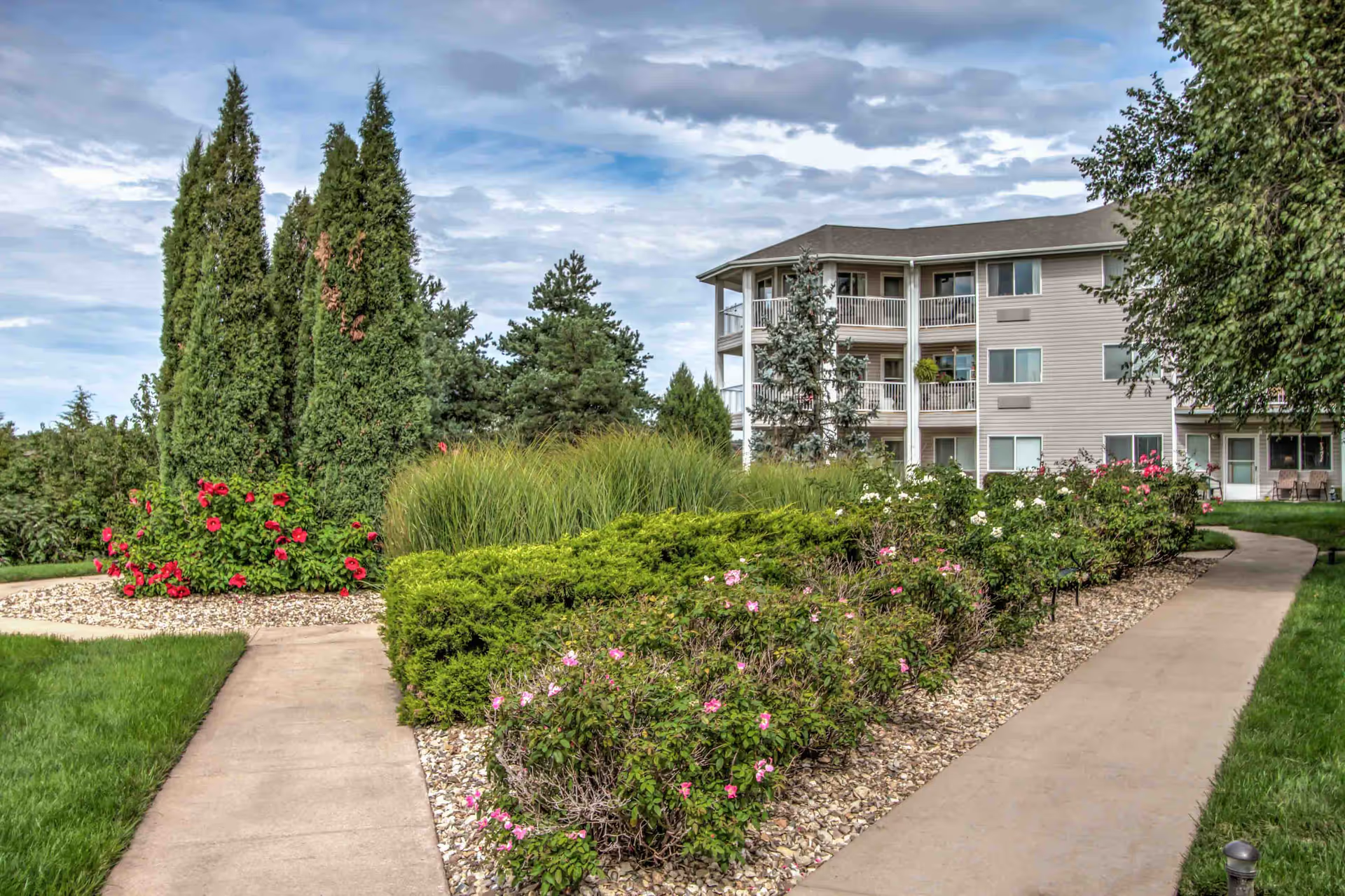
Topeka Presbyterian Manor presents as a larger, multi-level senior living community offering independent living, assisted living, and skilled nursing care. Reviewers commonly note a welcoming, well-kept campus with outdoor amenities (pond, landscaped grounds) and a mix of updated and older building sections. Independent apartments are described as spacious with patios and ample closet space; assisted living units are smaller and sometimes include shared kitchenettes. The facility offers on-site therapy spaces and a workout/therapy gym, and many families praised the physical-therapy staff and rehabilitation services.
Staff and daily care receive mixed but often positive comments. Numerous reviewers describe warm, friendly, and attentive staff who engage residents in conversation and activities; move-in support and admission logistics are frequently characterized as helpful and timely. At the same time, there are repeated operational concerns about inconsistent responsiveness from nursing personnel and gaps in medication management and clinical escalation. Several families described delays in addressing clinical changes or arranging transfers, and these individual accounts point to a broader pattern of variable clinical follow-through and communication timeliness.
Dining and activities are commonly cited as strengths. The community supports a variety of social offerings — card games, TV viewing groups, organized art events, animal-video engagement, and other activities — and many residents appear socially engaged. Meals are often praised for quality and presentation, and the dining room is spacious, but menu satisfaction is inconsistent across reports; some families expect improvements tied to food-service leadership changes.
Facility condition and operations show contrasts. Parts of the campus are well-maintained and pleasantly appointed, with covered parking and sizable dining spaces, while other areas reflect aging infrastructure and maintenance challenges (including plumbing incidents and unit flooding). Sanitation and cleanup response delays are a recurring operational concern in a small number of accounts. Staffing levels and continuity are also cited as an issue, with some reviewers describing understaffing or service delays that affect resident experience.
Management and financial practices elicit differing impressions. Responsive management and good communication are noted in several accounts when problems arise, but other families expressed frustration about billing transparency, questions about financial communications, and an organizational emphasis on revenue that affected their perception of care priorities. Visitation policies have been described as rigid in some instances, and the facility’s approach to couple accommodation limits the ability of spouses to remain together in different care levels.
For prospective residents and families: Topeka Presbyterian Manor appears to offer a broad continuum of services, robust therapy options, an active activity schedule, and many staff who are described as caring and personable. Important due diligence topics to explore on a visit include current staffing ratios, medication-administration and escalation protocols, sanitation and incident-response procedures, couple-cohousing options, recent maintenance fixes, food-service plans, and billing transparency. Asking for recent quality metrics, recent inspection or incident follow-up, and references from current families will help clarify whether the community’s strengths align with an individual’s priorities and clinical needs.