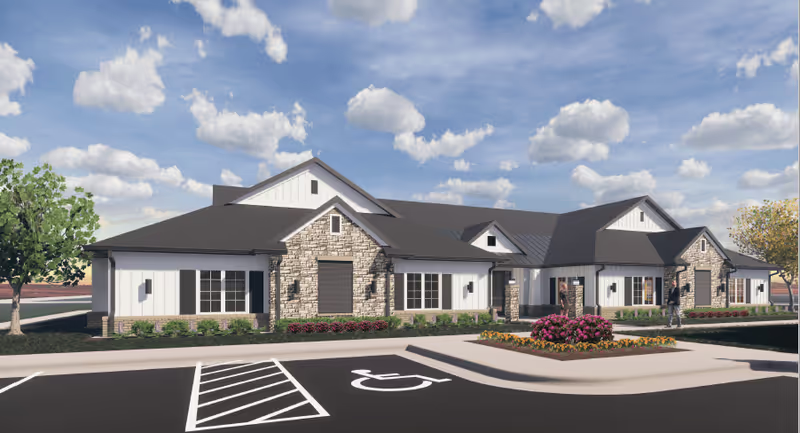
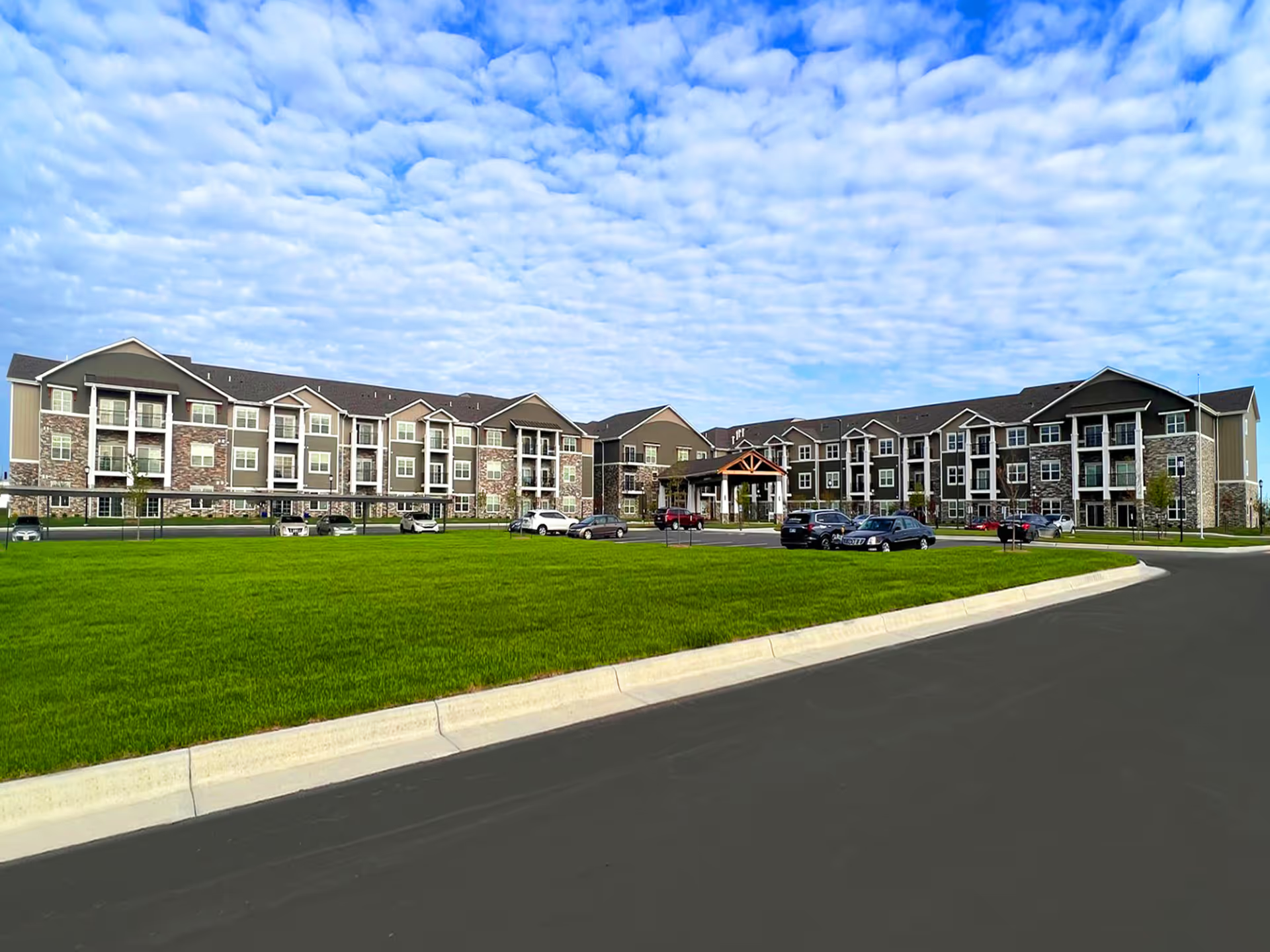
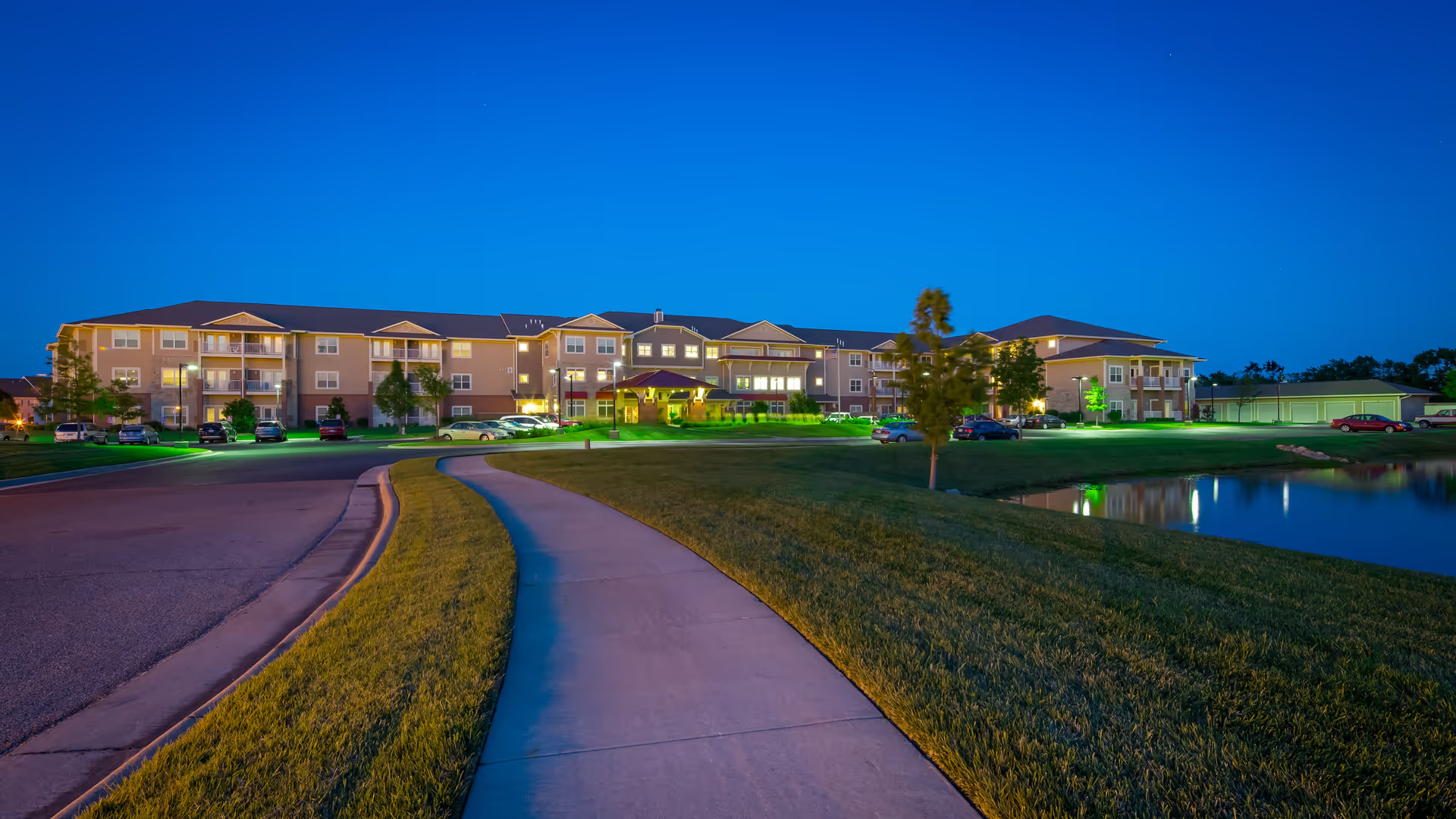
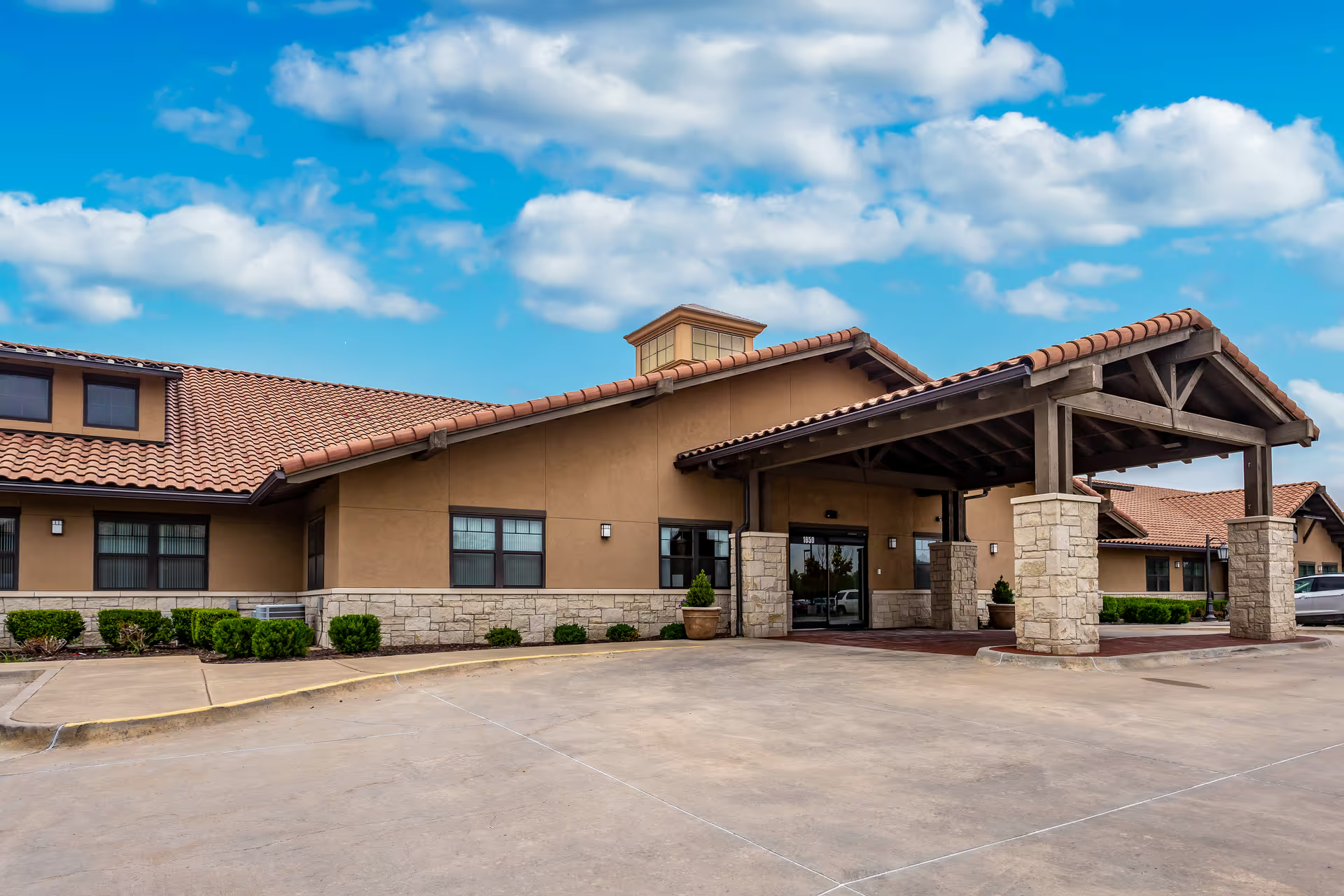
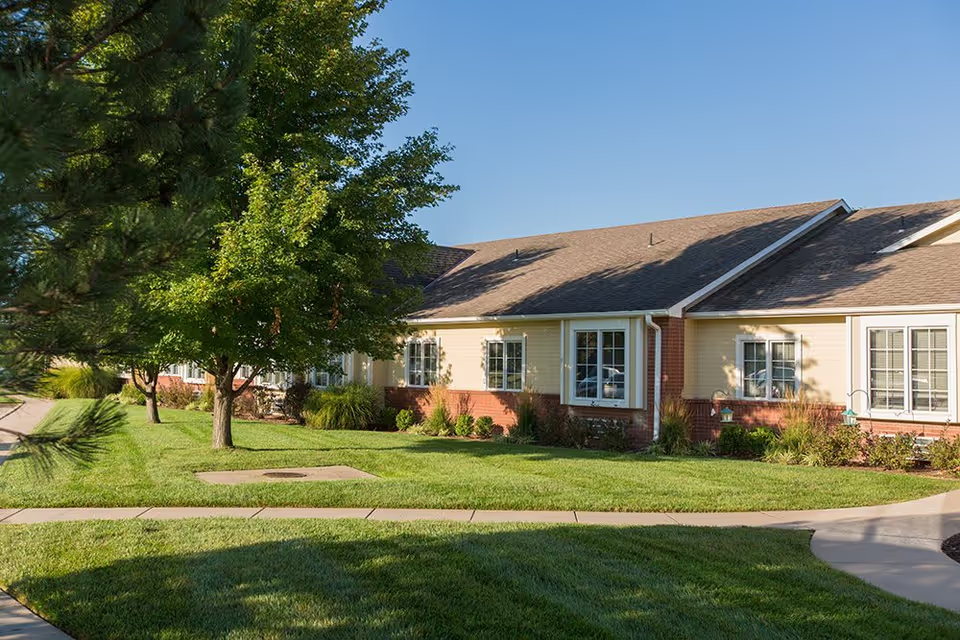
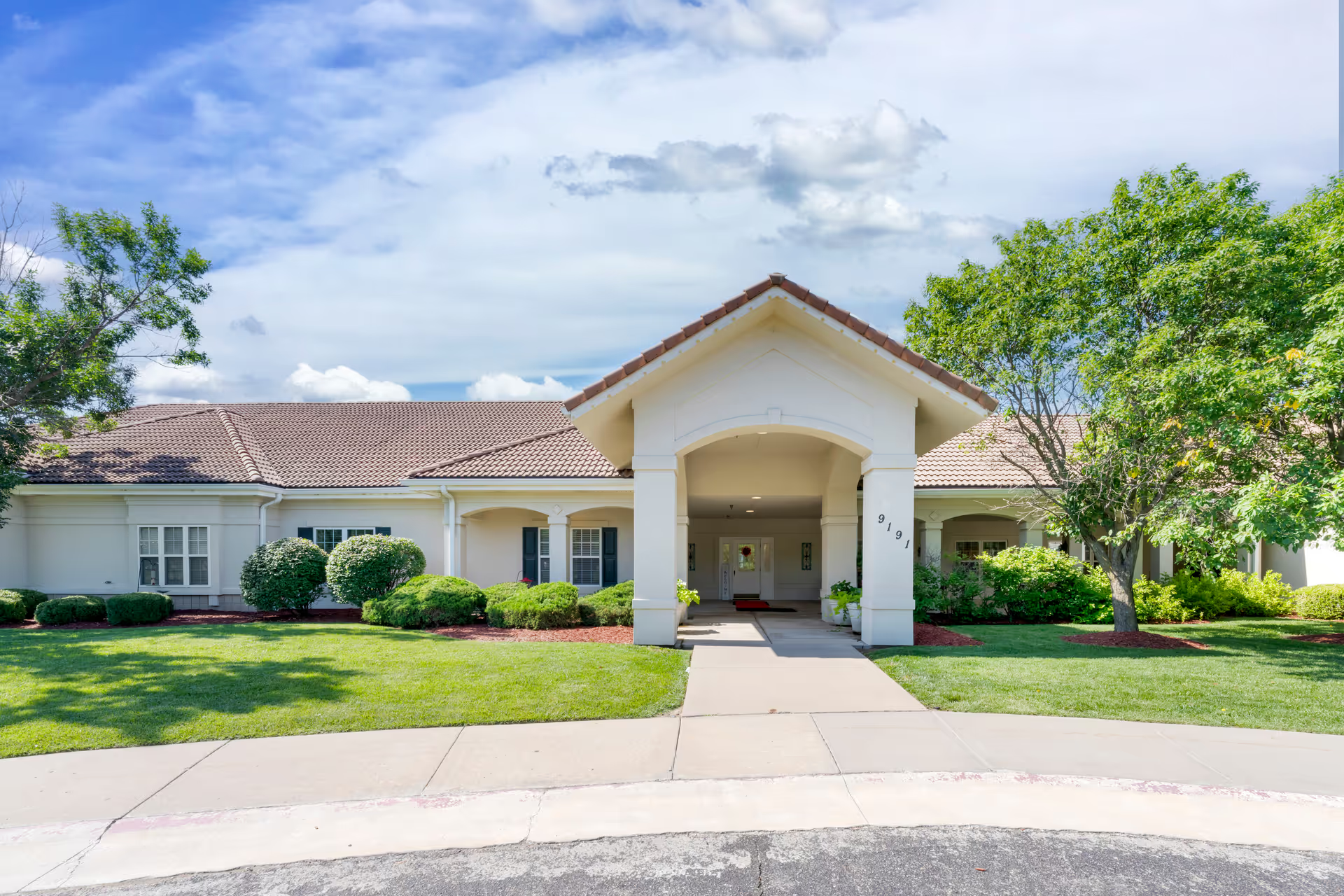
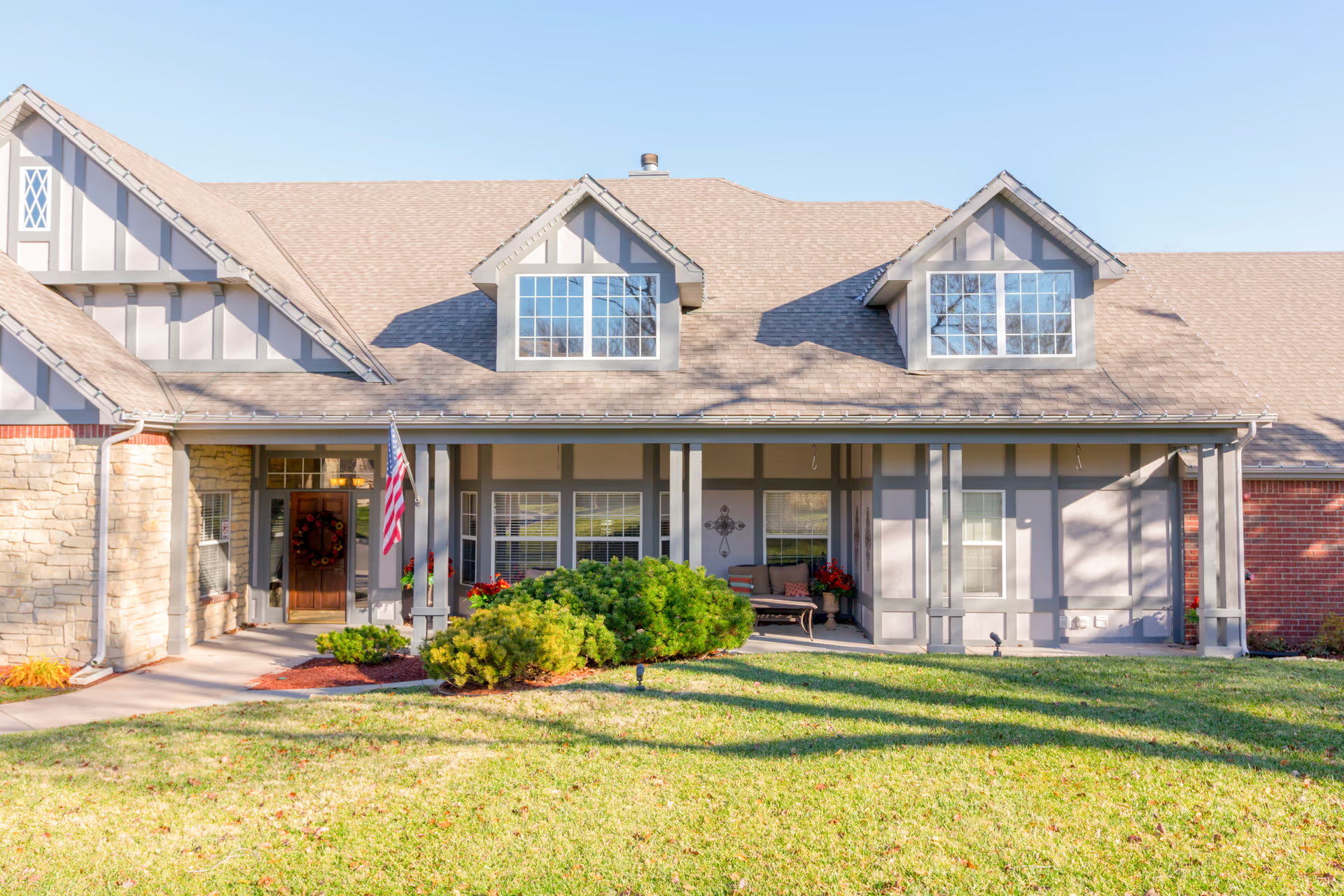
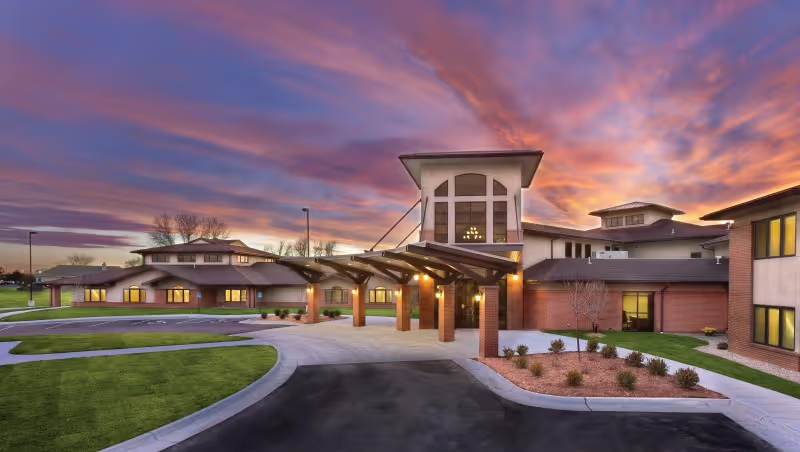
Reeds Cove Health and Rehabilitation presents a strongly mixed profile across family and patient accounts. Many reviews highlight the facility’s strengths as a modern, well-kept rehabilitation center with private rooms, attractive common areas and accessible grounds. Physical, occupational and speech therapy services receive consistent praise for being effective and goal-focused, and numerous families credit therapy staff with measurable functional improvements. Dining is frequently described as better-than-average, with meal customization and vegetarian options noted, and on-site services such as a beauty shop add convenience for longer stays.
Clinical and direct-care staff are a clear asset in many accounts. Reviewers commonly describe nurses and aides as compassionate, attentive and communicative; anecdotes reference individual staff members who provided exceptional, patient-centered support and dignified end-of-life care. Activity programming—including dementia- and Parkinson-focused groups and community outings—appears established and contributes to a family-like atmosphere for many residents.
At the same time, a set of recurring operational weaknesses emerges. Several reviewers described inconsistent staffing coverage (notably evenings and weekends), slow responses to nurse-call requests, and gaps in medication administration or follow-up. A smaller but serious subset of accounts raised clinical-safety concerns related to wound care and infection prevention that led to hospitalization for some residents; these comments suggest variability in adherence to physician orders and clinical protocols. Management and communication are additional pain points: families reported unclear points of contact, delayed director follow-up, and inconsistent discharge or post-discharge planning.
Administrative and systems issues also appear periodically. Reviewers cited billing or therapy-charge discrepancies, training shortfalls linked to temporary or agency staff, and at least one allegation of theft that required police involvement. Meal service quality was generally praised, though a number of families noted occasional problems with meal temperature or timeliness. Infection-control practices and screening were described as conscientious by some and inconsistent by others, indicating uneven application of protocols.
Taken together, the pattern is polarizing: many families had highly positive rehabilitation and caregiving experiences, while a subset encountered meaningful operational and clinical lapses. Prospective residents and families should schedule an in-person visit, ask specific questions about evening and weekend staffing levels, nurse-call systems, wound-care and medication-administration protocols, staff training and turnover, family communication pathways, billing practices, and infection-control measures. Follow-up questions about discharge planning and how the facility handles clinical escalation can help clarify whether the facility’s strengths will meet an individual resident’s needs.