Overall impression: Carmel Manor presents as a largely well-maintained, faith-oriented senior campus with many features families value: recent renovations, attractive river views and outdoor spaces, accessible building connections, and an activities program that includes faith services such as Daily Mass. The campus offers a wide range of services — on-site clinical providers, medication management, housekeeping, laundry, maintenance, hospice and residential care — and accepts Medicare and Medicaid, which can be important for families evaluating options.
Care and staff: A substantial number of comments praise the caregiving team as compassionate, respectful, and attentive. Reviewers frequently note staff who know residents by name, go out of their way to assist families, and maintain dignity in day-to-day care. At the same time, there is a consistent pattern of variability: staffing shortages, particularly reliance on agency staff, recurring after-hours delays in assistance, and limits in clinical scope when LPNs are the primary hands-on staff. Several reviewers raised serious concerns about care outcomes and incident handling; these accounts, including mentions of health-department involvement, suggest families should review incident-reporting procedures and recent inspection records during a tour.
Dining and nutrition: Reports about food are mixed. Some families commend improved menus and satisfying meals, while others describe inconsistent quality, incomplete meal trays, and failure to follow prescribed dietary consistencies. Meal-service continuity and adherence to individualized dietary instructions appear to be areas with uneven performance.
Activities and memory care: The activities department receives positive remarks for engagement and compassion, and faith-based programming is a clear strength for residents who value it. However, there are recurring comments that the memory-care program can be variable in supervision and stimulation, indicating a need for more consistent, targeted programming and oversight in that unit.
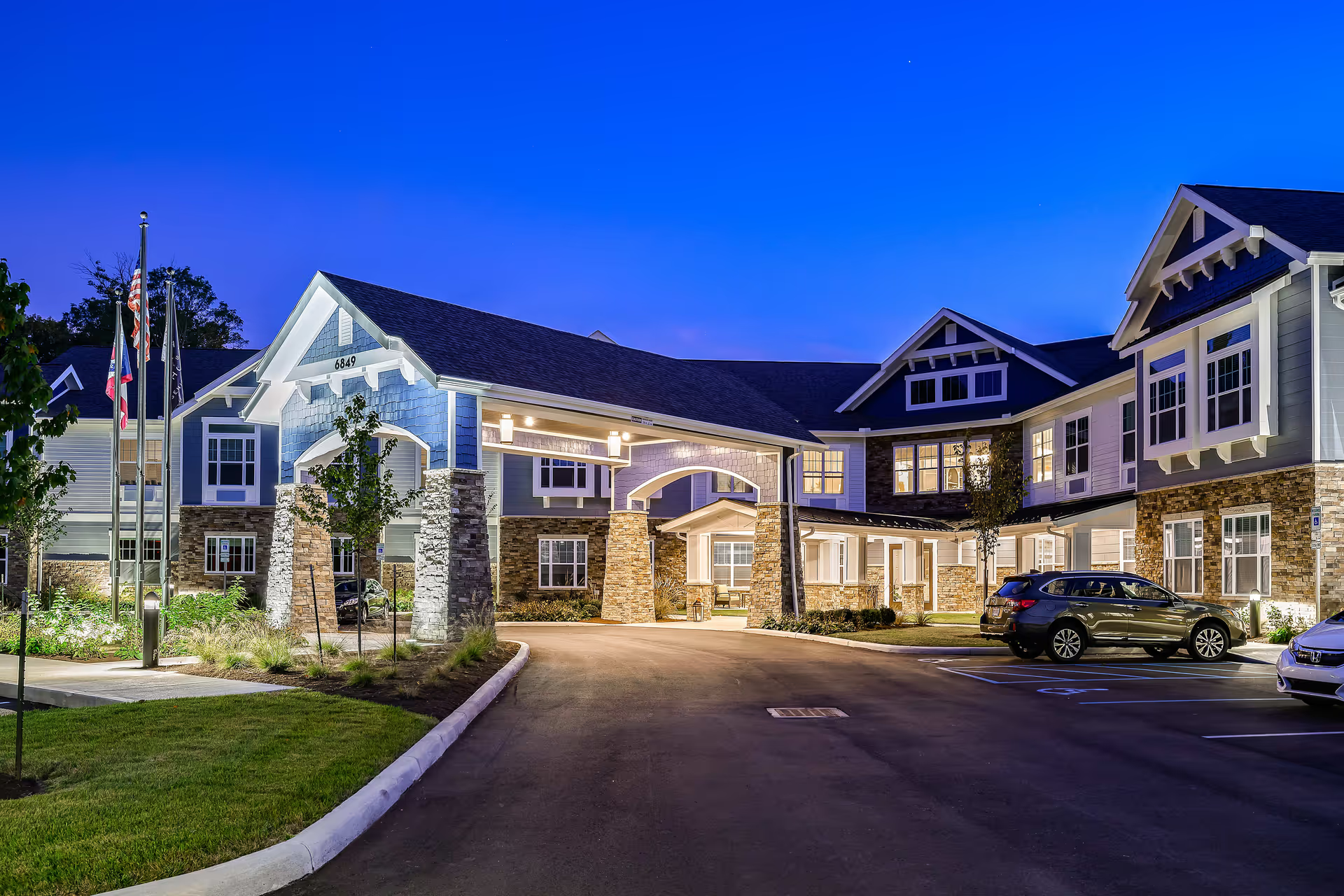
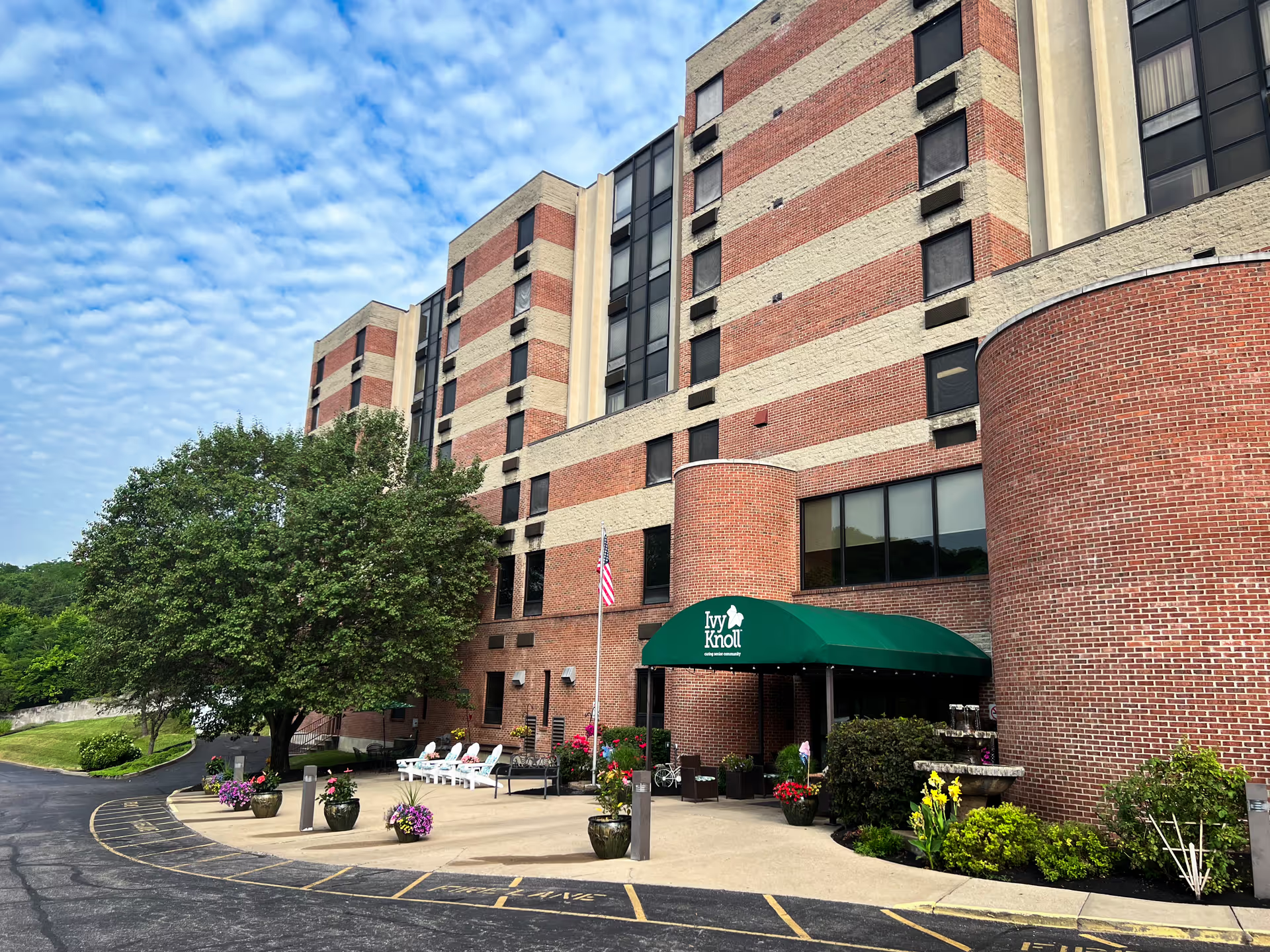
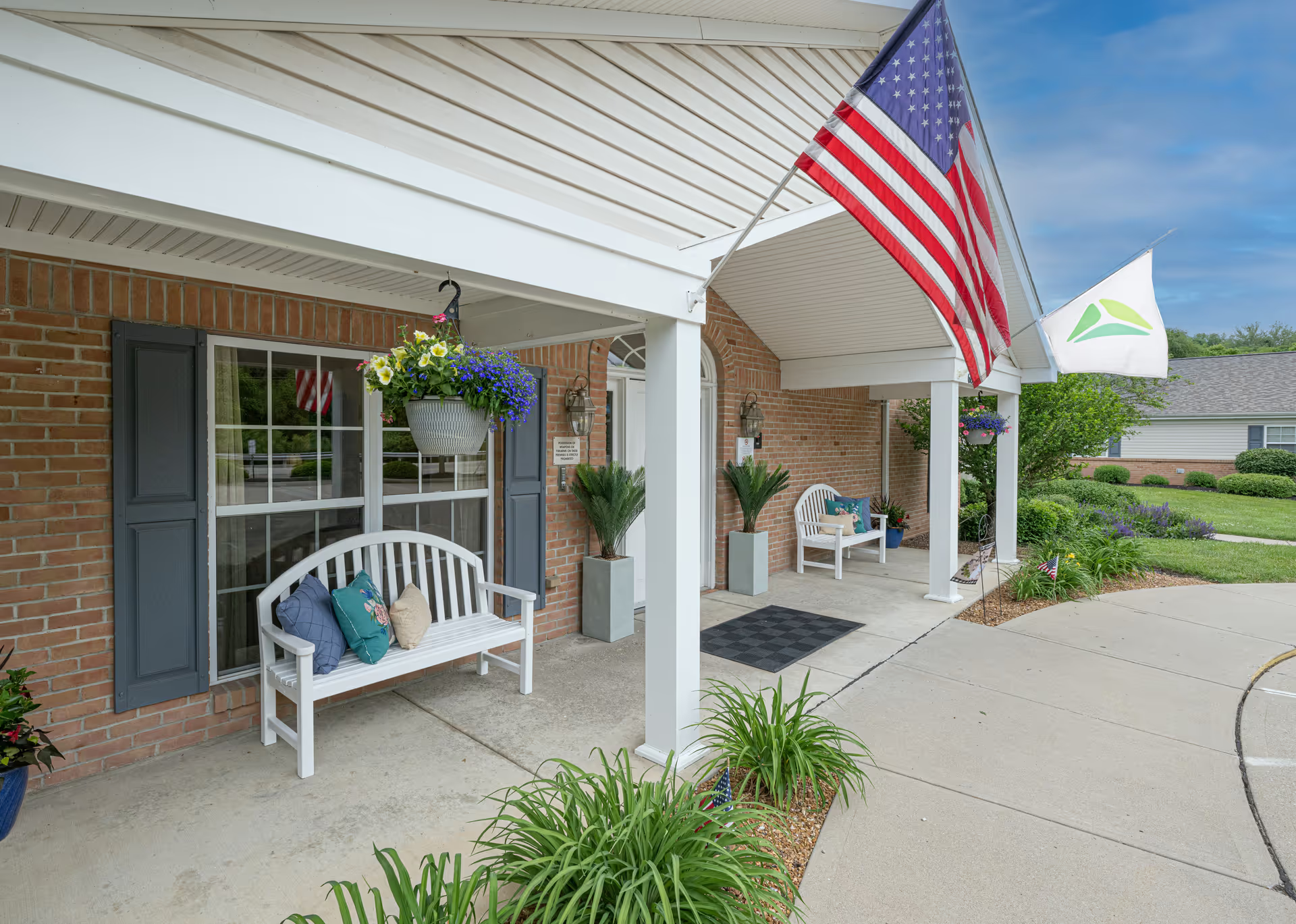
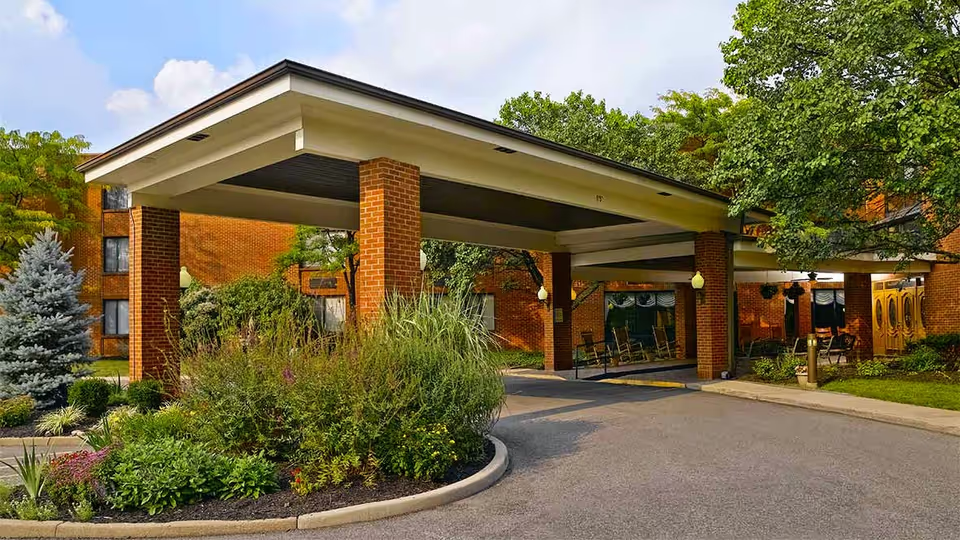
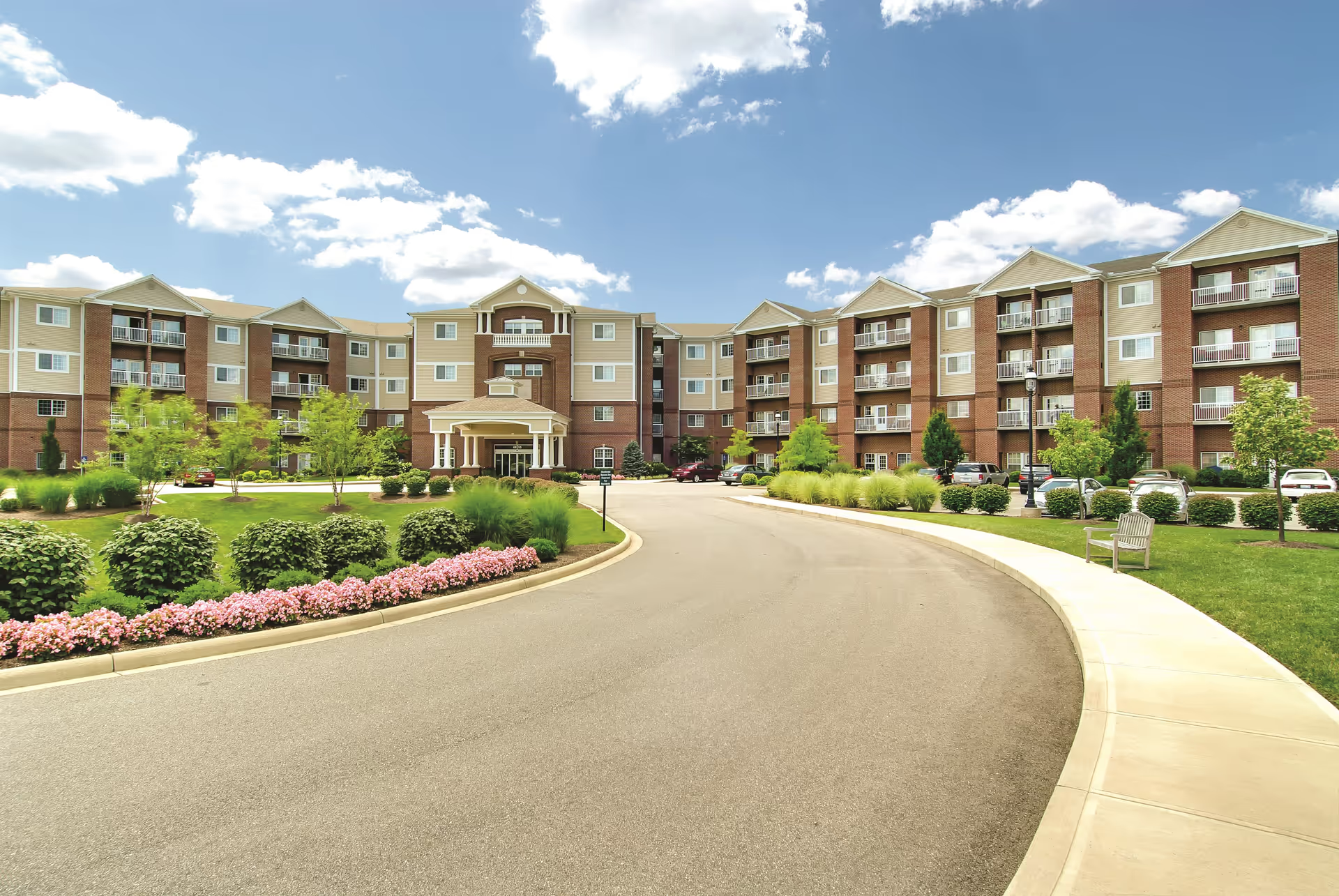
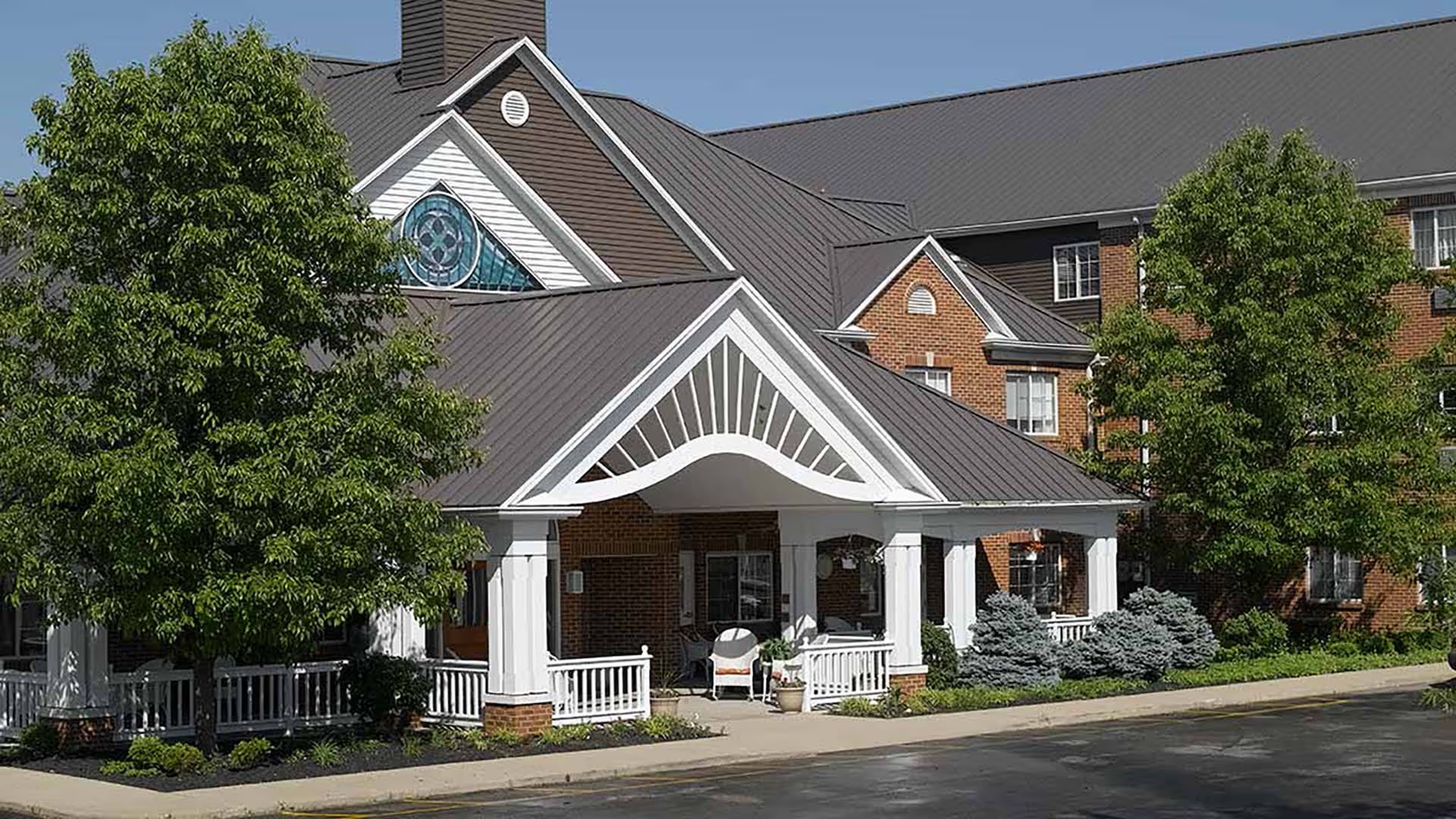
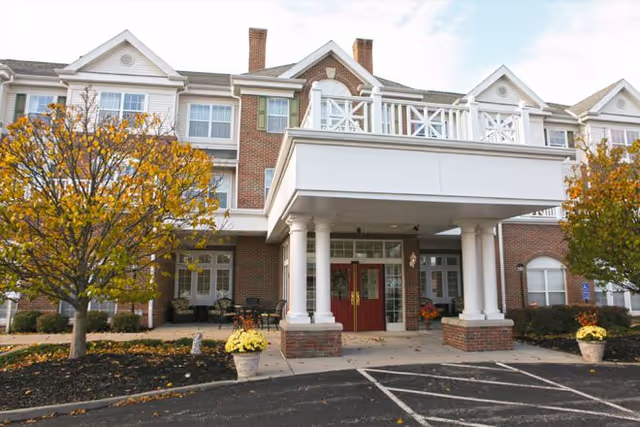
Facilities and amenities: Physically the facility scores well: clean common areas, renovated interiors, attractive landscaping, river views, covered pedestrian connections, and wheelchair-accessible entries. Room sizes and cost were mentioned as trade-offs by some families — rooms are described as pleasant but sometimes small, and pricing is perceived as high by a subset of reviewers.
Management and operations: Reviewers describe a mix of improvements under recent leadership and ongoing administrative concerns. Positive notes include efforts to improve appearance, food, and staff ratios. Conversely, recurring operational issues appear around management transparency, communication with families, billing irregularities (add-on charges and invoice discrepancies), and payroll or paycheck delays. During infection events (for example, COVID outbreaks) some families reported staffing strain, limited transparency, and concerns about cross-contamination; reviewers advise asking about outbreak protocols and staffing contingency plans.
Notable patterns and guidance for families: Strengths center on compassionate direct-care staff, a faith-focused environment, a well-kept campus, and broad on-site services. Weaknesses cluster around staffing consistency, response times to assistance requests, variability in meal and memory-care delivery, and administrative reliability (billing and payroll). Prospective residents and families would be well advised to: confirm current staffing ratios and use of agency staff for relevant shifts; review recent state inspection and incident records; ask for sample menus and dietary accommodation practices; tour the memory-care unit specifically; and request written explanations of billing practices and payroll stability. These steps will help clarify whether Carmel Manor’s operational realities align with a given family’s priorities and safety expectations.