Experiences at Brookdale Stonestreet vary considerably. Many families describe residents who are comfortable, socially engaged, and well supported, with friendly staff and clean, attractive surroundings. Other accounts raise concerns about consistency in day-to-day care, including medication administration, personal-care support, and response times. A few particularly serious family accounts describe missed medications, unmet personal-care needs, concerns about meal access for residents with substantial support needs, and pest-control conditions. These accounts contrast with positive descriptions of attentive caregivers and nursing staff, so families may want to ask detailed questions about staffing, care routines, and how concerns are tracked and resolved.
Staff members are frequently praised for warmth, patience, and helpfulness, and some families report thoughtful check-ins and strong support during move-in. However, concerns recur about staffing levels, delays in assistance, communication between families and staff, and management follow-through. Some families also describe difficulty reaching leadership or receiving consistent updates. Experiences with responsiveness and communication appear to differ across residents and over time.
Dining is a notable area of mixed feedback. Some residents enjoy the meals, appreciate menu choices, and value the restaurant-style dining room; others describe bland or inconsistent food, limited variety, or meals that do not match their preferences. Families also differ in their views of the dining experience, including meal size and the value of the food relative to the cost.
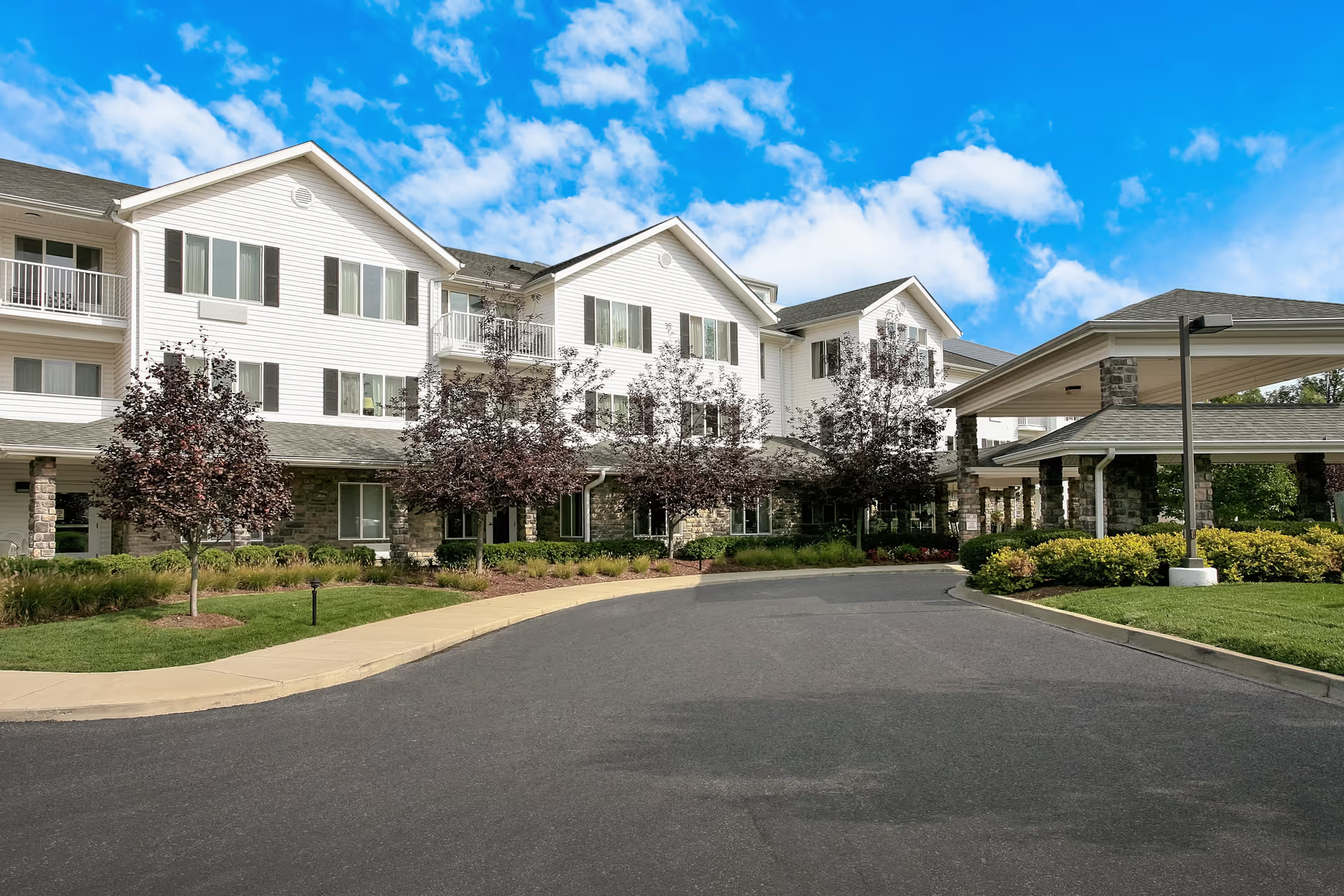
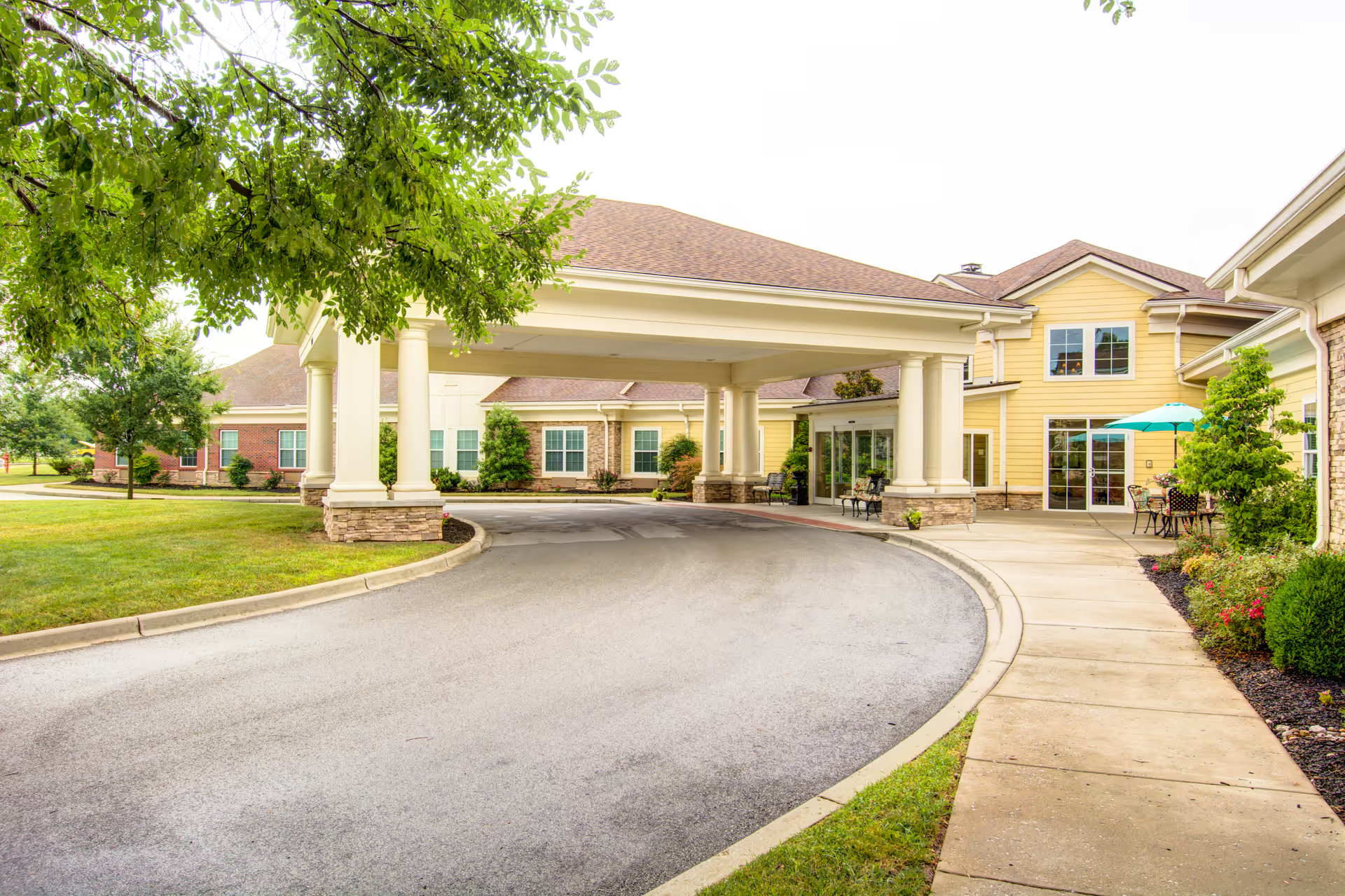
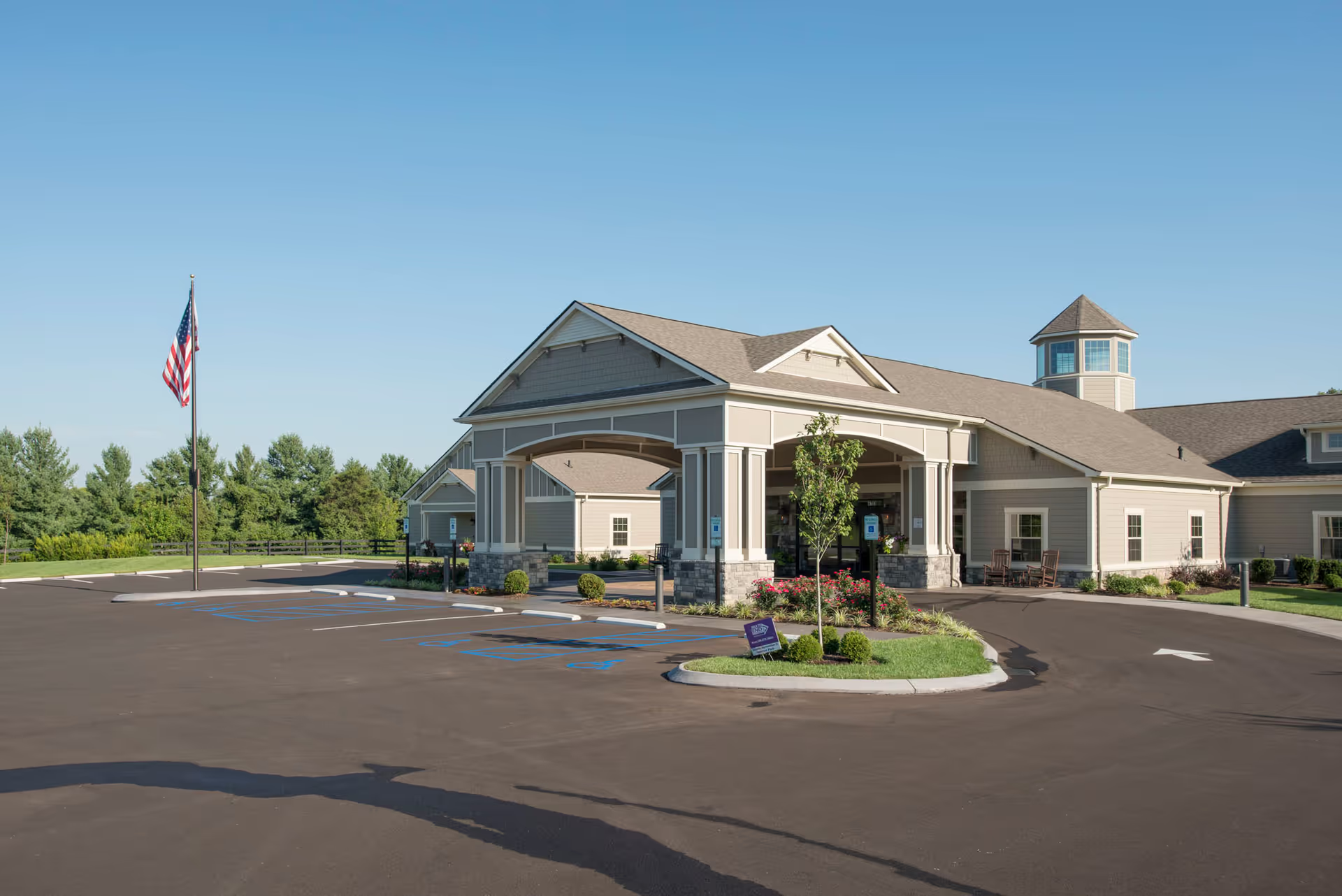
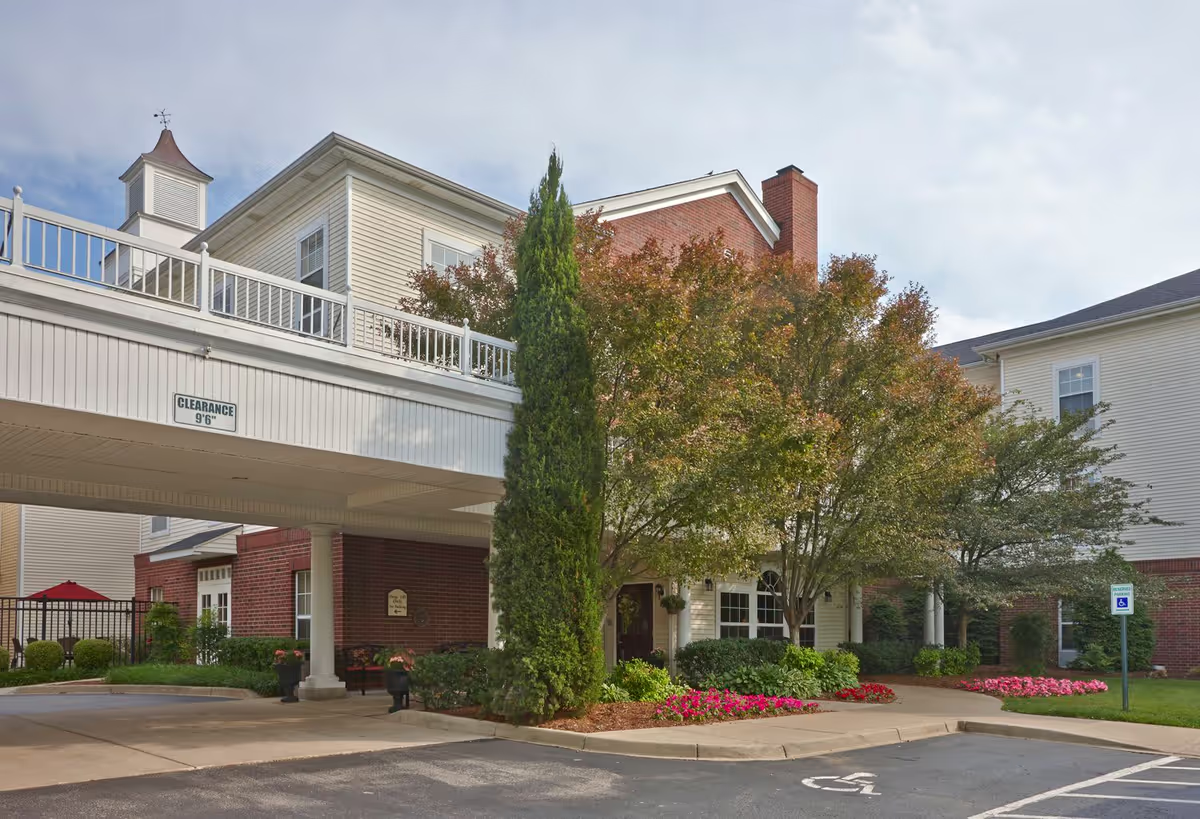
Activities and social opportunities are often viewed positively. Residents may have access to games, movies, music, bingo, outings, shopping trips, and shared gathering areas, and some have formed friendships after moving in. Feedback is less favorable about exercise programming and the fit or variety of activities for particular residents. The setting is commonly described as attractive and peaceful, with wooded surroundings, walking paths, outdoor seating, and inviting common areas. Apartments are often praised for their size and amenities, though a few accounts cite housekeeping or odor-control concerns.
Families should also confirm that the community can meet the prospective resident’s care needs, particularly if those needs include memory care or more intensive support. Pricing and additional service fees are another consideration: some families found the cost reasonable or benefited from promotions, while others questioned fee increases or the value of supplemental services. A tour can provide a useful impression of the setting, but families may also wish to ask specifically about staffing coverage, medication procedures, care-plan communication, meal options, and how the community handles changing care needs.