Experiences at Franciscan Health Care Center vary substantially, and reviews reflect different care settings, including assisted living, short-term rehabilitation, and nursing care. Many residents and families describe kind, attentive staff and a welcoming community, while other accounts raise concerns about responsiveness, clinical follow-through, and day-to-day care. The positive experiences are especially prominent in assisted-living accounts; rehabilitation and nursing-care feedback is more mixed.
Therapy receives strong praise from residents who describe meaningful progress and knowledgeable PT, OT, and speech-therapy teams. Other families report difficulty with scheduling, limited weekend availability, or uncertainty about whether planned therapy was provided. Concerns also include delays in responding to requests, inconsistent monitoring and personal care, and gaps in medication, wound, and pain-management follow-through. One particularly serious account raised concerns following a resident's death, including monitoring and fall-prevention practices; the reviewer stated that legal action had been pursued. These claims are individual accounts, but they underscore the importance of asking about staffing coverage, observation routines, escalation procedures, and care-plan oversight.
Staff and communication are similarly variable. Numerous families praise staff for being warm, helpful, and familiar with residents, and some identify social-services or admissions staff as especially responsive. Other accounts describe discourteous interactions, limited management availability, delayed answers to family questions, and communication problems around hospital transfers, discharge arrangements, or infection notices. Families considering the facility may want to clarify who provides updates, how urgent concerns are escalated, and how belongings and room arrangements are handled during hospital stays.
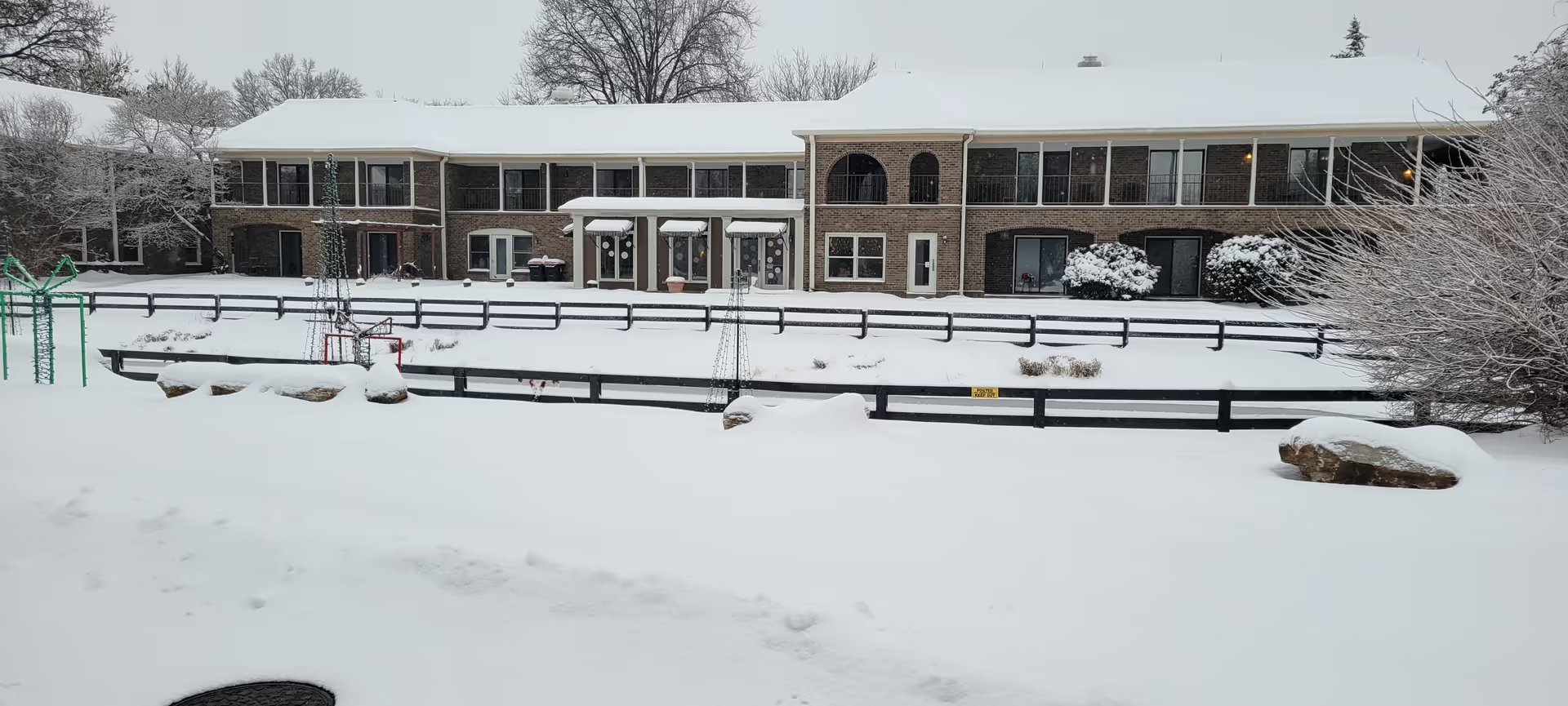
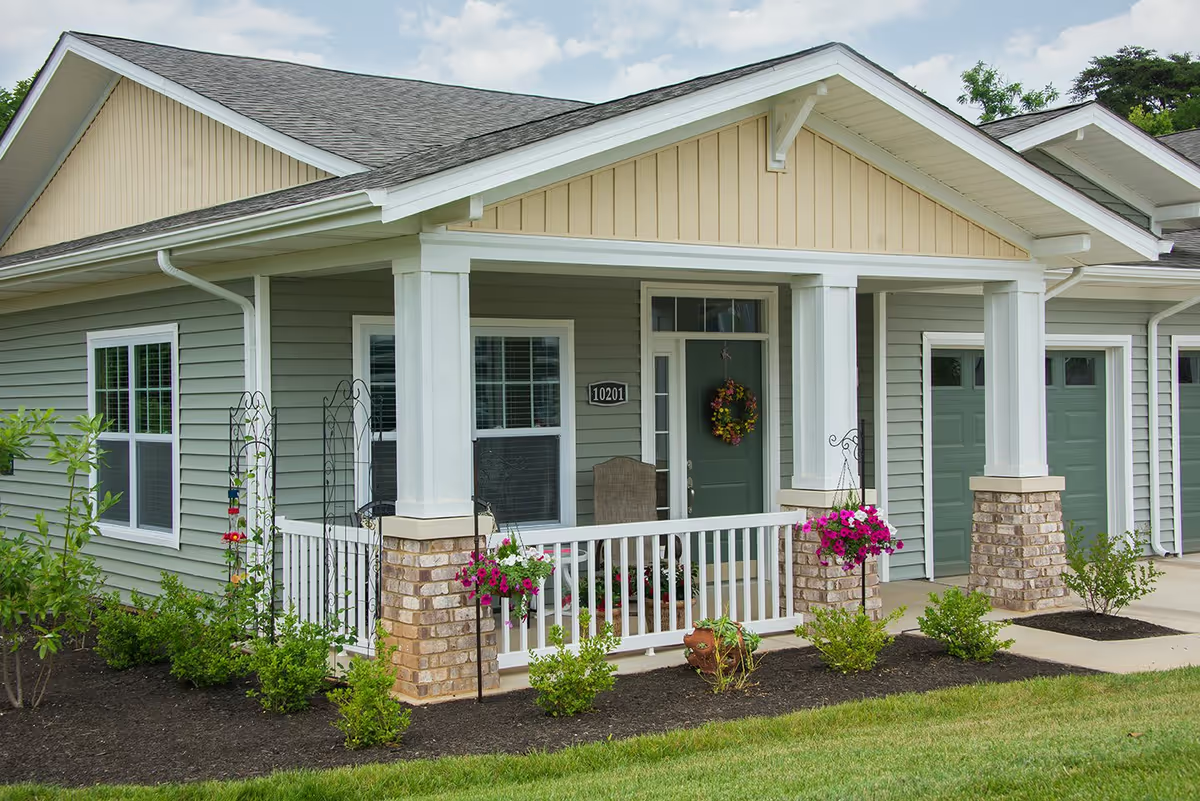
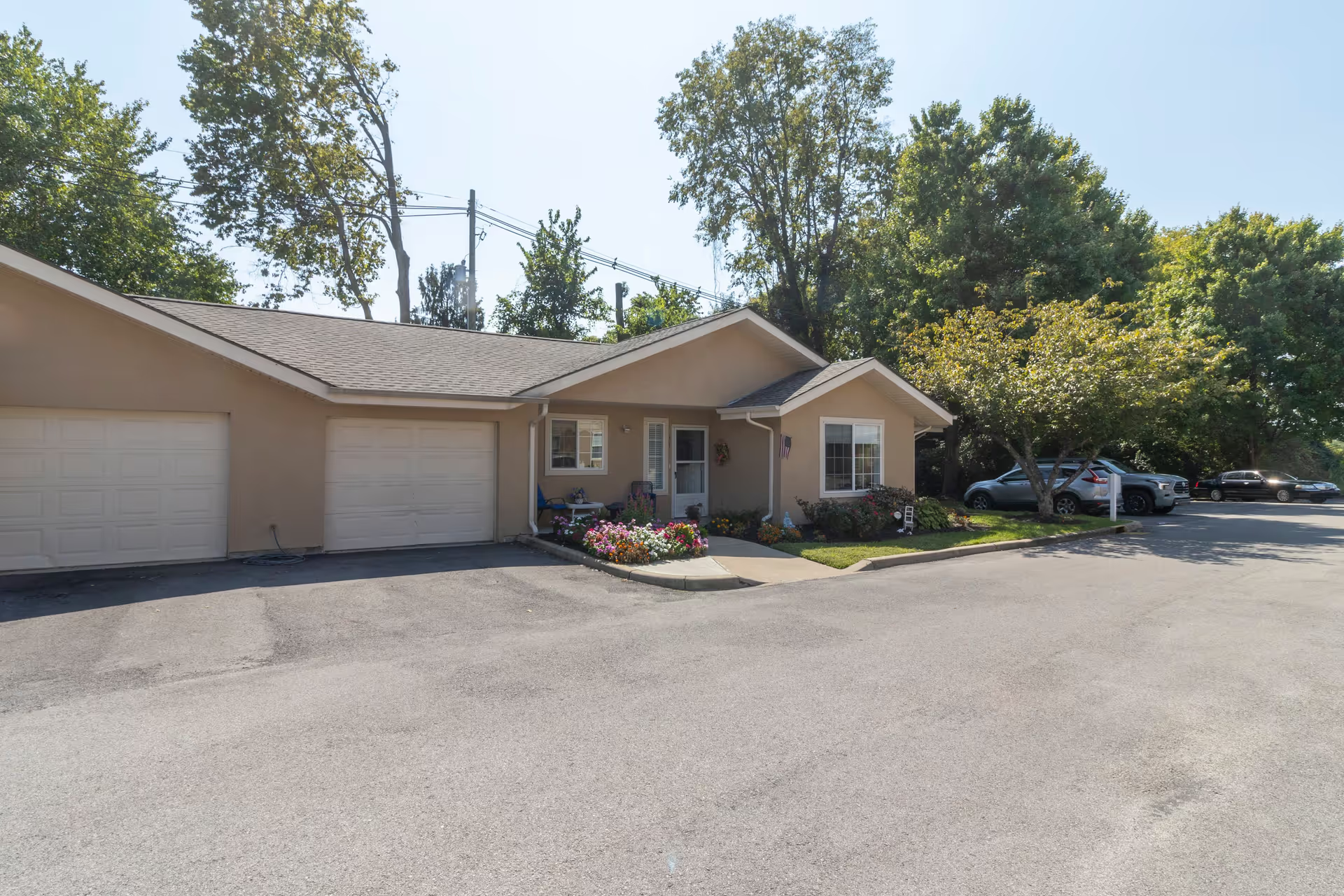
Dining feedback ranges from positive comments about meals and family brunches to criticism of bland or inconsistent food, missed or delayed trays, and meals that did not reflect dietary restrictions. Activities are a recurring strength: reviews mention bingo, live music, crafts, worship, exercise, cooking activities, and family gatherings. Assisted-living residents and families also value the apartment layouts, pet-friendly policies, outdoor areas, and the option to access higher levels of care within the community.
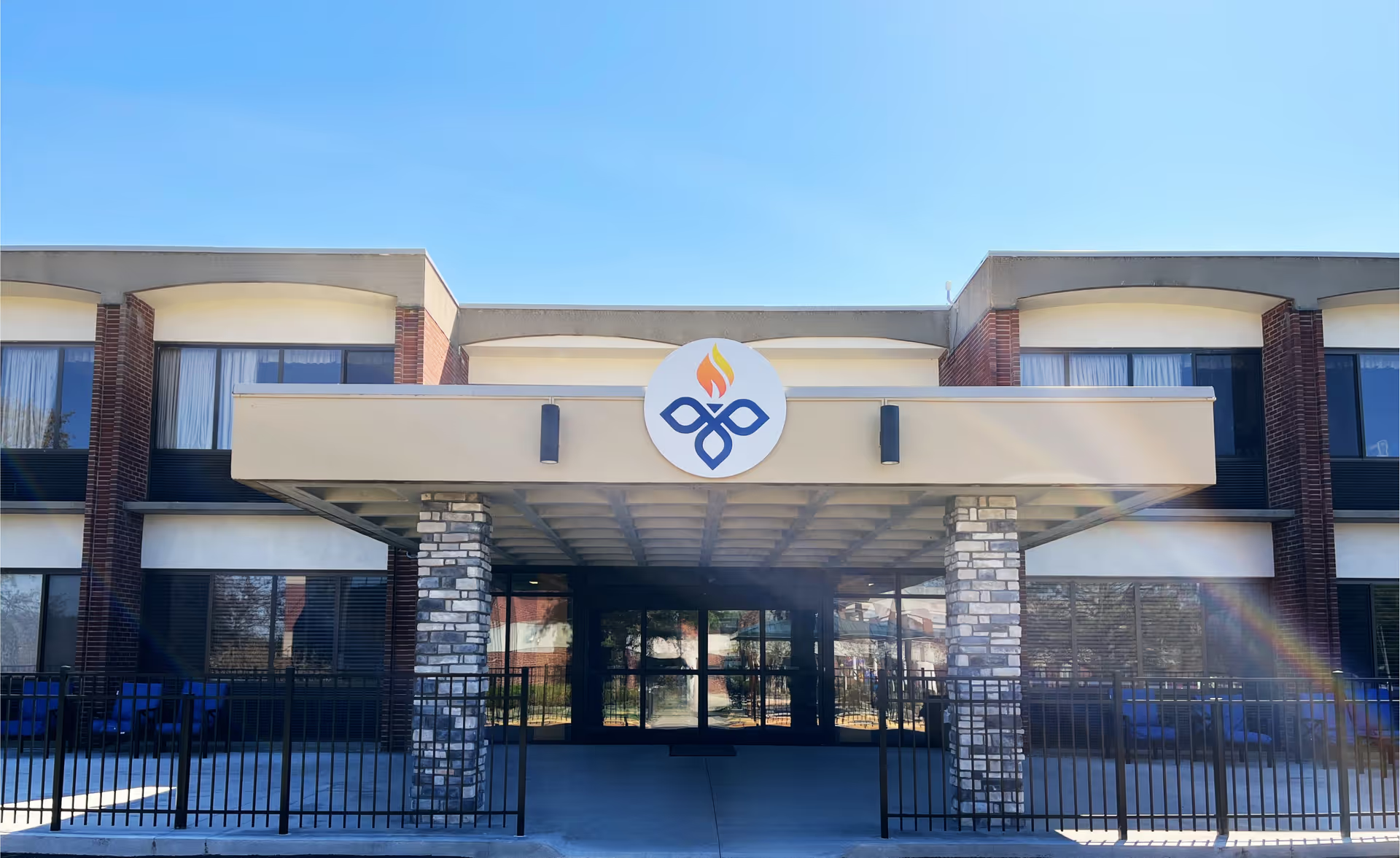
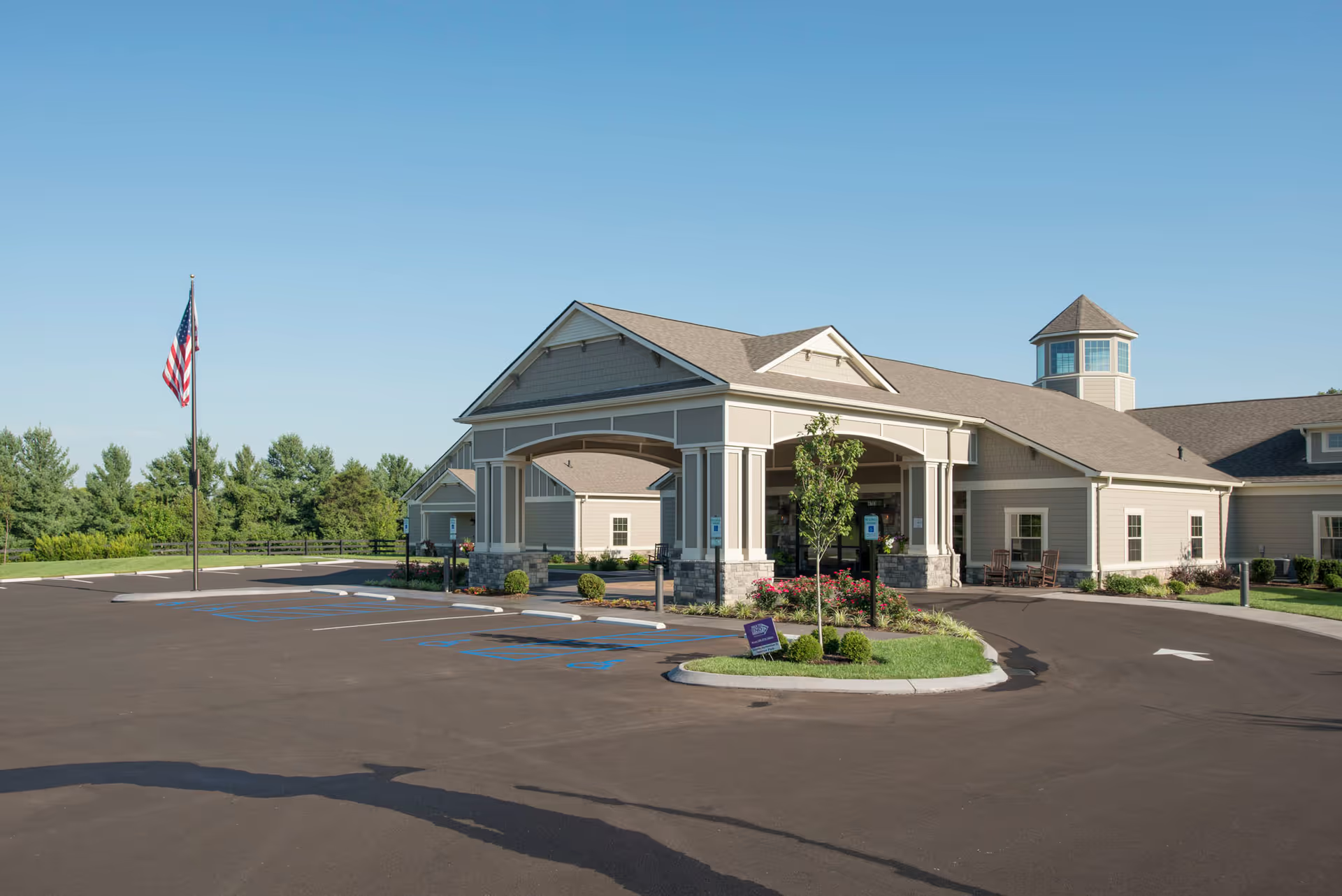
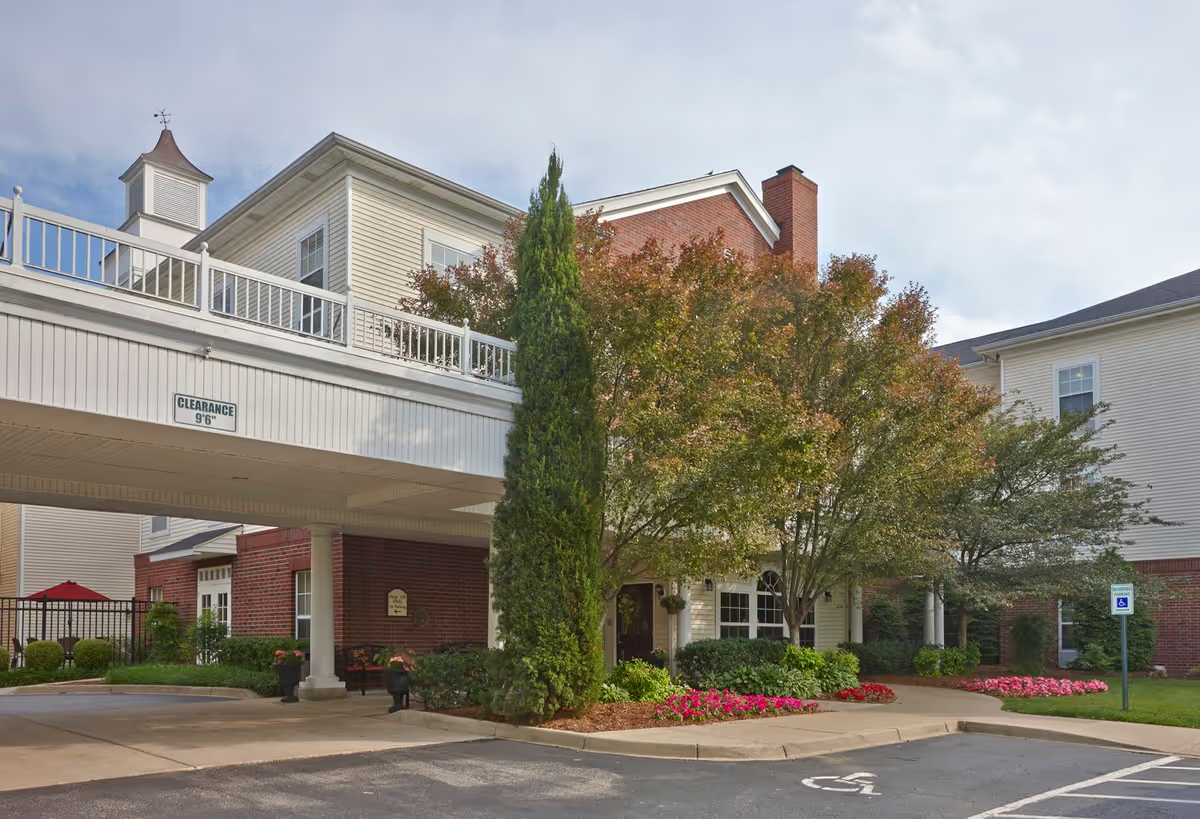
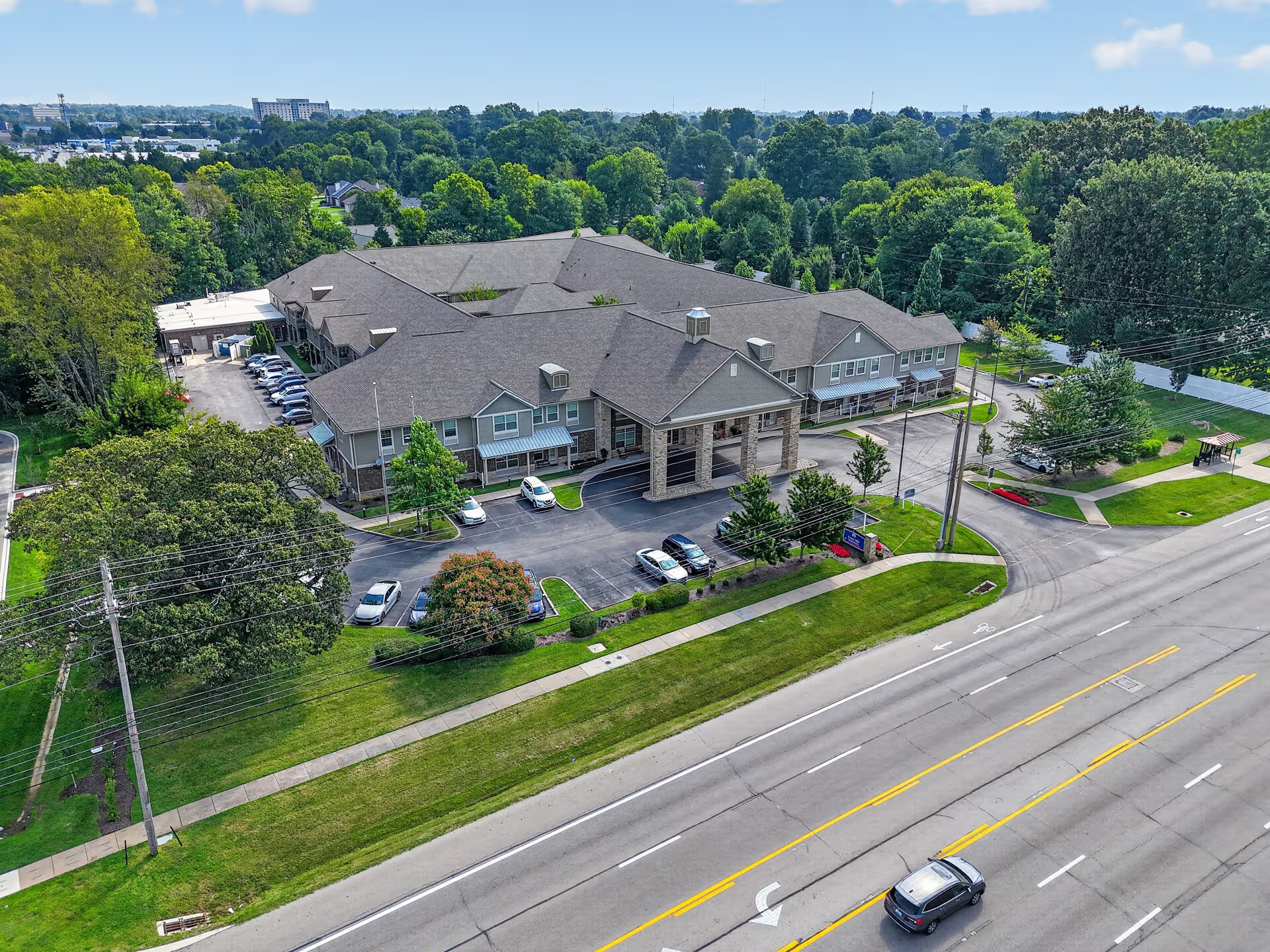
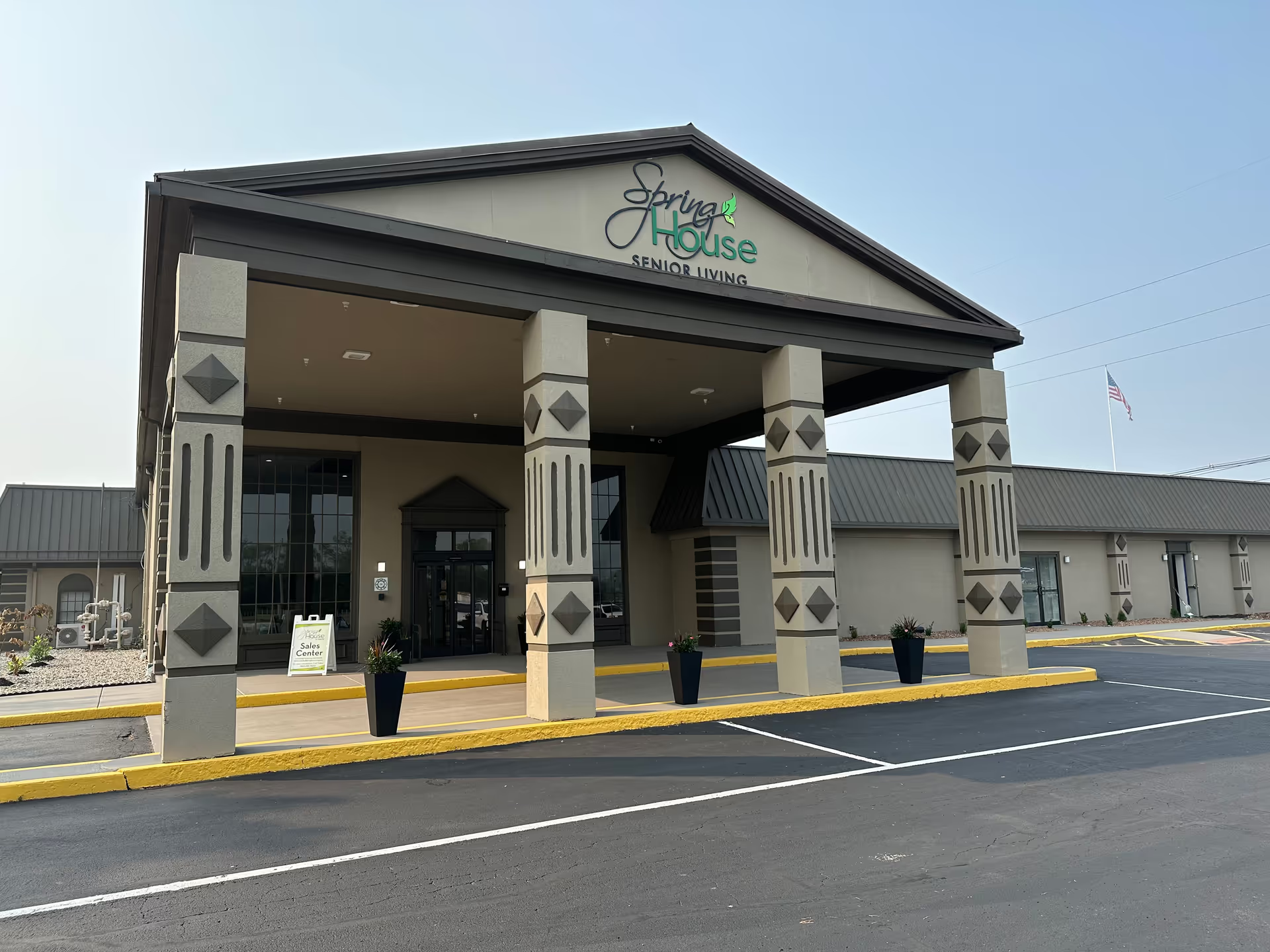
The building is often described as clean and comfortable, though some visitors note that parts of the facility feel dated, particularly rooms and bathrooms, and that rooms near ambulance arrivals can be noisy. Reports of housekeeping and sanitation consistency also differ. Overall, the reviews suggest a community with appealing social and assisted-living features and a number of highly regarded staff and therapy providers, alongside meaningful variability in clinical routines, responsiveness, communication, and dining. A tour should include the specific care unit under consideration, with direct questions about staffing, weekend services, medication practices, personal-care schedules, and quality monitoring.