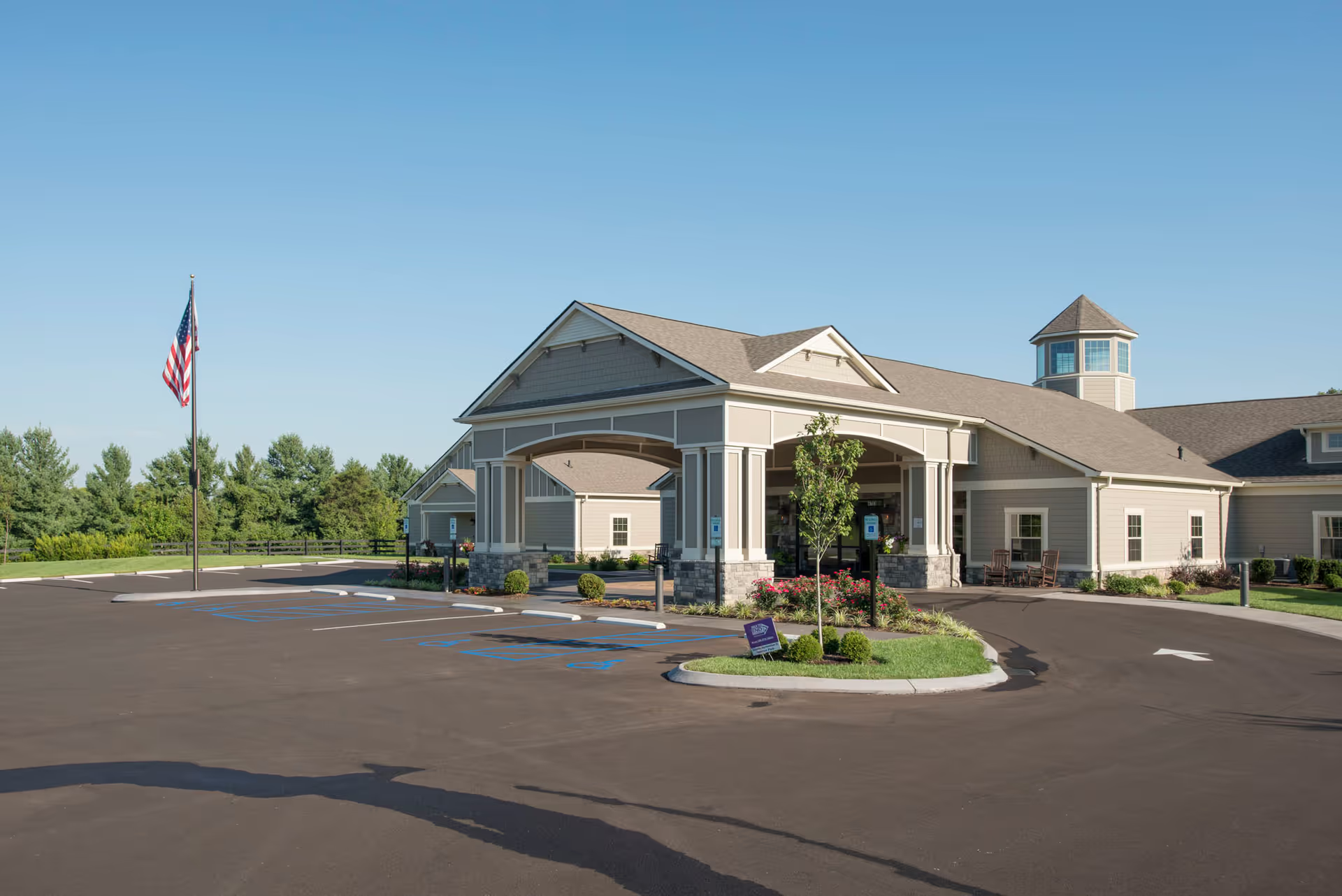
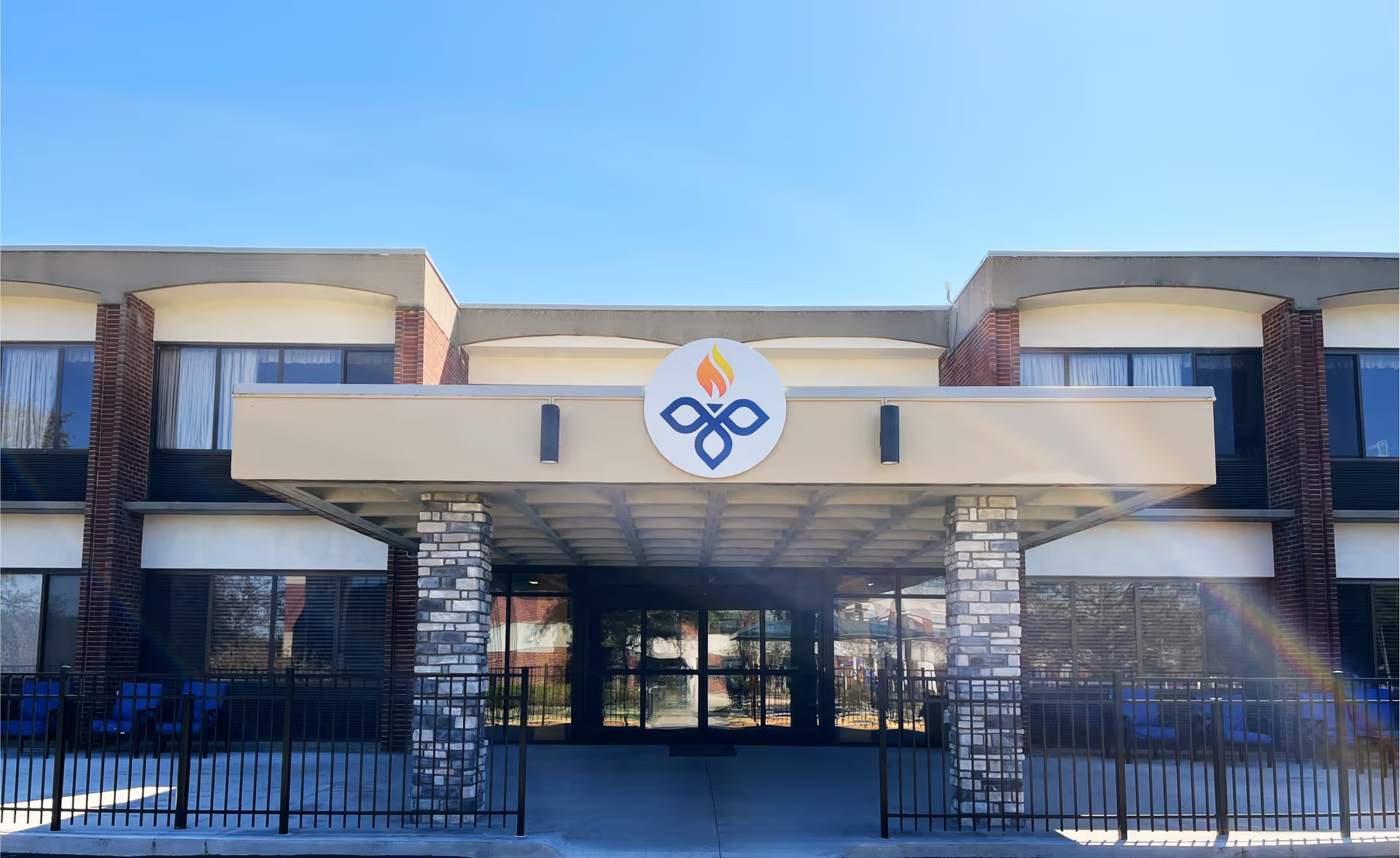
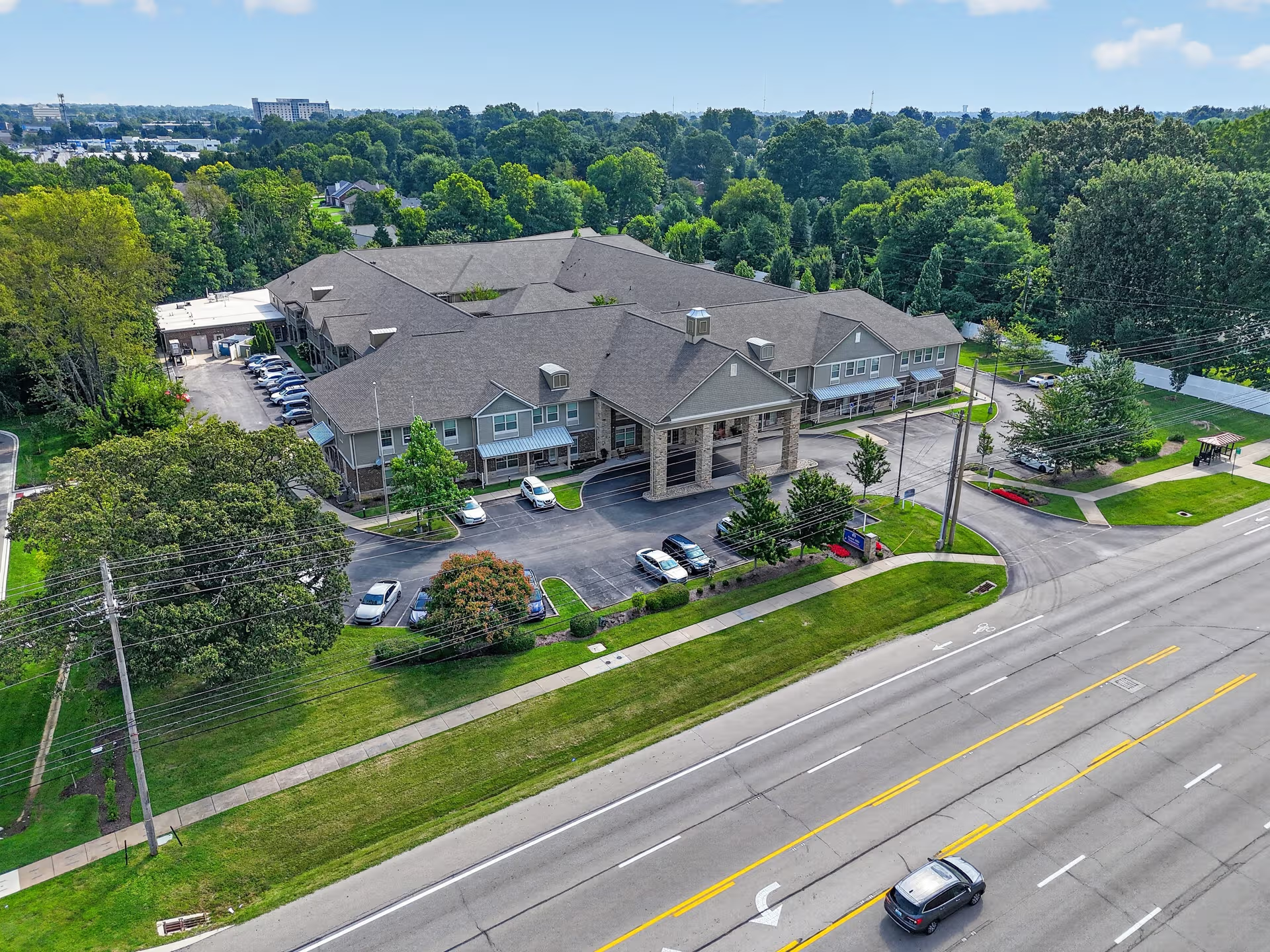
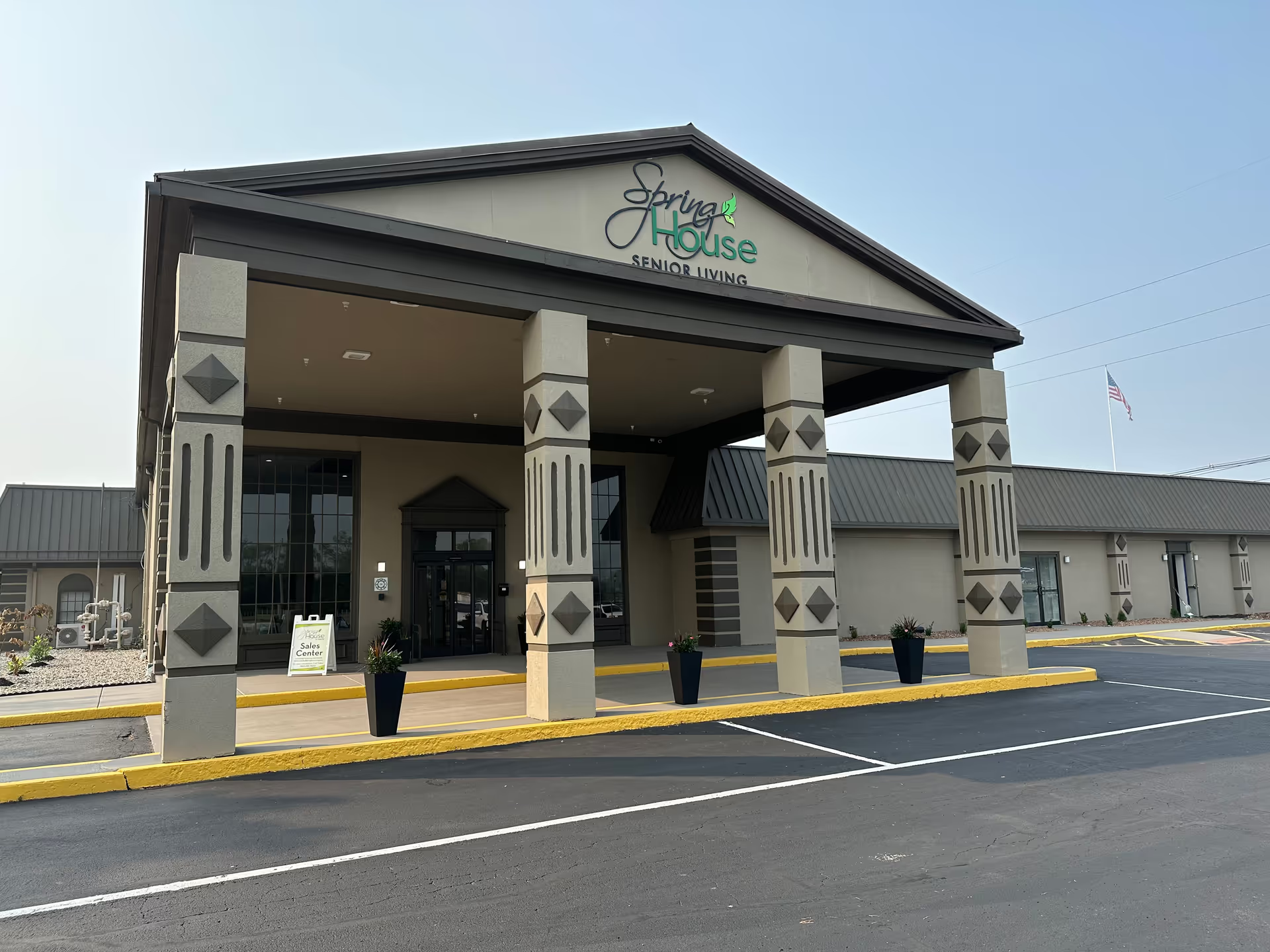
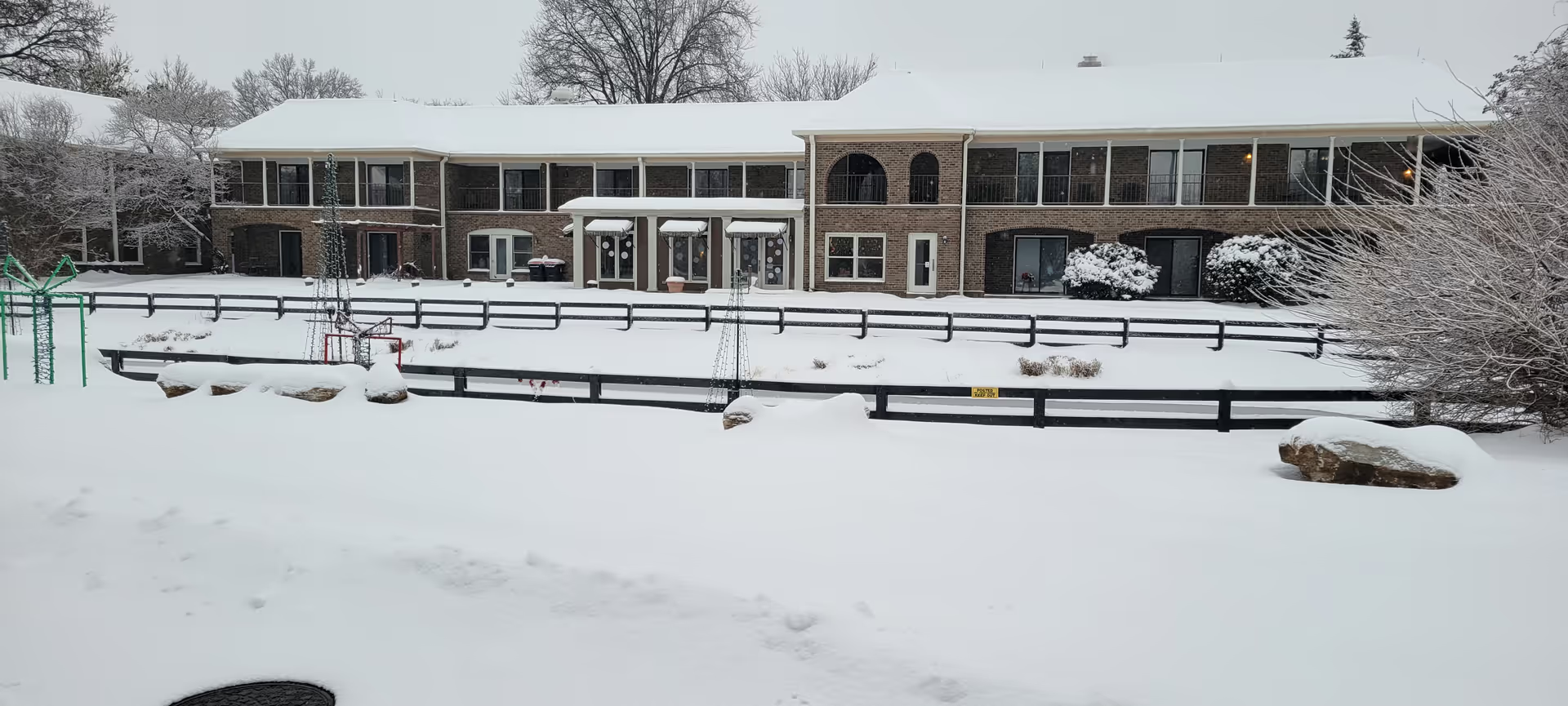
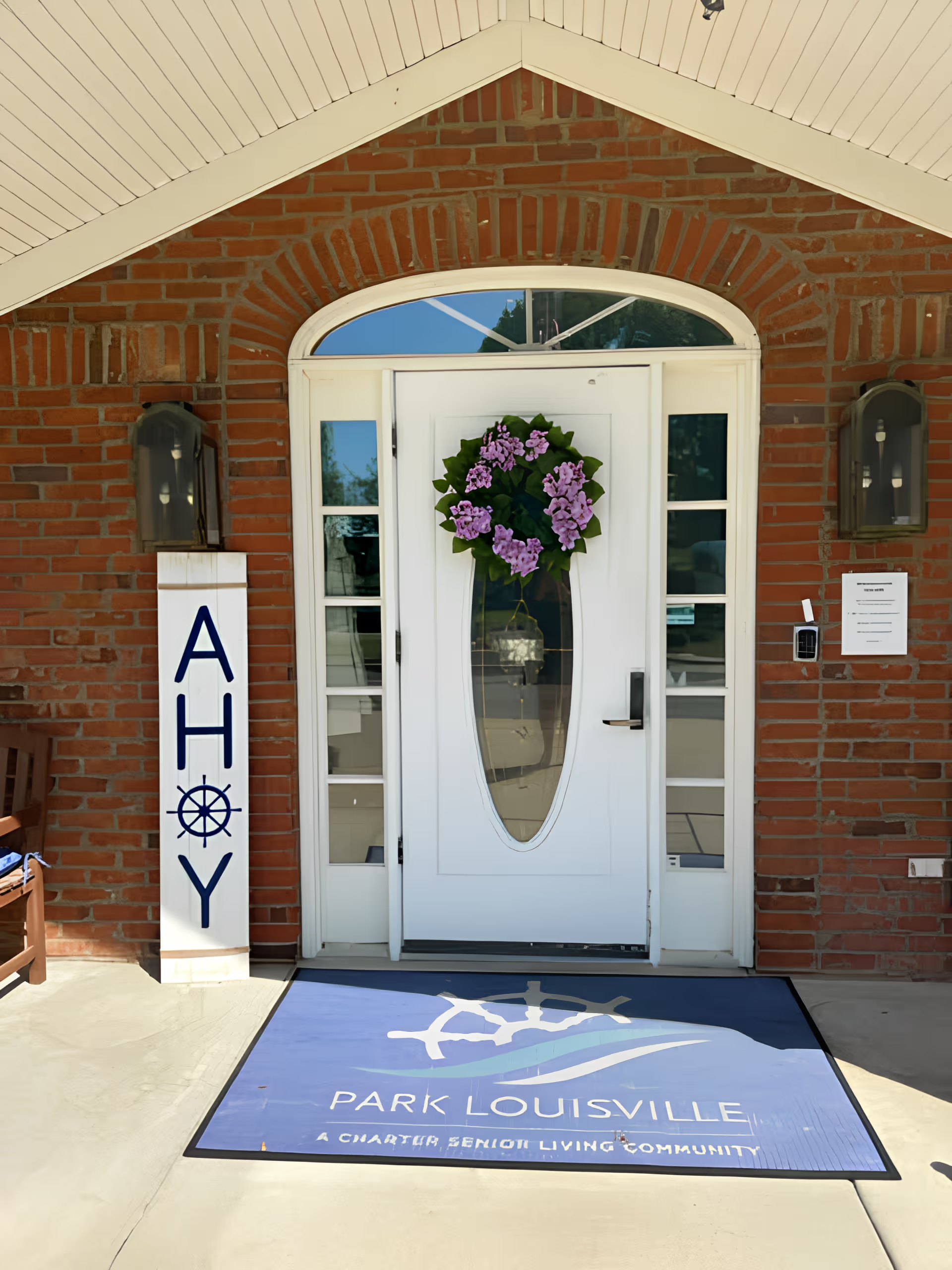
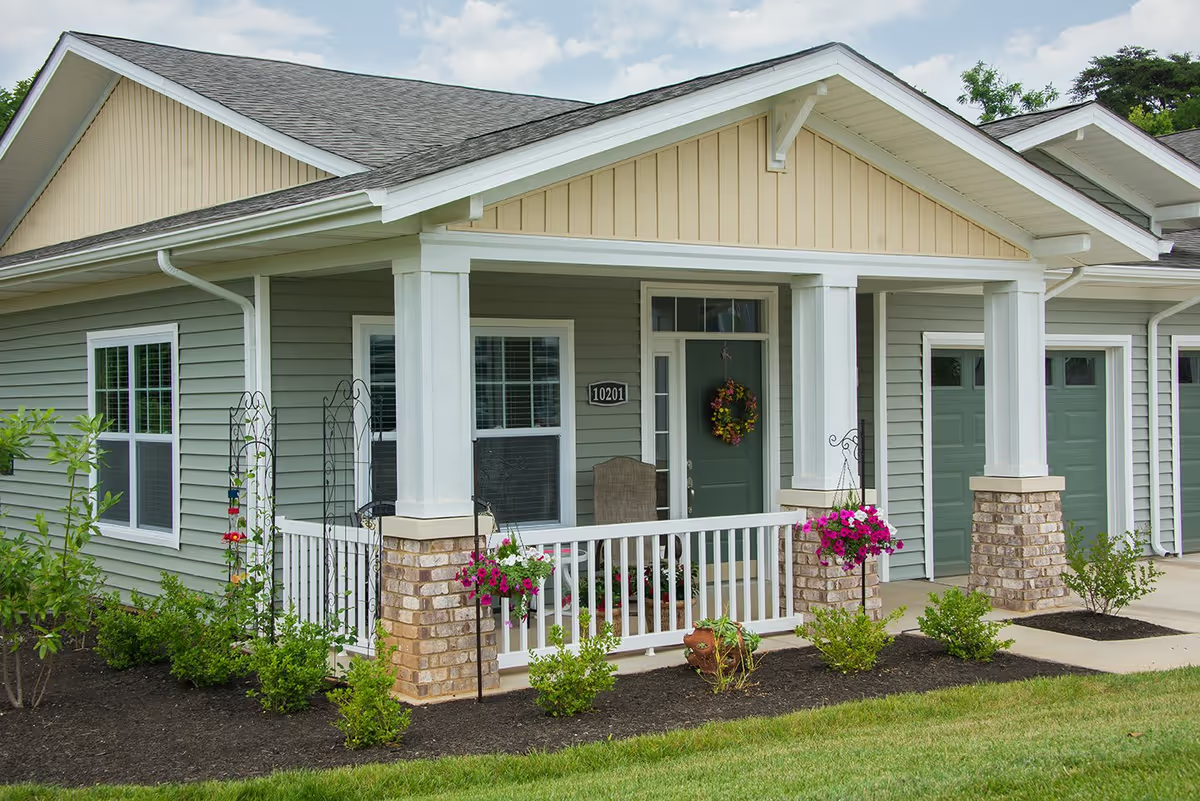
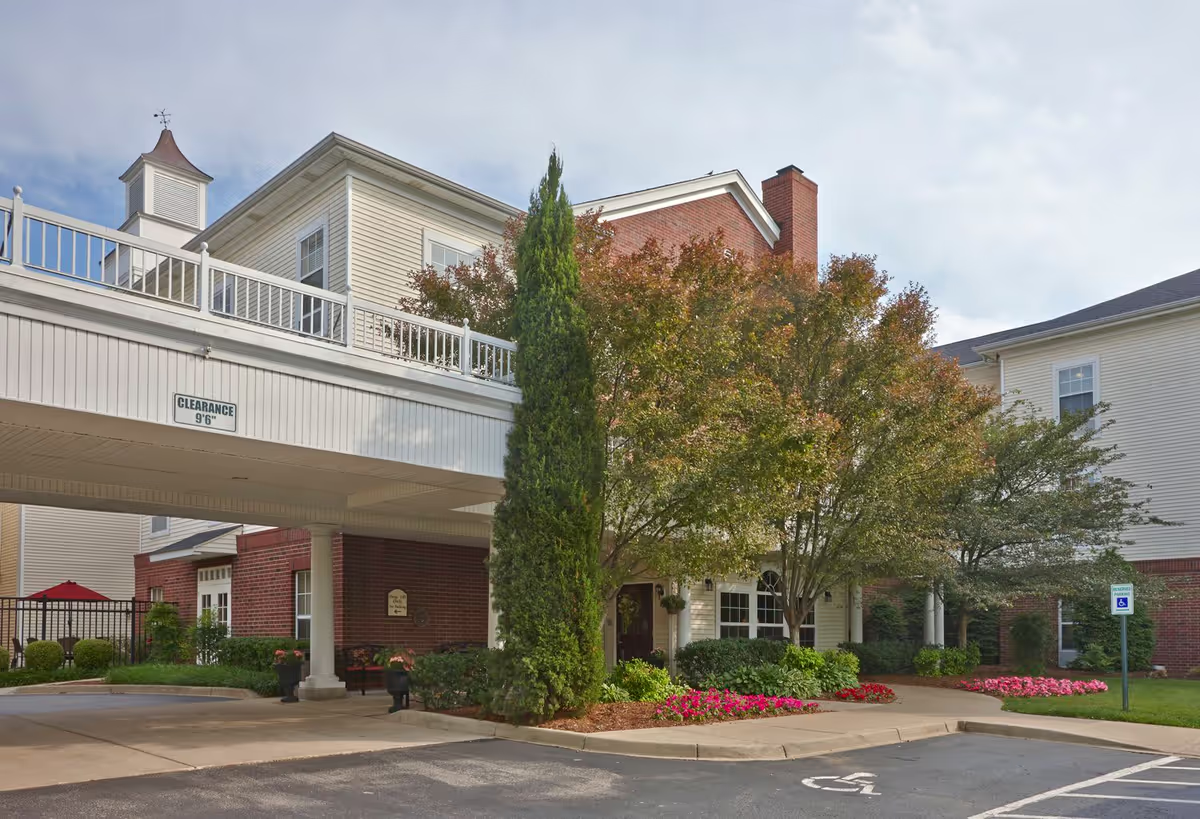
Reviews of Morning Pointe of Louisville show a facility with many visible strengths alongside recurring operational concerns. Strengths most consistently cited include 24-hour nursing coverage, on-call physician access, an engaged executive team, and a family-style atmosphere that many families found comforting. The campus layout, newer construction and attractive design elements (courtyards, themed programming, and pleasant dining rooms) support a home-like environment. Clinical rehabilitation services and an on-site wellness center were described as well equipped, and several families praised attentive nursing staff and therapists for helping residents stay active and socially engaged.
Care quality descriptions are mixed. Many families described compassionate nursing and hands-on caregivers who provide individualized attention and good communication with families. At the same time, a distinct pattern emerges around inconsistencies in direct-care aides: high turnover, variable responsiveness to personal-care needs, and reported delays in incontinence-related assistance and hygiene support. Several reviewers raised concerns about dementia- and memory-care competency, noting staff training gaps and difficulty meeting the needs of residents with cognitive impairment. A small number of reviewers made allegations of serious staff-conduct and medication-administration issues; these accounts are serious and warrant further inquiry by prospective families.
Dining and activities present a similar split. Numerous residents and families praised the dining experience, themed meals, and social dining spaces; others described repetitive menus, limited meal variety, and occasional service disruptions that suggest weaknesses in meal-service continuity and inventory management. Activity programming is generally broad — book clubs, art, social events, and outings — and many residents benefited from engaging opportunities. Conversely, some families found activity delivery inconsistent or shaped by staff availability rather than resident interest, indicating uneven program staffing and planning.
Facility and management observations vary from highly positive to critical. Many reviewers described the building as clean, well kept, and welcoming; others reported maintenance issues such as water-related damage and areas needing repair, pointing to uneven facilities upkeep. Administrative strengths include visible leadership and proactive staff who create a warm culture; however, recurring concerns involve billing transparency, disputes over charges, and instances where families felt admissions materials or marketing did not fully match the day-to-day reality of care. A number of reviews cited weaknesses in incident communication and follow-up, which can exacerbate family frustration when problems arise.
Overall pattern and practical considerations: Morning Pointe of Louisville appears to offer strong nursing coverage, therapy resources, and community amenities that many families find valuable. At the same time, there are notable and recurring operational issues — particularly around direct-care staffing consistency, dementia-care competency, dining continuity, housekeeping/maintenance consistency, medication oversight, and billing transparency — that prospective residents and families should evaluate closely. Recommended areas to probe during a tour or intake conversation include staffing ratios (day/evening/night), dementia-care training and protocols, sample menus and contingency plans for meal shortages, housekeeping and incontinence-care procedures, medication-administration policies, recent inspection reports, and billing/charge dispute processes. These targeted questions can help families weigh the facility’s evident strengths against the operational risks noted in several accounts.