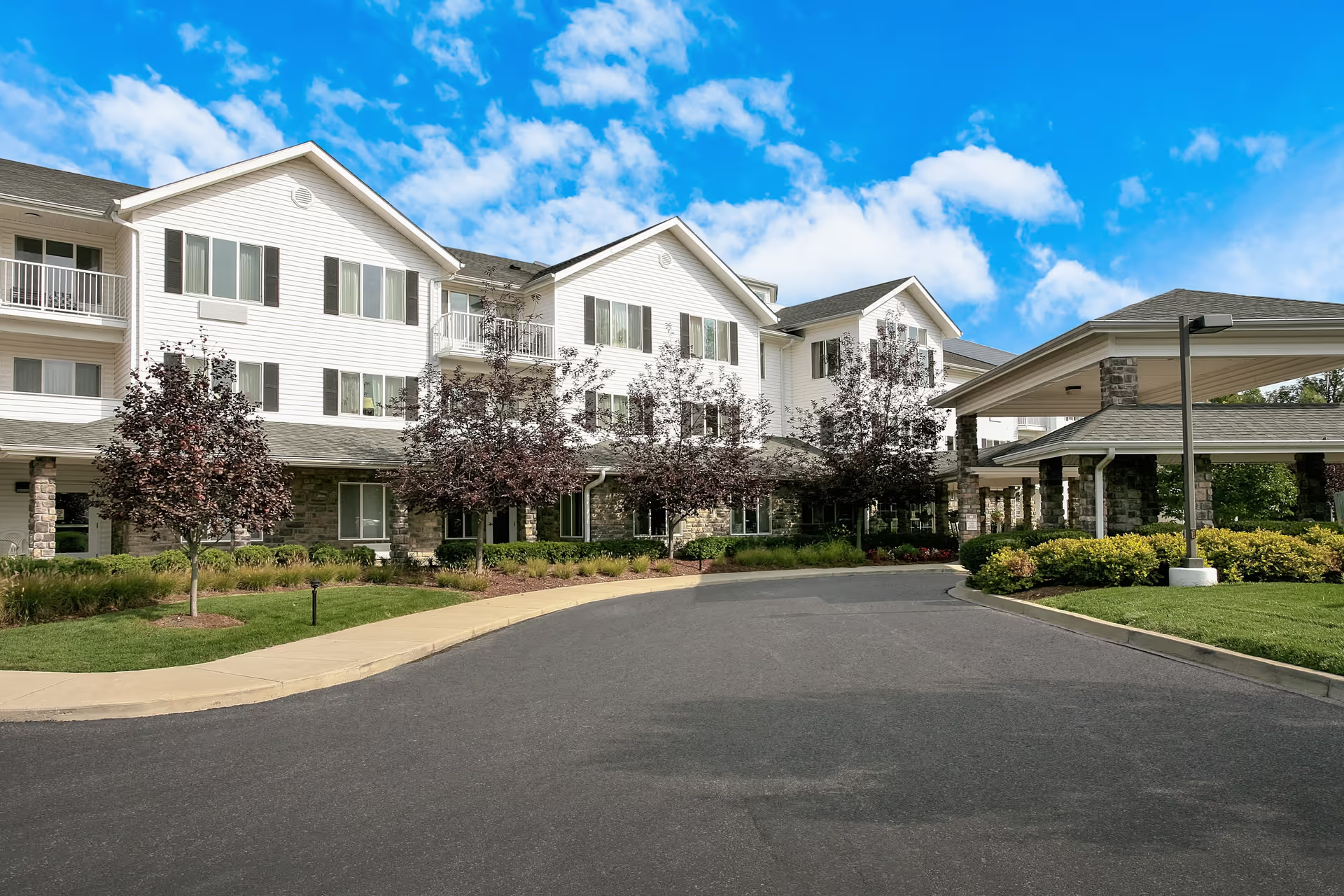
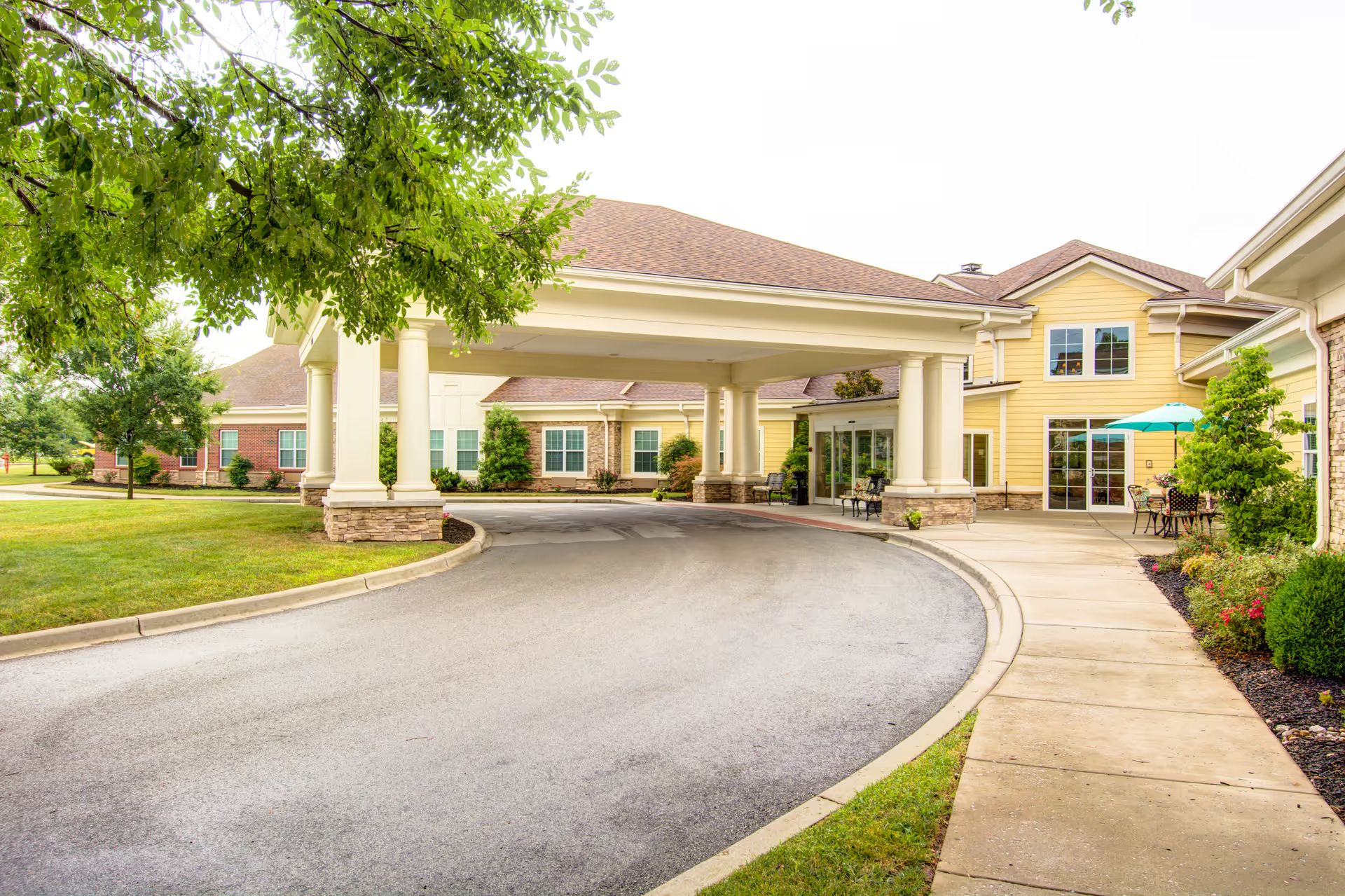
Reviews indicate a facility that delivers strong rehabilitative care and a warm, community-oriented environment for many residents. Physical and occupational therapy are consistently highlighted as strengths: reviewers describe personalized therapy plans, measurable mobility gains, and successful hospital-to-home transitions. Several families also praised individualized case management and discharge planning, noting staff who provided direct contact, arranged home equipment, and coordinated rapid admissions. The overall culture is often characterized as compassionate and family-like, with staff described as attentive, engaged, and willing to go beyond basic duties.
Clinical quality receives mixed feedback. While many reviews commend nursing staff and interdisciplinary teamwork, others describe variability in nursing responsiveness and aide availability. Concerns include delays in attending to residents, gaps in medication-administration processes, and instances where clinical orders (for example, respiratory supports) were not consistently followed. Reviewers also raised safety-related issues such as call-system failures and transfer/fall-risk practices; these suggest uneven execution of routine safety protocols rather than a uniform pattern across the facility. A small number of families raised serious concerns following a resident's death, which underscores the need for transparent communication and careful review of adverse events.
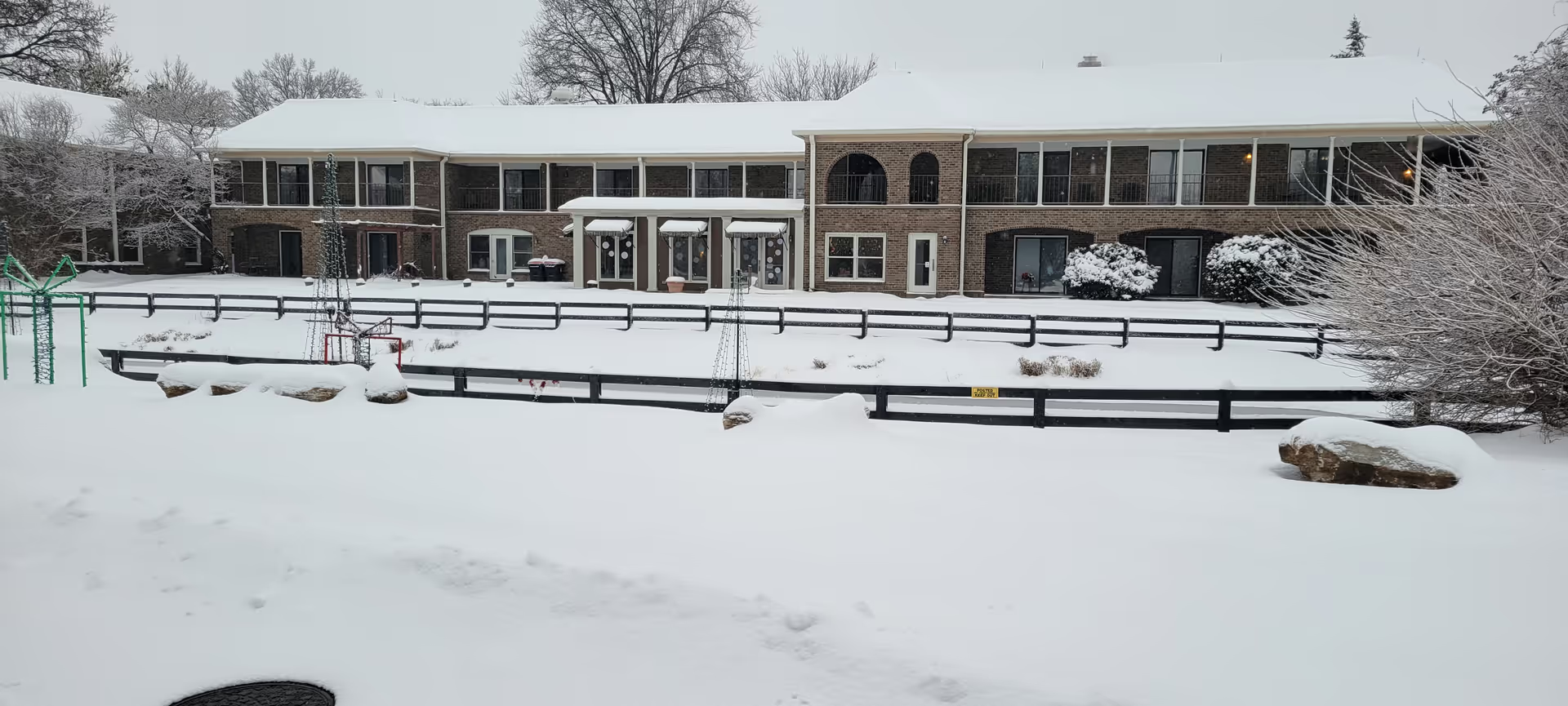
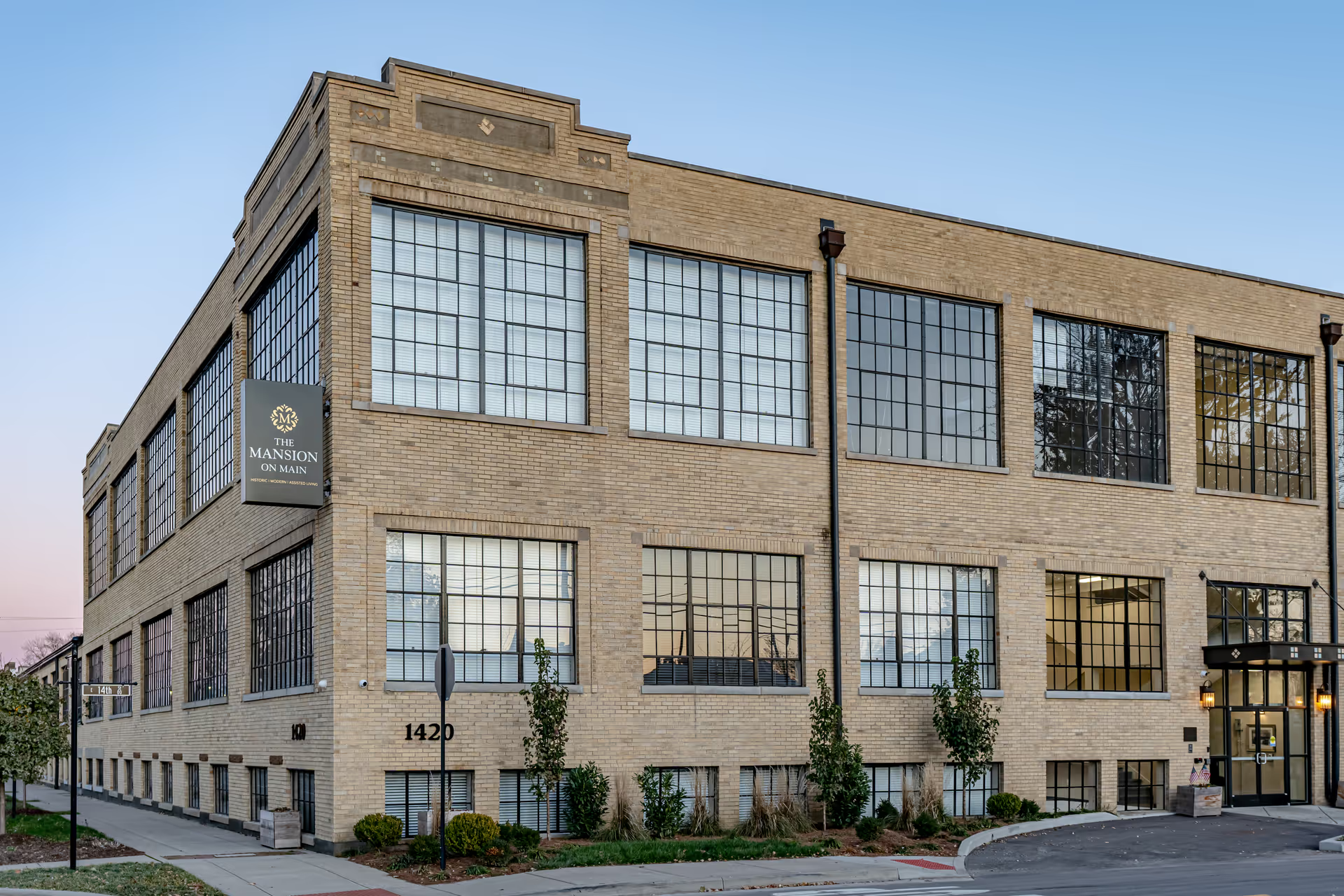
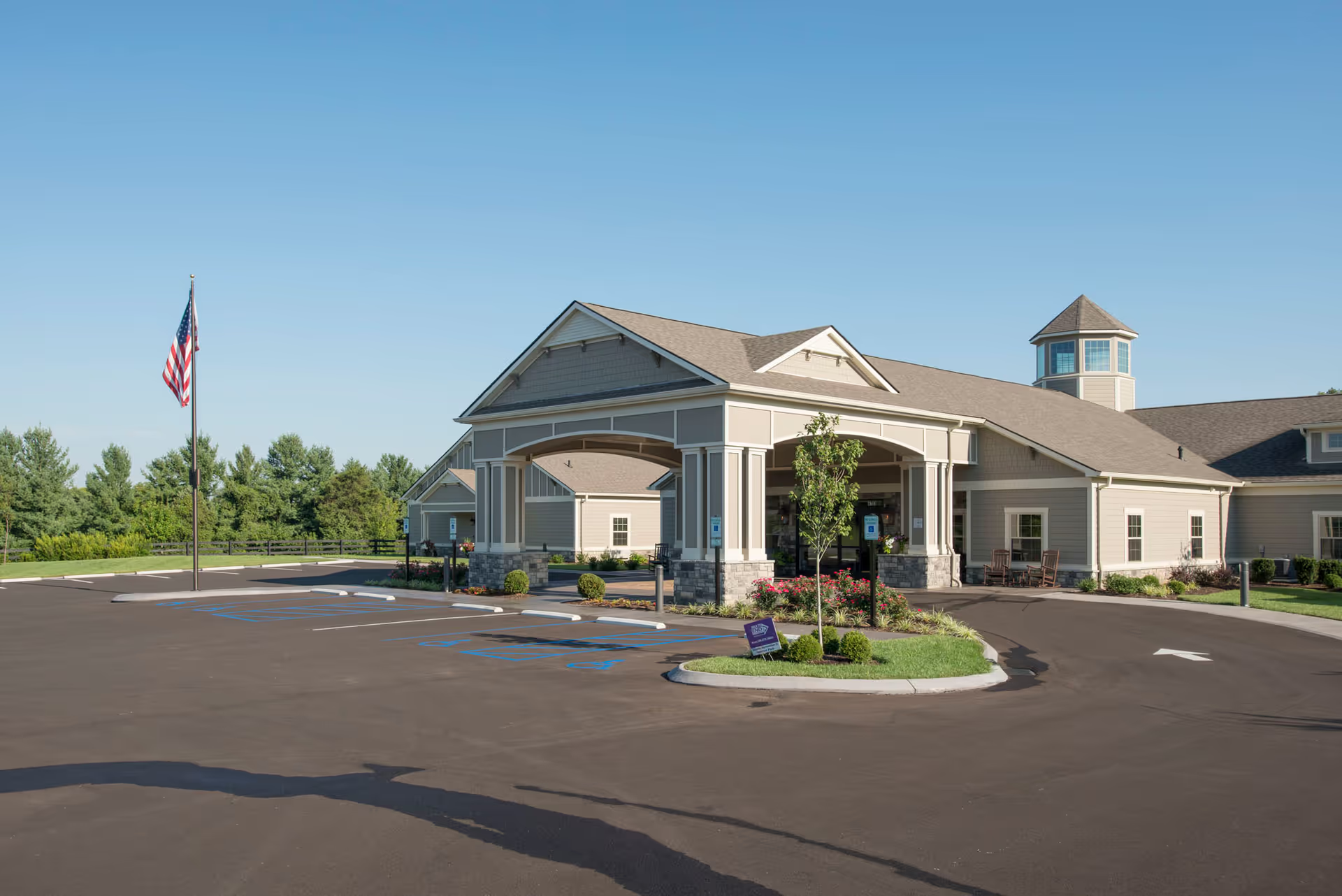
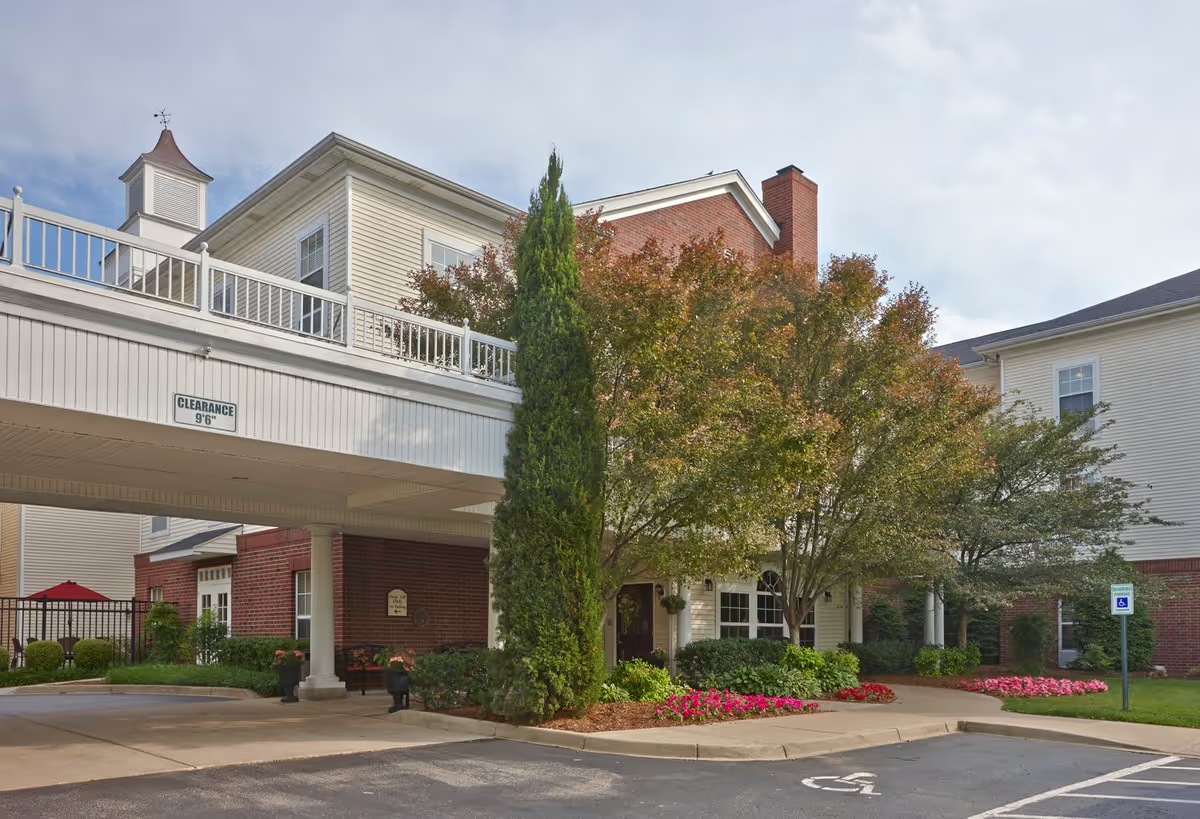
Dining and activities present a contrast. Activity programming and social engagement receive frequent praise; reviewers note creative programming during infection-control periods, regular engagement, and staff-led activities that contribute to resident well-being. Dining received more variable feedback: some families found meals acceptable, while others described inconsistent meal quality and limited appeal. Housekeeping and the physical environment are similarly mixed: many reviewers describe clean, pleasant common areas and a well-maintained building, but others reported sanitation inconsistencies in certain rooms and occasional maintenance issues such as HVAC problems.
Management and operations are seen as a relative strength by multiple reviewers, who cite accessible leadership, helpful admissions/discharge personnel, and proactive case managers who follow through on family concerns. However, operational weaknesses appear to stem from staffing variability and morale in direct-care roles; reviewers described aide availability and attitude as uneven, which ties into several of the clinical and personal-care concerns noted above. Communication lapses—slow phone responses, inconsistent family updates, and problems during adverse events—were recurring themes that families urged the facility to address.
For prospective residents and families: the facility is likely a strong option for short-term rehabilitation and therapy-driven recovery, particularly when individualized therapy and active programming are priorities. Those considering longer stays should evaluate nursing consistency, personal-care routines, medication-safety processes, and the reliability of the call/communication systems during a tour. Asking to meet therapy leaders and case managers, reviewing staffing patterns for direct-care shifts, and clarifying maintenance and infection-control protocols will help set expectations and identify whether the facility's strengths align with a resident's needs.