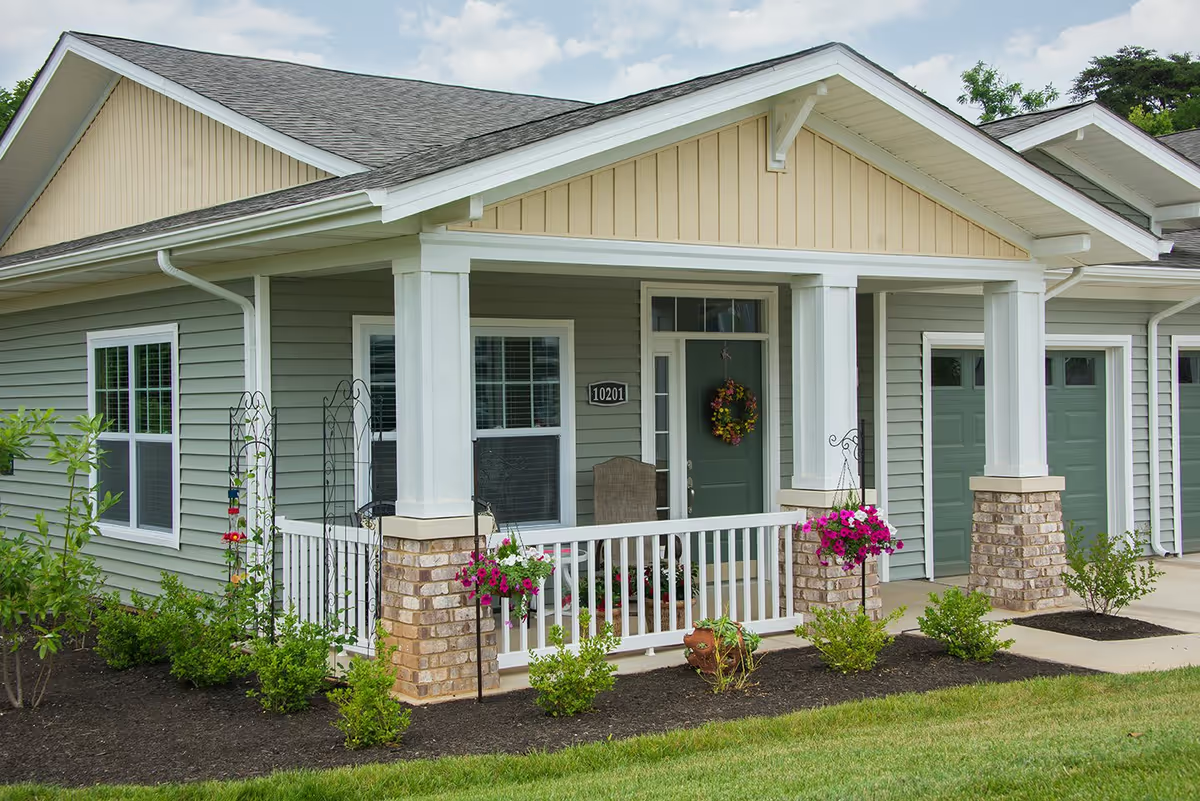
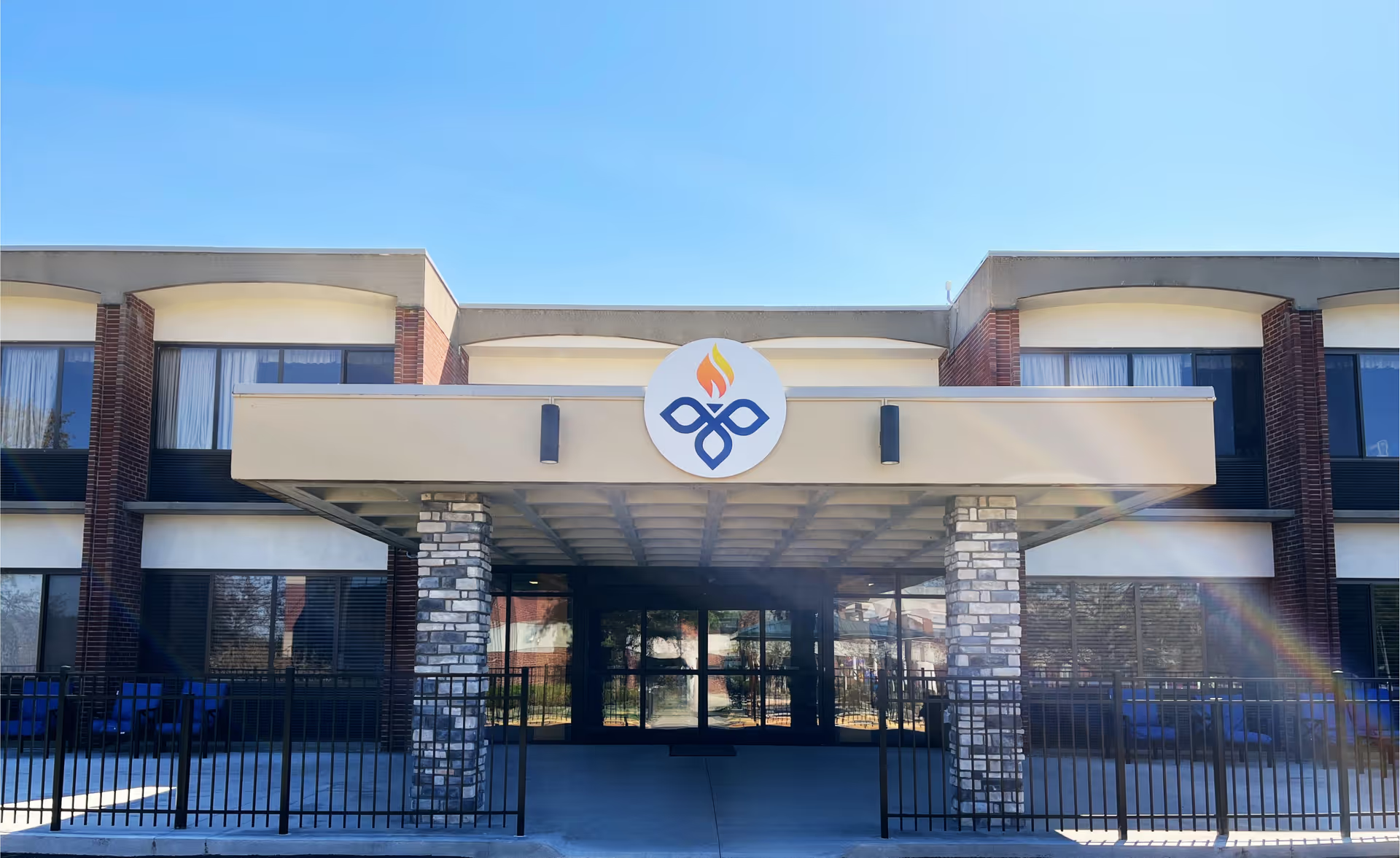
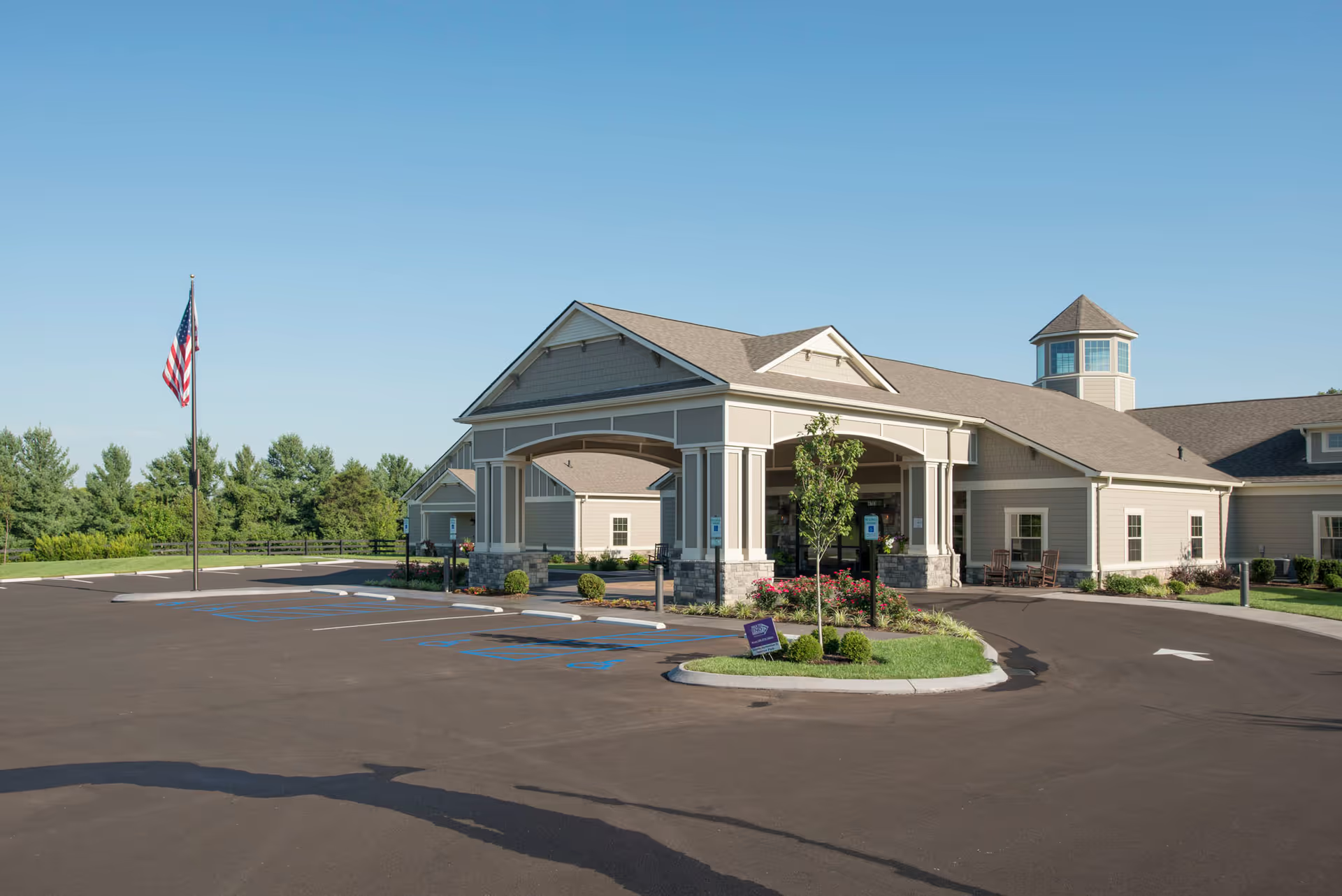
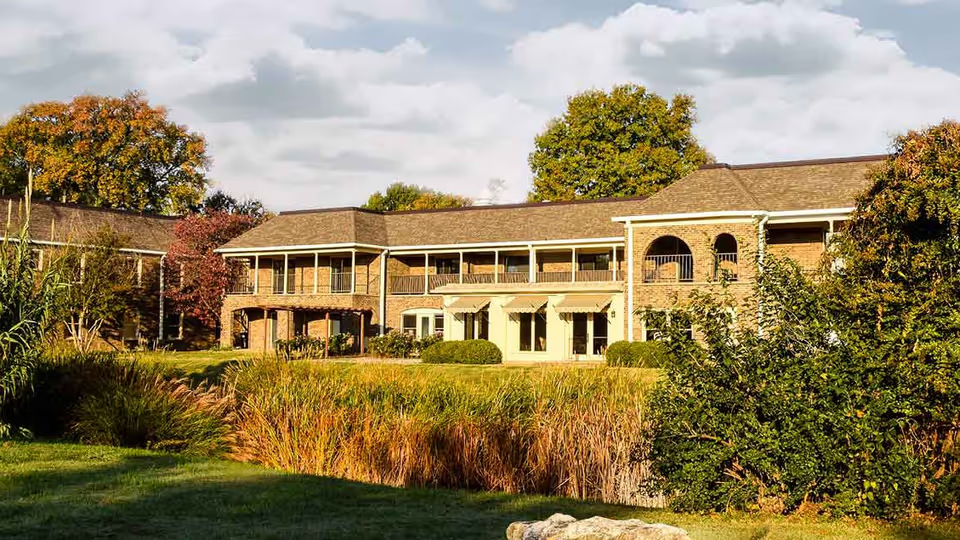
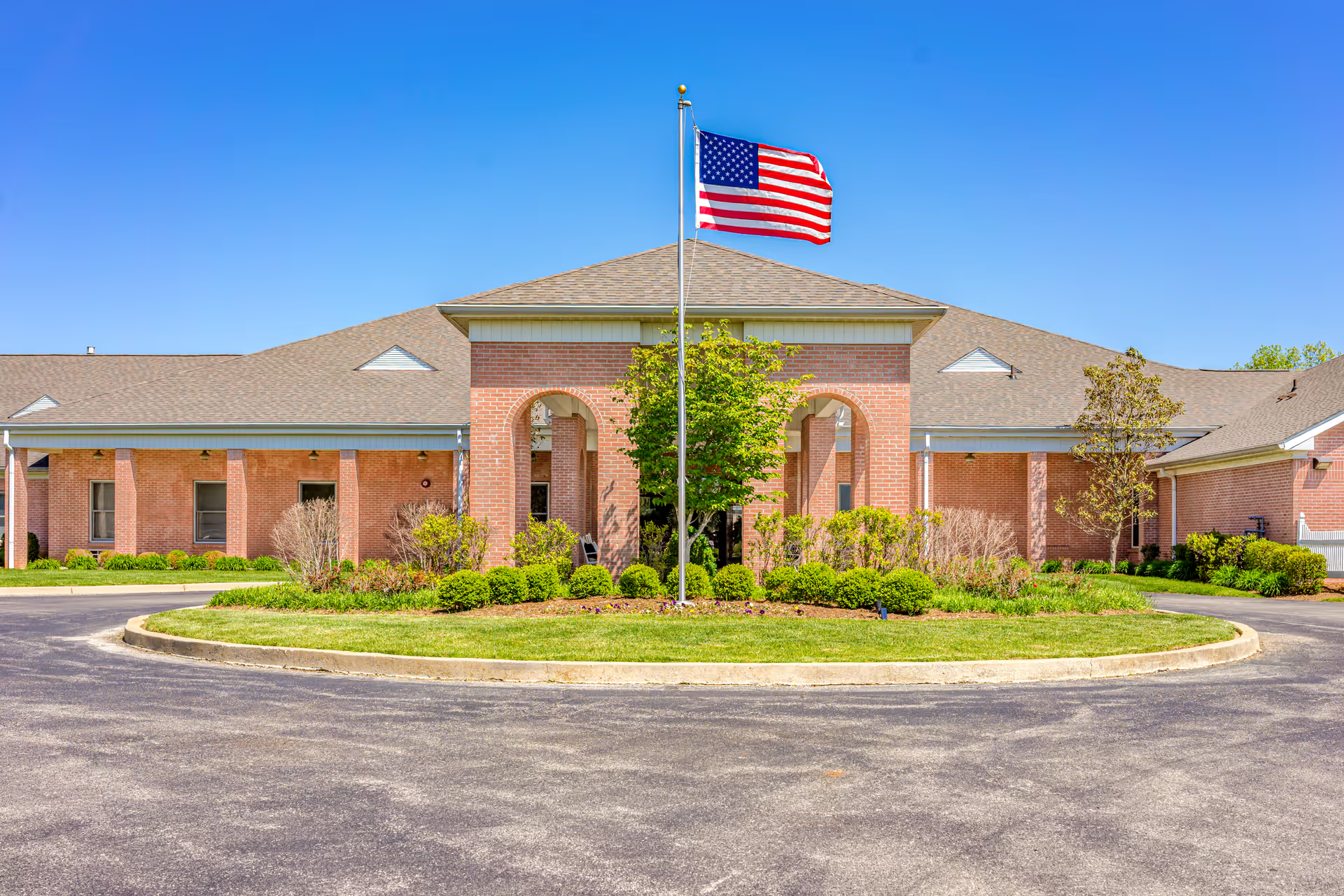
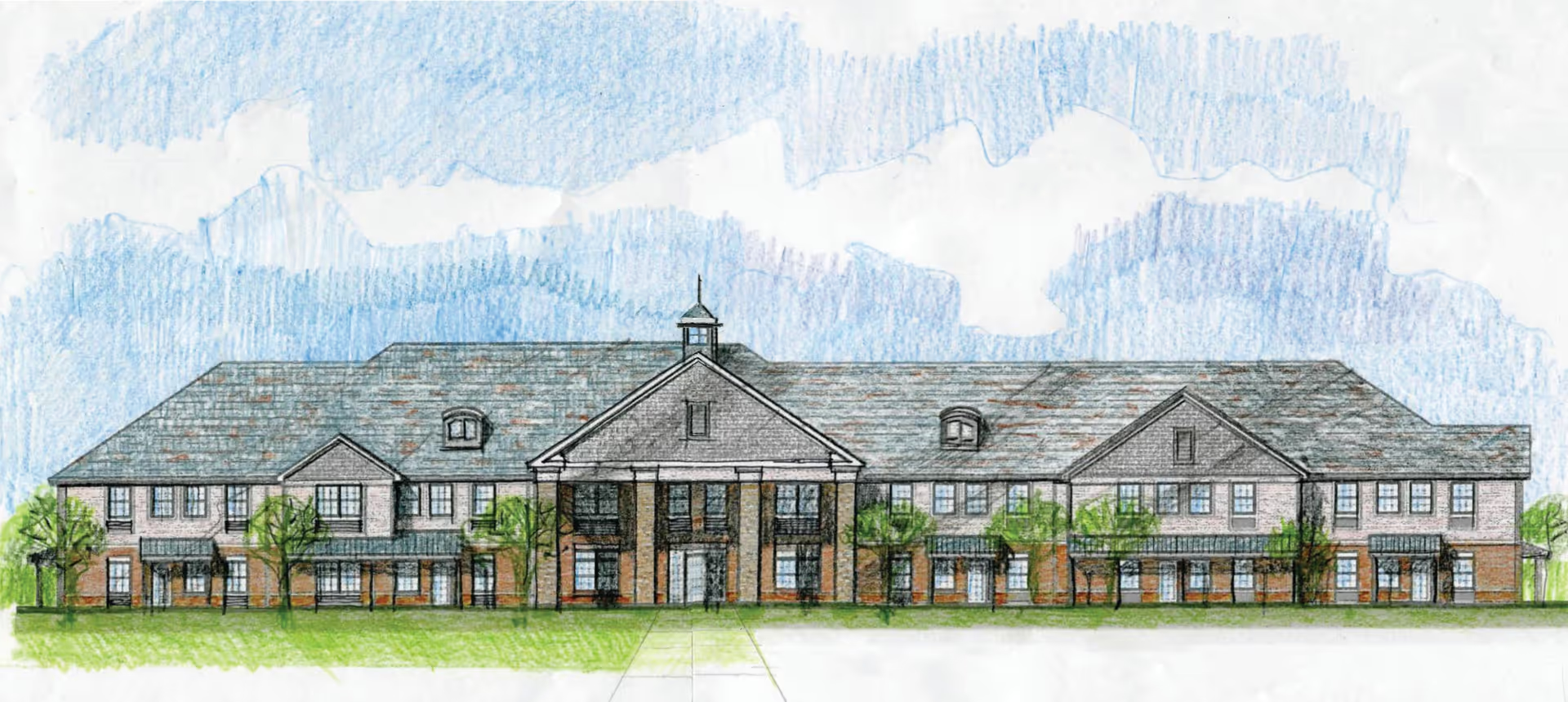
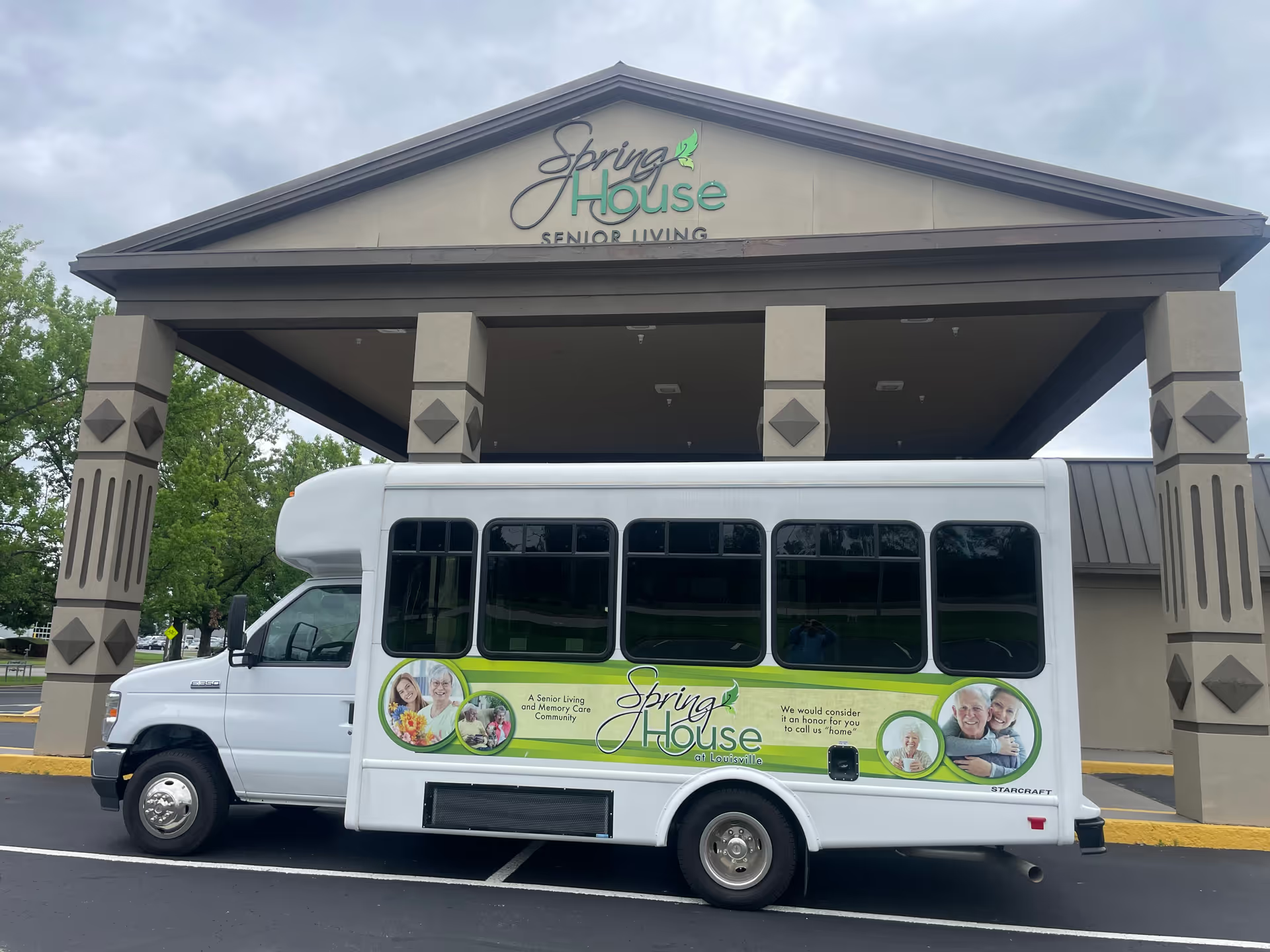
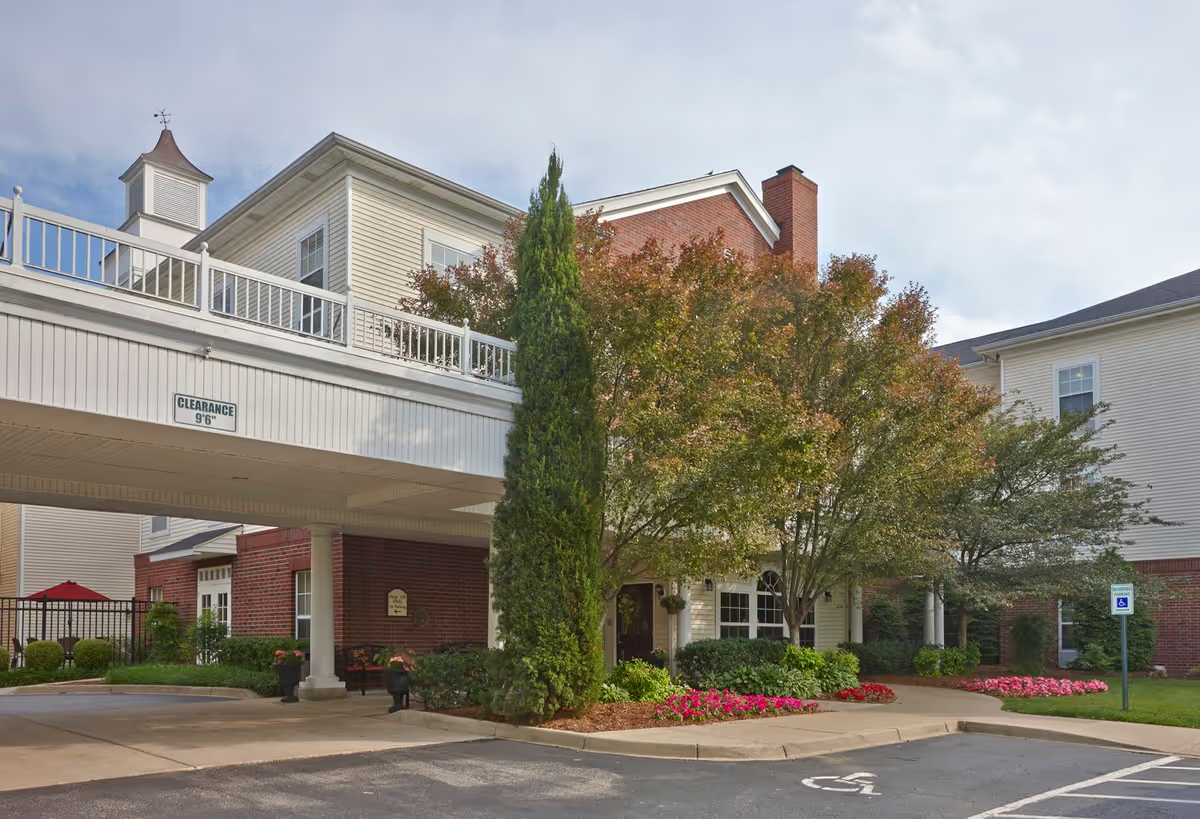
Overall impression: Village at Wesley Manor presents as a small, campus‑style senior living community with a pronounced emphasis on person‑centered, family‑like care and a strong memory‑care program. Many accounts highlight long‑tenured staff, a compassionate culture, and a continuum of services—from independent patio homes to assisted living, rehab, and memory care—allowing residents to remain on one campus as needs change. The property and grounds are consistently described as park‑like with walking paths, pleasant outdoor spaces, and a tidy appearance in many common areas.
Care quality and clinical issues: Numerous families praised attentive aides, on‑site medical staff, medication management, and timely clinical responses in emergencies. Memory care is frequently singled out as a strength, with staff experienced and comfortable working with residents who have cognitive impairment. At the same time, several reviews describe concerning lapses in care coordination and documentation, including delayed recognition of medical problems and difficulties arranging or authorizing rehab services. A few reviews included allegations of unprofessional conduct and more serious care‑coordination failures; these accounts suggest variability in clinical follow‑through that prospective families should investigate during tours and discussions with clinical leadership.
Staff and leadership: The dominant theme is staff kindness, familiarity with residents’ names, and a family atmosphere supported by long‑standing employees and hands‑on leaders cited by name. Many reviewers described staff who go above and beyond daily care tasks. However, a clear countervailing pattern is unevenness in staff stability and professionalism: some accounts note high turnover, inconsistent responsiveness to families, and specific instances of dismissive administrative behavior. This produces a mixed portrait of generally strong direct care with variability in supervisory and administrative interactions.
Dining and activities: Dining is a frequently noted positive—restaurant‑style service, hot meals, and variety were praised, and many families reported that meals are included in several levels of care. Operationally, there are recurring comments about dining flow inefficiencies (for example, long buffet walks or traffic patterns) that can affect the resident experience. Activities appear robust and varied—arts and crafts, exercise, bingo, outings, and religious services are regular features—but leadership of the activities program is uneven in some units, with reliance on volunteer or resident‑led programming in certain areas.
Facilities and amenities: The campus, patio homes, and many private rooms with large bathrooms are strengths. Reviewers often describe a comfortable, home‑like feel in common areas and successful accessibility features. Conversely, the physical plant shows its age in places: dated resident rooms, darker or smaller apartments, and occasional utility interruptions were reported. Some units lack in‑room conveniences (for example, in‑unit refrigerators) and a few reviewers noted ambiance and lighting issues in certain rooms. Pet‑friendly policies and outdoor amenities are positive differentiators.
Management and operational patterns: Admissions and front‑line responsiveness receive mixed evaluations—some families describe highly responsive, accommodating admissions staff and personalized tours, while other accounts note poor communication, paperwork delays, and dismissive interactions. Administrative consistency appears to be the largest operational vulnerability: communication protocols, paperwork handling, and follow‑up can vary depending on the staff member and shift. There is an active waiting list, which indicates demand, but prospective residents should confirm specifics about move‑in timelines, fees, and what services are included.
Recommendations for prospective families: Visit multiple times, ask to meet nursing leadership and the activities coordinator, review the facility’s emergency power and HVAC contingency plans, and request written examples of care‑coordination protocols (medication management, incident reporting, and rehab authorization). For families of residents with dementia, request a walk‑through of the memory‑care unit and observe activities and staff interactions. Given the mix of strong caregiving culture and operational variability, direct conversations about staffing continuity, communication expectations, and an individualized care plan will help clarify whether the community is a good match.