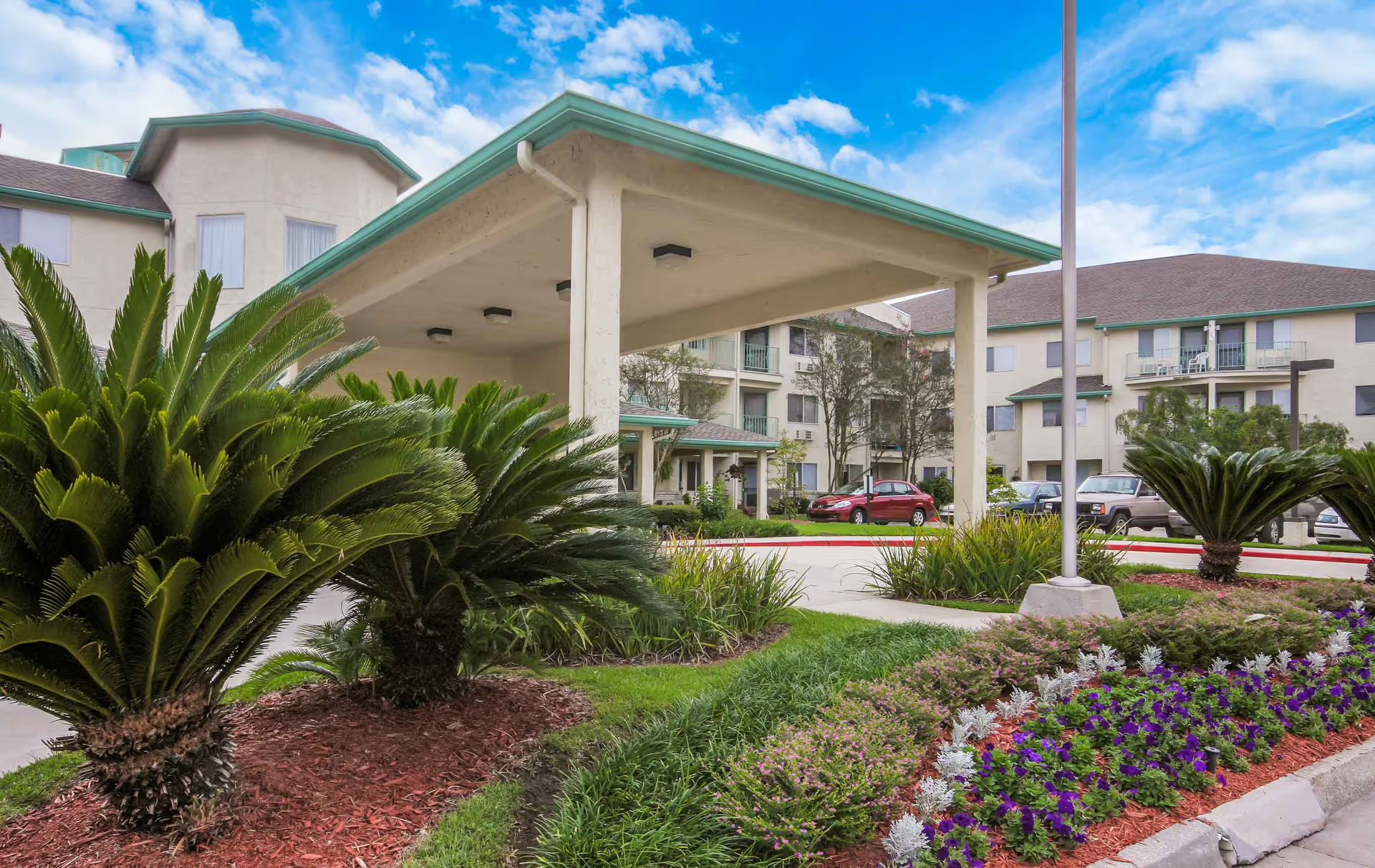
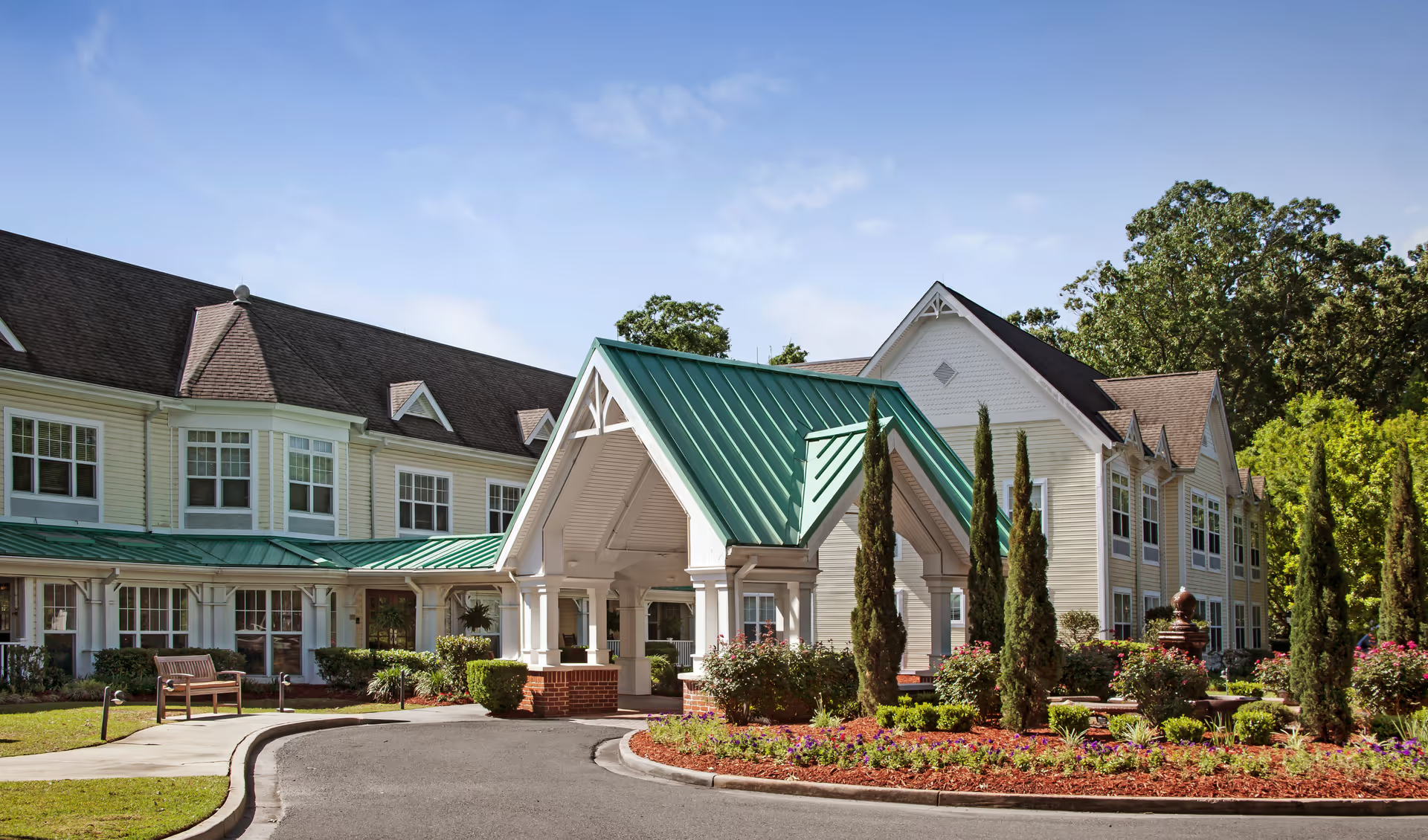
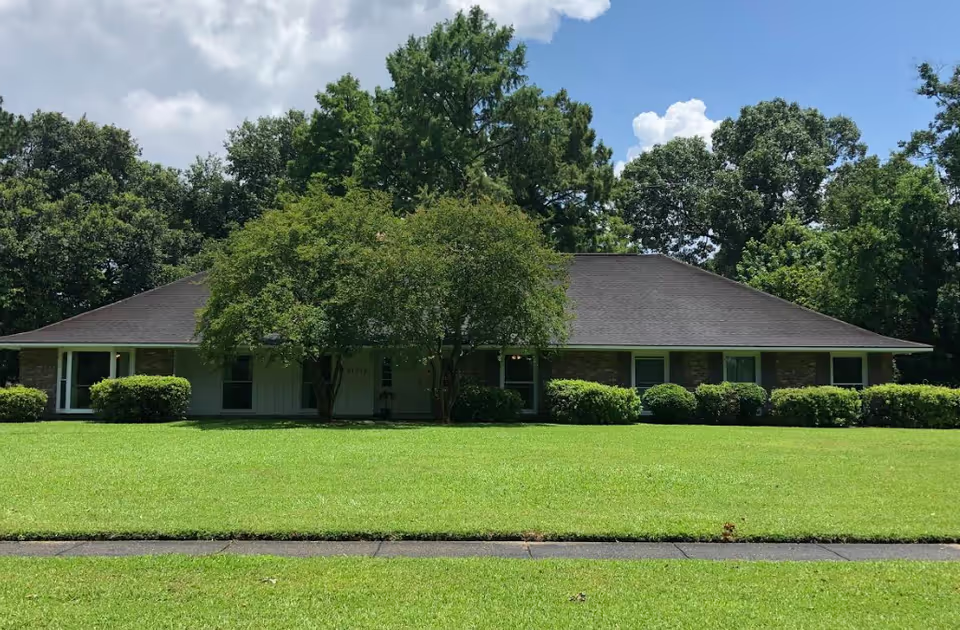
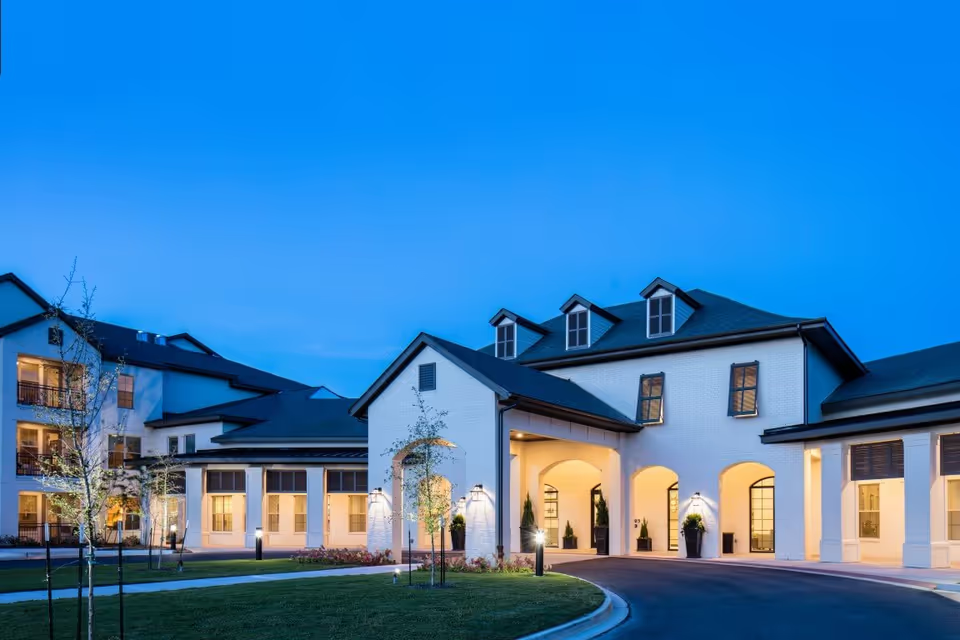
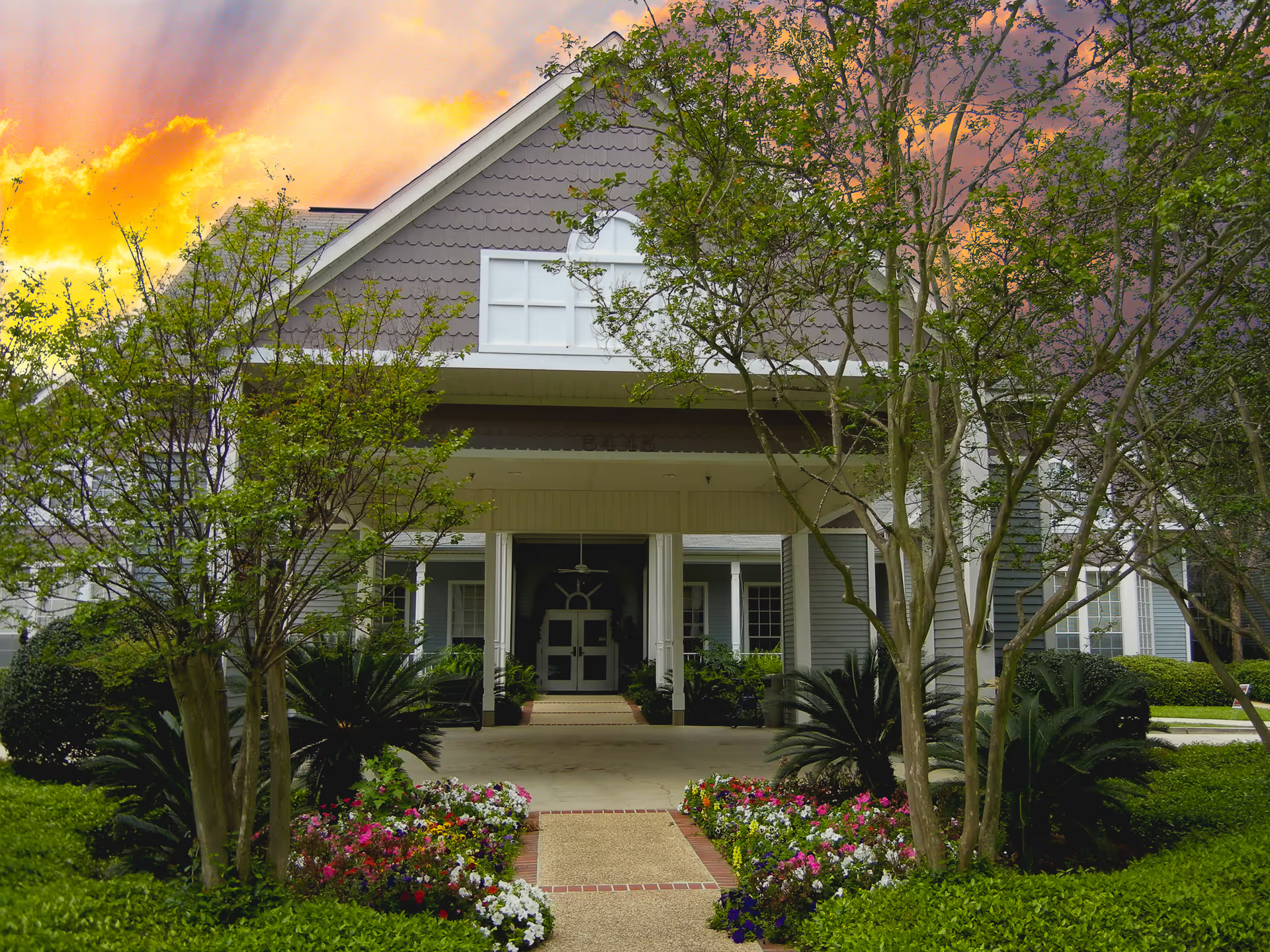
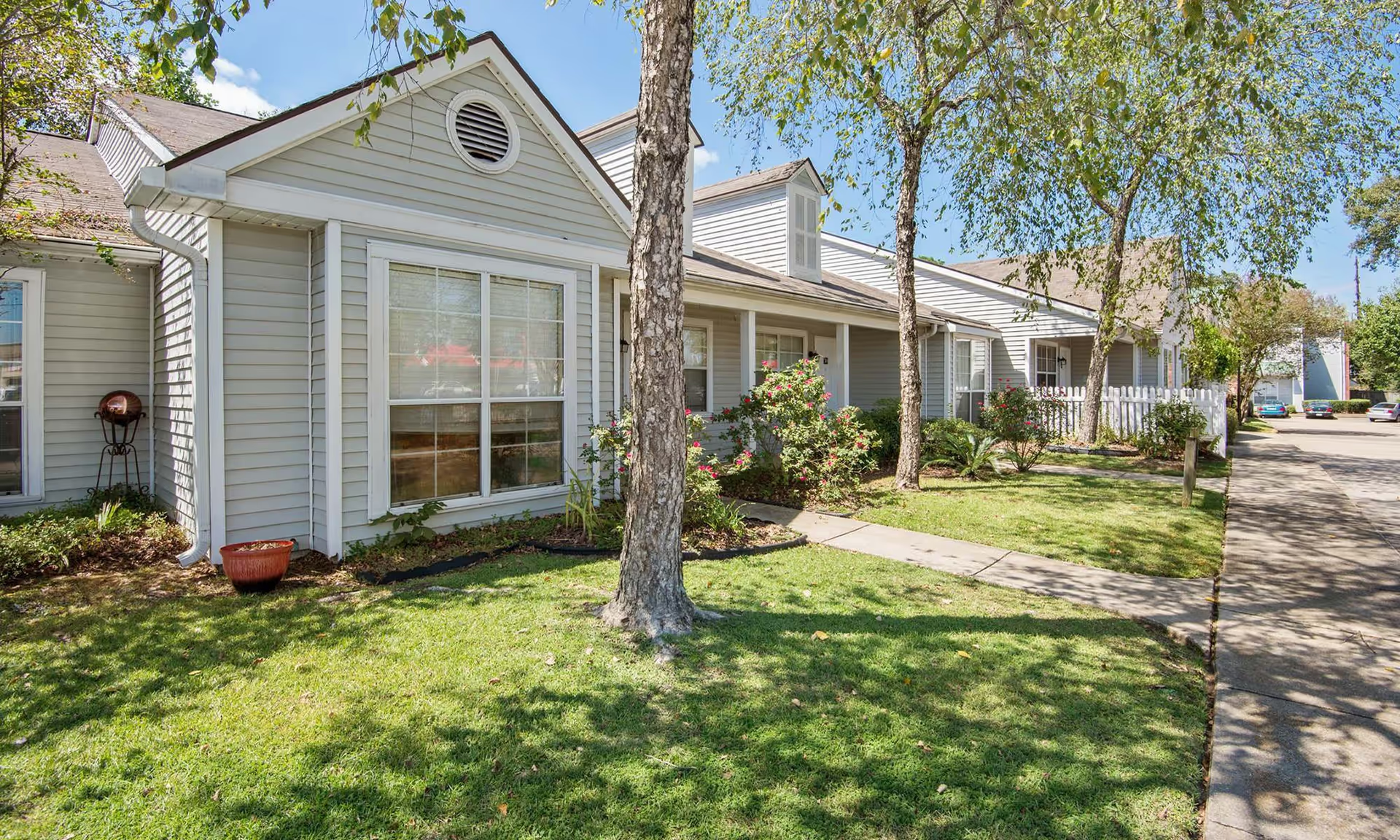
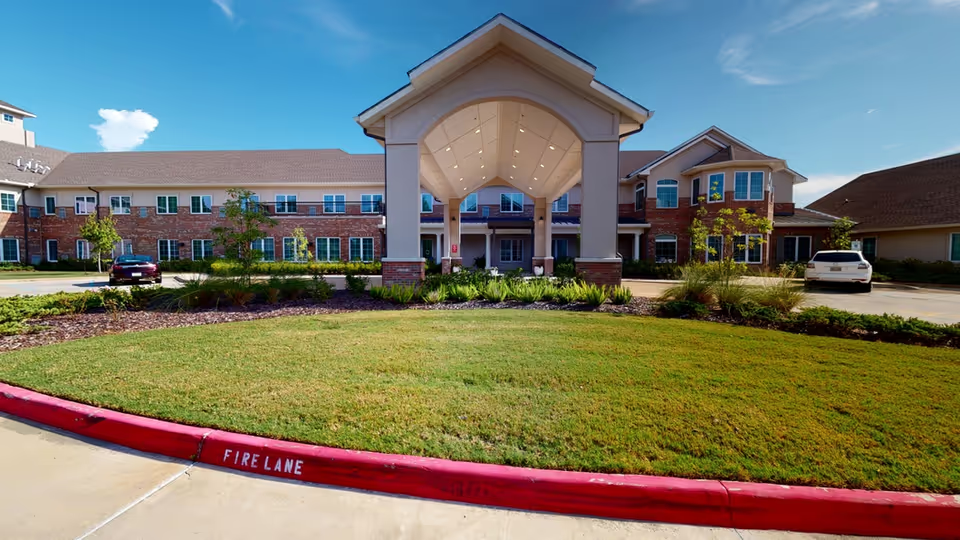
The reviews for Landmark of Baton Rouge describe a facility with clear strengths alongside recurring operational weaknesses. Many families and visitors emphasize the facility’s physical environment and amenities: clean, well-decorated interiors, attractive landscaping, spacious dining rooms, and comfortable common areas including art and music spaces. Maintenance and admissions staff are frequently described as helpful and responsive, and intake/check-in processes have been noted as efficient. Rehabilitation services (physical and occupational therapy) receive positive mention for improving mobility and function for post-surgical and long-term residents.
Direct-care and clinical staff elicit mixed but often positive impressions. Numerous comments highlight friendly, compassionate CNAs and nurses, individualized meal service, and effective medication management and social work support. Several caregivers and administrators are singled out as going above and beyond, creating a reassuring atmosphere for families. At the same time, other reviewers describe significant variability in staff performance: slow response times to calls for assistance, inconsistent hygiene and incontinence routines, and occasional lapses in clinical follow-up such as wound-dressing changes and adherence to physician orders. These operational inconsistencies have been associated by reviewers with avoidable health complications and hospital transfers, and have contributed to anxiety among some families.
Dining and activities are another area of mixed feedback. The facility offers varied programming — arts, music, church services and organized events — and some residents receive personalized, appealing meals. However, reviewers also report variability in meal quality and occasions where residents did not receive appropriate help with eating. Activity availability appears uneven across stays, suggesting differences in engagement depending on unit or staffing on a given day.
Management and communication emerge as persistent themes. Positive accounts describe clear, regular communication and confidence in administration, while negative accounts point to delayed or absent family notifications (including after critical events), slow phone responsiveness, and breakdowns between departments such as front desk and maintenance. Concerns about financial or property handling have been raised, including at least one allegation regarding missing resident funds or belongings, which families understandably flagged as needing investigation.
Overall, Landmark shows many features families value: a pleasant environment, dedicated staff members, and solid rehabilitation capabilities. However, the pattern of inconsistent staffing, gaps in timely clinical and personal-care responses, variable meal and activity reliability, and uneven administrative communication suggests operational areas that would benefit from targeted quality-improvement efforts. Prospective residents and families should weigh the facility’s physical and programmatic strengths against these operational variability patterns, ask specific questions about staffing and clinical protocols, and request documentation of communication and incident-response policies during tours and admissions discussions.