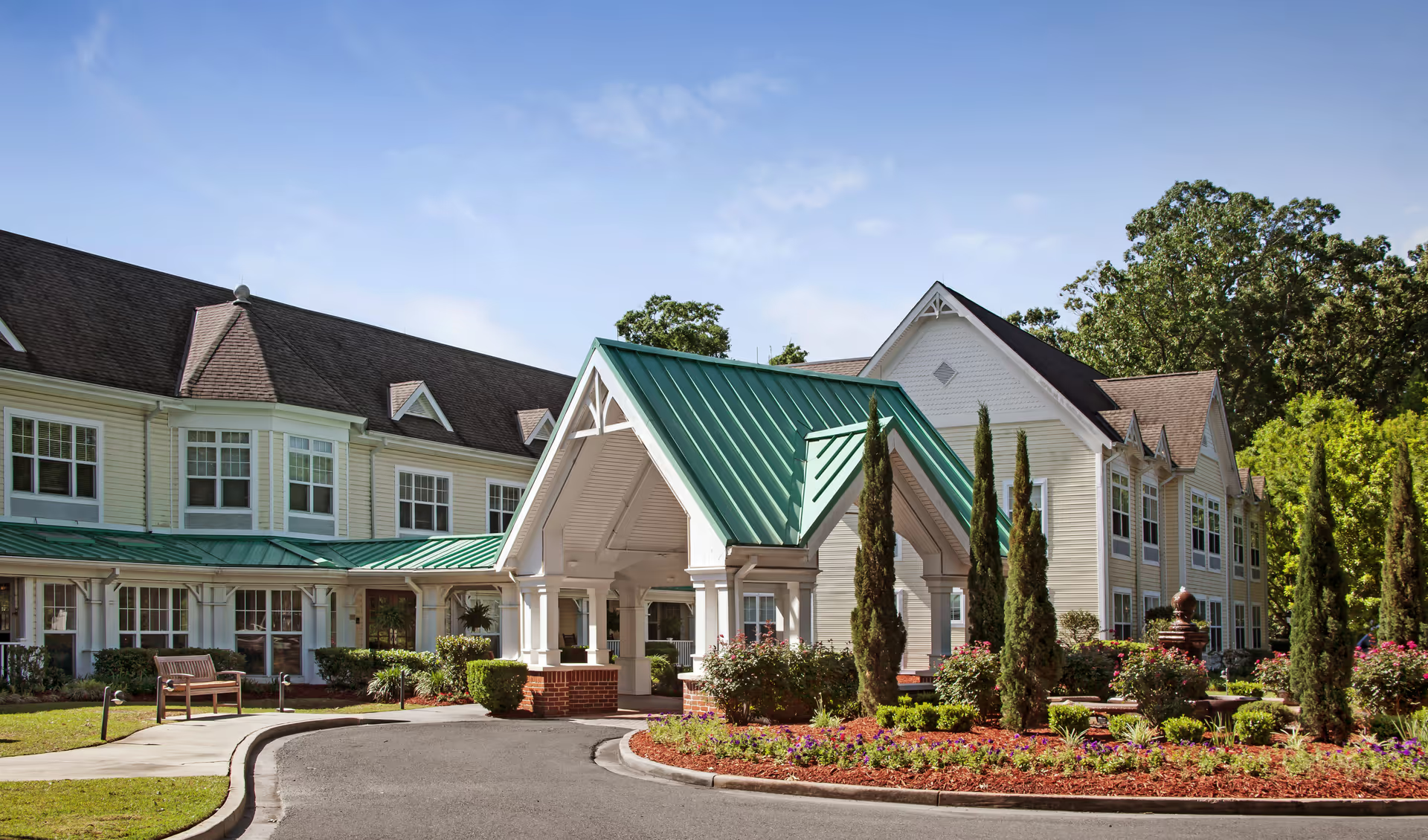
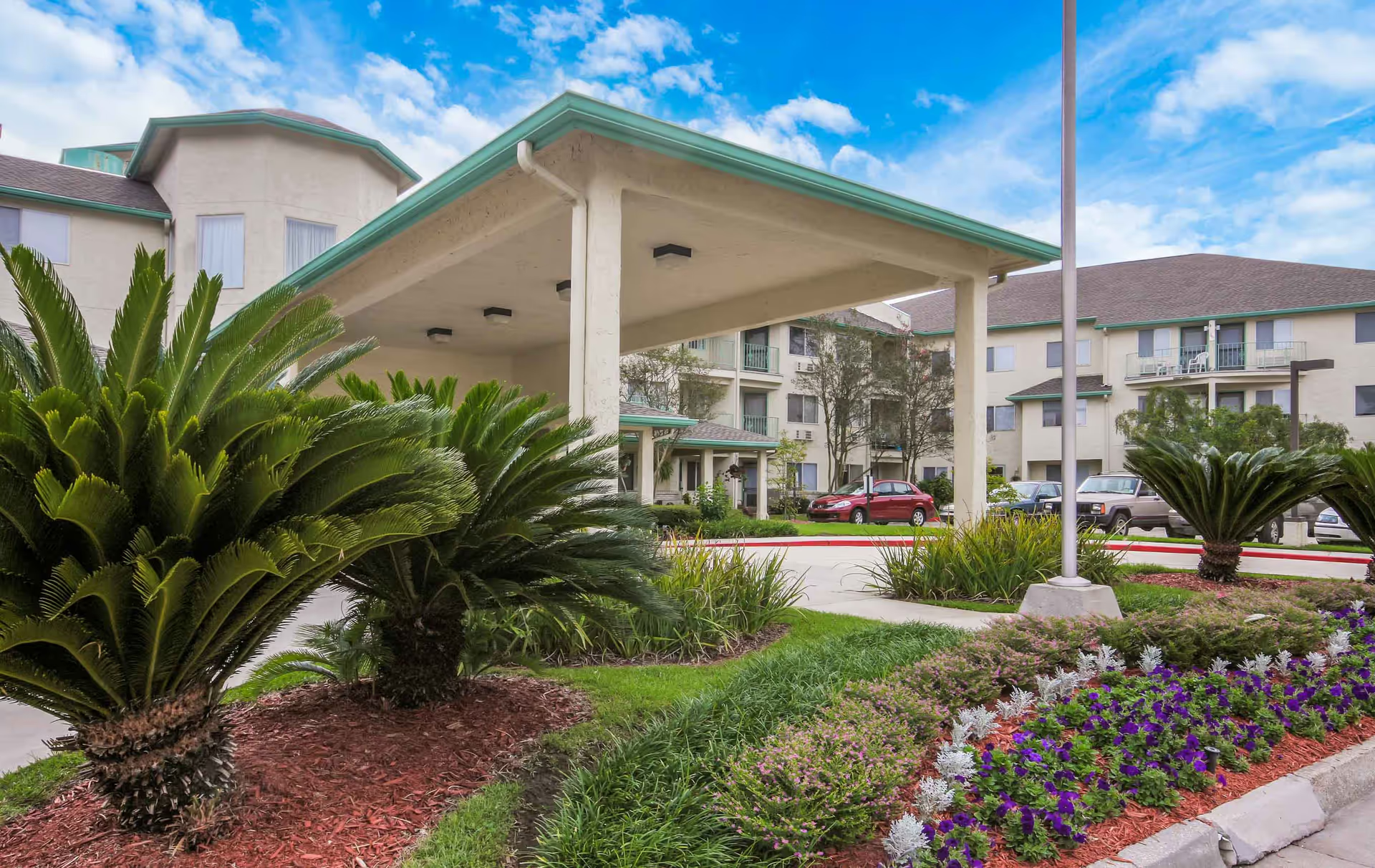
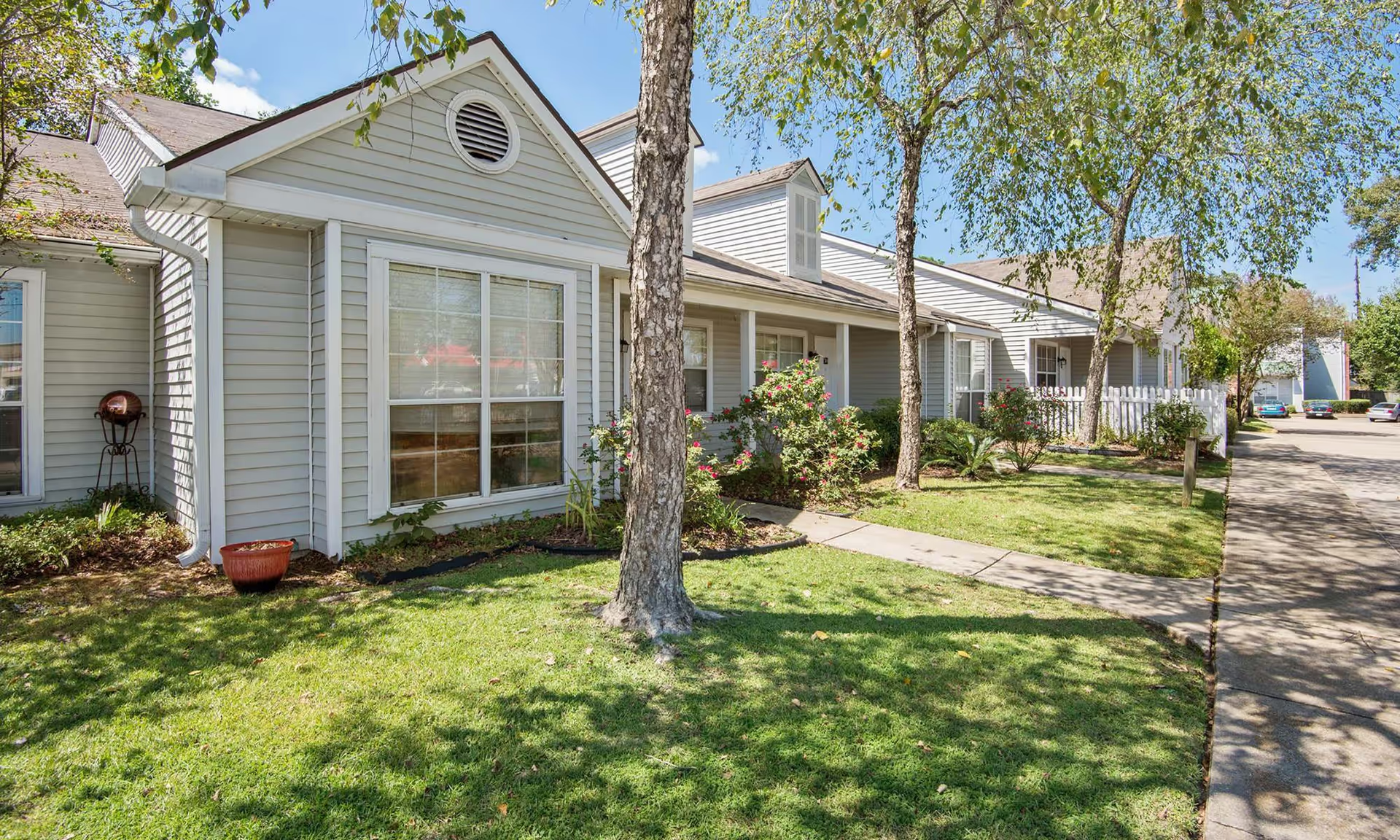
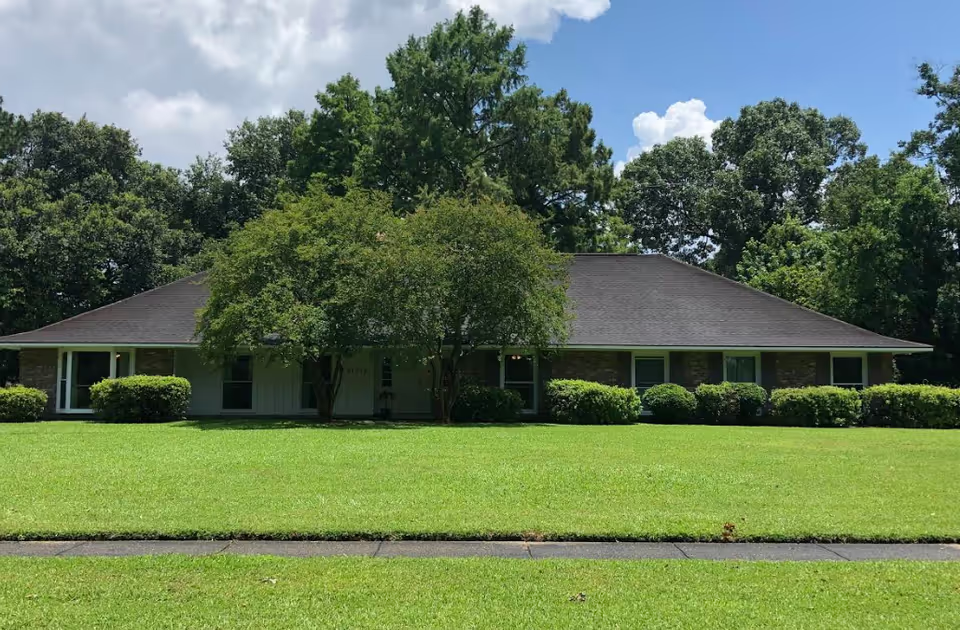
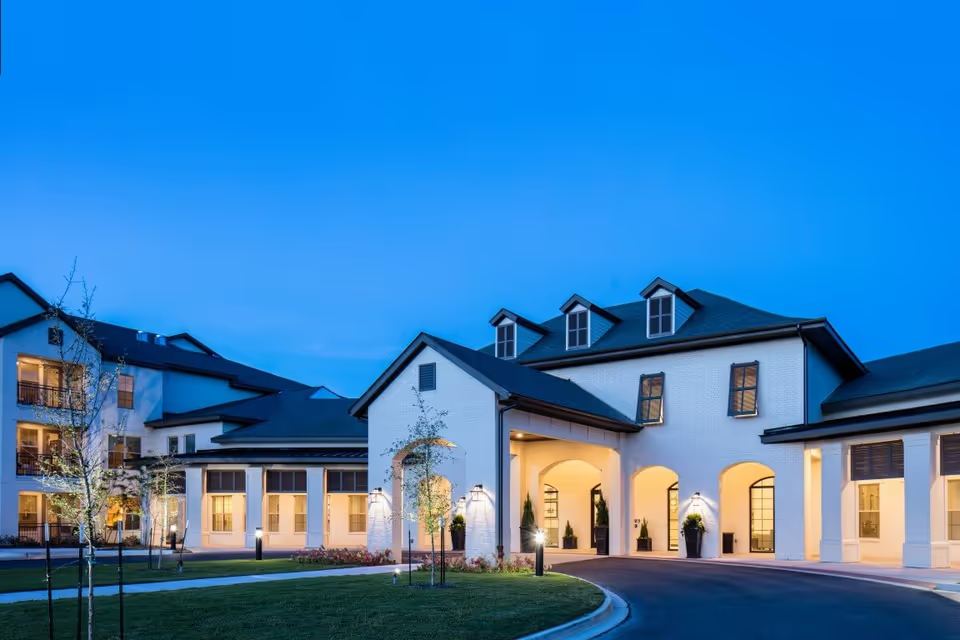
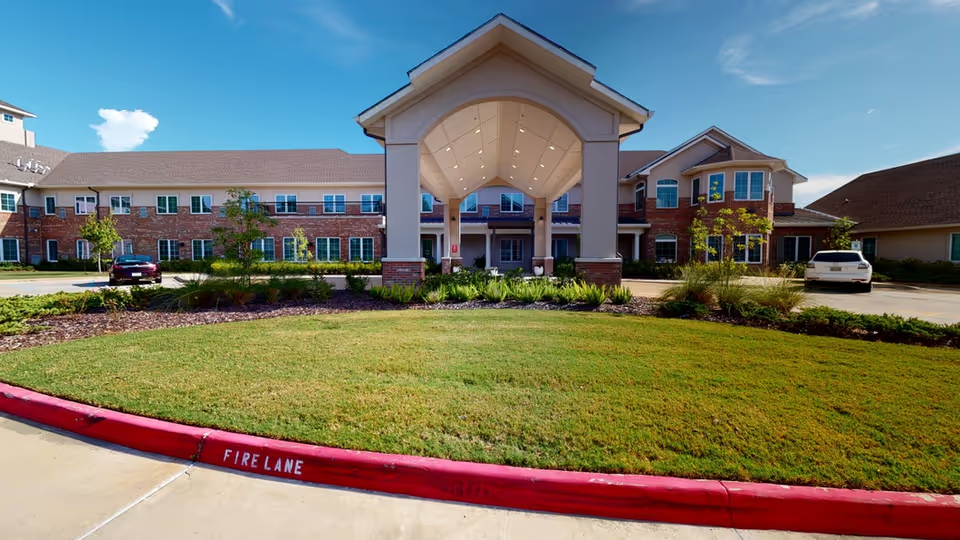
Overall impression: Reviews present a mixed picture in which clear strengths coexist with recurring operational weaknesses. Many families and visitors praise the facility's appearance, noting clean and attractive interiors, a peaceful atmosphere, and semi‑private rooms that provide a degree of privacy. Numerous comments highlight individual staff members who are caring, attentive, and professional; for some residents and families this translated to high‑quality, dignified care and reassurance during difficult transitions.
Care and clinical concerns: A prominent pattern relates to variability in clinical care quality. Several accounts describe timely, compassionate care, while others point to inconsistent monitoring and follow‑up — for example, delayed responses after falls, progression of pressure wounds, and gaps in post‑incident communication. These patterns suggest weaknesses in transfer‑safety practices, wound surveillance, and incident follow‑up rather than isolated technical errors. There are also concerns about coordination with hospice and medication processes; some families experienced confusing or inconsistent actions around medications and end‑of‑life care.
Staffing and conduct: Staffing levels and reliability are recurring issues. Reviewers note inconsistent staffing across shifts, especially evenings, and frequent turnover or reassignment of CNAs and nurses. This contributes to delays in attending to residents, lapses in routine tasks (such as alarm management and restroom assistance), and variability in staff conduct and responsiveness. While many staff members are described as compassionate and professional, families also describe occasions of poor responsiveness and concerns about staff tone and handling, indicating uneven training or supervision.
Dining, equipment, and environment: Dining service elicited mixed feedback: some reviewers praised meal presentation and the facility's ambiance, while others noted cold or delayed meals and the need to request basic items such as water or ice. Equipment and supply availability (wheelchairs, oxygen delivery, covered pitchers) was cited as sporadic, which can affect timeliness of care. Maintenance impressions vary by area — commonly described as clean and well cared for, yet some comments point to localized maintenance and sanitation concerns in outdoor or communal spaces.
Management, communication, and oversight: Communication with families and transparency around incidents are areas of consistent concern. Reviewers describe insufficient notification after falls or clinical declines, missing personal items or medications, and limited follow‑up from management. A minority of accounts reference serious allegations that prompted external review; these accounts underscore family frustration with investigation transparency and organizational oversight. Conversely, other families report proactive nurse outreach and regular care conferences, indicating inconsistency in administrative follow‑through.
Notable patterns for decision‑making: The facility appears to offer a well‑maintained environment and several exemplary caregiving staff, but operational inconsistencies—particularly staffing reliability, clinical follow‑up, family communication, dining continuity, and equipment availability—create variable experiences. Prospective residents and families should evaluate current staffing patterns (especially evening coverage), clarify procedures for incident notification and investigation, verify hospice/medication coordination practices, and tour specific units to assess cleanliness and supervision. Where continuity of nursing assistants and transparent incident processes are priorities, further inquiry prior to placement is advisable.