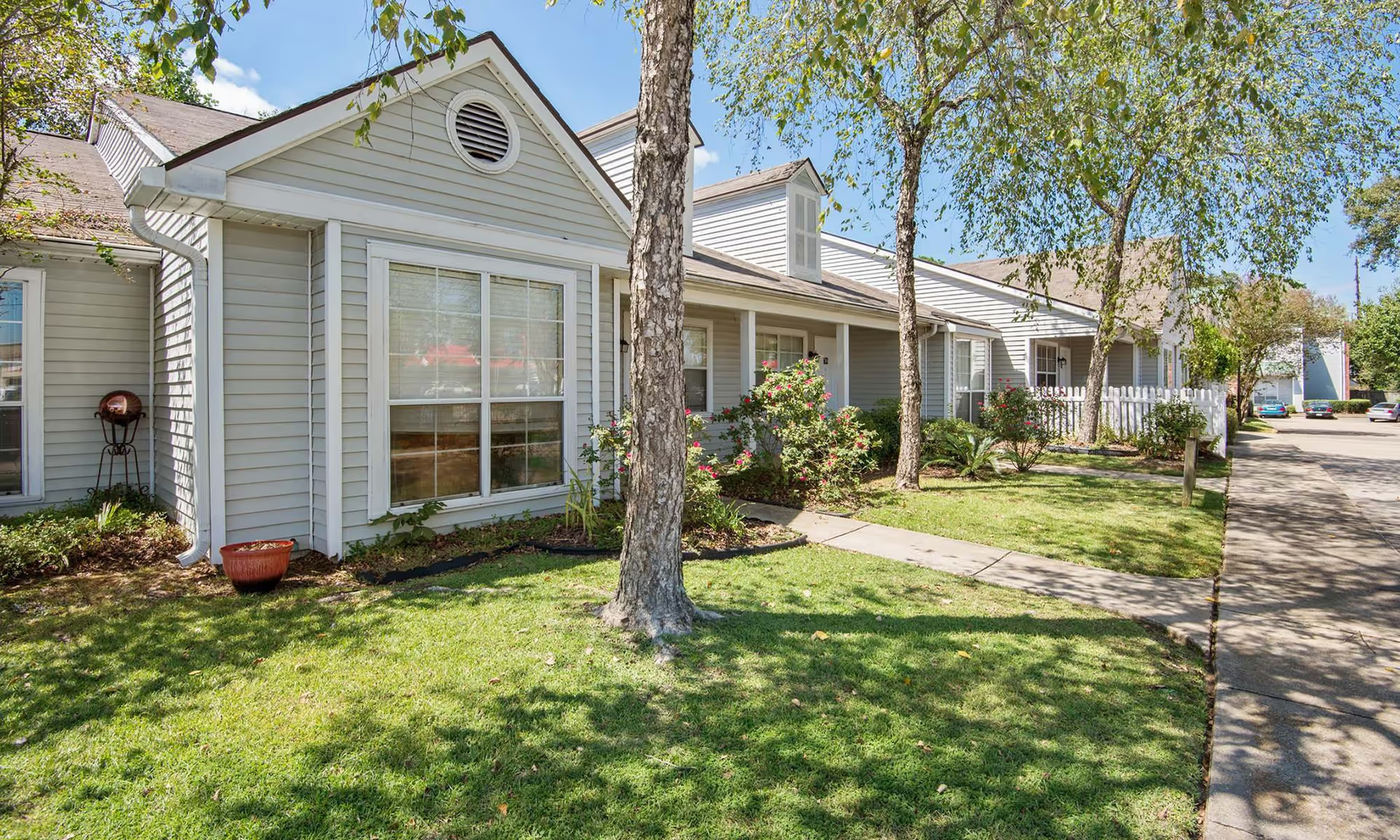
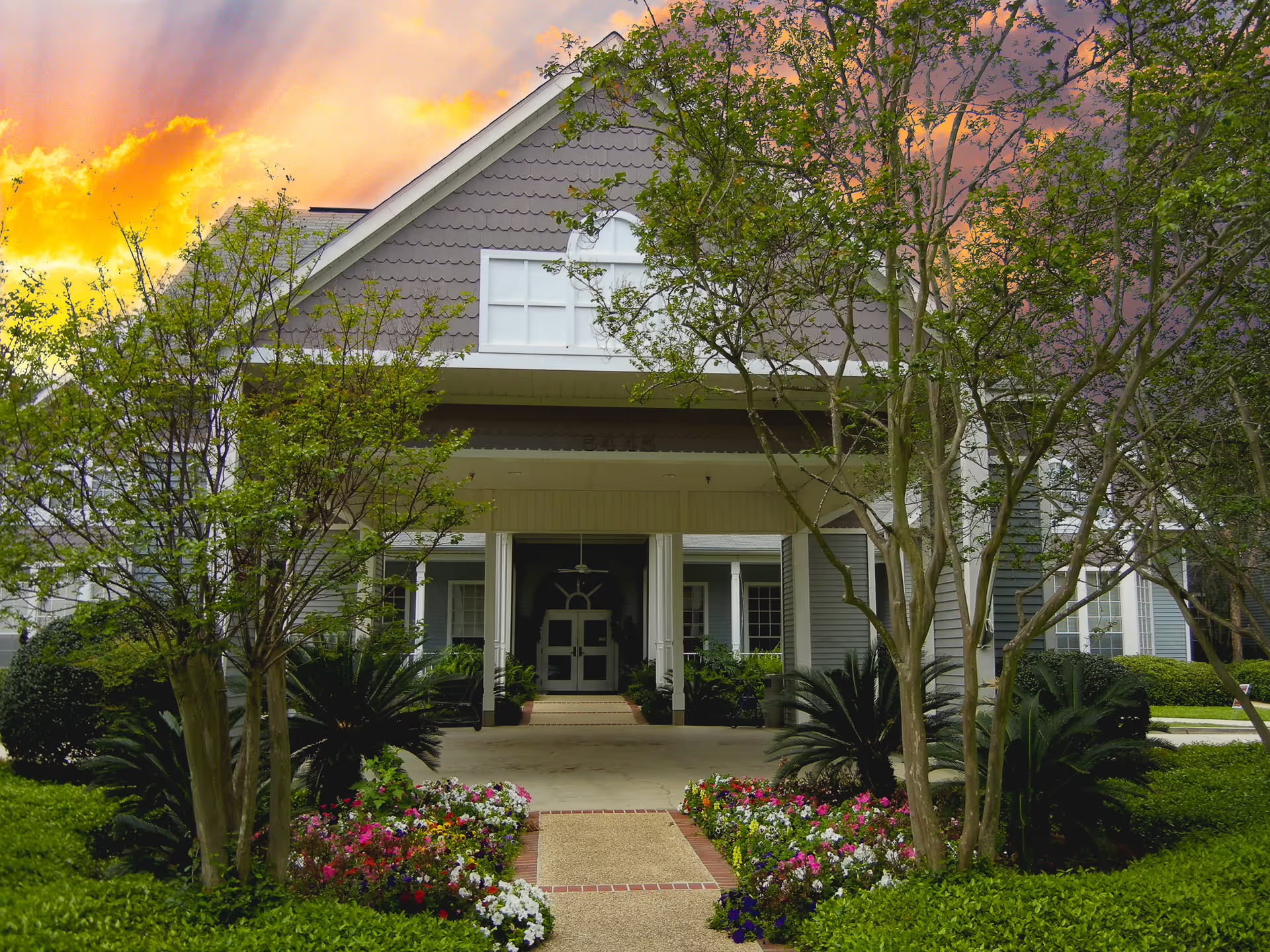
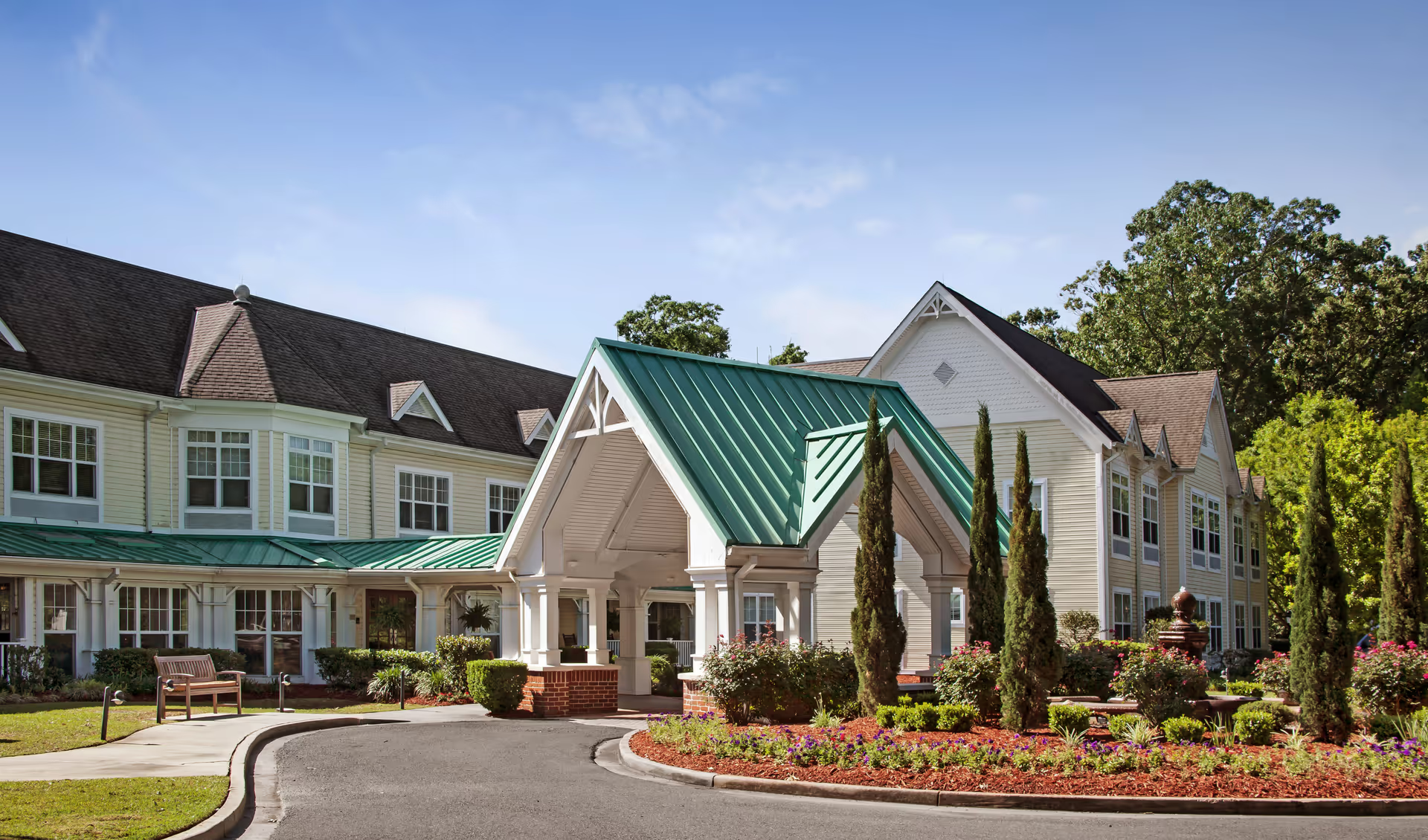
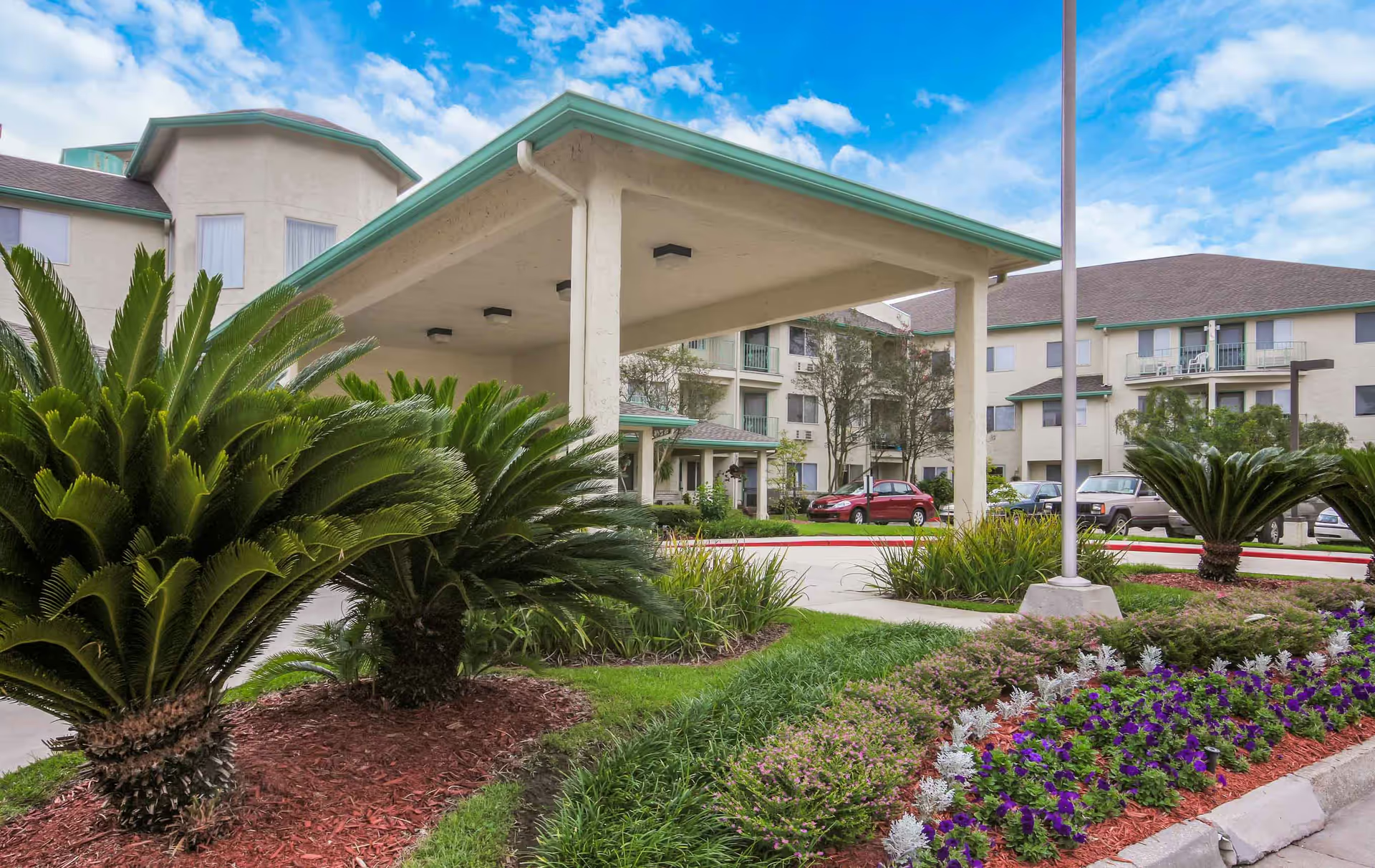
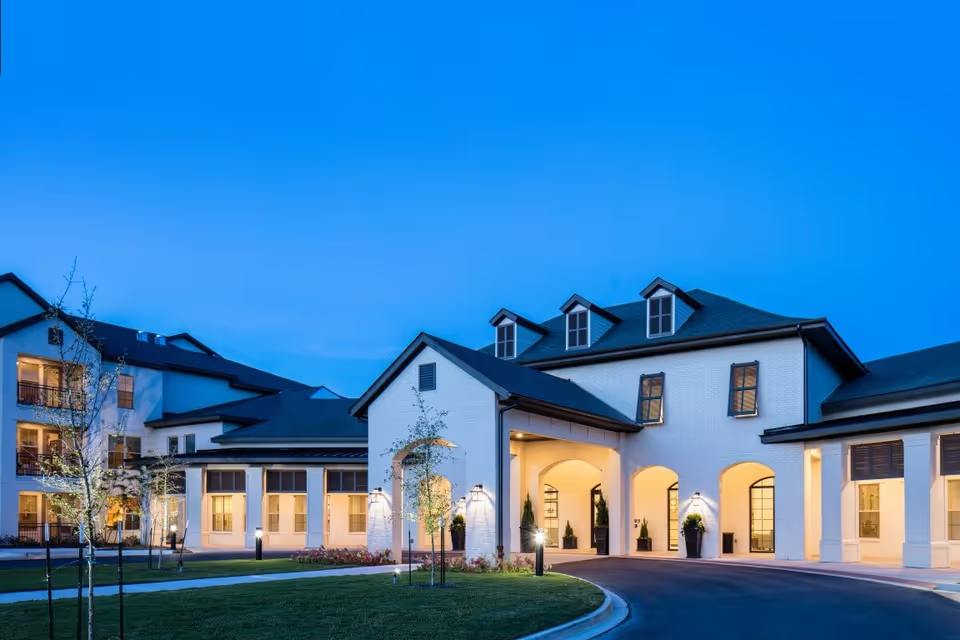
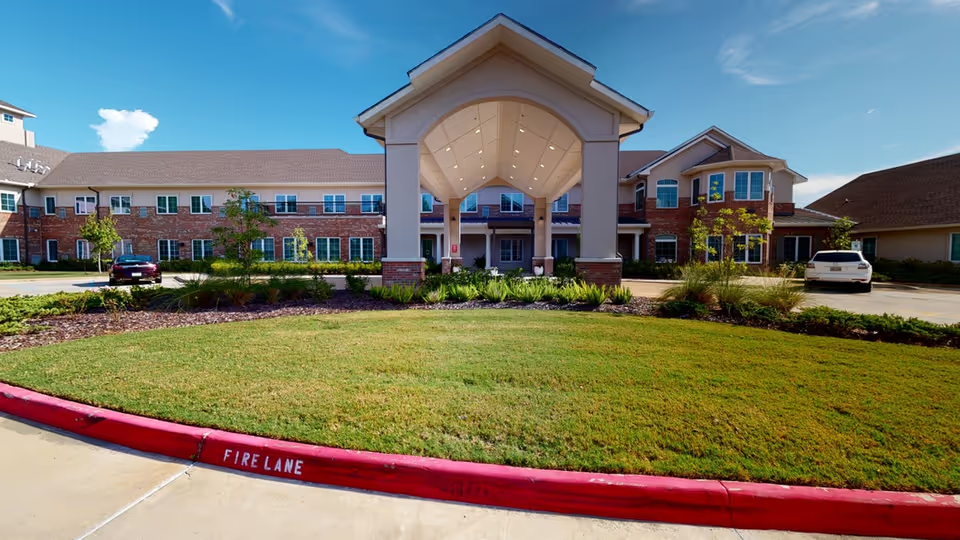
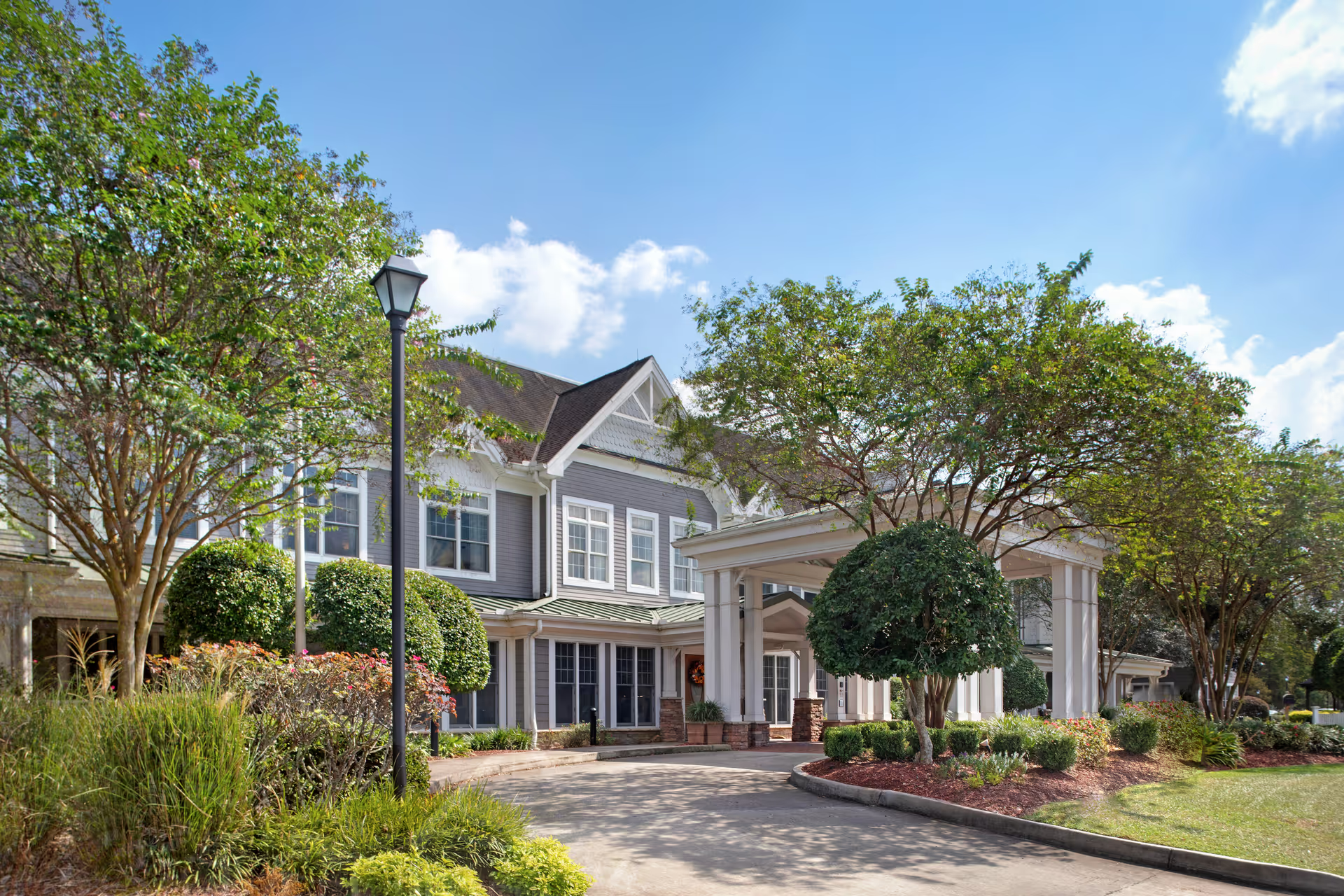
Overall impression: The facility presents as a large, well-appointed senior living campus with many built-environment strengths: spacious apartments, a hotel-like foyer, attractive grounds with water views, multiple dining venues, an indoor pool, and a range of housing options from cottages to multi-bedroom units. Many residents and families describe an engaged community with plentiful social programming and the convenience of included services such as housekeeping, laundry, transportation, and on-site medical and rehab services.
Care and staff: Staff performance is the most polarized theme. Numerous accounts praise attentive, long-tenured caregivers and supportive administration—staff described as kind, communicative, and effective, especially during infection-control events. Conversely, other accounts indicate variability in staff conduct and experience, higher turnover, and examples of unresponsive or discourteous interactions. Operationally this translates into inconsistent responsiveness to call lights and occasional shift-to-shift continuity problems. There are also documented gaps in clinical-incident response and family communication; at least one case includes an allegation involving clinical documentation and Medicare interaction. Prospective families should clarify staffing ratios, on-shift clinical oversight, and incident-reporting procedures during tours.
Dining and activities: Dining receives generally positive feedback, with several mentions of strong meals and restaurant-style service (Sunday brunch was singled out favorably). However, meal quality and presentation appear to vary across time and units, and some residents have reported dissatisfaction. The activity program is robust in scope—examples include water aerobics, cognitive programs, parties, and regular social events—but some reviewers describe inconsistencies between published calendars and actual offerings, suggesting the need to verify current programming and participation levels.
Facilities and maintenance: The physical plant is a clear selling point: attractive landscaping, large rooms with high ceilings, garages, and multiple communal spaces. At the same time, parts of the campus are described as worn and in need of updates; renovations are reportedly underway in some areas. Prospective residents should inspect the specific unit types and confirm what amenities and finishes are included in their contract.
Management, transparency, and costs: Management receives mixed evaluations. Administration was praised for communication during public-health events, yet there are recurring concerns about transparency—particularly around pricing, what fees include, and accuracy of marketing materials and unit descriptions (including photos). Many reviewers note that monthly costs are high and sometimes perceived as disproportionate to the level of care provided. Operational practices around bed allocation and skilled-nursing capacity have also raised concerns: accounts suggest limited on-campus skilled-nursing availability and policies that can affect resident access to higher-acuity beds.
Notable patterns and guidance: Strengths cluster around amenities, social life, and attentive staff when staffing is stable. Weaknesses cluster around inconsistent clinical responsiveness, staffing variability, transparency about costs and unit features, and occasional sanitation or maintenance shortfalls. For prospective residents and families, recommended due diligence includes: reviewing the contract for included services and fee structures, asking about staffing levels and turnover, visiting at different times to observe shift changes and mealtimes, confirming skilled-nursing bed policies and transfer procedures, sampling dining options, and requesting current activity calendars and unit-specific photos. These steps will help clarify whether the facility’s strong physical and social offerings align with an individual’s clinical and care-safety needs.