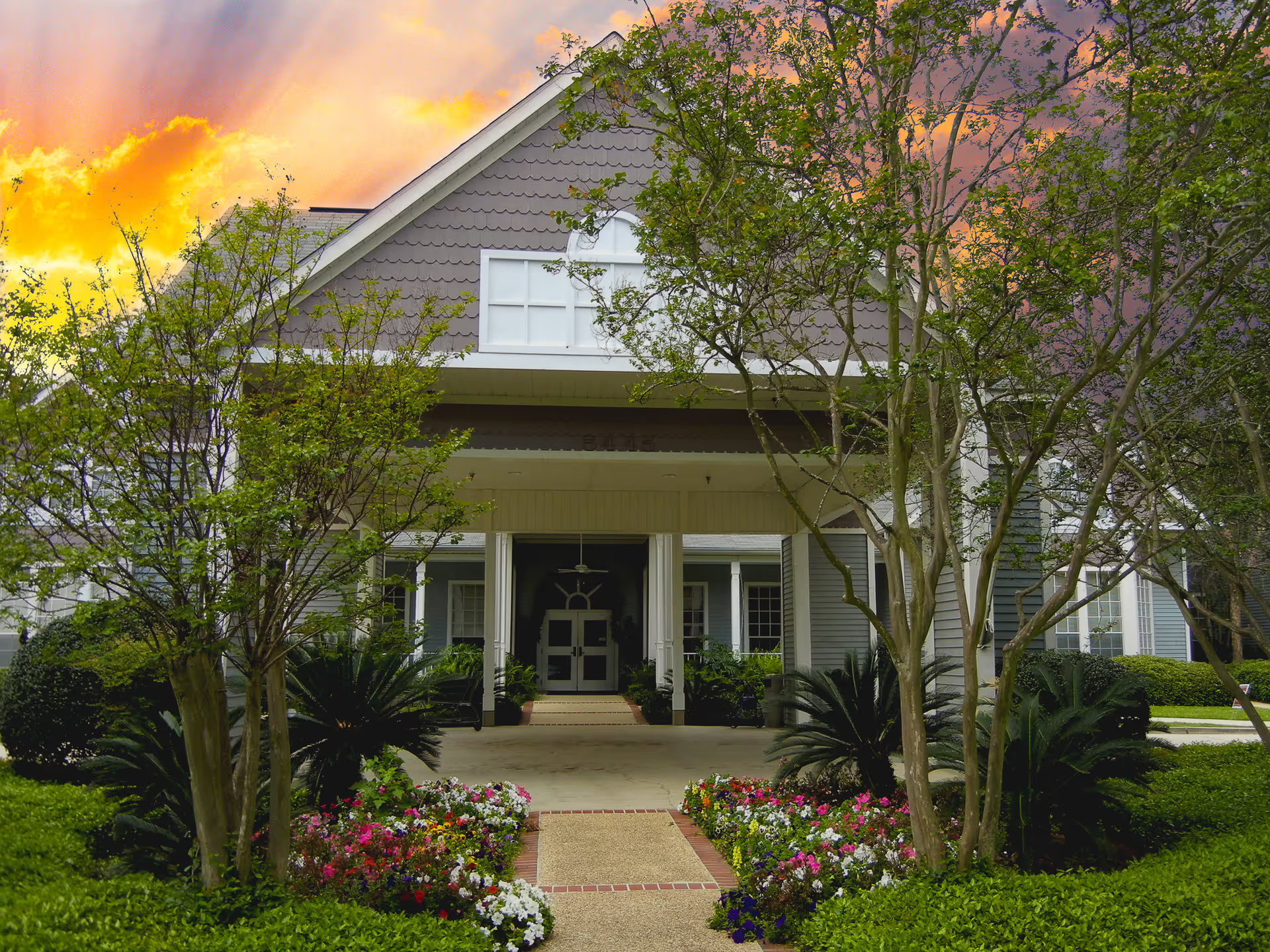
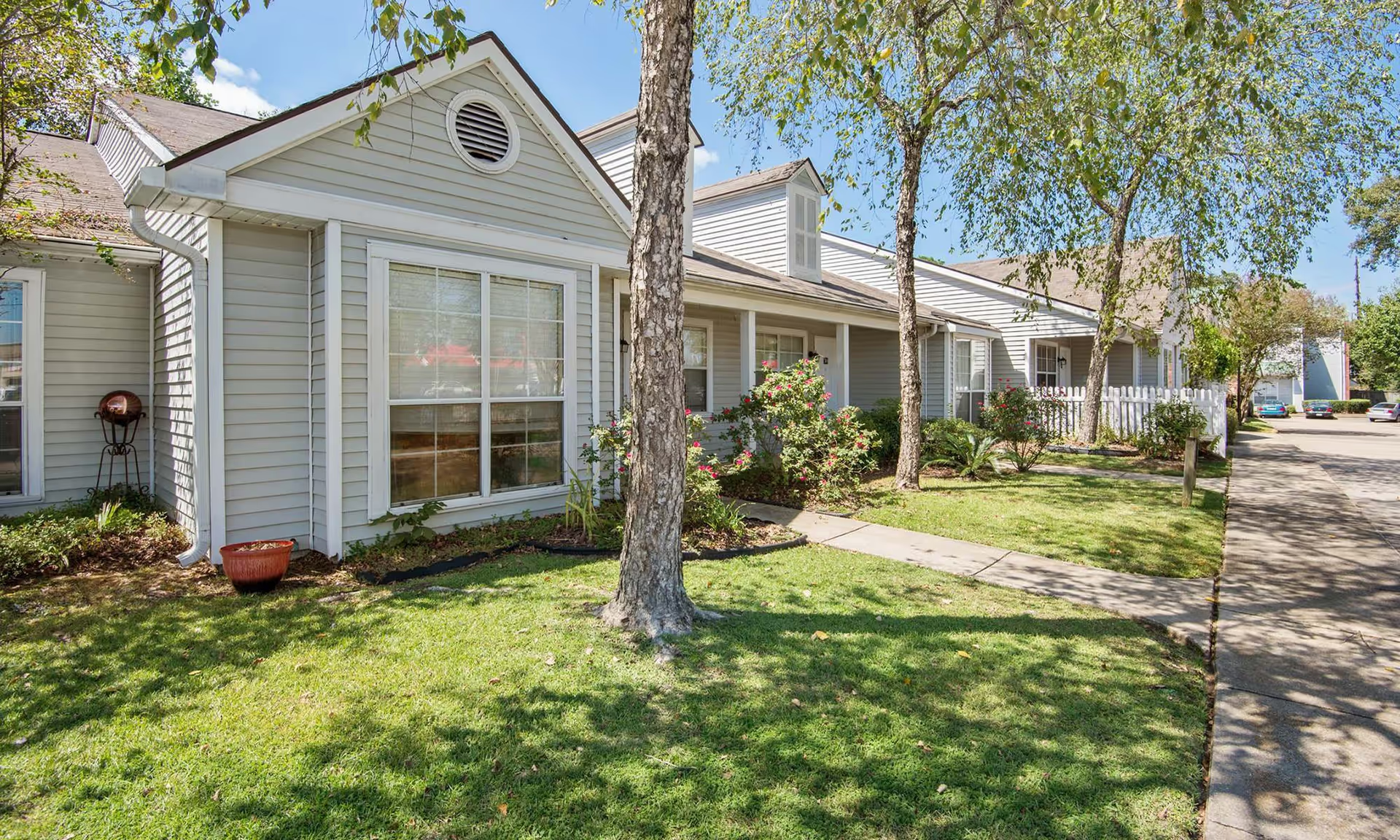
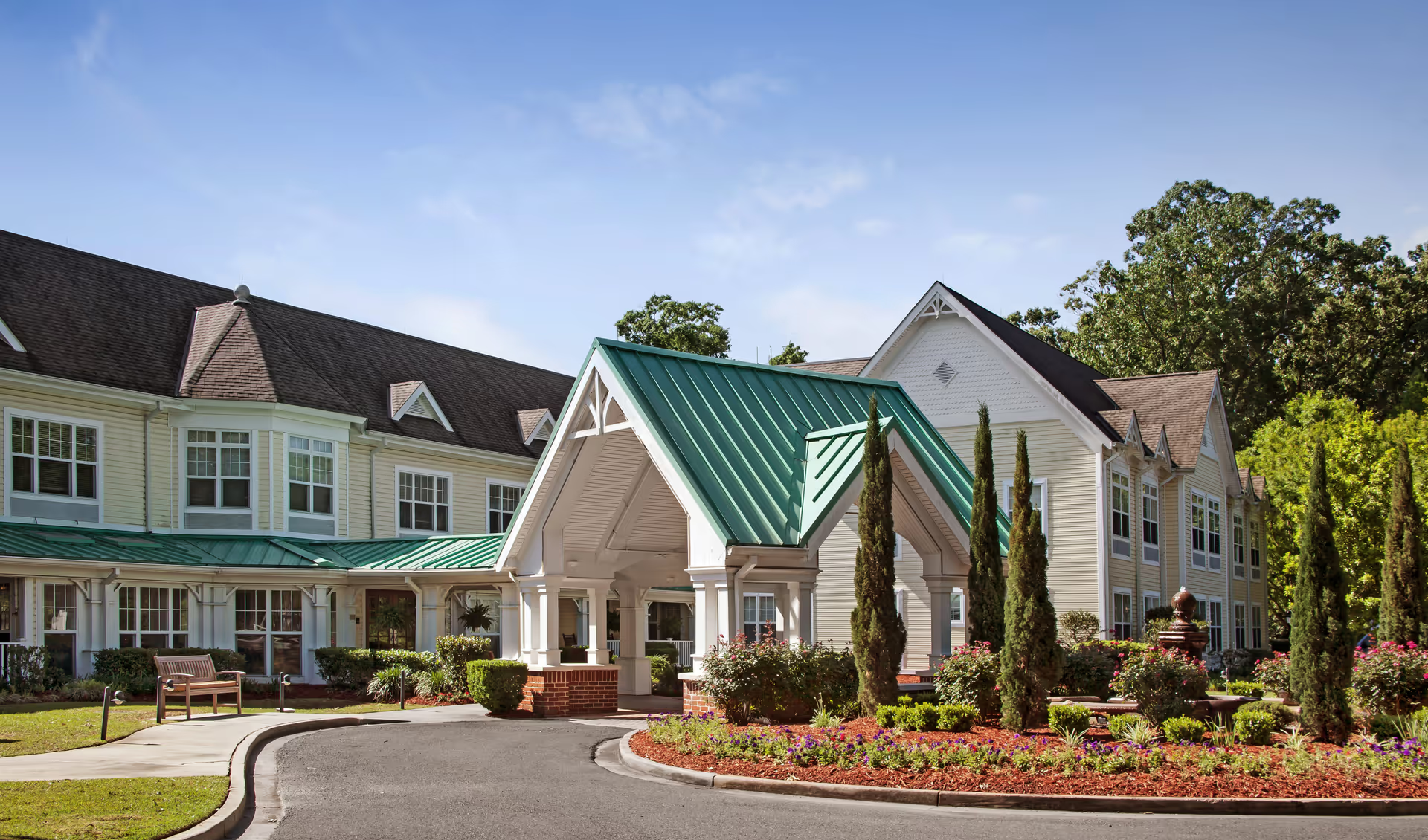
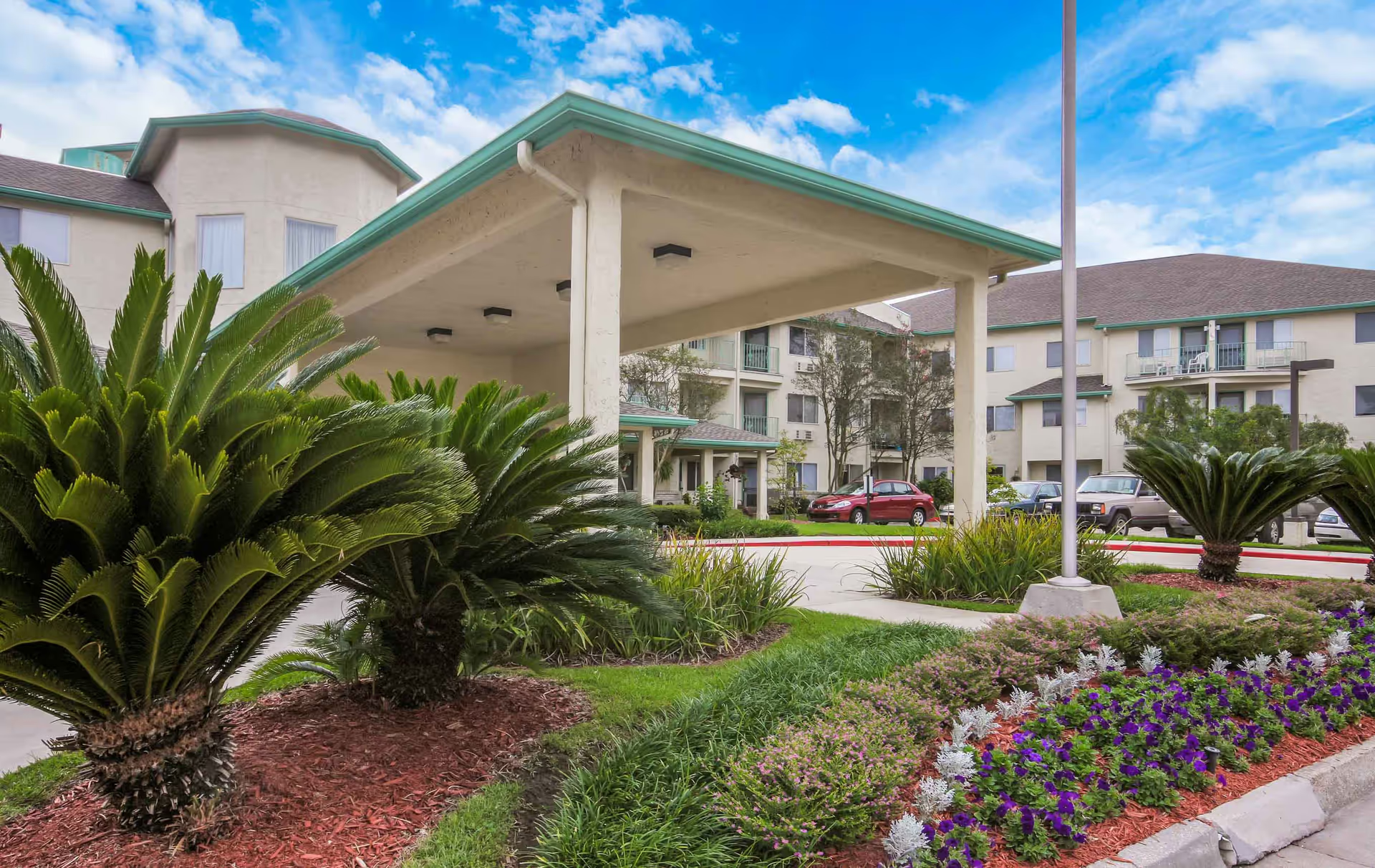
Reviews describe a facility with a mix of clear strengths and recurring operational weaknesses. Positively, multiple accounts highlight dedicated caregivers, effective physical and speech therapy that produced measurable functional gains for some residents, and the presence of on-site skilled nursing and allied-clinical support (pharmacy, dietetics, RNs). Families frequently note an engaging activities program, a well-kept courtyard and common areas, a friendly reception, and a budget-friendly option located near a hospital — features that can be important for short-term rehabilitation stays and family visits.
Clinical-care experiences appear highly variable. Several families praised therapy staff and reported meaningful recovery, while others raised significant concerns about assistance with activities of daily living, post-operative continuity, and clinical monitoring. Specific operational themes include gaps in repositioning and pressure-injury prevention, inconsistencies in medication administration and monitoring, and worries about tube-feeding and aspiration-prevention positioning. There are also accounts of discharge and transfer coordination problems that suggest weaknesses in internal handoff and documentation processes.
Staffing, professionalism, and communication emerge as central drivers of the divergent experiences. Some reviewers describe caring, attentive personnel who provide reassurance and support; others describe inconsistent supervision, delayed responses to resident needs, and what they perceive as unprofessional conduct. Management responsiveness and escalation pathways are frequently cited as areas for improvement — families report difficulty obtaining timely status updates and that complaint responses can be inadequate. Staffing pressures related to COVID and local emergencies were mentioned as contributing factors to reduced responsiveness at times.
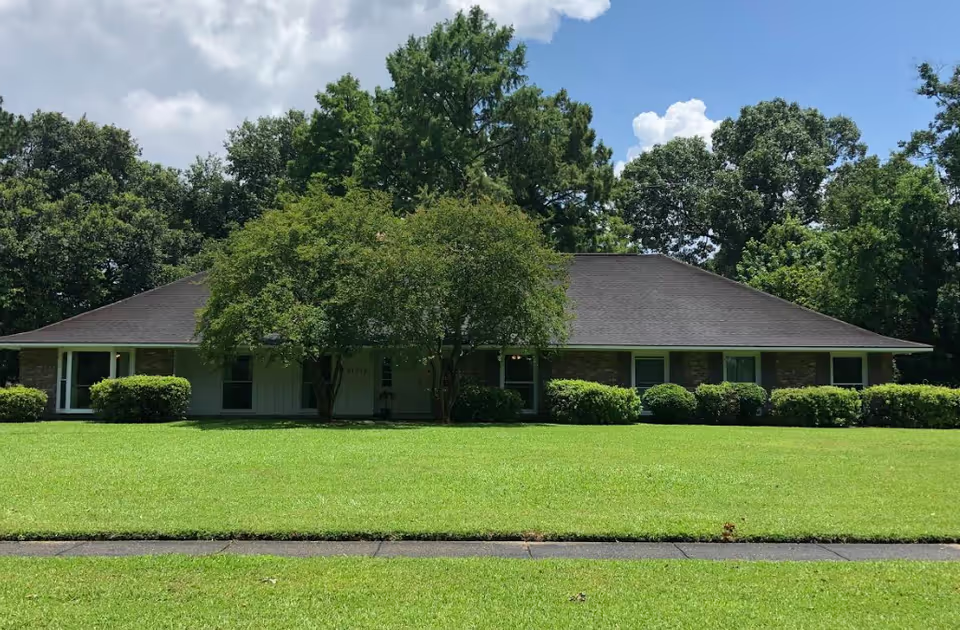
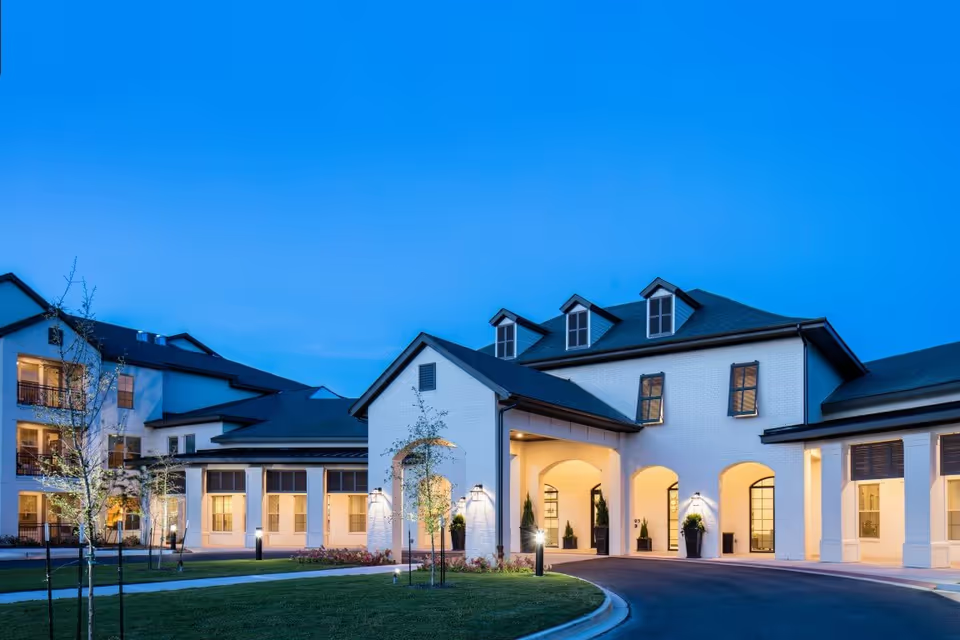
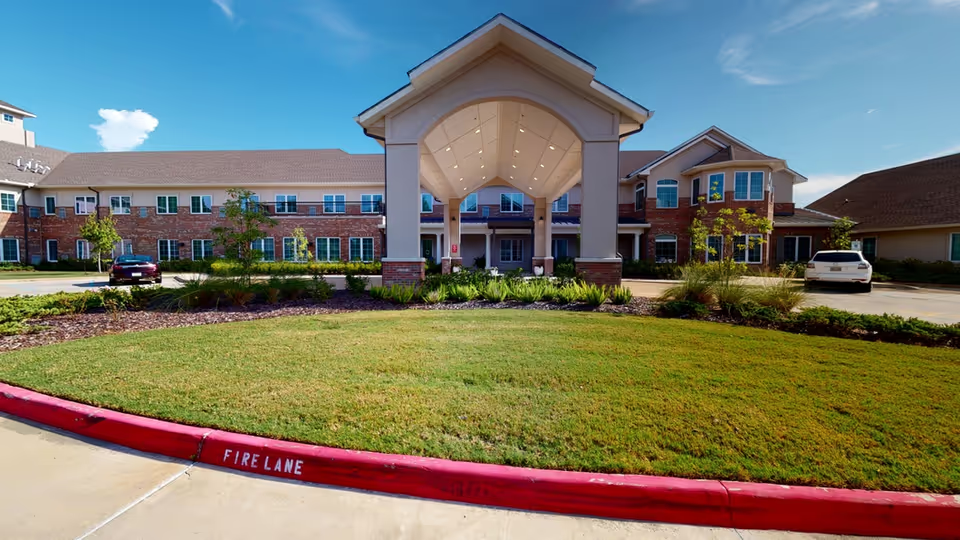
Facility features and hospitality are similarly mixed. The environment is often characterized as functional and somewhat institutional — tile floors and a clinical ambiance — rather than upscale, though remodeling efforts and clean public spaces were also noted. Activities, music and exercise programs receive positive remarks, and the location and courtyard are assets. However, multiple accounts raise sanitation and odor-control concerns in certain areas, and reports of equipment or room-condition issues point to uneven maintenance.
For prospective residents and families, the pattern suggests that outcomes here are strongly tied to unit-level staffing, the mix of clinicians assigned, and the responsiveness of management. The facility can offer effective skilled nursing and rehabilitation at a modest cost, but decision-makers should evaluate current staffing ratios, infection-control and cleaning protocols, pressure-injury prevention and repositioning policies, medication-safety procedures, and discharge/transfer practices. An in-person visit, targeted questions about clinical oversight and incident escalation, and conversations with recent families or clinicians can help clarify whether the facility’s strengths align with an individual’s care needs.