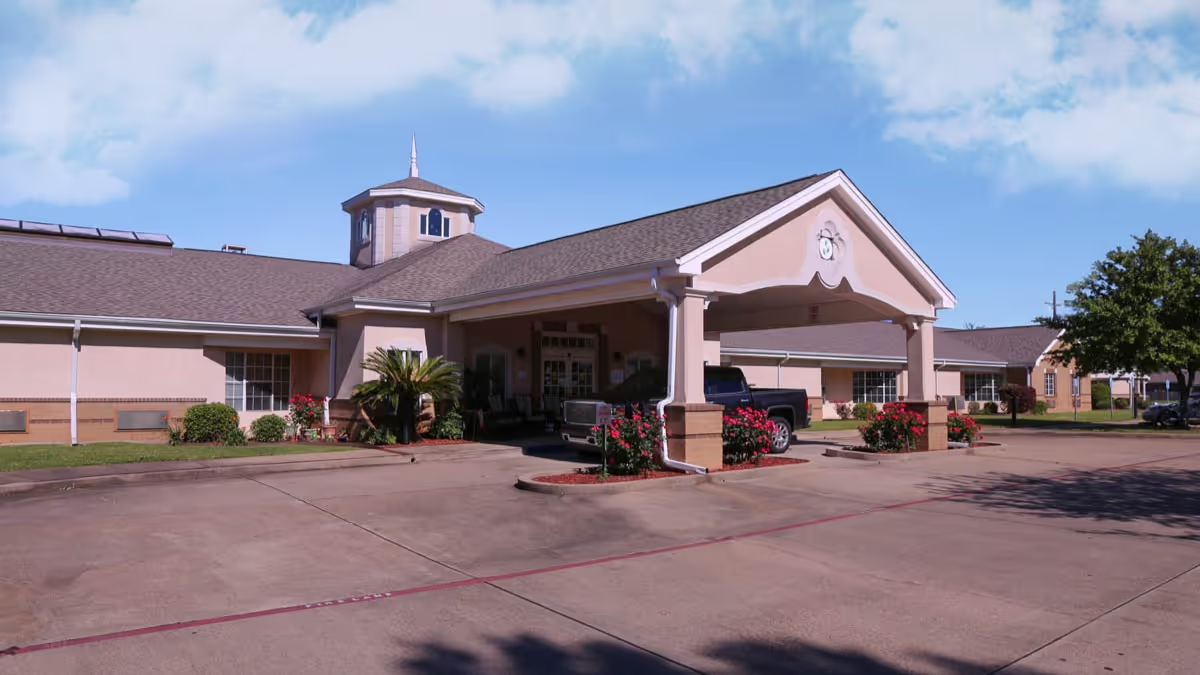
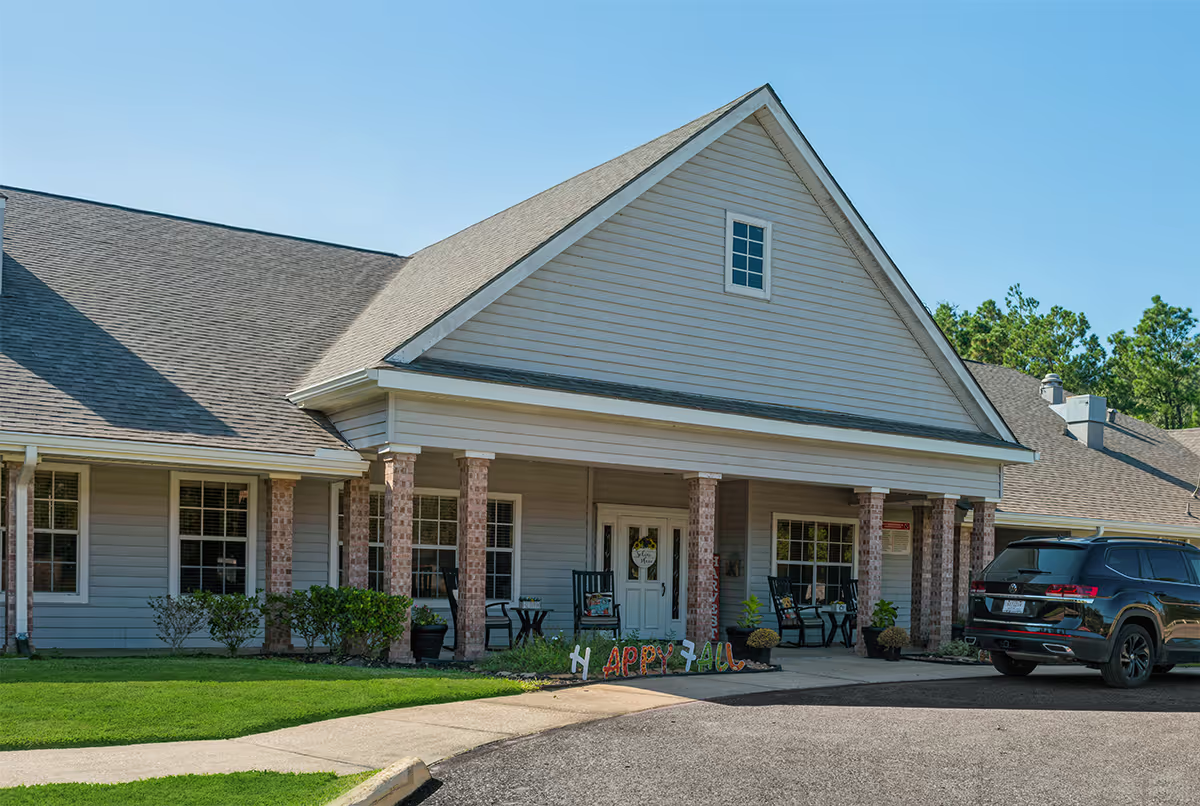
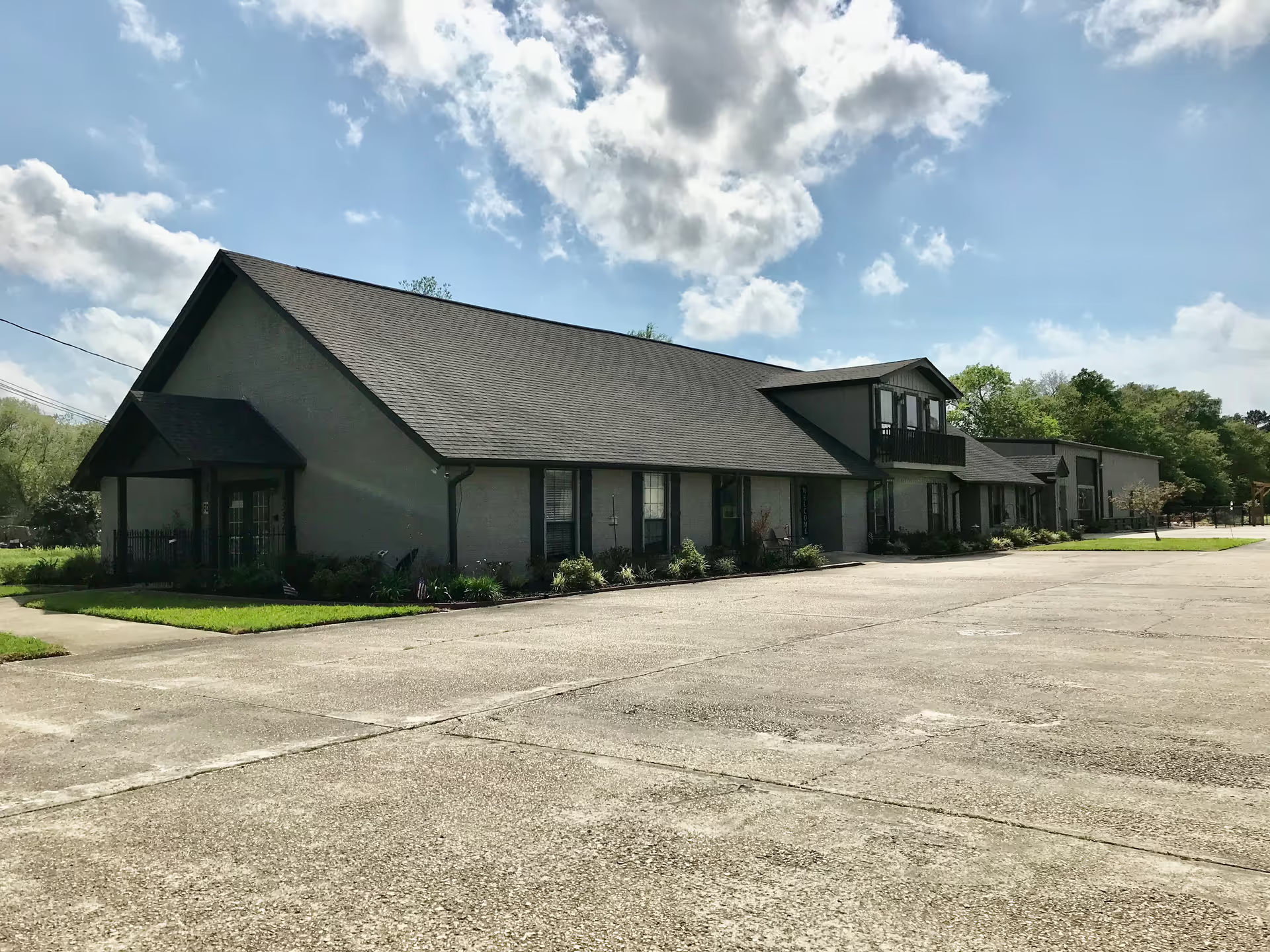
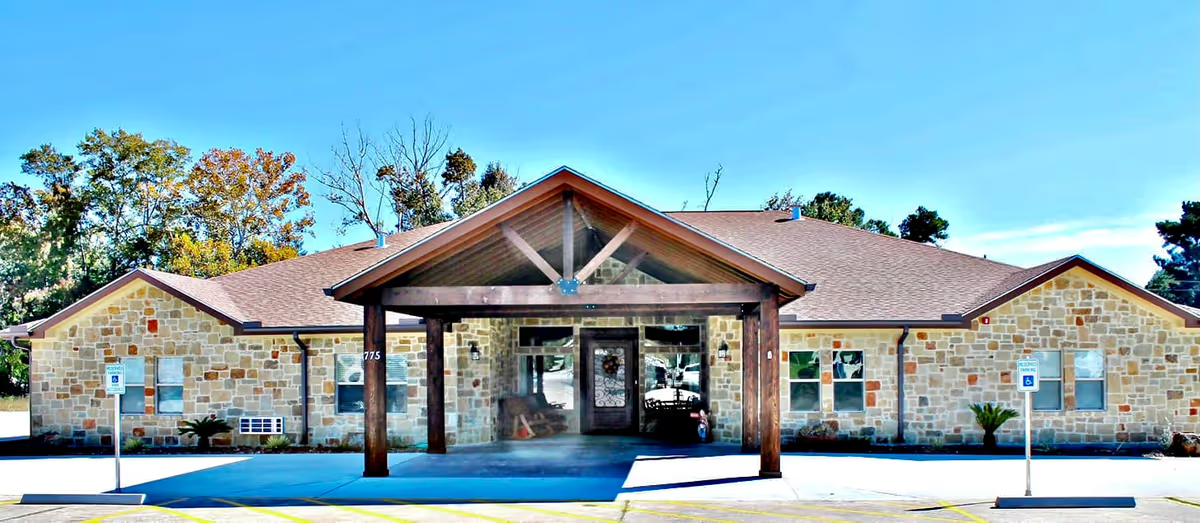
The reviews for Westwood Manor present a mixed picture with distinct positive elements alongside several operational concerns. Positively, many accounts emphasize courteous, professional nursing personnel and staff who are perceived as friendly. Dining is frequently described favorably, with reviewers noting appetizing meals. The activity program is another consistent strength: the facility appears to offer a variety of on-site programming and organized community outings that residents and families find engaging. At least one reviewer indicated that administrative staff were accessible and responsive to questions, which can support family trust when present.
Conversely, a number of reviews raise substantive facility-level concerns about how care is delivered and managed. Several comments describe inconsistent staff conduct and compassion, and a pattern in which care responsiveness improves only after family intervention. This suggests variability in staffing consistency, task follow-through, or escalation procedures. Multiple reviewers noted missing personal items; taken together, these accounts indicate inadequate personal-property controls and inventory/secure-storage practices. There are also descriptions of frequent or poorly coordinated hospital transfers and an instance referenced in the context of a resident death; these point to gaps in clinical incident response and care coordination with external providers.
Safety and supervision are additional areas of concern. One review described an incident that raises questions about resident supervision and outdoor-safety protocols in extreme weather; operational review of supervision routines and exit/entry monitoring could address that class of risk. Communication and transparency also emerge as recurring themes: family members reported inconsistent explanations about care decisions and outcomes, and some described difficulty obtaining timely, clear information. Together, these issues — inconsistent staffing practices, reliance on family advocacy, property-management gaps, and coordination/communication weaknesses — form the primary pattern of operational risk highlighted by the negative comments.
For prospective residents and families, the facility shows strengths in social programming and dining and has staff who are perceived as professional by some families. At the same time, the facility would benefit from demonstrable improvements in staff consistency and training on compassionate engagement, stronger controls for resident belongings, clearer escalation and hospital-transfer protocols, and more proactive, transparent family communication. Visiting the site, speaking with administration about property safeguards, incident-response policies, staffing levels, and examples of recent care-coordination processes, and soliciting references from current families may help determine whether the facility’s positive attributes outweigh the operational concerns for a particular resident’s needs.