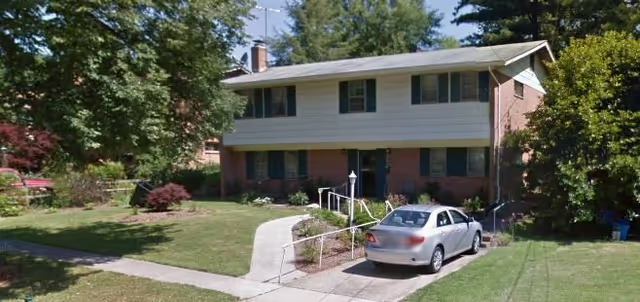
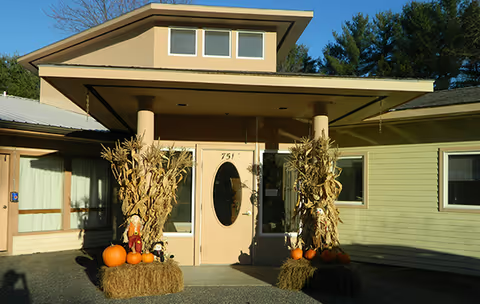
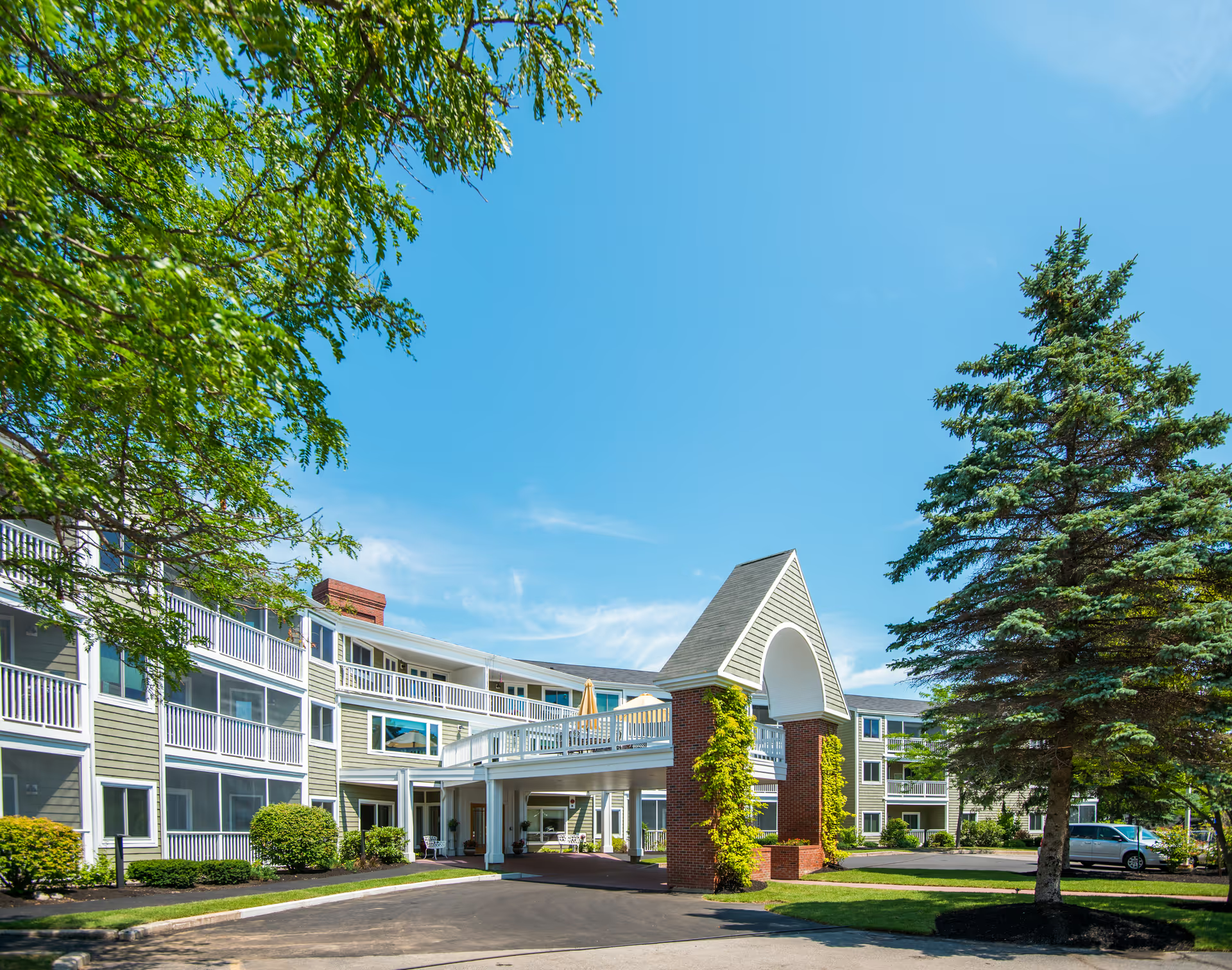
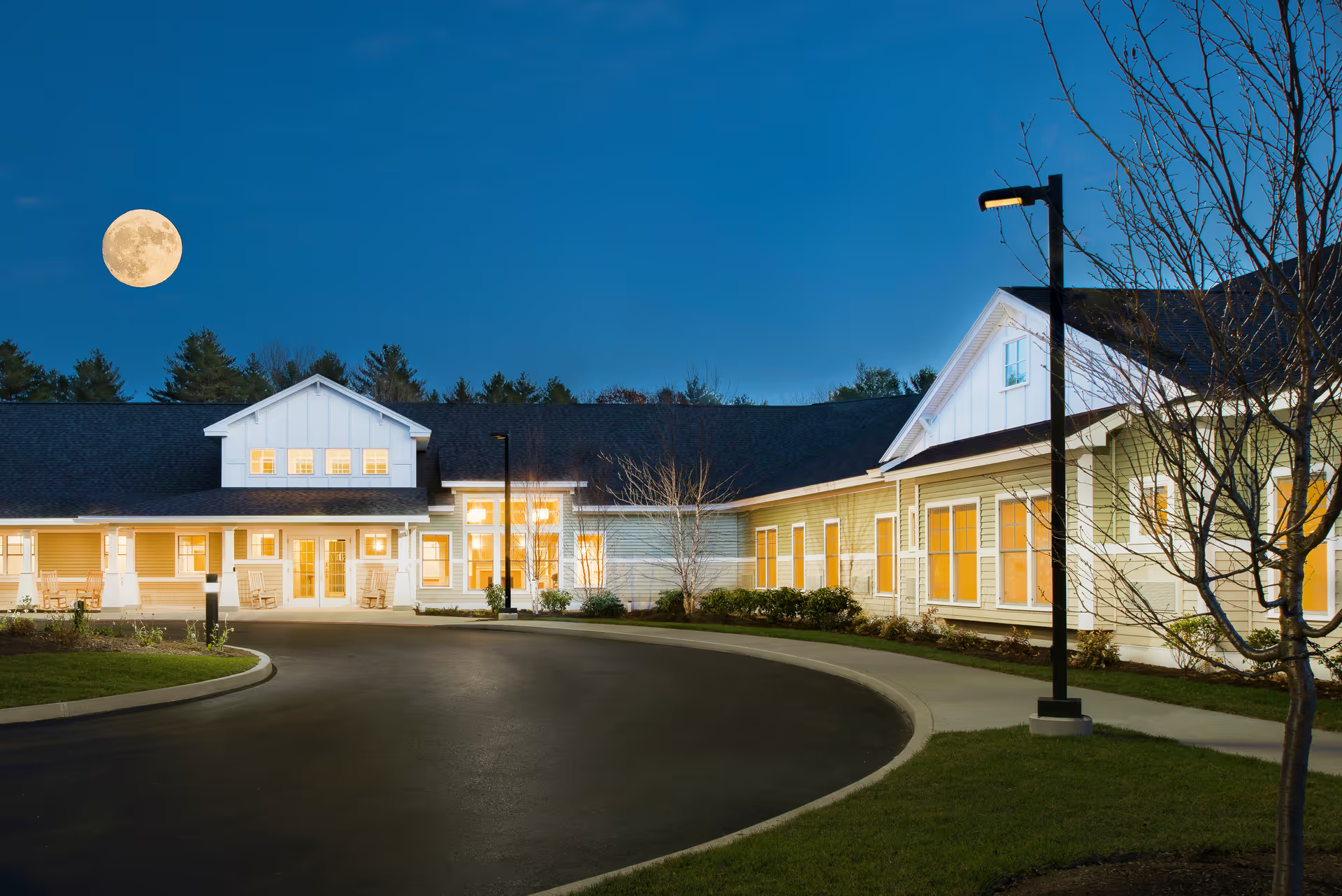
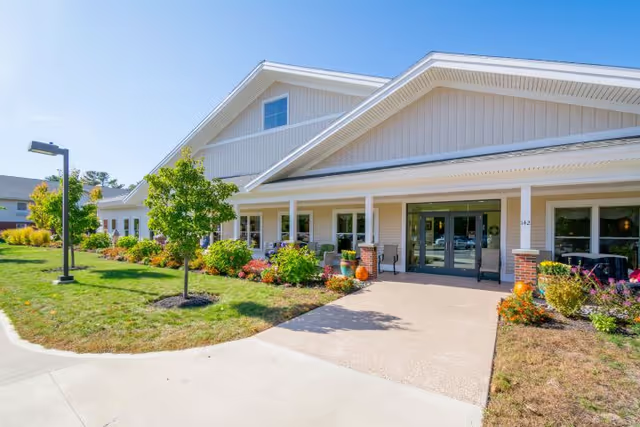
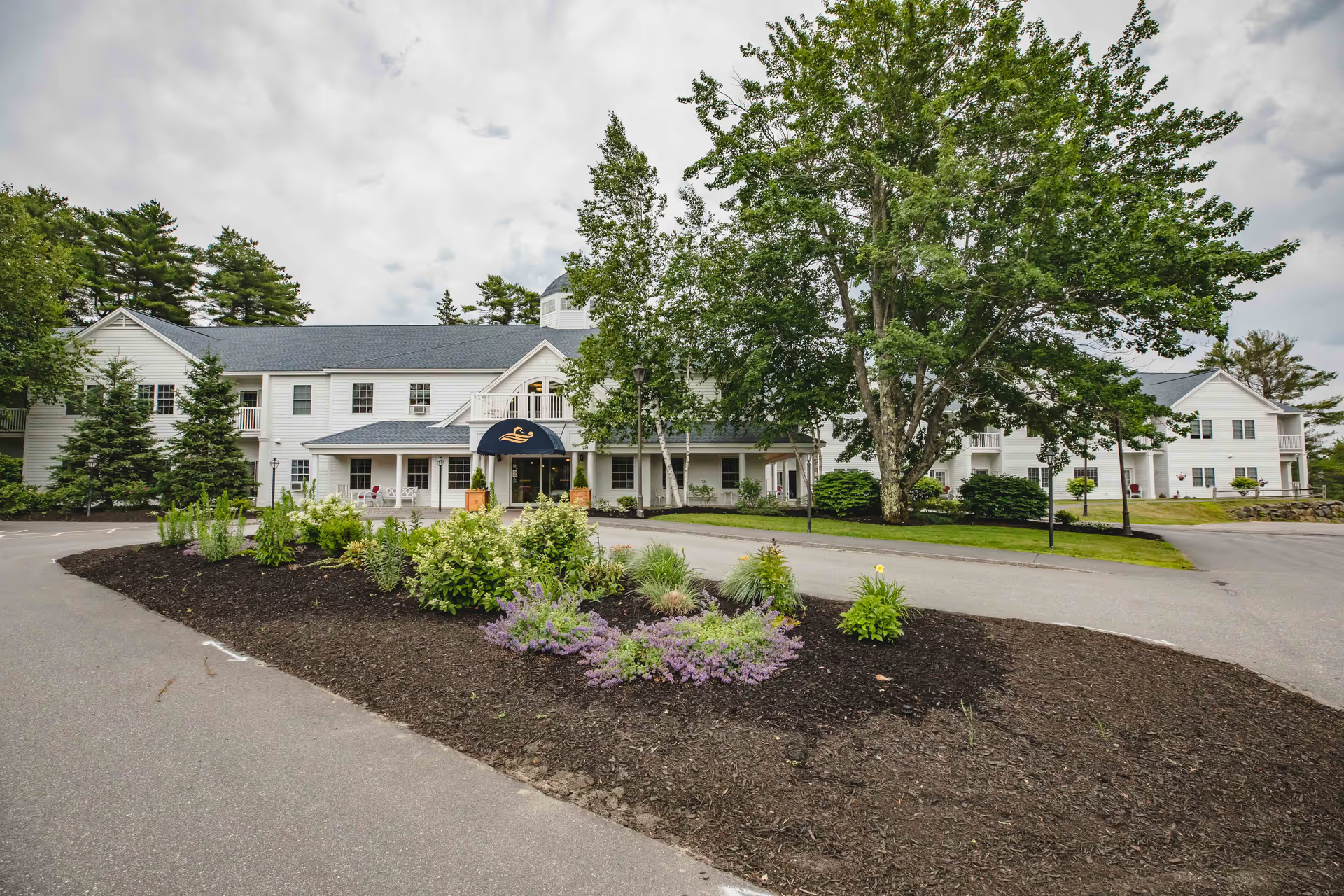
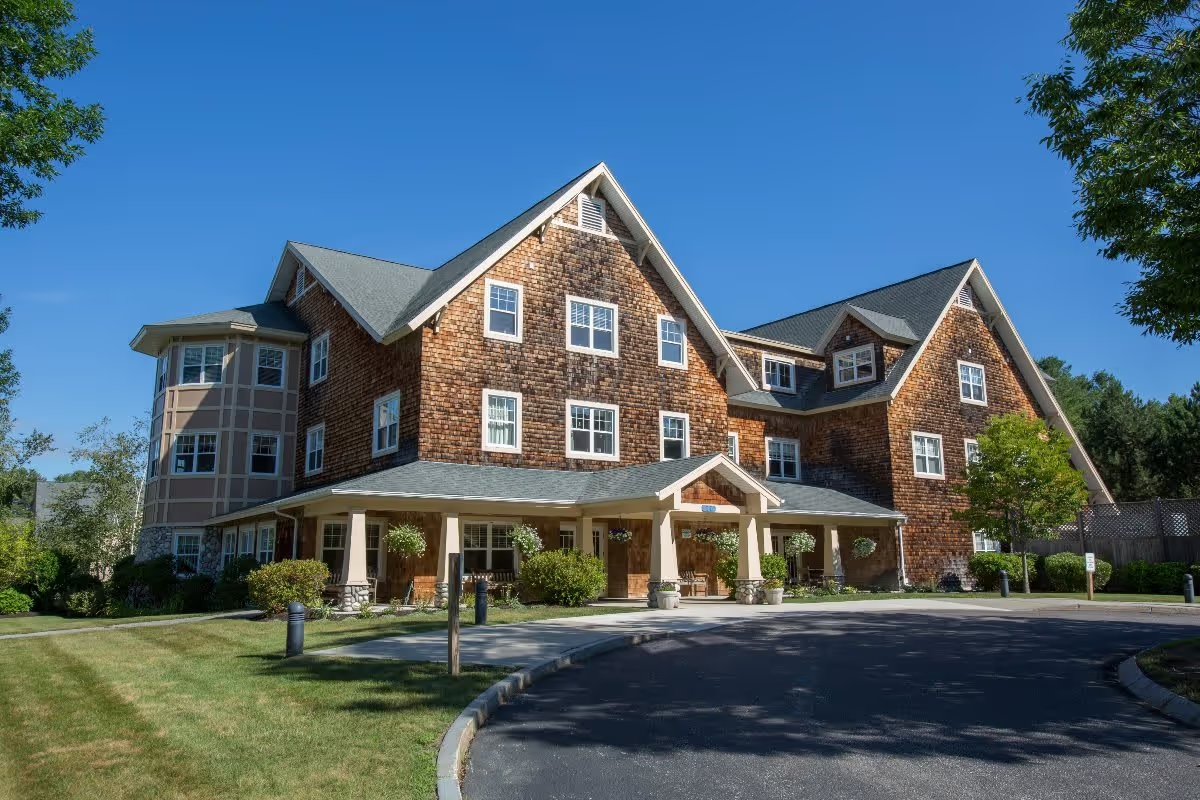
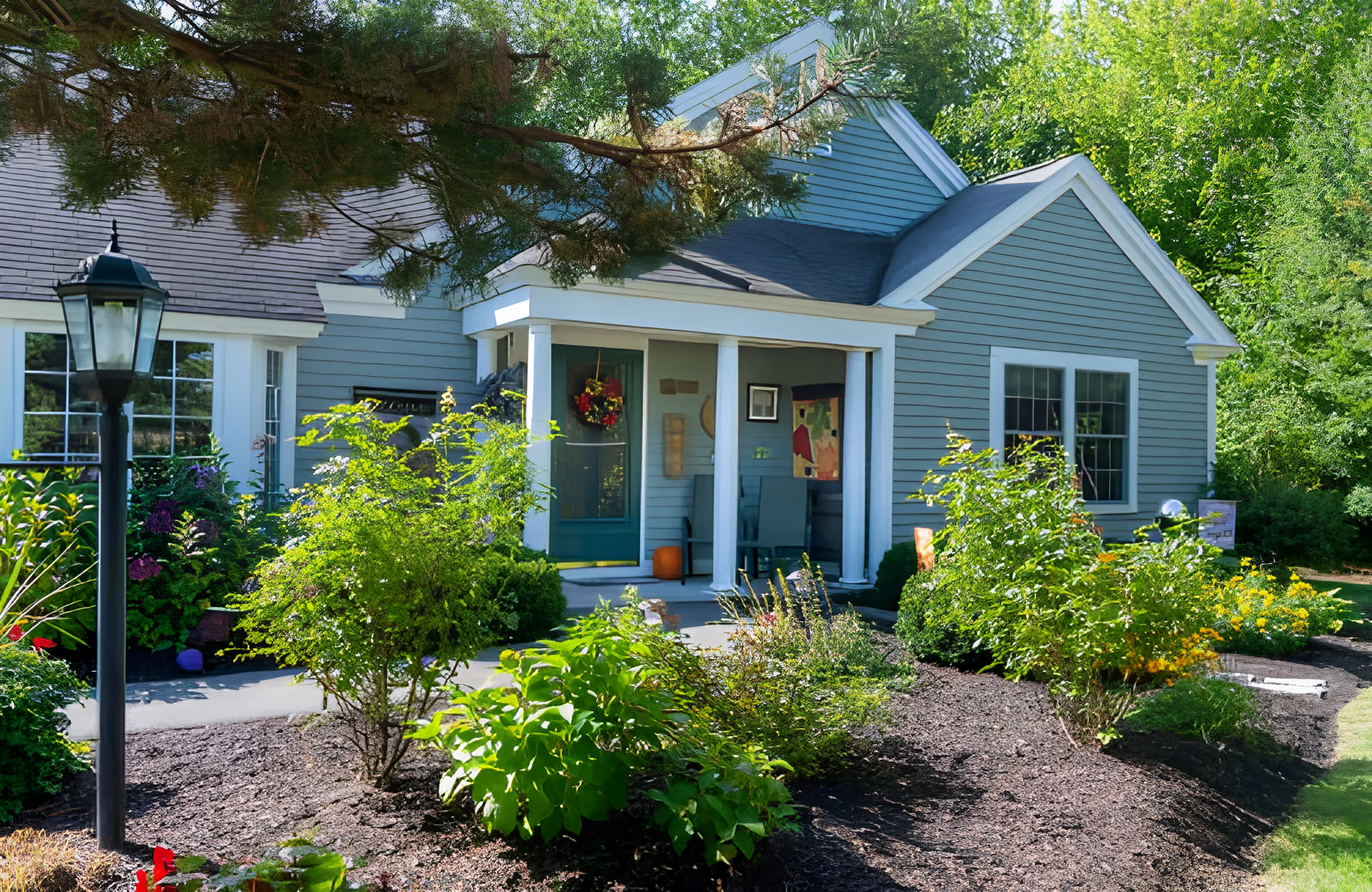
Schooner Estates presents as an attractively maintained, recently updated senior living community with a broad range of amenities and services. Reviewers consistently highlight well-kept grounds, bright and polished public spaces, multiple dining venues, and a variety of apartment floor plans. On-site conveniences such as a salon, fitness and piano rooms, library, rehab area, and coordinated clinical services (on-site blood draw and lab coordination) reinforce a campus-style model that supports social engagement and routine medical needs.
Care quality and staff interaction are central strengths in the aggregated feedback. Many families and residents describe compassionate, resident-centered care, strong communication with family members, and a care team that knows residents by name. Medication-management, daily safety checks, and a secure memory-care unit with enclosed outdoor space are noted as important clinical supports. The community also receives positive remarks for end-of-life coordination with hospice, individualized attention from leadership, and responsiveness to urgent concerns when staffing permits.
Dining and activities are repeatedly praised. The community offers varied menus (including diabetic-friendly options), fine-dining experiences in well-appointed rooms, and a full calendar of activities ranging from on-site parties and class-like programs to off-campus bus outings. Activity leadership and social programming are described as substantive contributors to resident well-being and social connection. Included services such as linen, laundry, and light housekeeping add to the convenience for residents and families.
Notable operational patterns that warrant consideration include cost and scope of clinical care. The community is described as comparatively expensive, and there is limited on-site skilled nursing (no comprehensive nursing-home level unit), which may necessitate transfers if higher-acuity care is required. Reviewers also describe variability in staffing levels and coverage outside of daytime hours, with the implication that administrative presence and some direct-care interactions can be reduced at certain times. A few reviewers indicated inconsistent dining quality across visits and intermittent HVAC or central-air issues in select units. Transportation and emergency-transport processes were also identified as areas where procedural improvements could increase safety and convenience.
Overall, Schooner Estates appears to offer a high-touch, amenity-rich environment with strong strengths in interpersonal care, dining, and activity programming. Prospective residents and families should weigh the community’s aesthetic and service strengths against the higher cost, the limits of on-site skilled nursing, and occasional operational variability in staffing and support services. For individuals seeking an engaging community with robust social programming and attentive staff—and who do not require on-site skilled nursing—Schooner Estates is frequently viewed as a strong option. For those with potential future need for continuous skilled nursing care or with strict affordability constraints, clarify clinical capabilities and long-term financial implications before committing.