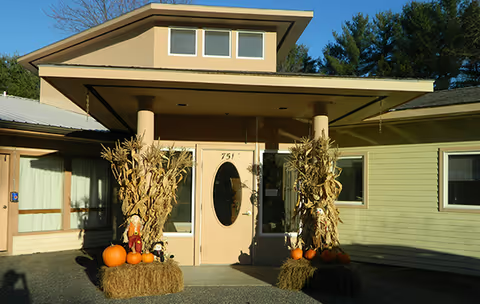
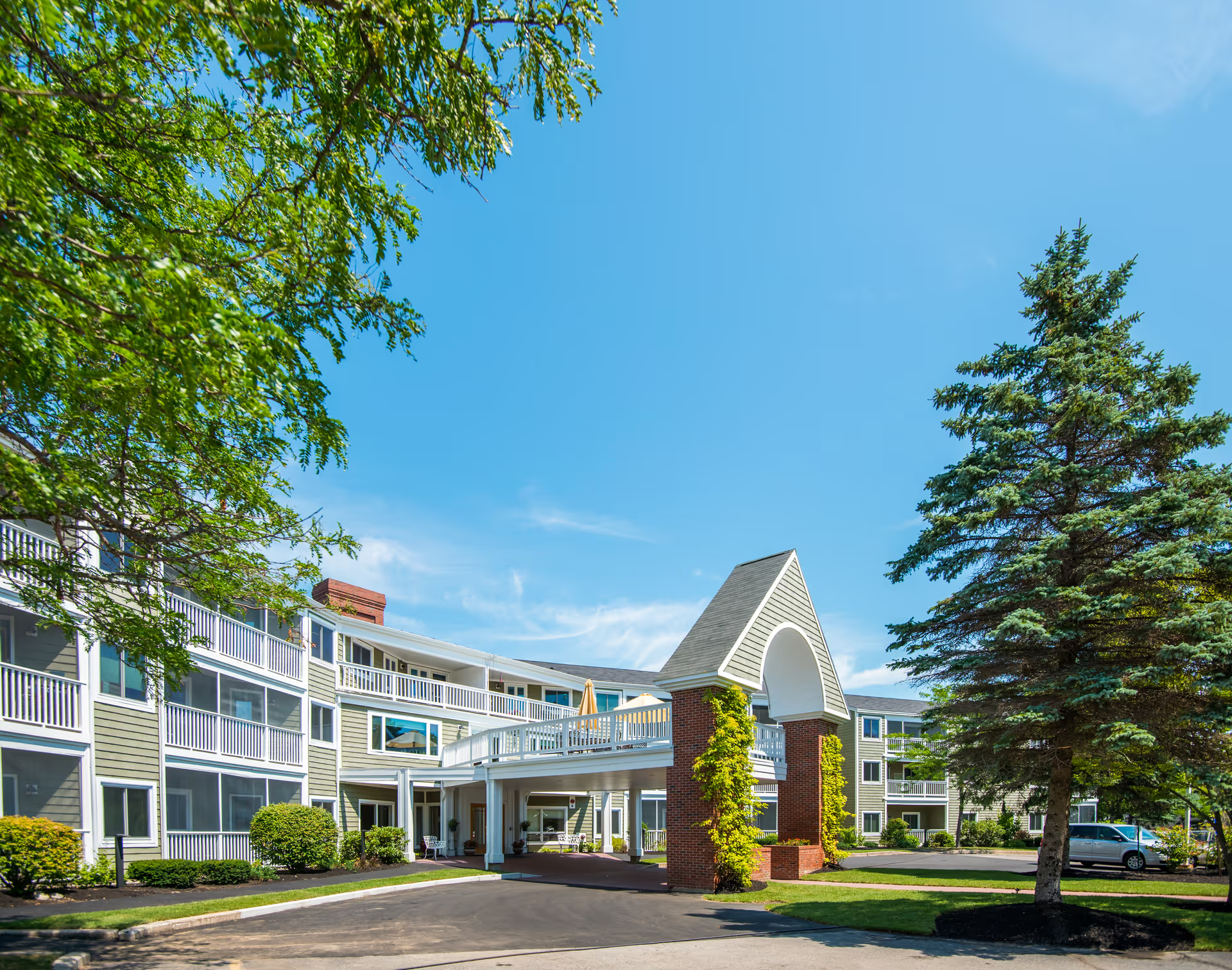
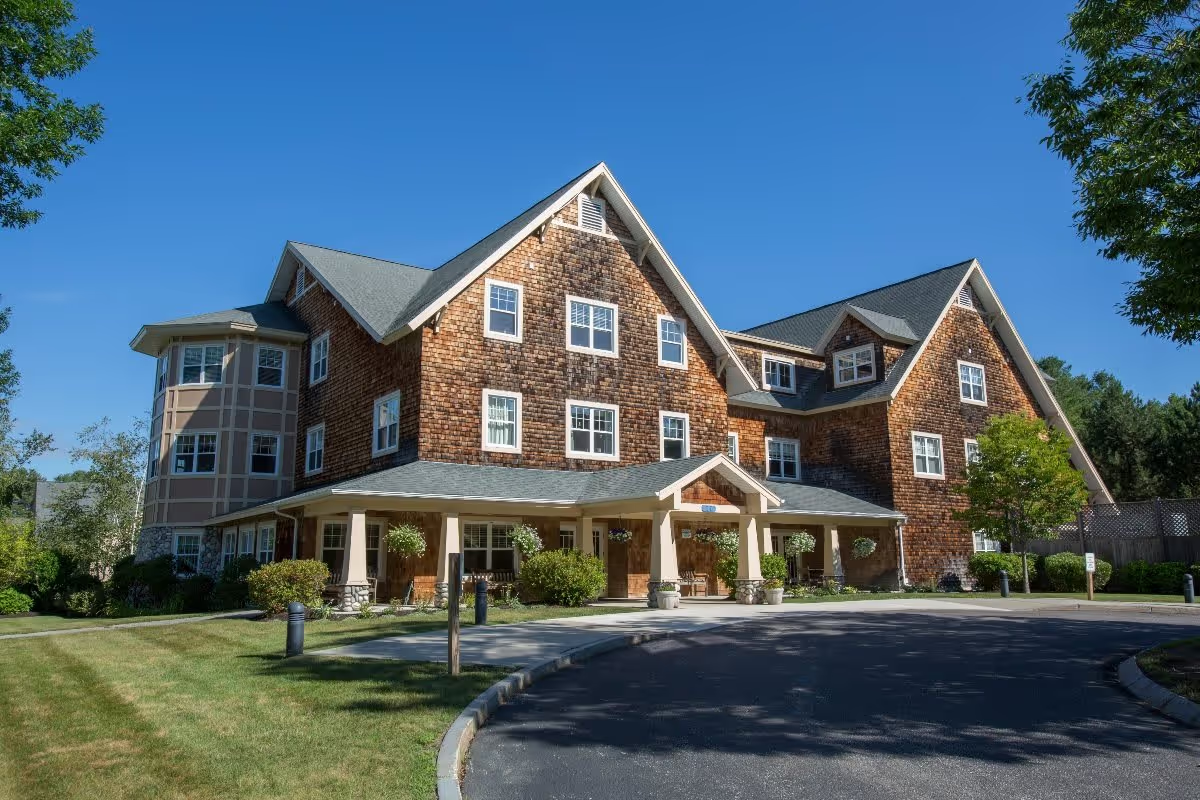
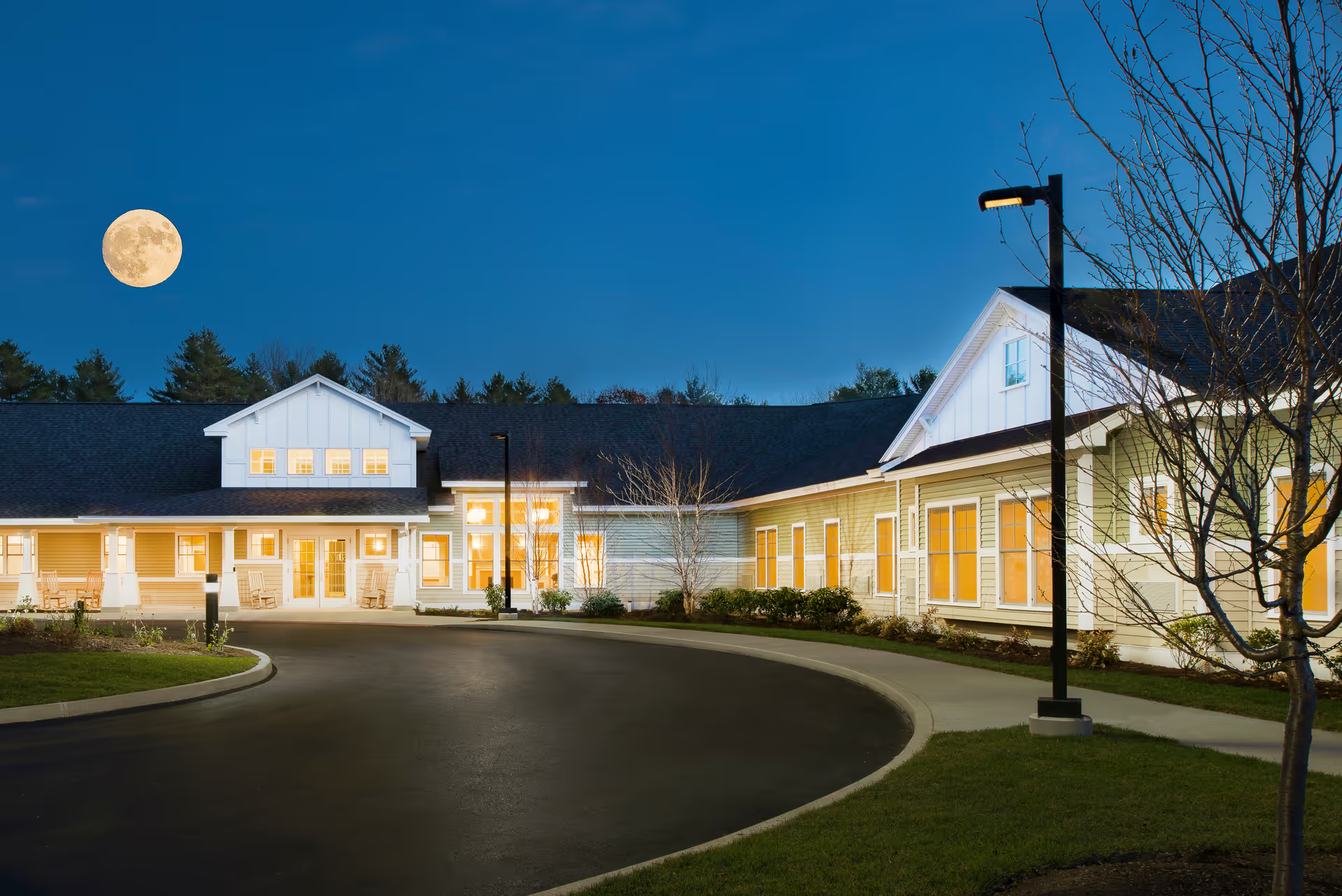
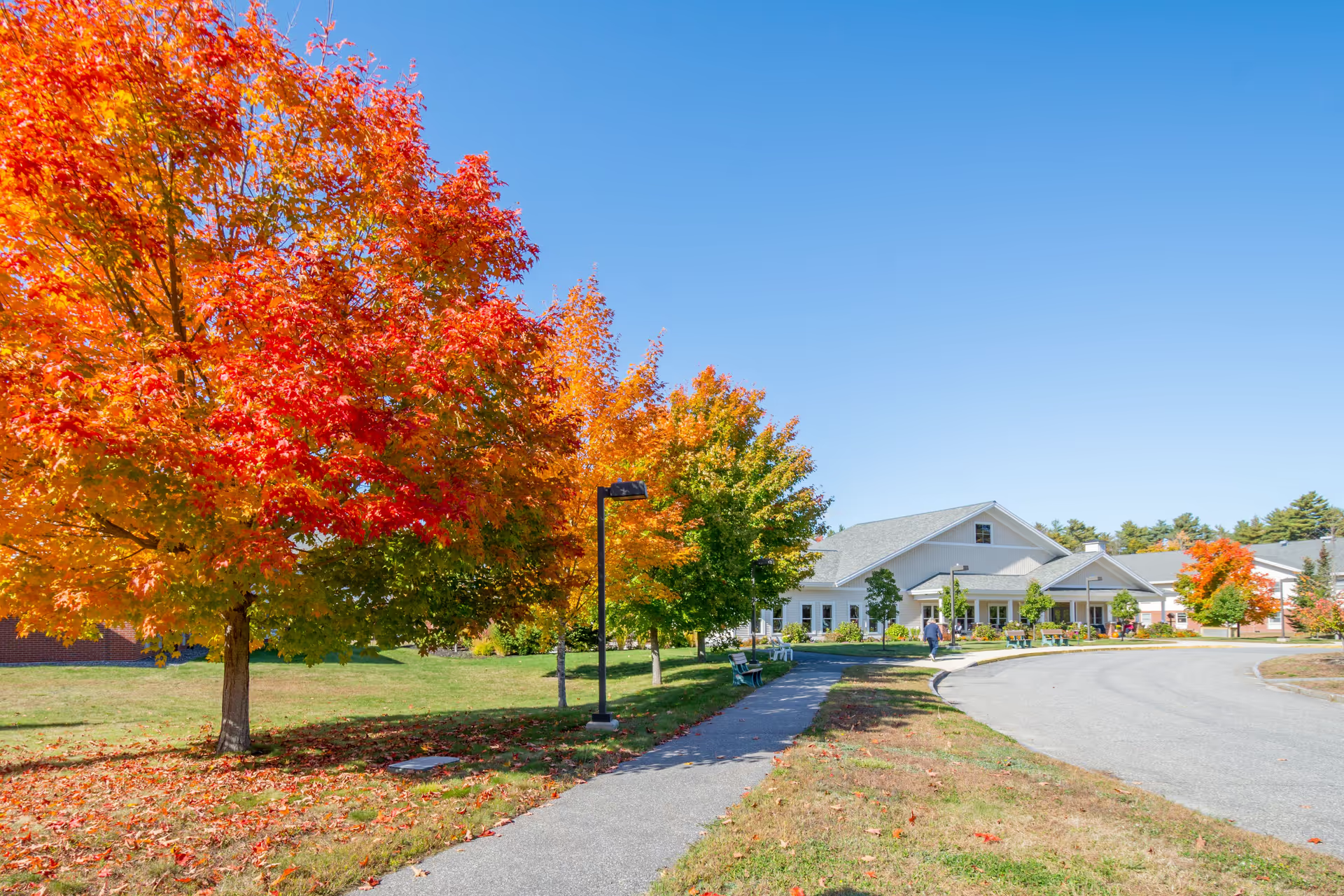
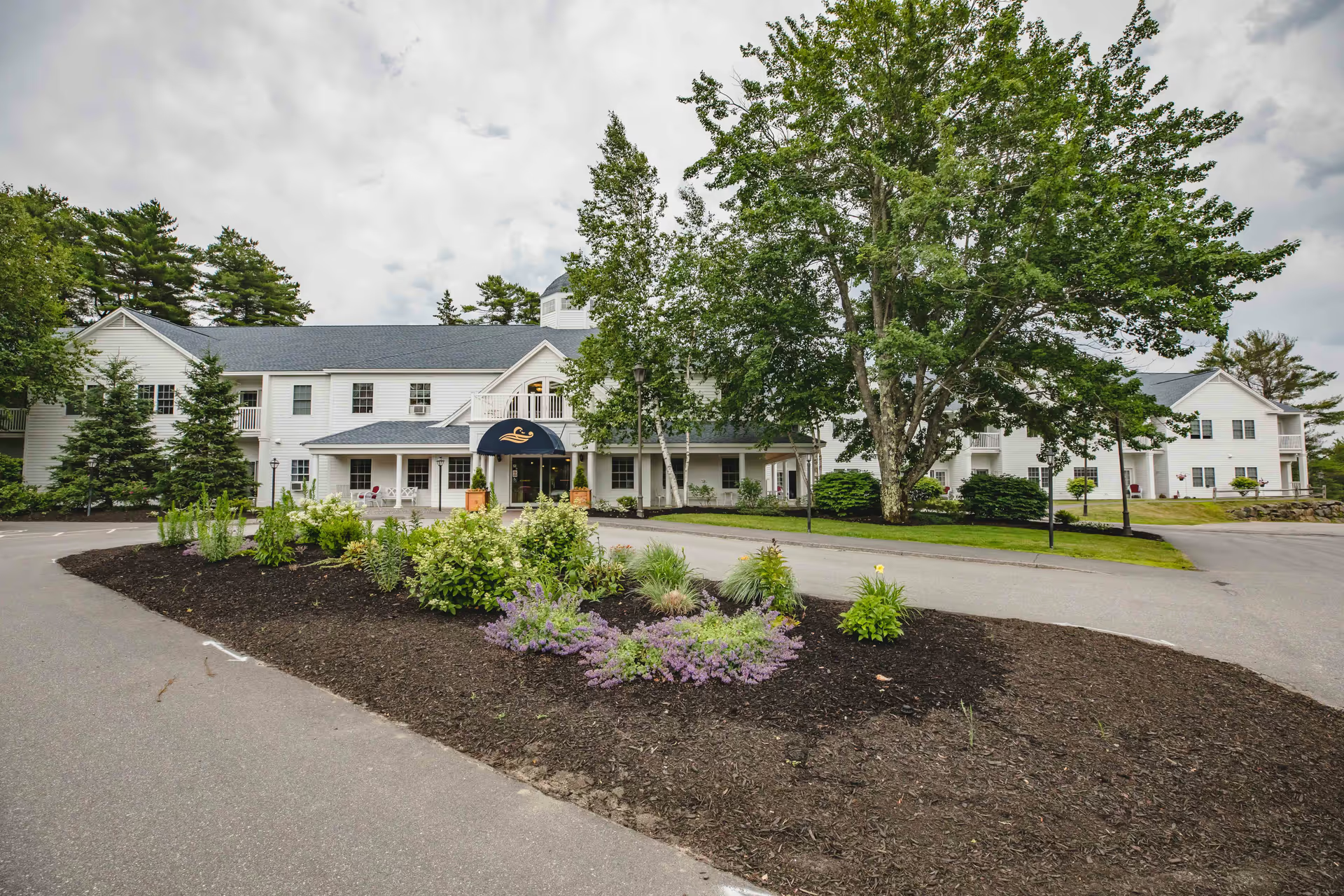
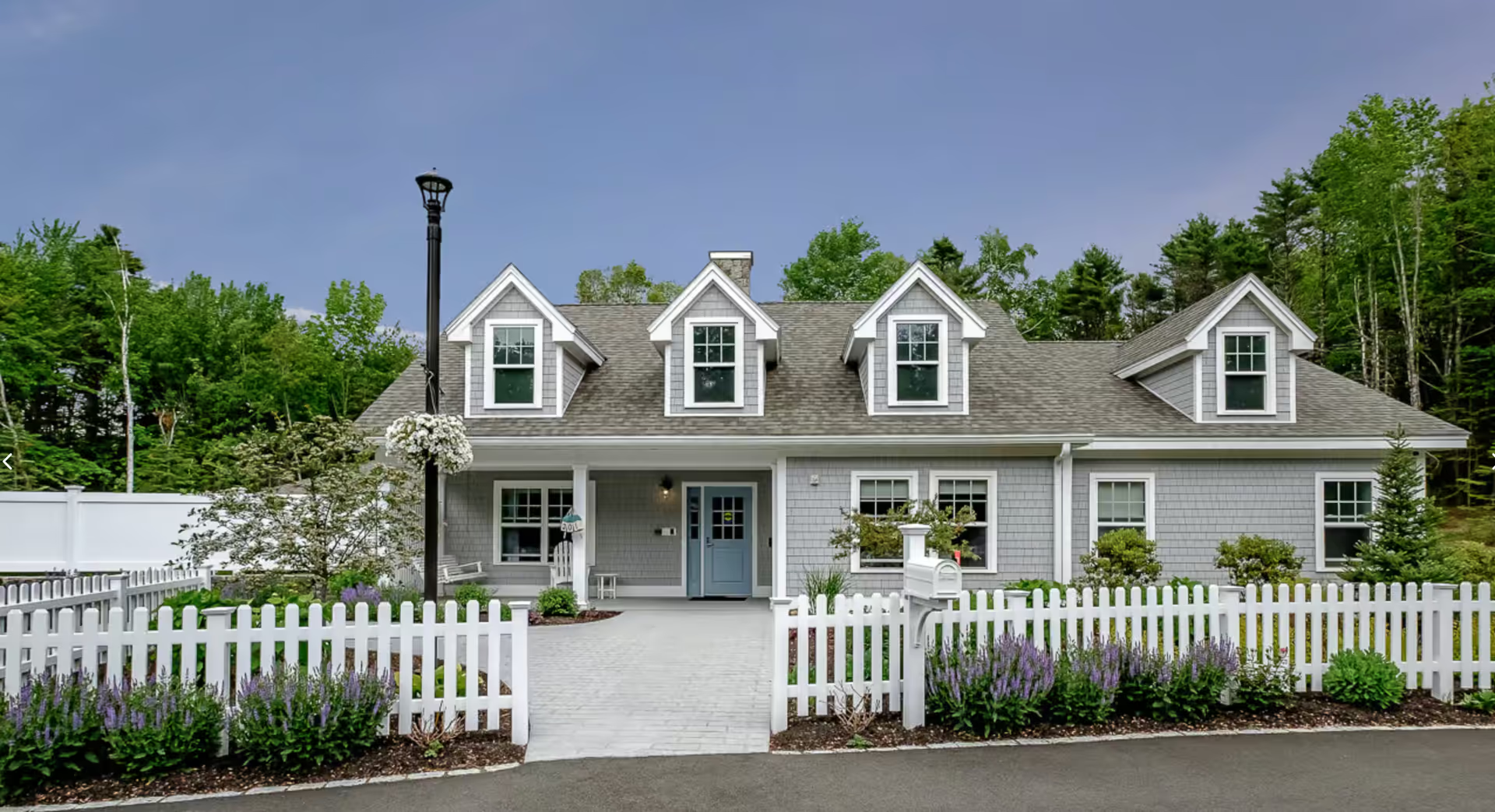
The Odd Fellows’ and Rebekahs’ Home of Maine presents a mixed portrait. Reviewers frequently highlight a homey physical environment with private rooms, antique-decor common areas, an on-site library, covered outdoor decks, walking paths and a courtyard used for resident events. The campus also includes a nursing-level care wing and an activities program, and several accounts describe the facility as clean and well maintained. Availability for move-in was noted to be relatively prompt in at least one account.
Care quality and staff performance are areas of divergence in the reviews. Many families describe caring, helpful, and responsive caregiving staff and positive direct-contact experiences; several reviewers specifically praised staff communication and the way caregivers interacted with residents. At the same time, other reviews raise substantive concerns about clinical oversight and responsiveness—particularly for residents with cognitive impairment. These accounts suggest variability in how consistently clinical needs are met and point to periods when staffing levels may be insufficient to maintain expected standards of care.
Management and leadership are another recurring theme. Positive staff-level interactions coexist with comments indicating weak leadership or management instability, including criticisms of executive and nursing leadership. These concerns are presented as operational and supervisory gaps that can affect staff conduct, clinical oversight, and enforcement of policies. Related operational issues raised include restrictive or inconsistently applied visitation policies and broader concerns about transparency in facility operations.
Dining and activities exhibit a similar split. The facility provides three meals a day plus snacks, and several reviewers characterized dining experiences as positive and noted the library as a pleasant space for family meals. Conversely, other comments describe inconsistent meal quality and nutrition, suggesting variability in how dining services are executed.
Overall, the pattern across reviews points to clear strengths in the environment, social spaces, and some caregiving relationships, paired with operational weaknesses that center on leadership, staffing consistency, and clinical oversight—especially for residents with cognitive needs. Prospective residents and families would benefit from an in-person tour, direct conversations with front-line caregivers, and specific questions about staffing ratios, dementia-care protocols, visitation rules, recent leadership changes, and meal-service practices to assess current conditions and the facility’s responsiveness to family concerns.