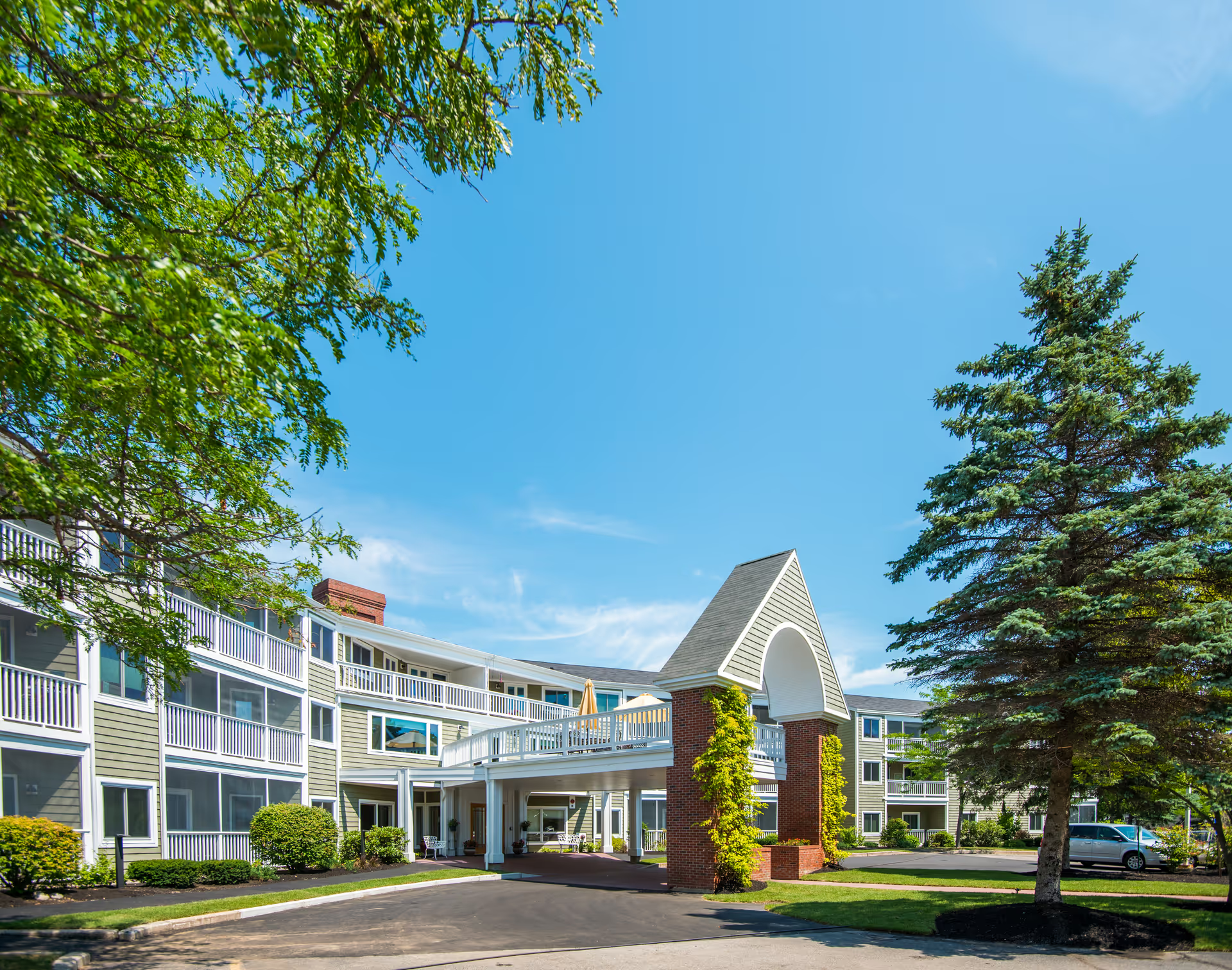
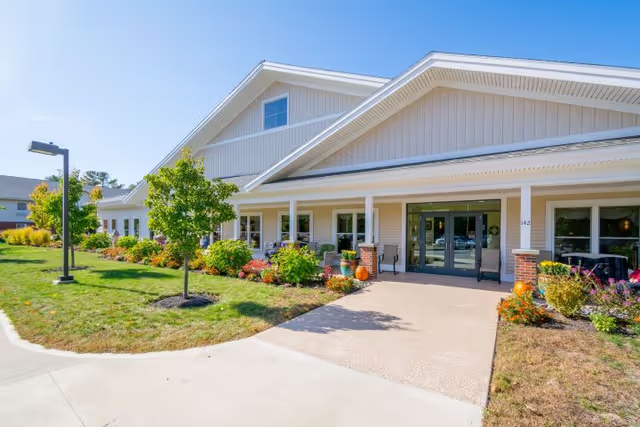
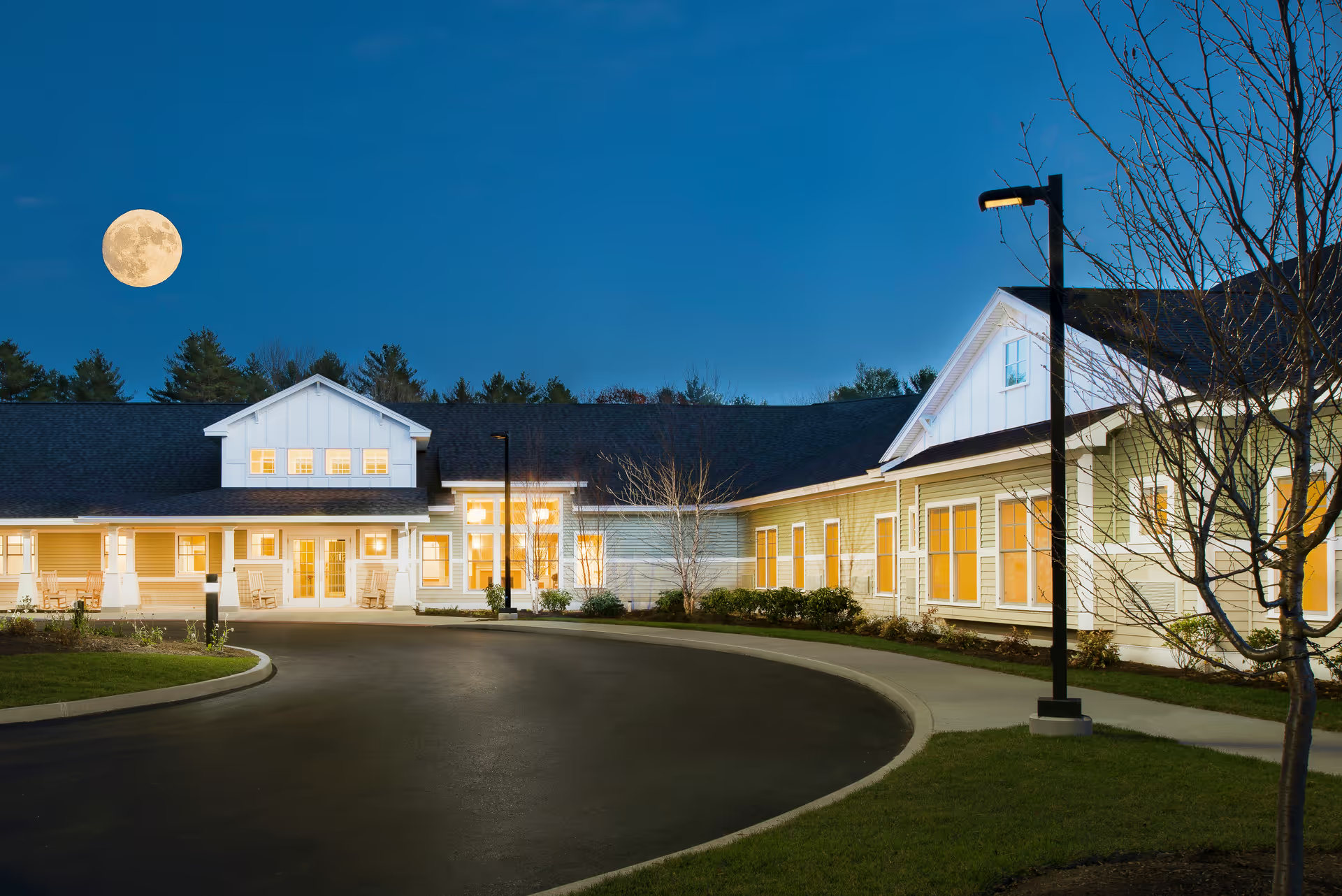
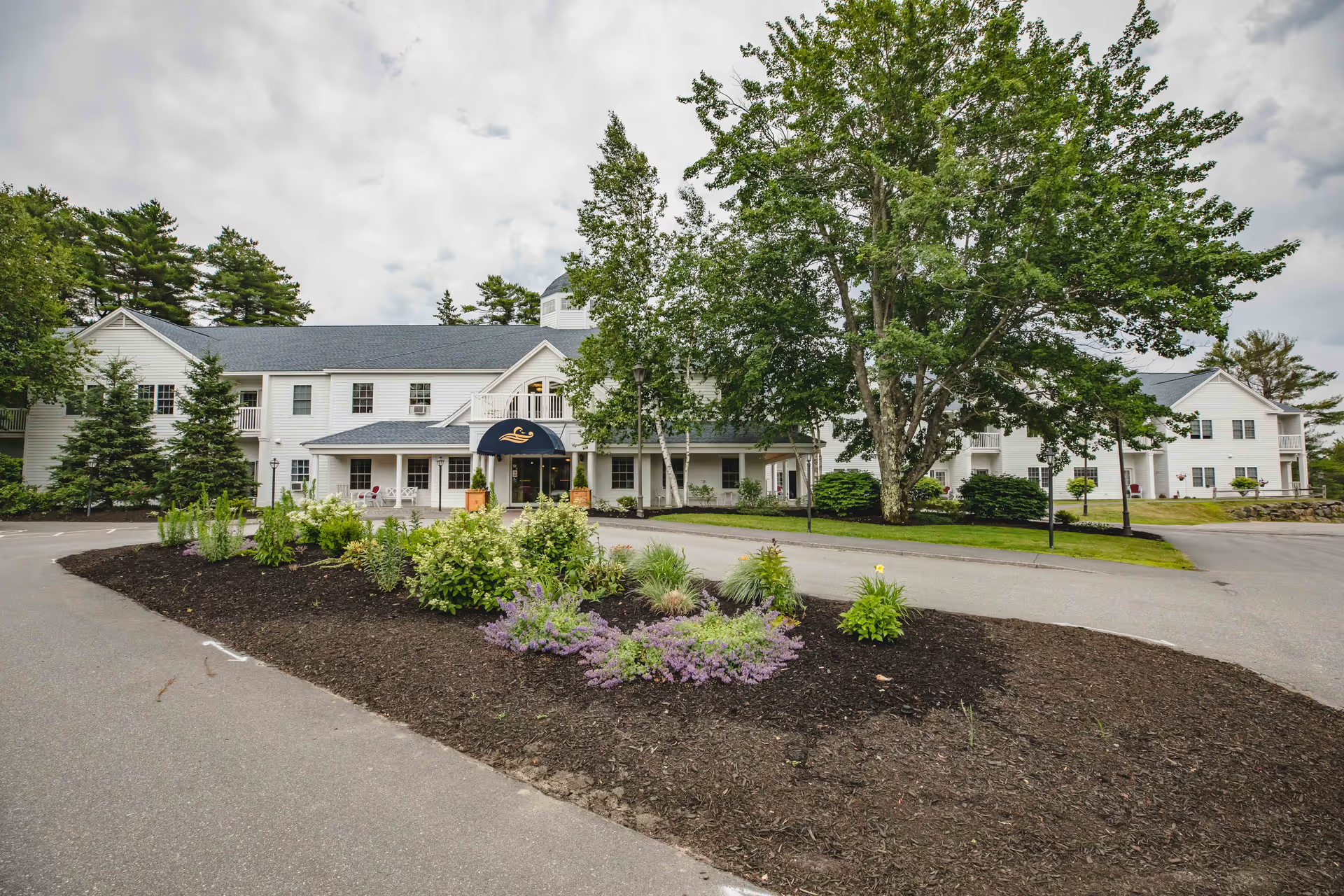
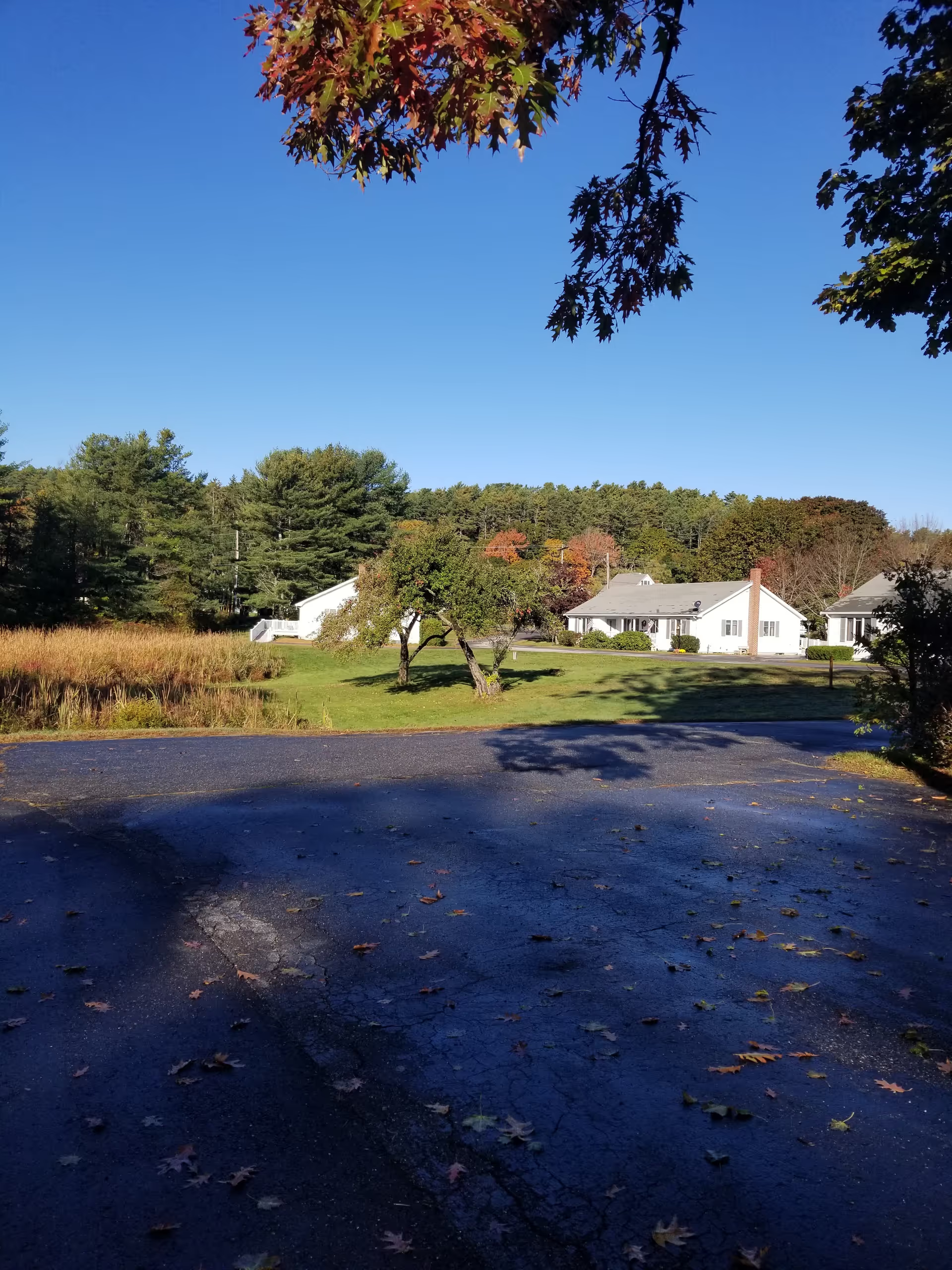
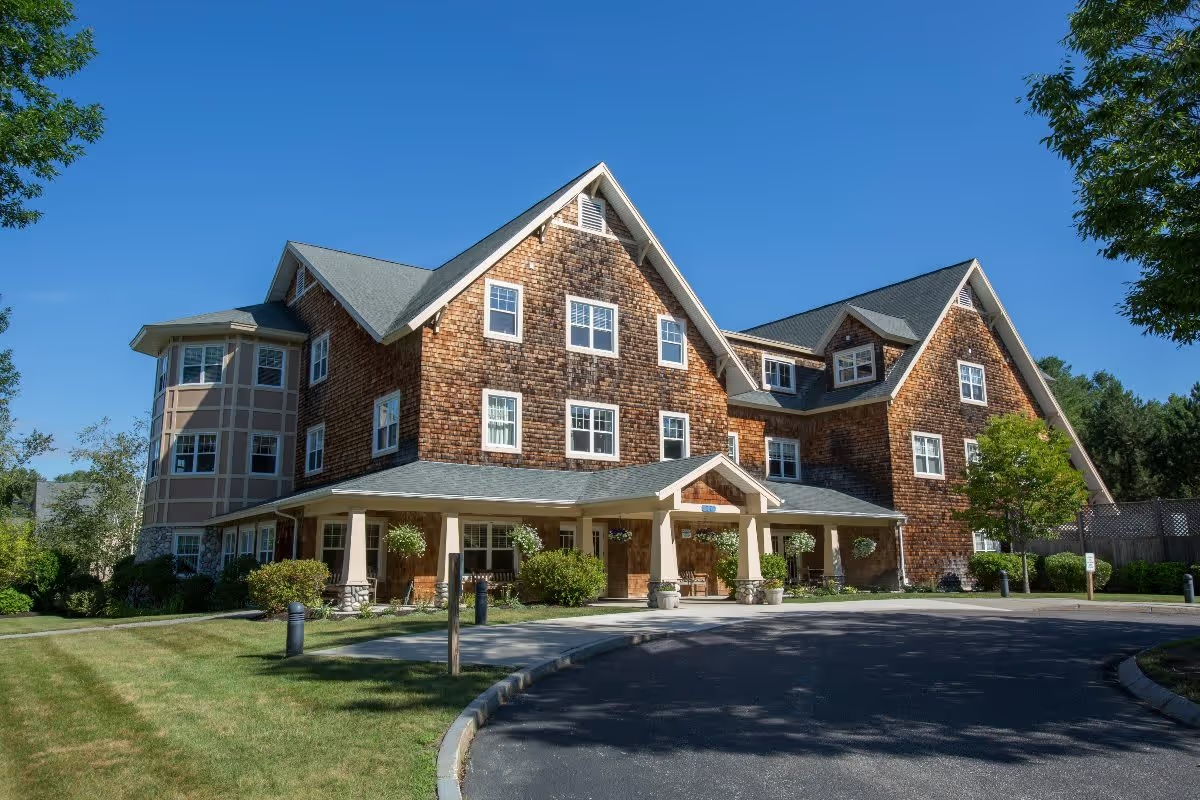
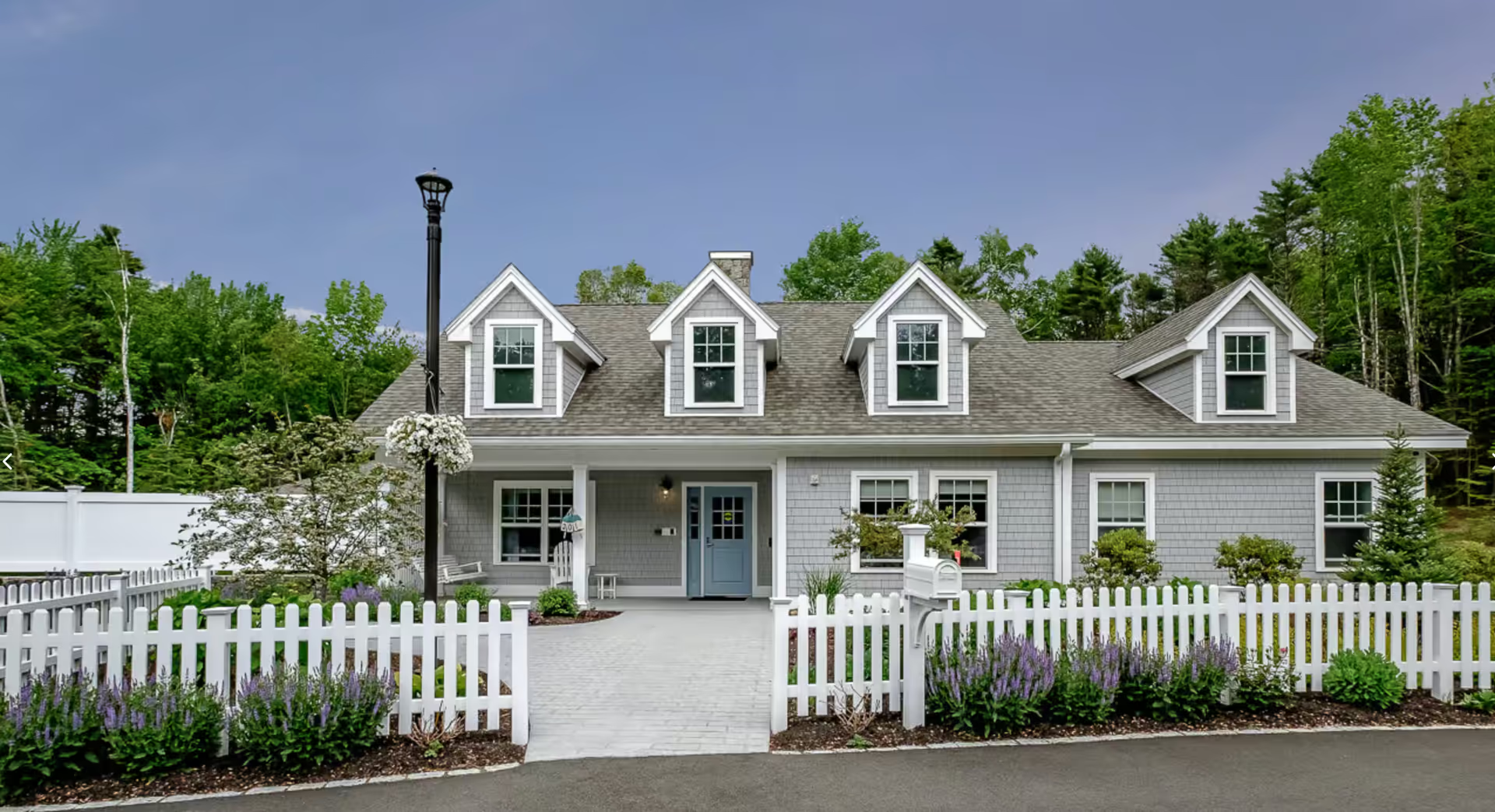
Dionne Commons presents as an affordable, neighborhood-scale assisted living option that many families find welcoming. The campus location—close to medical buildings and adjacent to a nursing home—plus MaineCare acceptance, are frequently cited as practical advantages. Several reviewers emphasize a family-type atmosphere: many residents and families describe caregivers who are caring, attentive, and effective at making residents feel at home. The facility is generally described as clean and comfortable, with an appealing patio and grounds that support outdoor activity and independence.
Care quality is a mixed picture. Numerous comments praise individual caregivers for attentiveness, good communication with families, and making residents comfortable; these reports suggest strengths in day-to-day personal care and relationship-building. At the same time, other accounts raise operational concerns: staffing instability, uneven staff quality, and what some characterize as clique-like behavior among personnel. There are also explicit concerns about medication-administration practices and about how safety-related issues are handled. These items indicate variability in clinical process consistency and supervision rather than a uniformly positive or uniformly negative pattern.
Dining and activities receive generally positive remarks. Several reviewers express satisfaction with meal quality and note that the facility supports resident independence through accessible outdoor space and a compact, navigable campus. The location near medical services is another frequently mentioned benefit for residents who need regular appointments or access to higher-level care.
The physical plant is a trade-off for affordability. While cleanliness and comfort are commonly noted, the interior decor and finishes are described as dated and in need of updating. Shared rooms are reported as cramped in some units, with limited private-space options; prospective residents should expect smaller shared-room footprints unless a private unit is available.
Management and administrative experience appears uneven. Some reviewers praise on-site supervisors and individual managers, while others report unorganized intake, training shortfalls, staff turnover, and unprofessional interactions with administration or property management. A small number of reviews raise very serious allegations about staff conduct and express reluctance to report concerns; these accounts contribute to a polarized set of impressions across reviewers.
Overall pattern: reviews divide between strong endorsements of the caregiving team and serious operational concerns about staffing consistency, medication practices, and administrative responsiveness. Prospective residents and families would benefit from an in-person visit that includes: a tour of available units (private and shared), a discussion of current staffing levels and turnover, review of medication and clinical oversight protocols, clarification of training and supervision practices, and inquiry into formal complaint/incident reporting procedures. Obtaining references from current resident families and checking recent inspection or certification records will help clarify whether the facility’s strengths align with an individual’s priorities and risk tolerance.