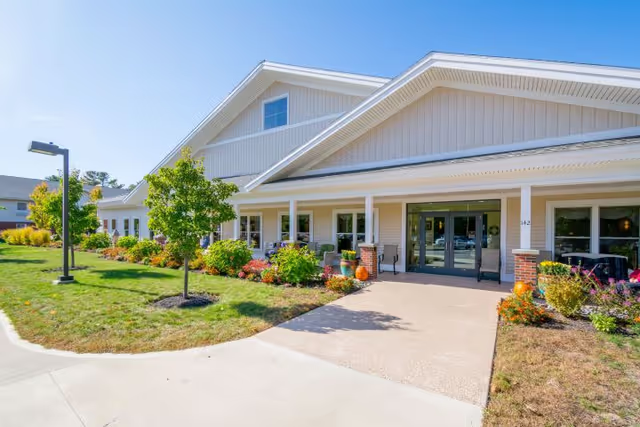
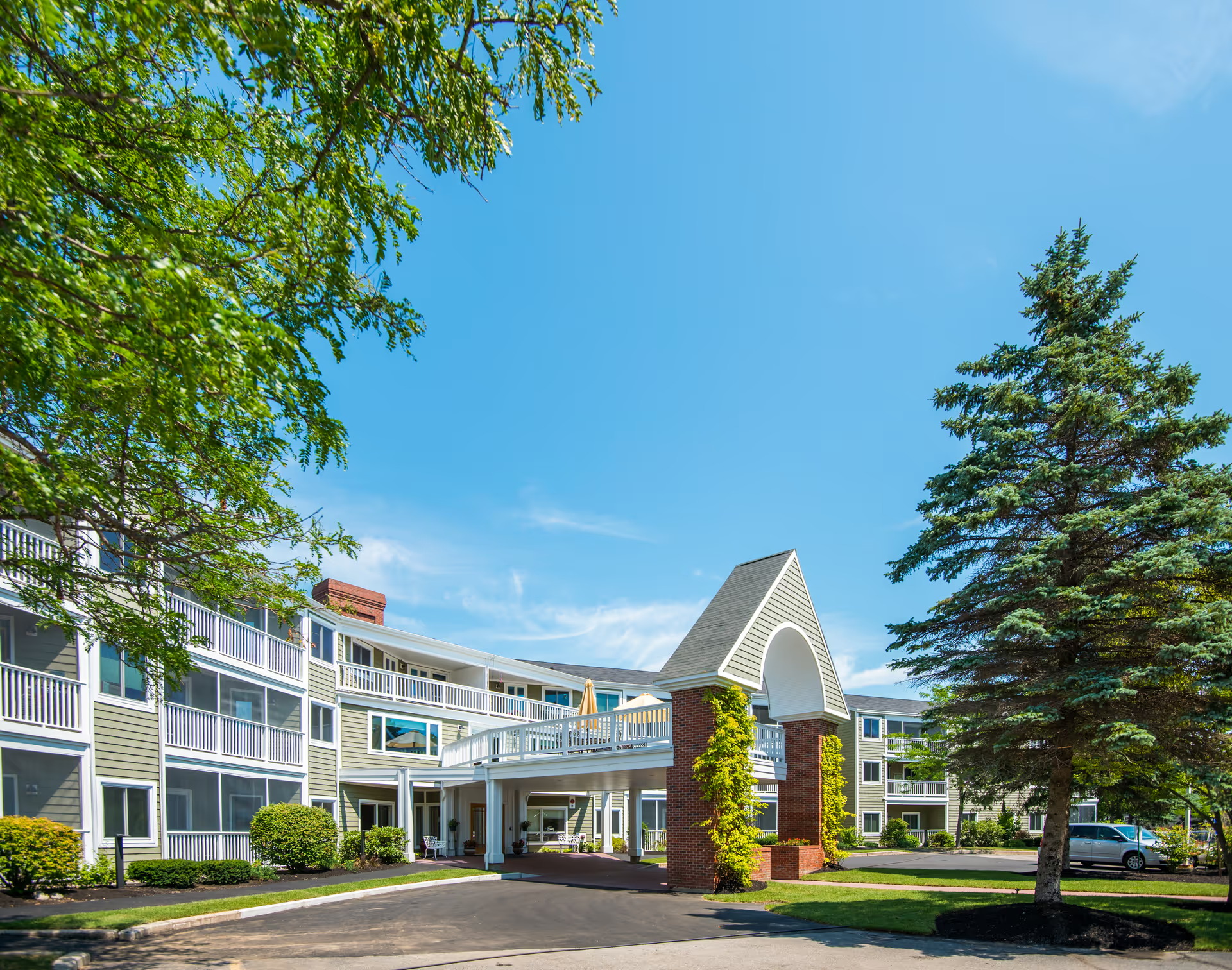
Overall impression: Reviews convey a largely positive view of Chase Point Assisted Living's caregiving and social environment, while also identifying variability between distinct units on the campus. Many families emphasize compassionate, knowledgeable staff and an organized management team; at the same time, several comments point to housekeeping and environment issues in particular areas that warrant careful inquiry during a visit.
Care and staff: Reviewers commonly highlight the quality of front-line caregivers and leadership. Staff are described as professional, affectionate, considerate, and not rushed; families report adequate staffing levels, prompt attention in many cases, and staff who support resident independence. Memory-care services and an Alzheimer’s unit are noted as strengths in certain parts of the community, with organized activities and well-kept units (for example, the Riverside memory-care area receives favorable comments). The facility also appears to coordinate well with nearby clinical resources, which supports post-acute rehabilitation and access to specialists.
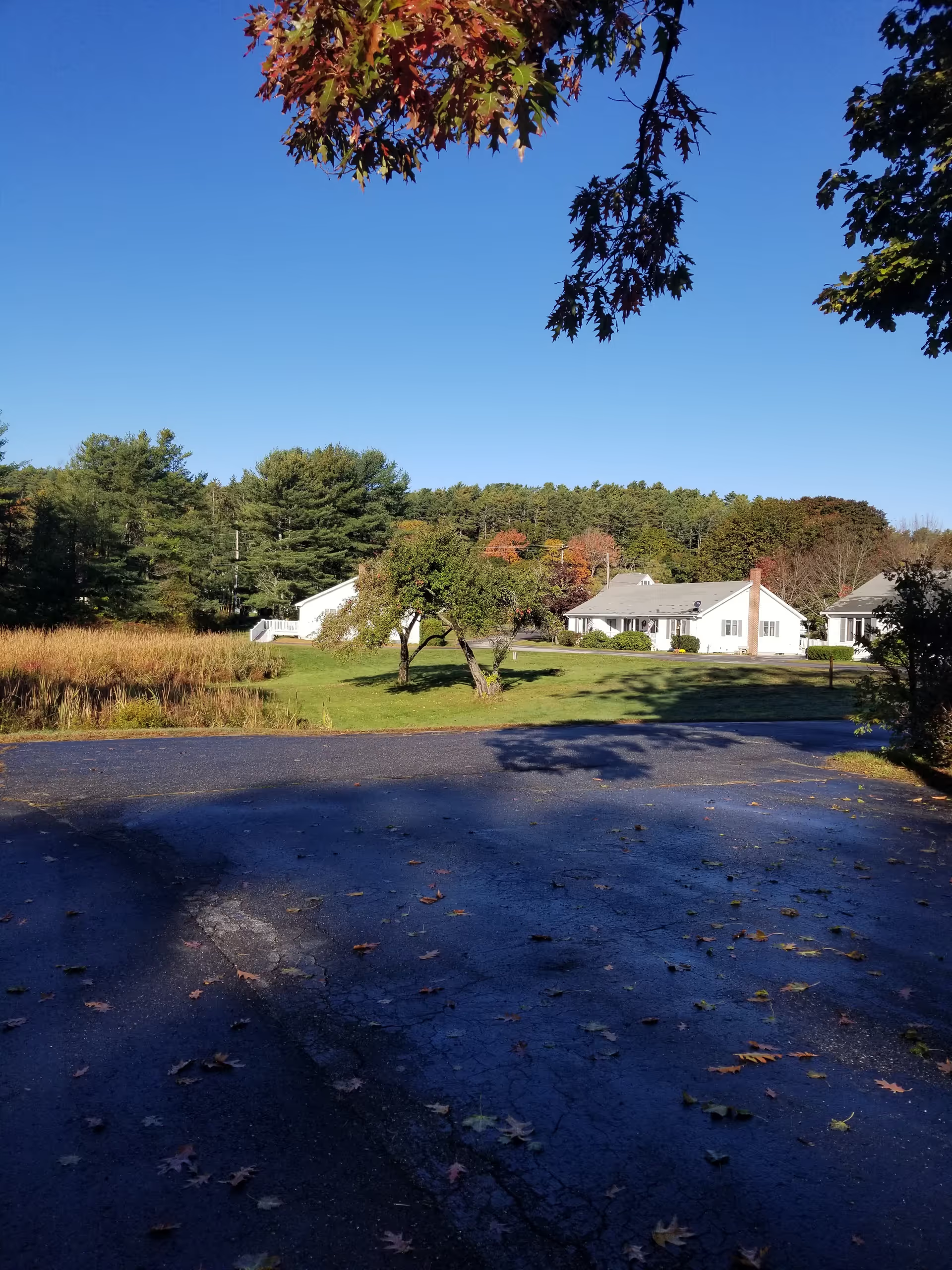
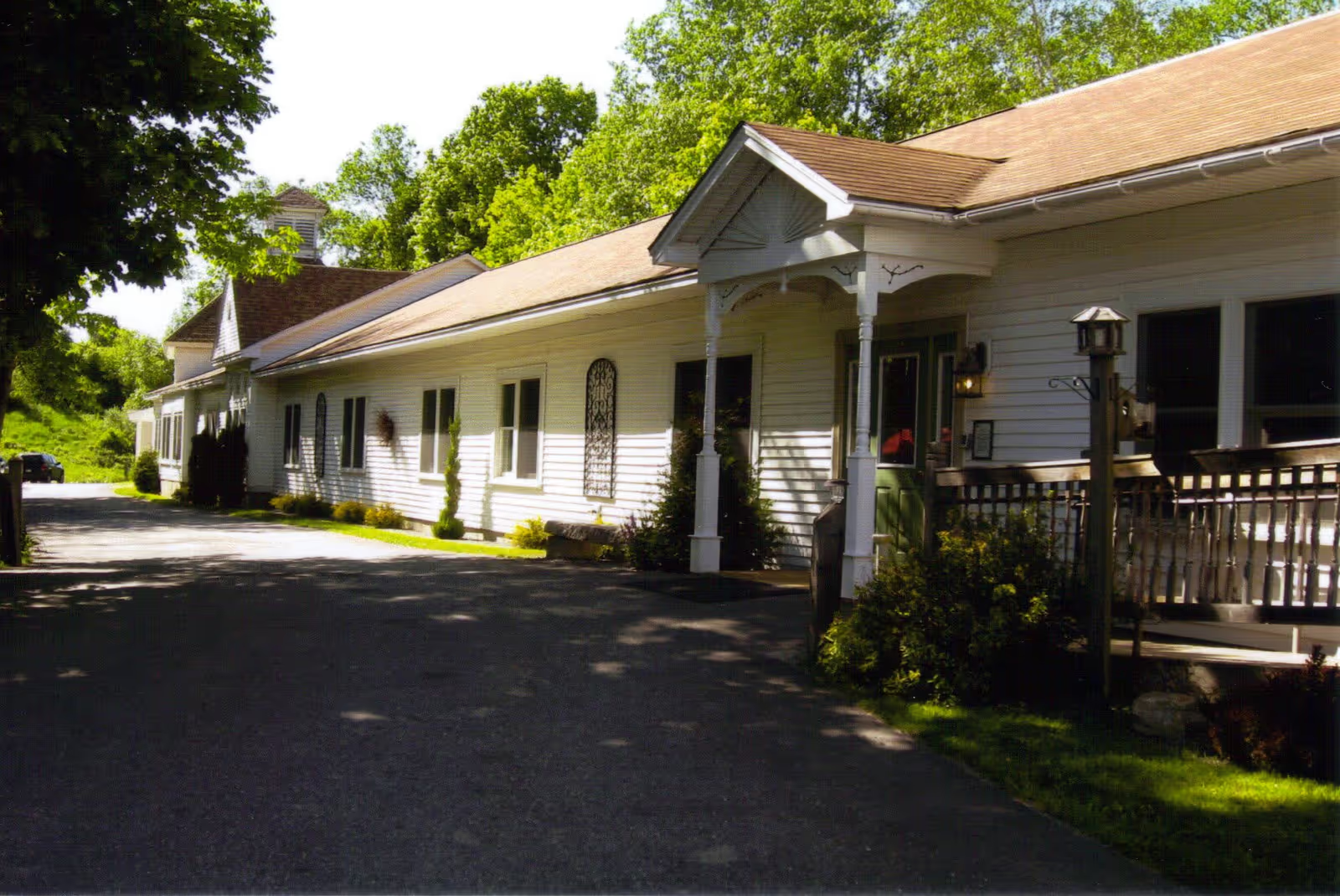
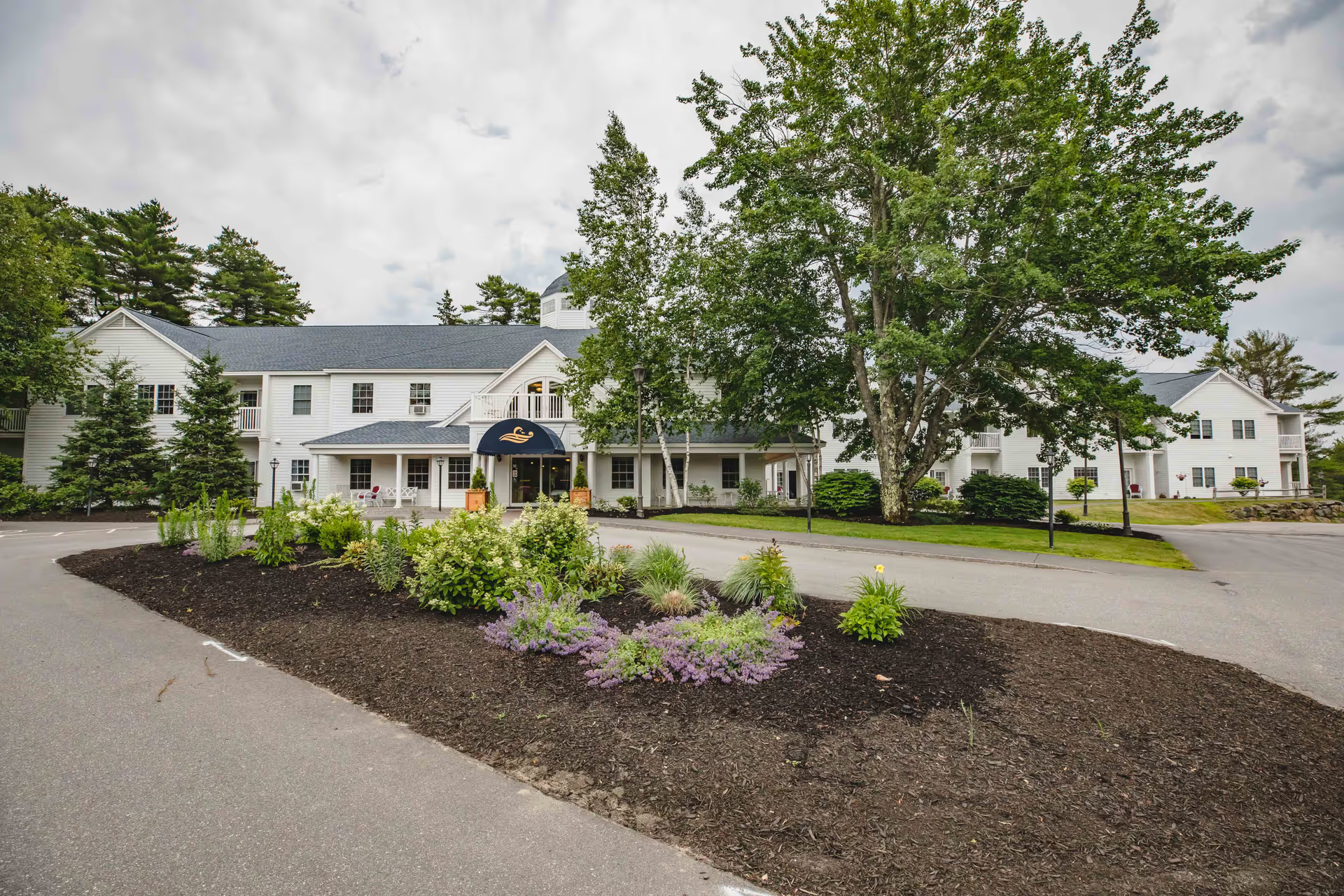
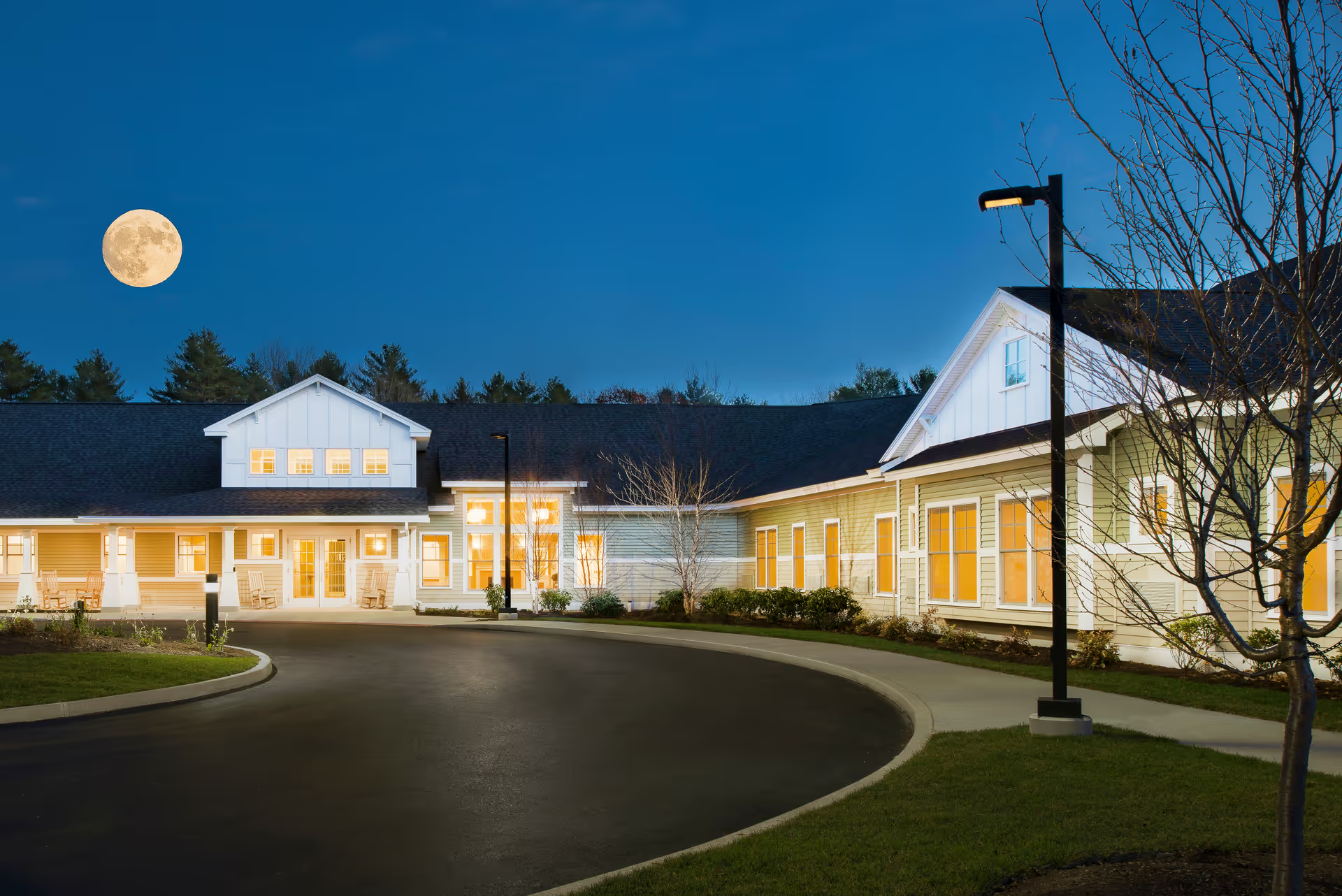
Facilities and cleanliness: The campus presents as bright, attractive, and home-like in many areas, with pleasant amenities such as ocean views and an onsite library. However, reviews reveal uneven environmental maintenance across units. Specific areas (notably one named unit) were called out for sanitation and odor concerns; these operational issues appear localized rather than universal but are significant enough that prospective residents should verify housekeeping schedules, odor-control measures, and incontinence-care protocols for the unit under consideration.
Activities and lifestyle: The community offers numerous social opportunities and daily events that support an active, semi-independent lifestyle. Reviewers describe a variety of programmed activities and a social atmosphere that helps residents stay engaged. Apartments and common spaces are portrayed as welcoming and supportive of privacy and autonomy.
Dining and clinical services: Direct commentary on dining quality is limited in the provided summaries; reviewers focus more on staff, activities, and environmental condition. Clinical access and rehabilitation are highlighted as strengths, with onsite or nearby advanced orthopedic services and an ability to support short-term rehab stays. Families considering long-term placement should discuss clinical staffing, care-plan continuity, and medication-management practices during tours.
Management and notable patterns: Management and organizational culture receive positive remarks; staff are frequently described as happy and well-organized. The primary pattern to note is variability: care quality, housekeeping, and environmental conditions appear to differ by unit or program. That variability affects perceptions of long-term suitability—some units are characterized as well suited for permanent residence, while others are described as more appropriate for short-term rehabilitation.
Recommendation for families: Chase Point demonstrates many strengths—compassionate staff, engaging programming, pleasant public spaces, and convenient clinical access—but the noted variability in cleanliness and incontinence-care practices across units is an operational concern to verify in person. Prospective residents and families should tour the specific unit they are considering, ask about housekeeping frequency, odor-control and incontinence-care protocols, staffing ratios for that unit, and how long-term care needs are accommodated versus short-term rehab stays.