Reviewer feedback for Bella Point Freeport is mixed, with clear strengths in direct resident-facing care counterbalanced by recurring operational concerns. Families and visitors frequently describe individual staff members as compassionate and attentive, with several noting high-quality end-of-life care, prompt nurse callbacks, and meaningful personal-care moments such as haircuts and nail painting. These accounts point to a cadre of caregivers who create positive day-to-day interactions and make residents feel comfortable.
At the same time, the facility appears to have variability in overall care consistency. Several accounts raise concerns about responsiveness, empathy in some staff interactions, and difficulty obtaining timely updates from the team. Short staffing and uneven staff engagement are recurring themes that may be contributing to these inconsistencies. Where staffing and engagement are strong, families describe a clean, comfortable environment and good long-term placement outcomes; where they are weak, families note gaps in follow-up and family communication.
Dining and food service receive mixed evaluations. The campus hosts special events and community partnerships that families appreciate, and some residents enjoy these offerings. However, others cite inconsistent meal quality and express concerns about dining-service leadership and operational management. Given the contrast between special events and day-to-day meals, prospective families should probe kitchen oversight and meal planning when evaluating the site.
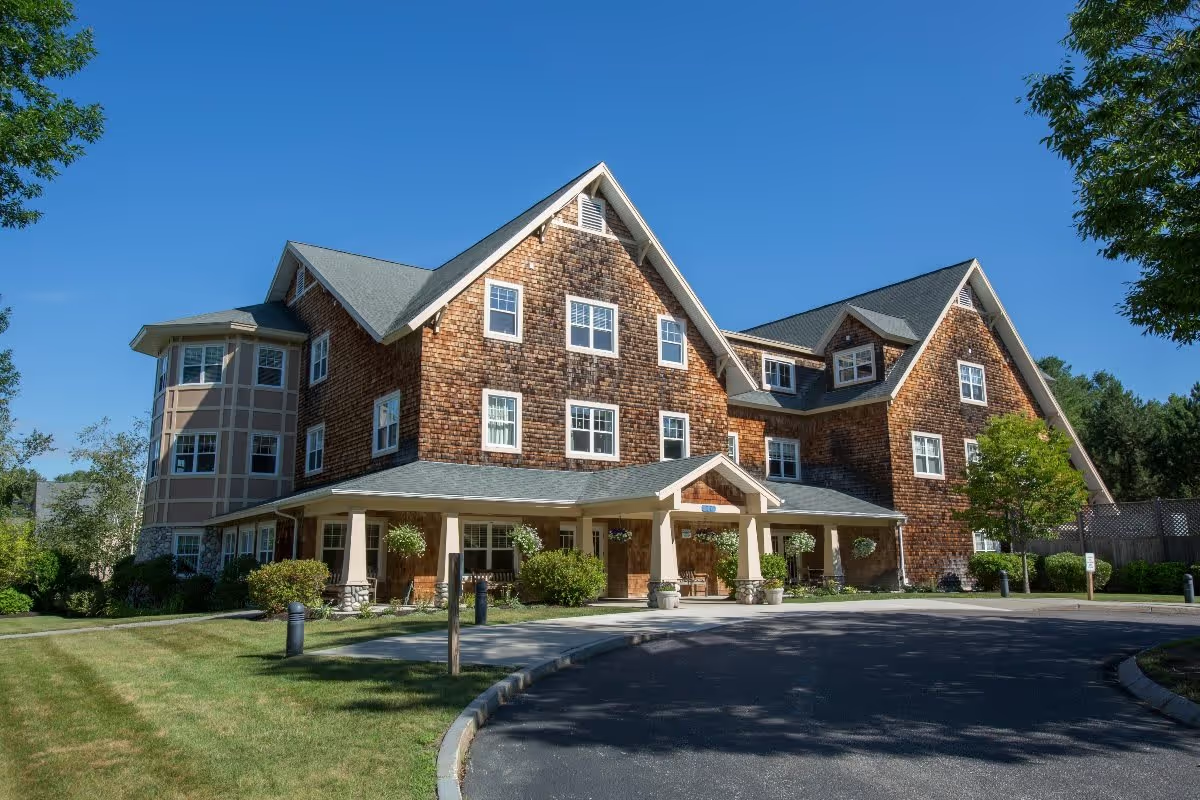
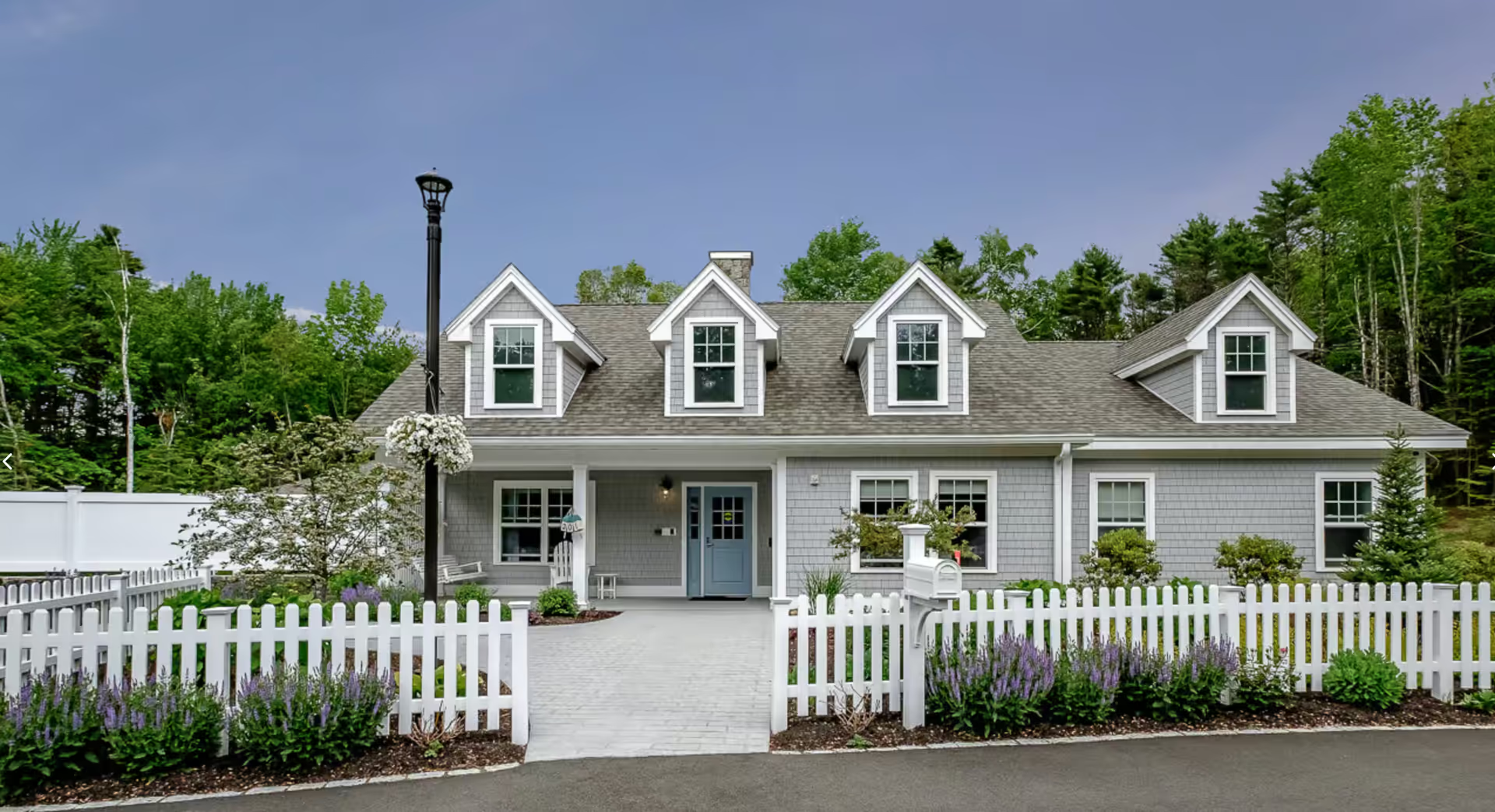
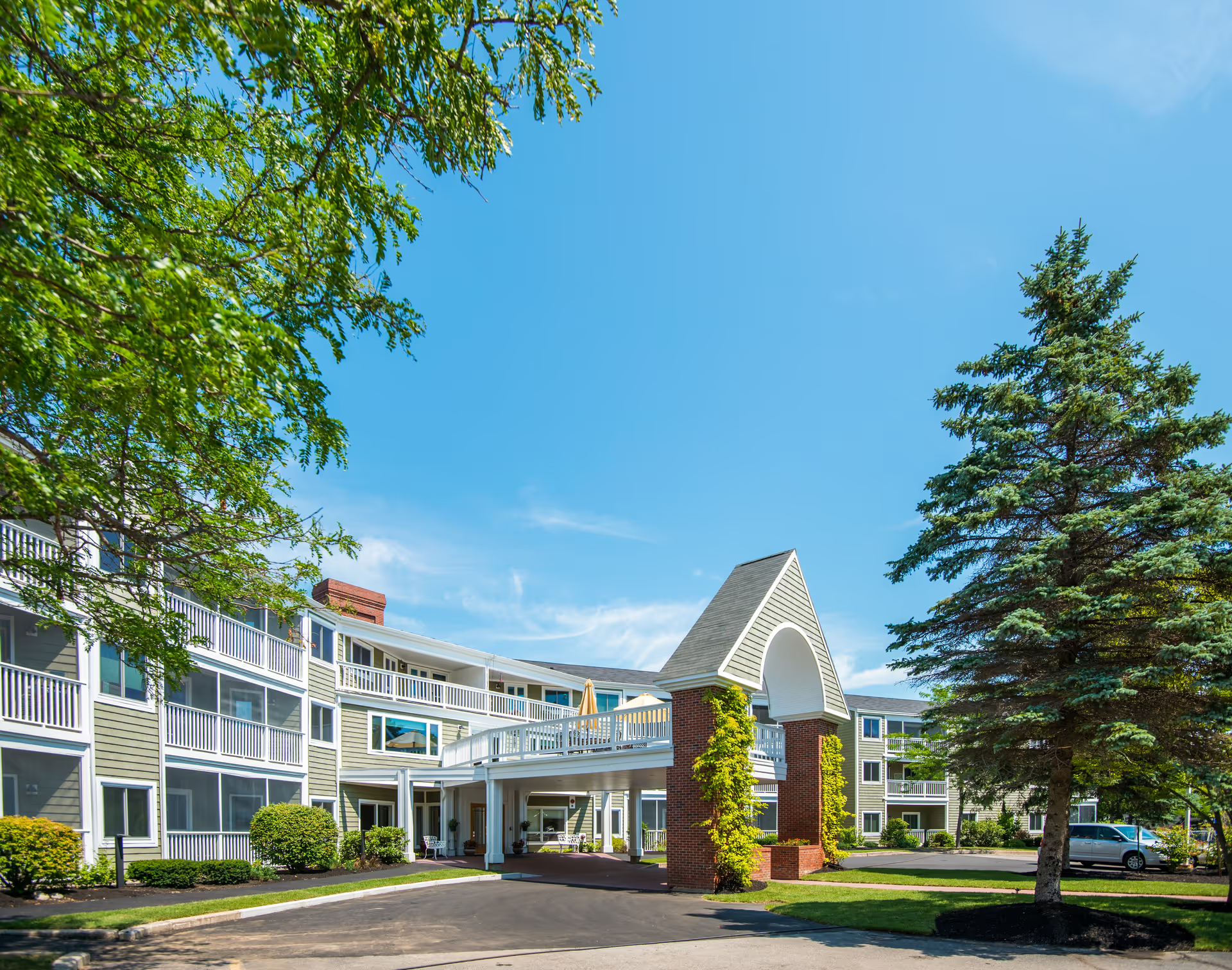
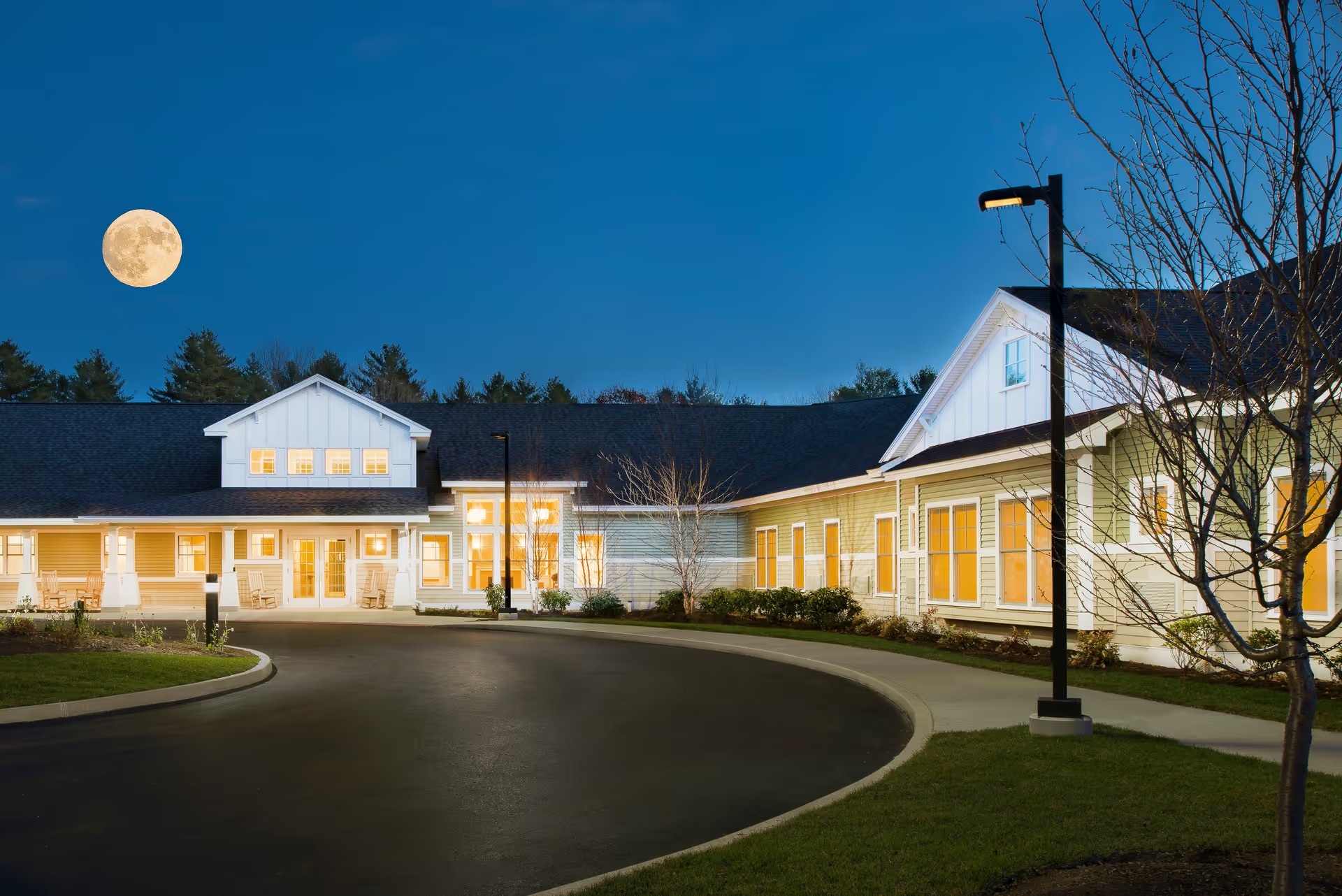
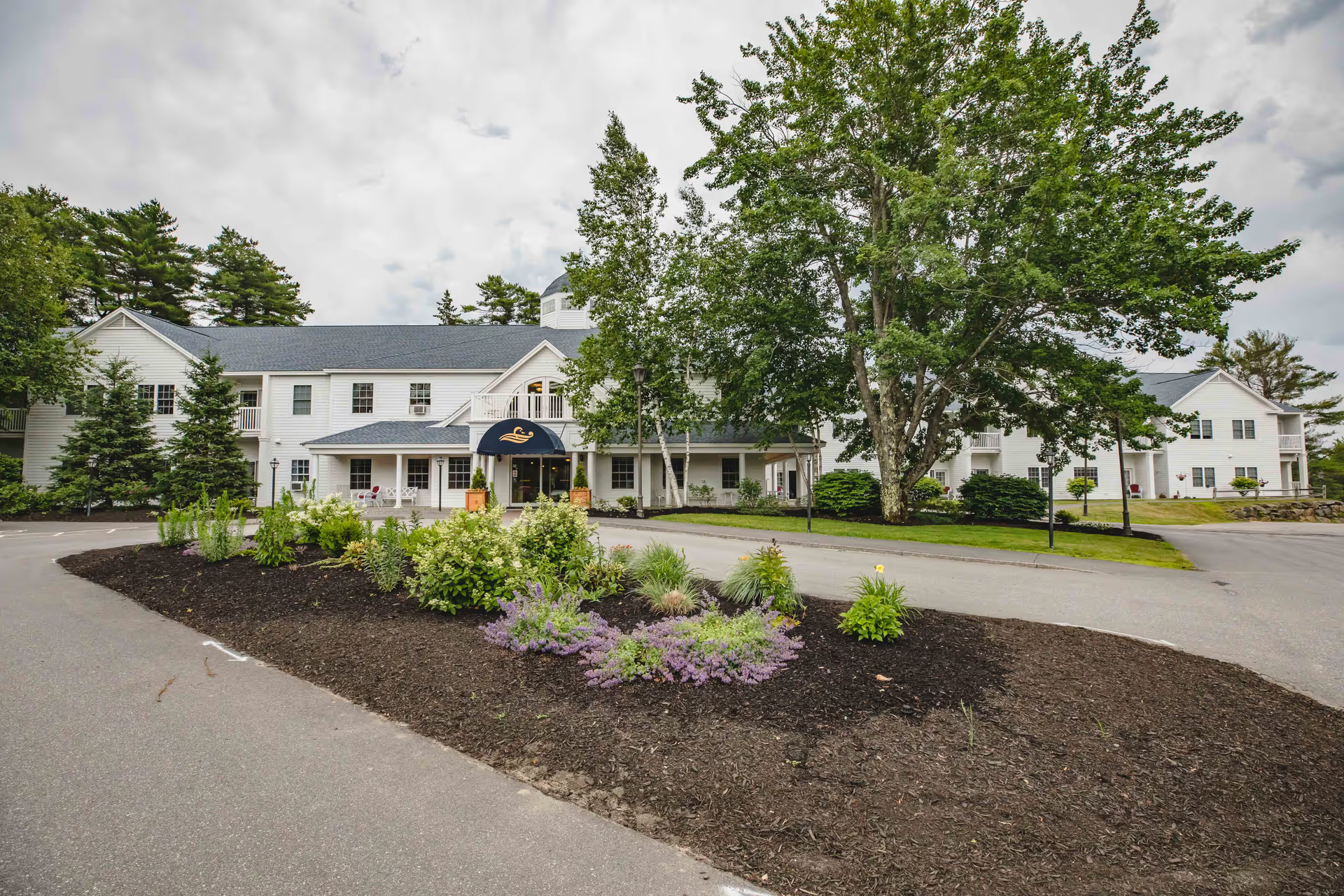
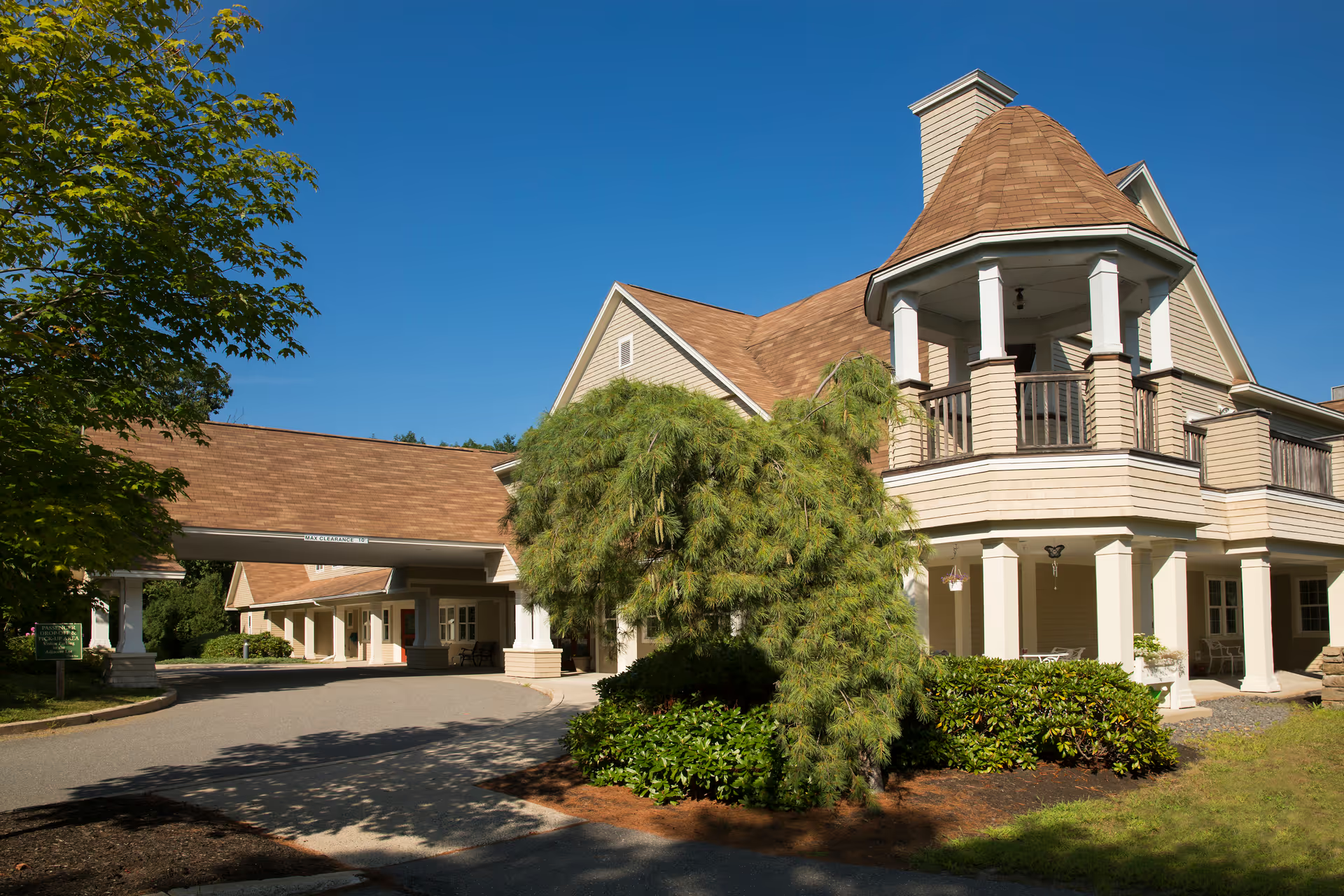
Physical plant and programming are likewise described with variance. Some reviewers find the facility clean, comfortable, and conveniently located for families; others describe a bare-bones feel, limited therapy space, and wayfinding or front-desk accessibility issues. Odor concerns in certain common areas and constrained therapy/activity rooms were mentioned, suggesting the need to inspect both public and therapy spaces in person. The facility’s outward appearance may convey a higher level of service than operational realities in some areas, so a close observational tour is advisable.
Management and culture are another area of mixed impressions. Positive comments about individual staff are tempered by descriptions of problematic staff conduct and bias, indicating potential gaps in cultural-sensitivity training and supervisory oversight. Some critiques target dining management and accountability, suggesting leadership attention is needed to address recurring operational issues.
For prospective residents and families: arrange an in-person visit during meal and activity times, ask for specifics on staffing ratios and routine communication protocols, review sanitation and infection-control procedures, and request to see therapy and activity spaces. Asking how the facility handles cultural-sensitivity training, complaint escalation, and dining-management oversight will help clarify whether the positive caregiving examples reflect consistent institutional performance or are isolated strengths.