Twin Cedar Senior Living is consistently described as a small, home-like assisted living community with a strong emphasis on personalized, compassionate care. Reviewers frequently highlight an attentive, family-oriented staff and hands-on owner involvement; nursing and caregiving staff are described as responsive, warm, and available around the clock. The community size (roughly 30–36 residents) supports close staff–resident relationships and a sense of security and peace of mind for families.
Care quality is generally presented as a core strength: personalized care plans, careful medication scheduling, and attention to changing needs are recurring themes. Families report good communication in many cases and appreciation for end-of-life and respite support when needed. That said, there are isolated concerns about the facility’s handling of serious clinical incidents and subsequent family communication, including at least one report of a serious outcome following a resident’s clinical decline; prospective families should clarify protocols for clinical escalation and incident notification during their tour.
Dining and social programming are often praised. Meals are described as tasty, well balanced, and customizable, and the community offers regular social events (ice cream socials, movie nights), outings, and enrichment programs including music, crafts, and transportation for off-site activities. On-site services such as a beauty salon, podiatry and nail services, and frequent group activities are credited with improving residents’ engagement and quality of life.
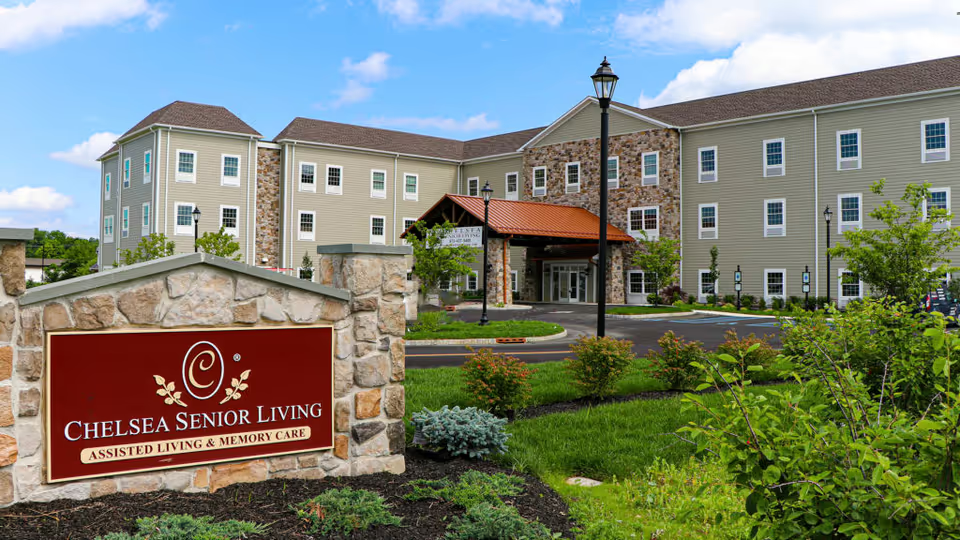
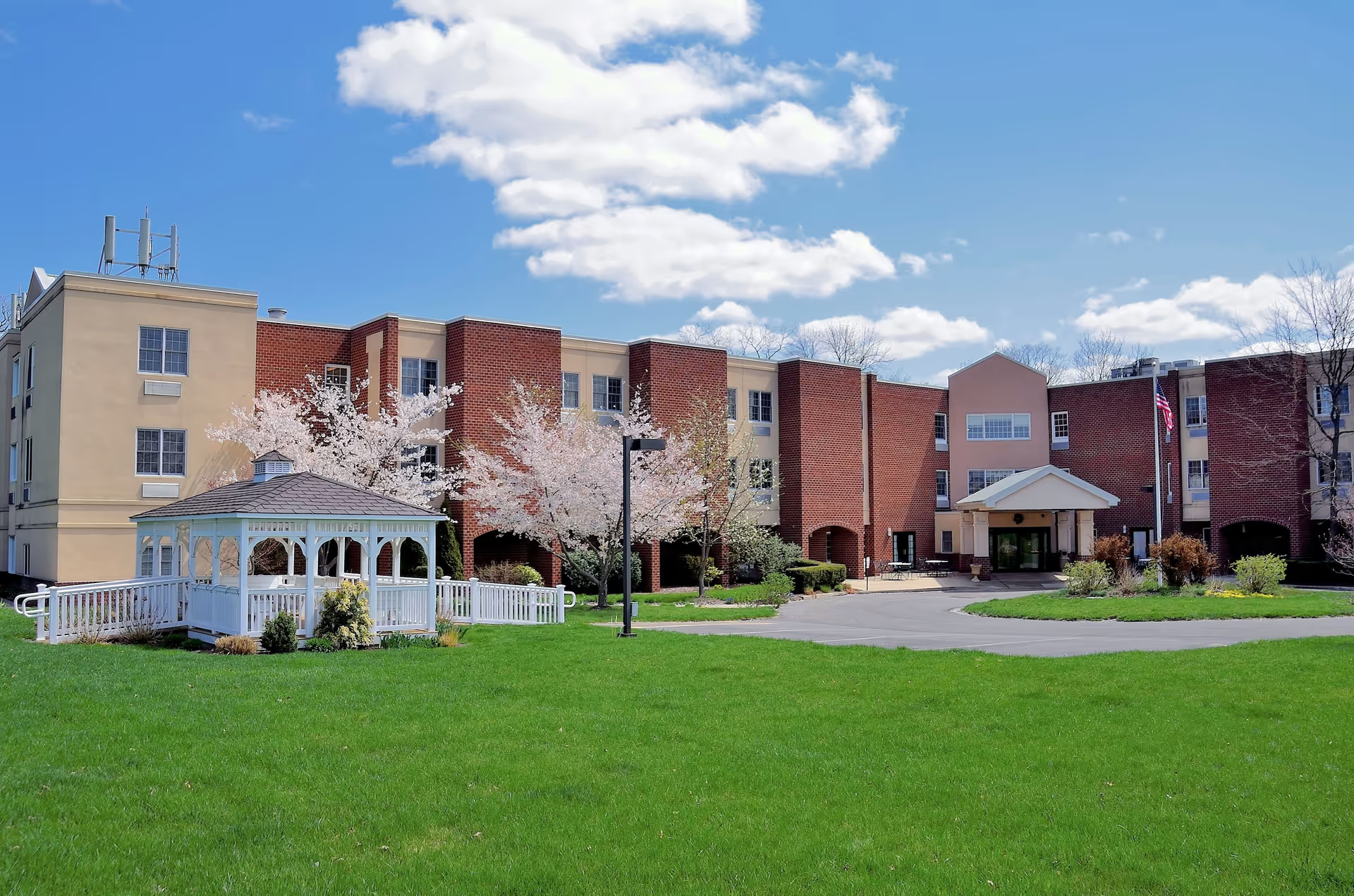
The physical environment is reported as clean, well maintained, and pleasant, with resort-like rural grounds, paved walking paths, birdwatching areas, and multiple common rooms that contribute to a comfortable, non-institutional atmosphere. Private rooms with private bathrooms are available, though reviewers also note that some rooms are small and a subset of bathrooms and fixtures show age or inconsistent maintenance. The facility’s small scale is a selling point for close attention but can also limit on-site clinical resources compared with larger skilled-nursing providers.
Operationally, Twin Cedar appears to position itself as a private-pay community with strong infection-control practices and responsive administration. Important practical considerations for prospective residents and families include limited Medicare/state-aid acceptance, potentially higher private-pay costs, and the facility’s rural location, which may be less convenient for some families. Additionally, families seeking a provider able to manage advancing medical complexity should assess Twin Cedar’s clinical scope and transfer protocols—reviews indicate confidence in routine assisted-living care but also flag limits to higher-level skilled nursing capacity.
In summary, Twin Cedar is best described as a small, well-kept assisted living home with a strong reputation for compassionate staff, robust activity programming, and a comfortable, scenic setting. It is a good fit for people and families seeking a close-knit, home-like environment with active social life and attentive caregiving. Prospective residents should confirm clinical-capacity limits, costs and payment options, and maintenance condition of specific rooms during the visit to ensure alignment with medical needs and budget.