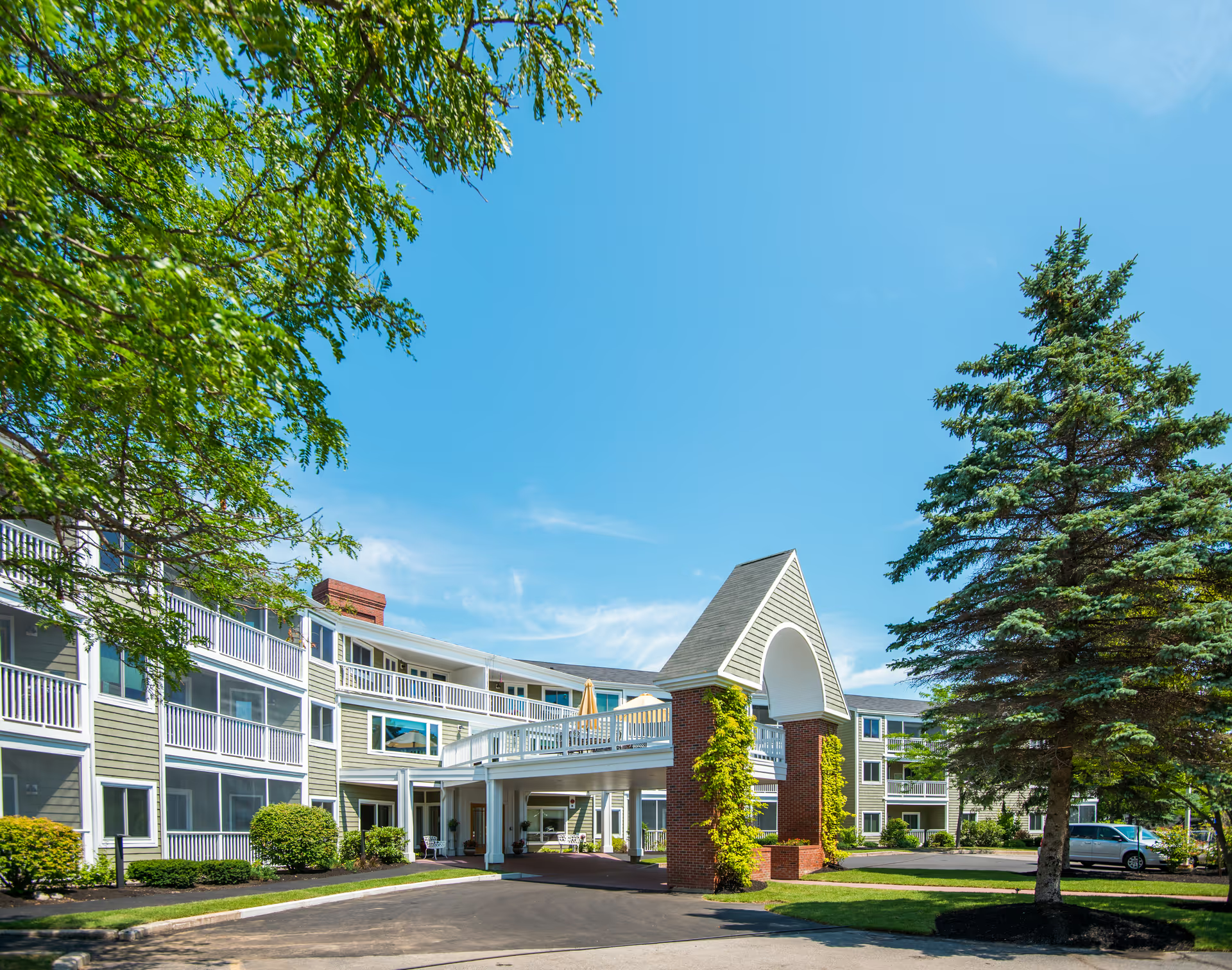
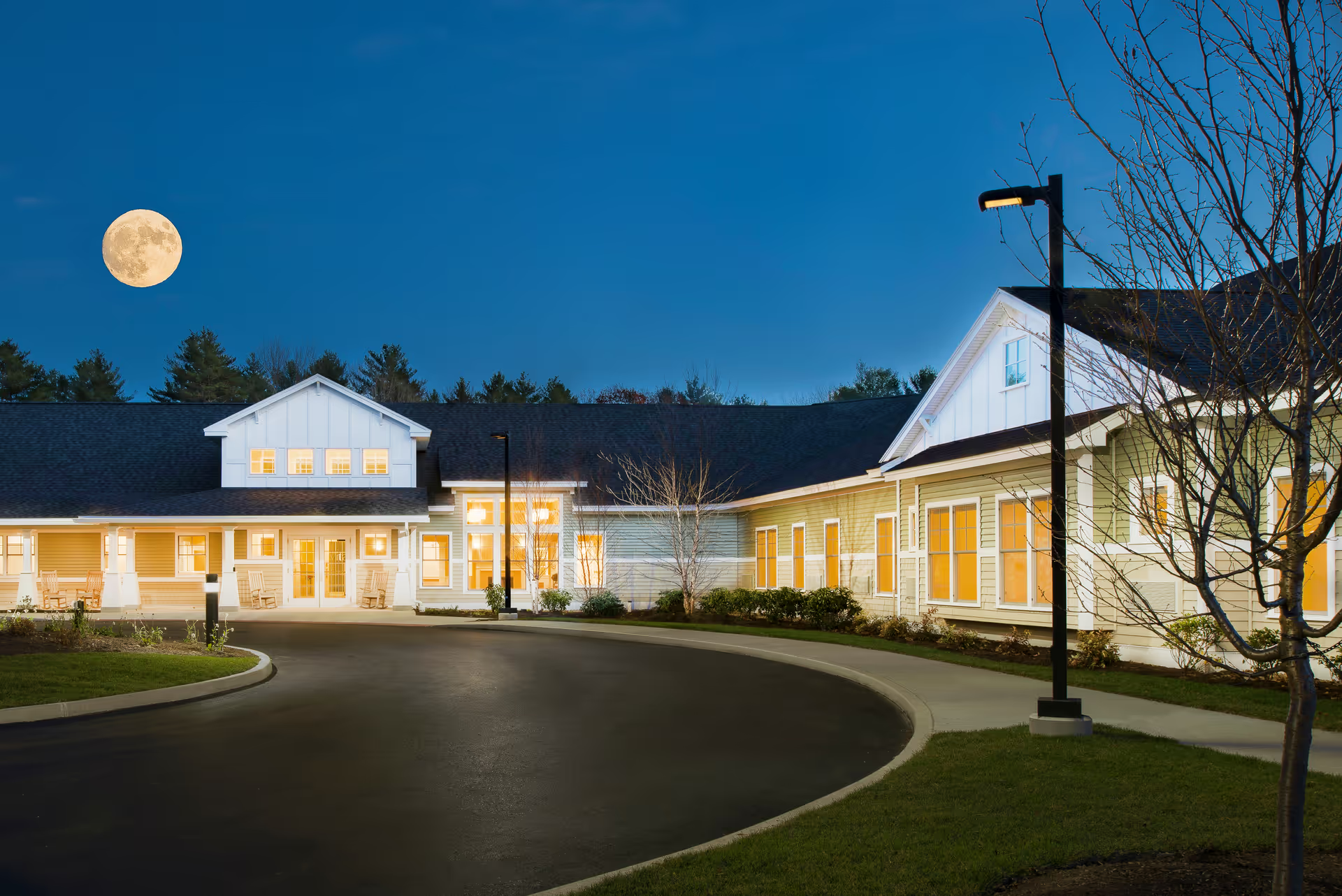
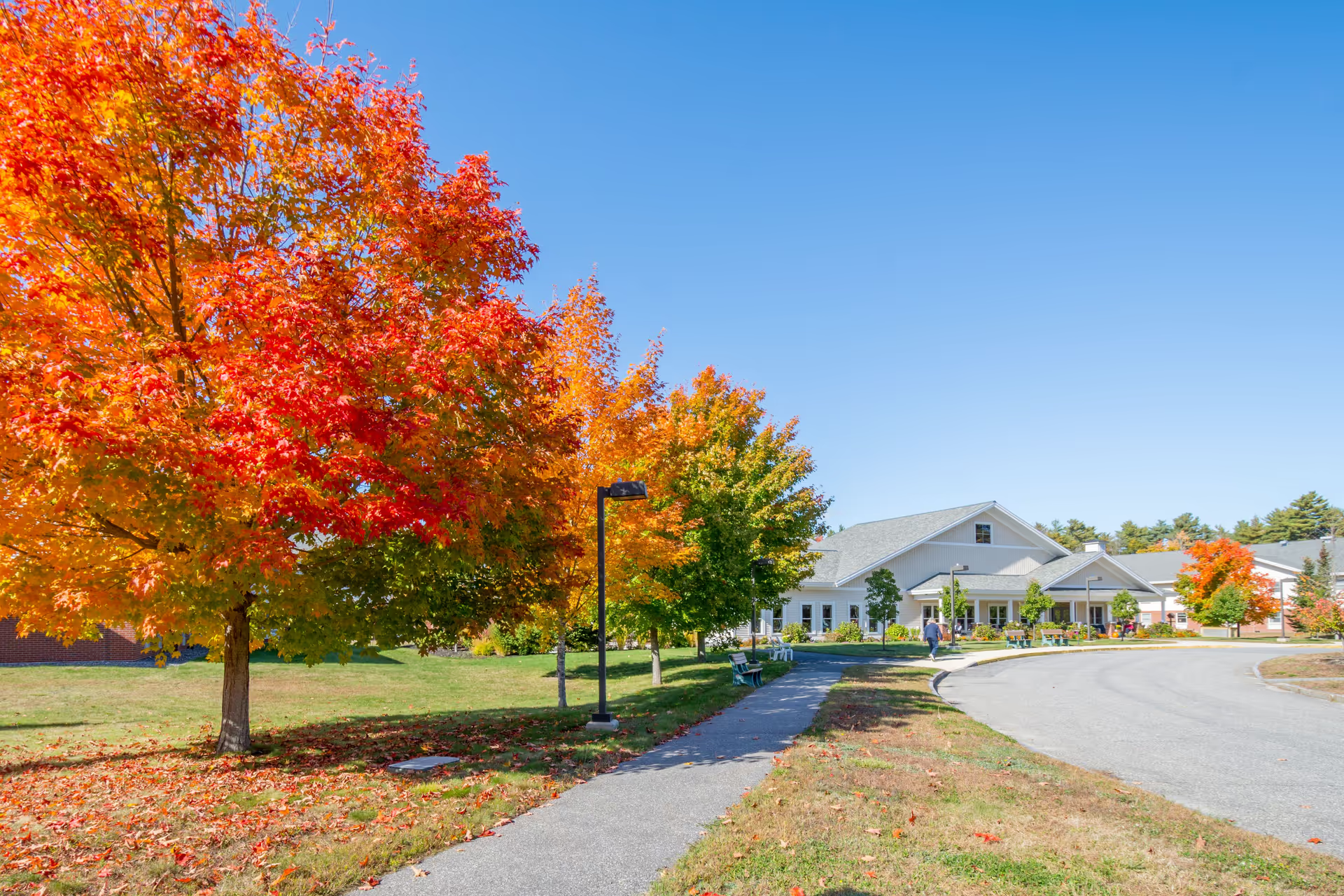
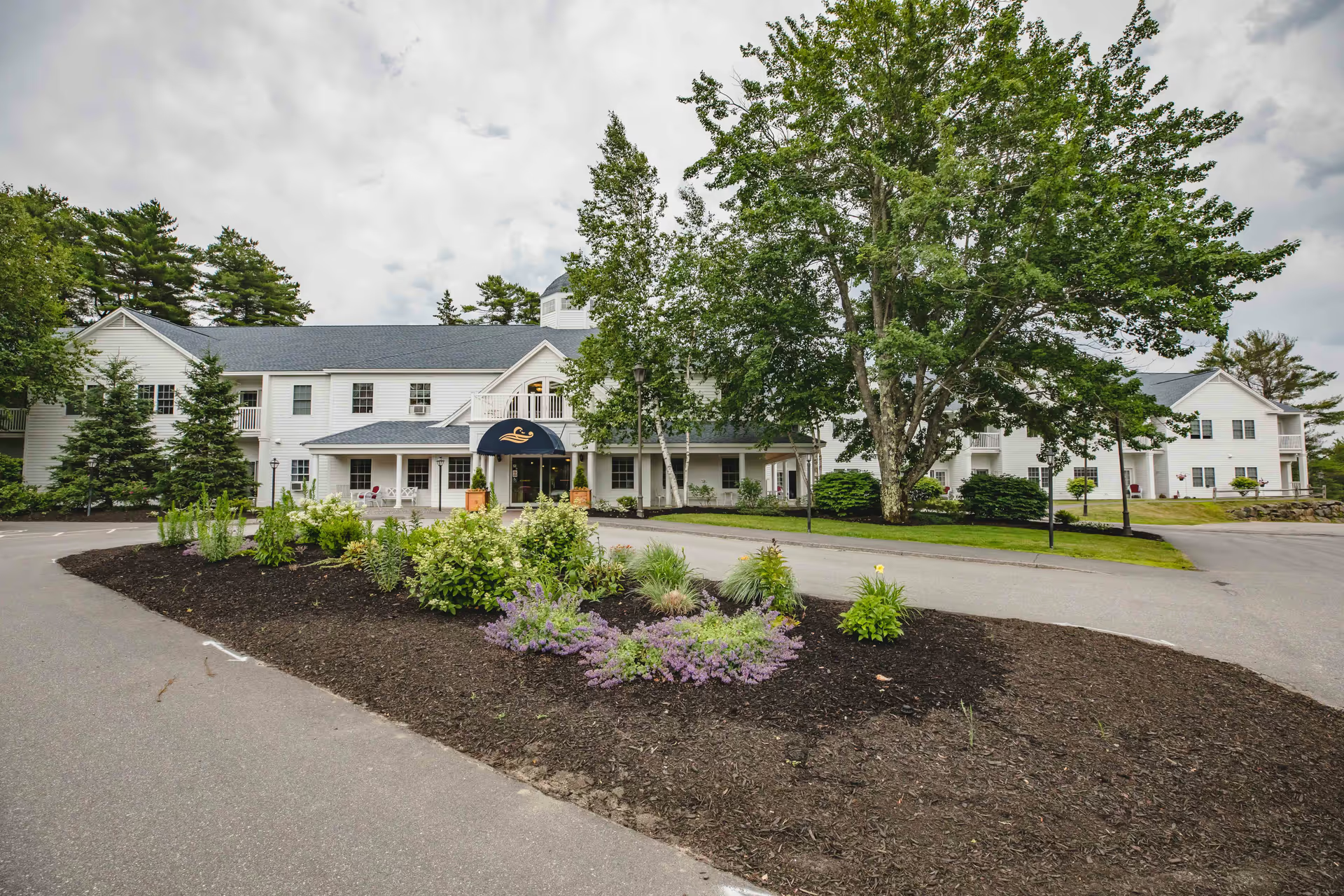
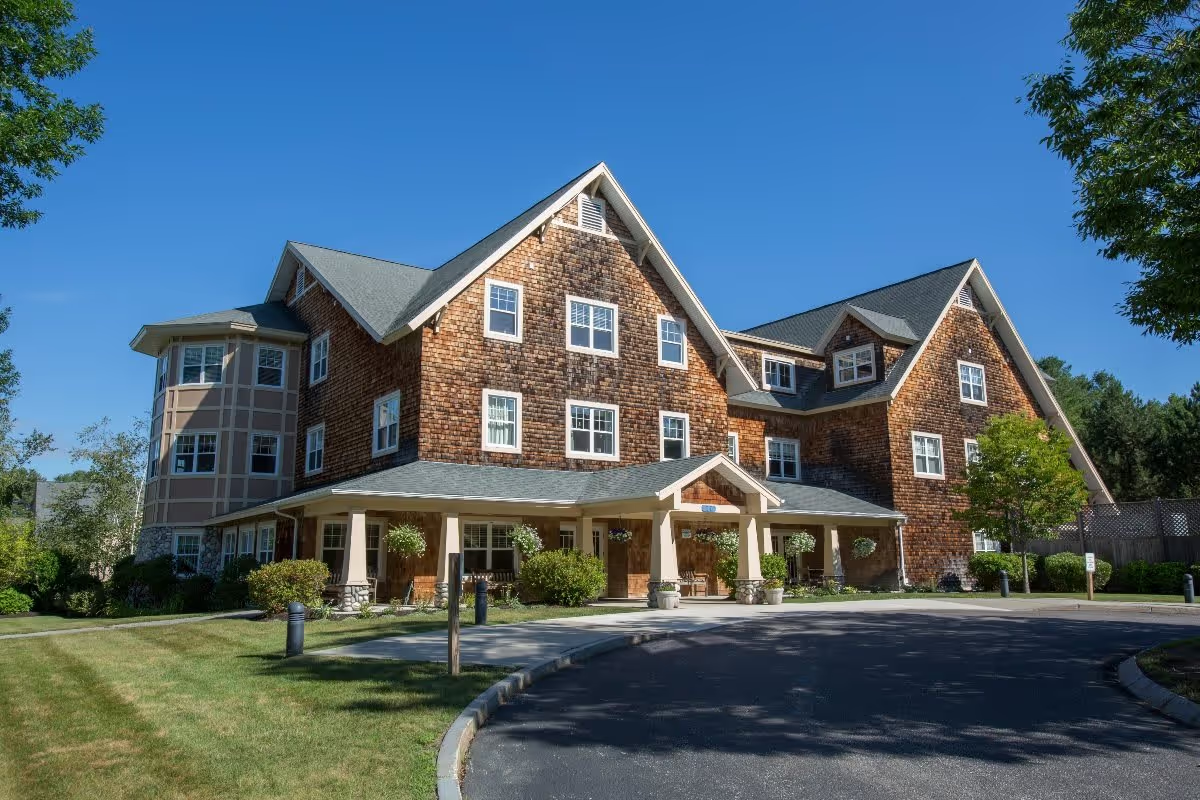
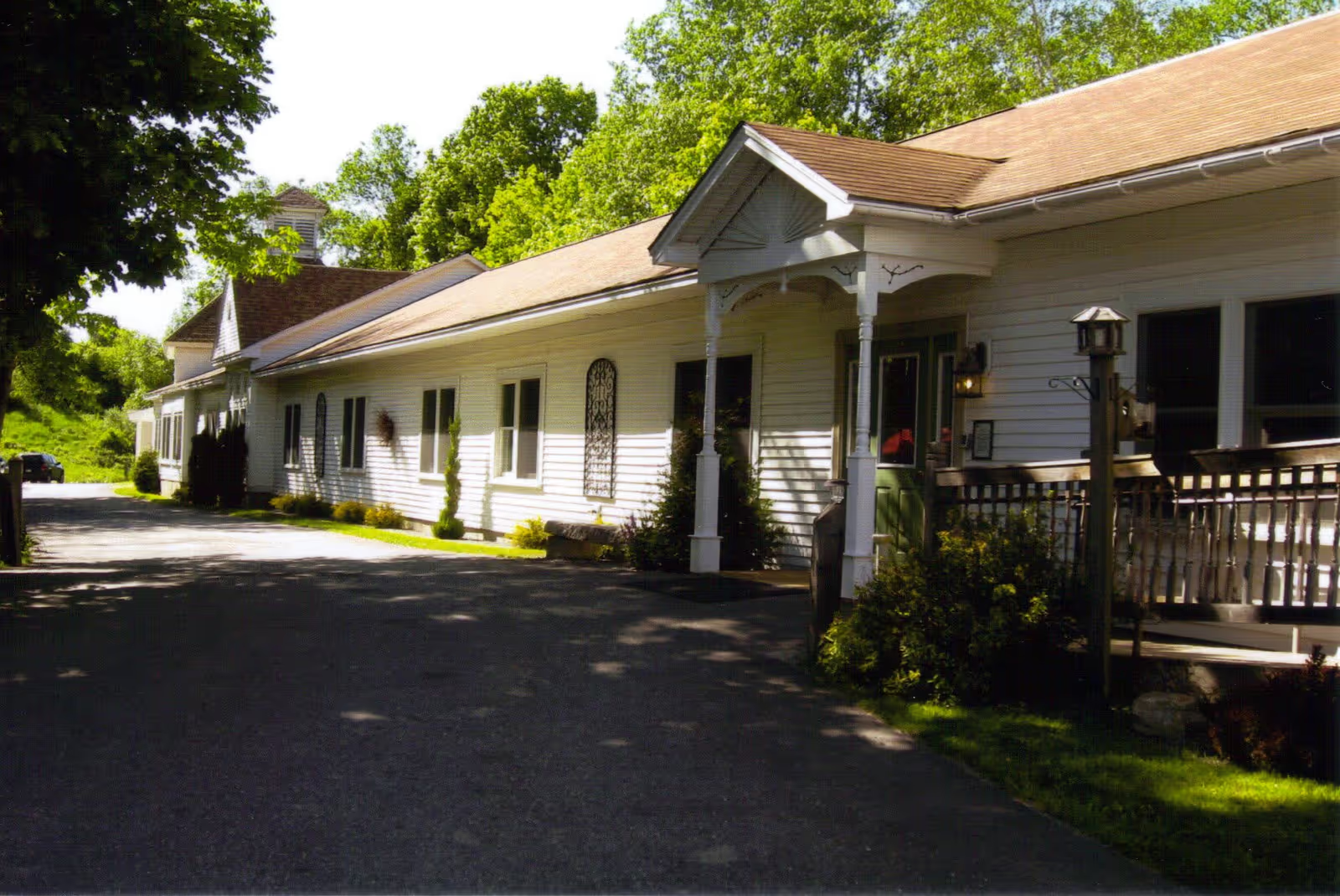
Marshwood Center elicits strongly mixed impressions. Many families praise the bedside compassion and attentiveness of CNAs and several nurses, as well as a robust, therapy-oriented rehabilitation program. The facility presents as a comfortable, small-to-midsize center with private and semi-private room options, active programming (bingo, puzzles, seasonal events, virtual family connections), and some distinctive therapy features such as real-life simulation rooms for functional training. Admissions and front-desk staff receive frequent positive mention, and the center appears to be pursuing programmatic improvements (wound-care initiatives, certification efforts, and CMS quality targets) that align with a rehab-focused mission.
At the same time, a recurrent theme across reviews is operational inconsistency. Staffing levels and turnover are leading concerns: daytime coverage is often described as adequate, whereas evenings and nights are frequently cited as understaffed. That disparity manifests as long waits for call-button responses, delayed assistance with toileting and bathing, and variable nursing supervision. Families describe the need to actively advocate and monitor care plans, particularly for residents with cognitive impairment; reviewers also note limited dementia-specific training for some direct-care staff.
Clinical coordination and medication management are another area of concern. Reviews identify delays in provider visits, missed or delayed pain and chronic-disease medications, and occasional medication-administration errors. These issues are often linked to communication gaps between nursing, prescribers, and families, and to social-work staffing constraints. A small number of reviews reference serious allegations — including licensing and regulatory matters and concerning clinical outcomes — and prospective families should review state complaint history and quality metrics as part of their evaluation.
Foodservice and housekeeping receive mixed feedback. Positive comments highlight helpful kitchen staff and enjoyable meals in some stays, while negative feedback emphasizes inconsistent food quality, frequent processed menu items, temperature issues, and lapses in meal supervision for residents who require assistance. Housekeeping and laundry performance also appears variable: several families report sanitation concerns and delayed housekeeping tasks, while others find the facility clean and odor-free. These contrasting accounts suggest that cleanliness and foodservice standards may vary by unit or shift.
Safety and documentation practices show recurring patterns that warrant attention. Reviewers describe fall-related events and transfer-safety weaknesses, occasional delays in incident communication to families, and at least one instance of incorrect medical records being shared. These point to gaps in safety processes, incident reporting, and record-keeping controls rather than isolated bedside care alone.
In summary, Marshwood Center provides notable strengths in rehabilitation, compassionate direct caregiving, and activity programming, and it has initiatives under way to improve clinical programs. However, persistent operational weaknesses — inconsistent staffing, delays in personal-care responsiveness, variability in medication management, housekeeping, and foodservice, plus communication and safety-process gaps — create uneven experiences. Prospective residents and families should plan an in-person visit across multiple shifts, ask about current staffing ratios and dementia training, review medication and incident protocols, inspect housekeeping standards, and request recent state inspection and quality records before making placement decisions.