Overall impression: Reviews describe a facility with clear strengths at the frontline level but recurring operational weaknesses. Many families praise individual caregivers—nurses, CNAs and therapy staff—for warmth, compassion and hands-on attention; the small unit size is frequently characterized as home-like and supportive. At the same time, several families expressed substantive concerns about inconsistent execution of clinical protocols, communication and administrative oversight.
Care quality and clinical issues: Positive accounts emphasize attentive bedside care, responsive CNAs, on-unit physician contact and robust hospice support for end-of-life needs. Conversely, other accounts indicate variability in clinical continuity: delays in responding to call lights, inconsistent medication administration and concerns about wound-care and pain-management processes. There are also descriptions suggesting gaps in supervision that have contributed to falls or delayed interventions. Prospective families should ask about wound-care protocols, pain-management pathways and how the facility monitors and audits clinical outcomes.
Staffing and staff conduct: Many reviewers singled out individual staff members as caring and professional, and some therapy/PT staff received praise. However, patterns described include frequent turnover, reliance on agency or traveling nurses, and what families perceive as insufficient training or supervision in some shifts. These patterns are linked to longer response times, inconsistent care practices and perceptions of weak managerial oversight. Families may wish to review staffing ratios, orientation and training procedures, and weekend coverage plans before placement.
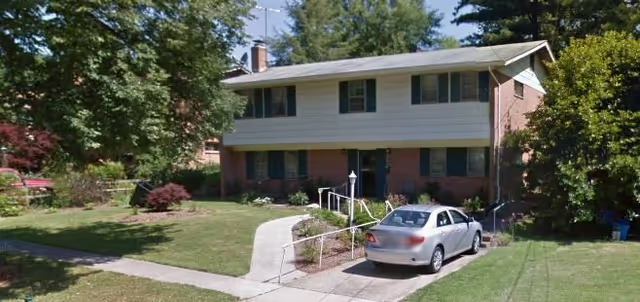
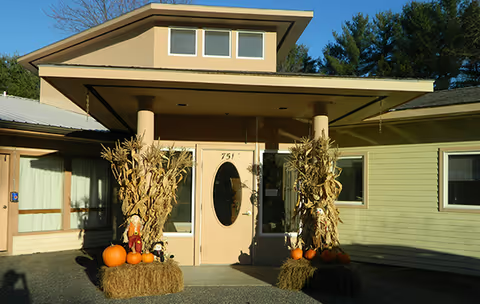
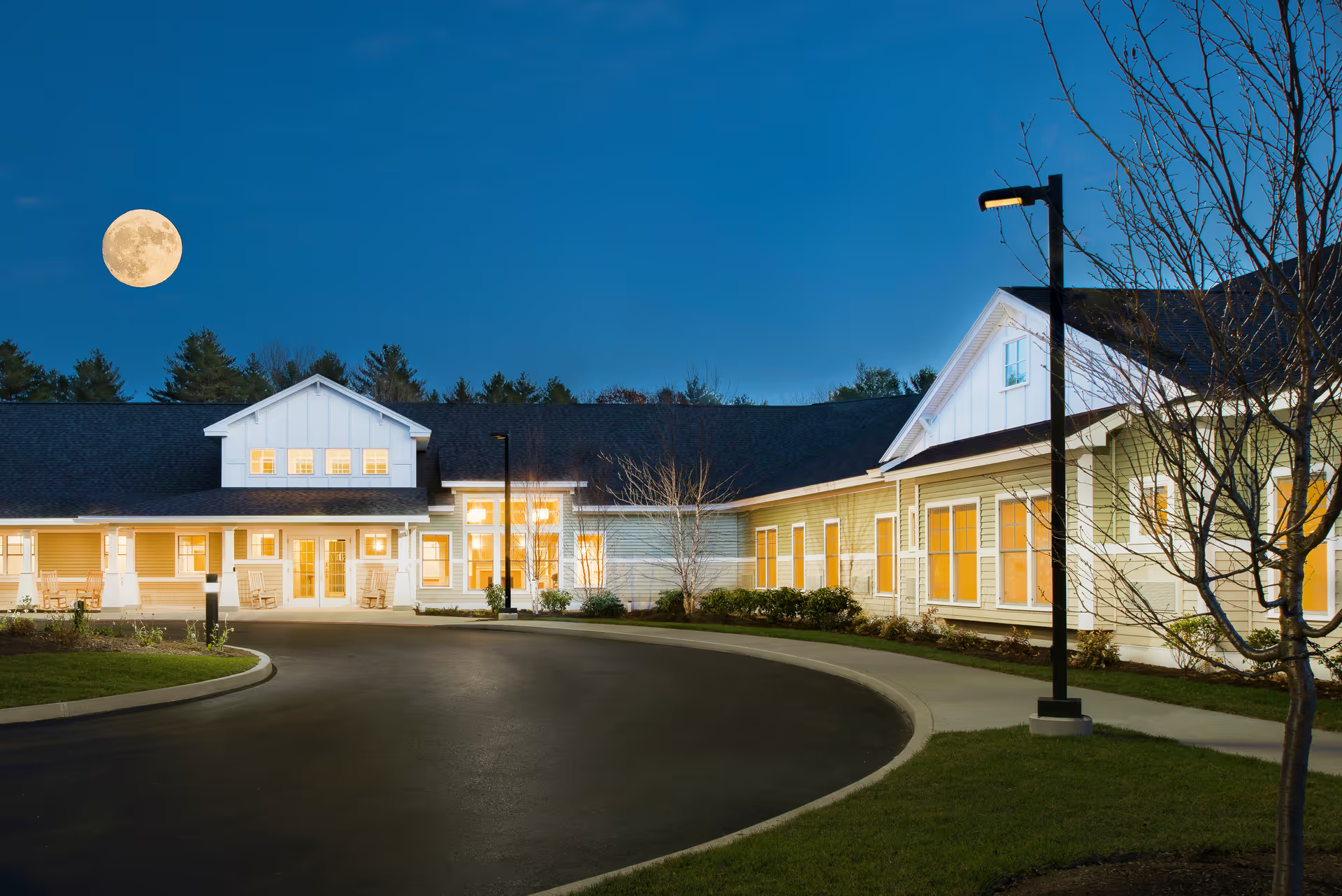
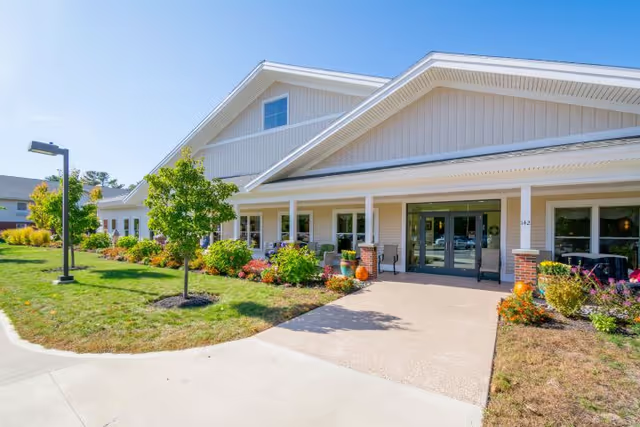
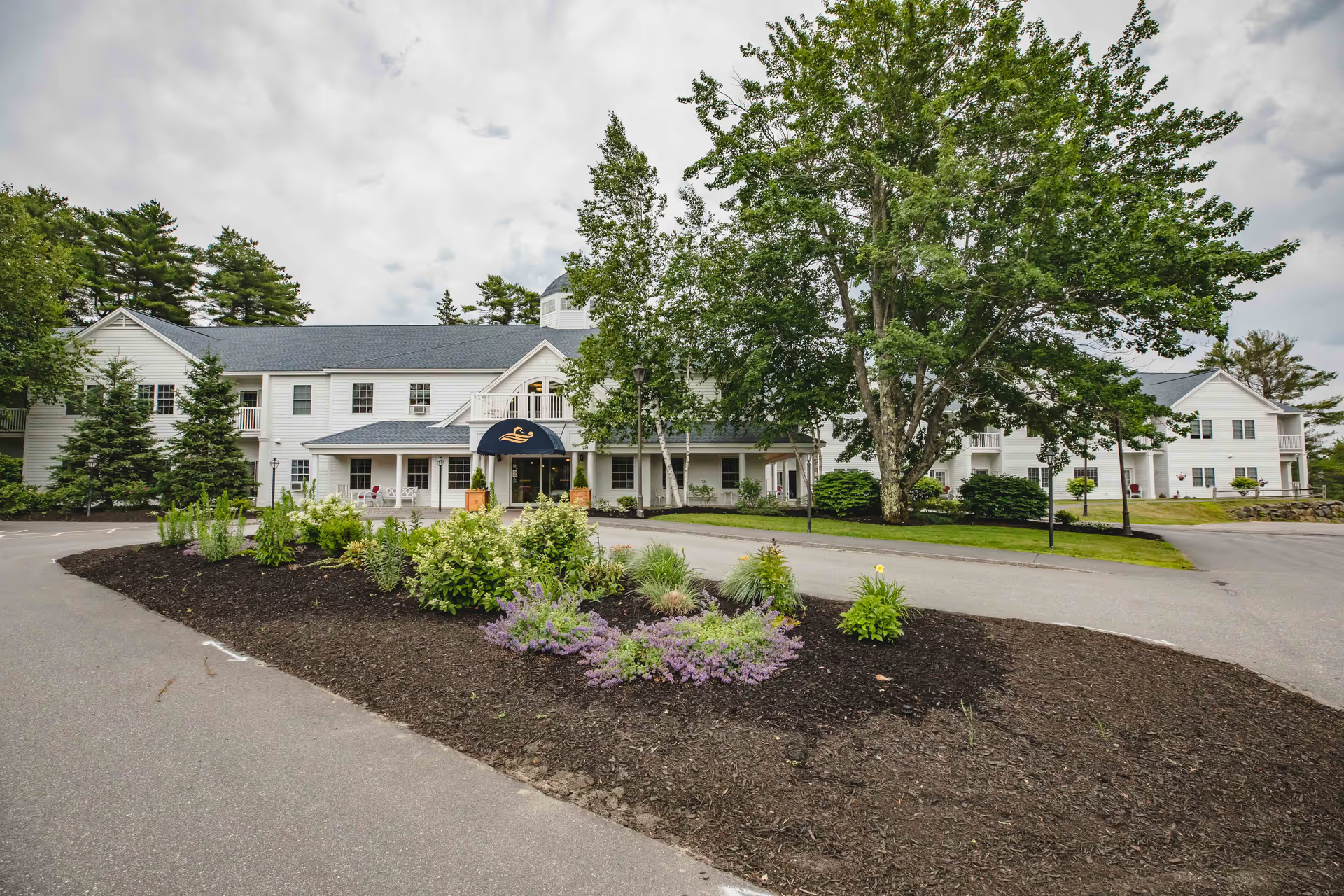
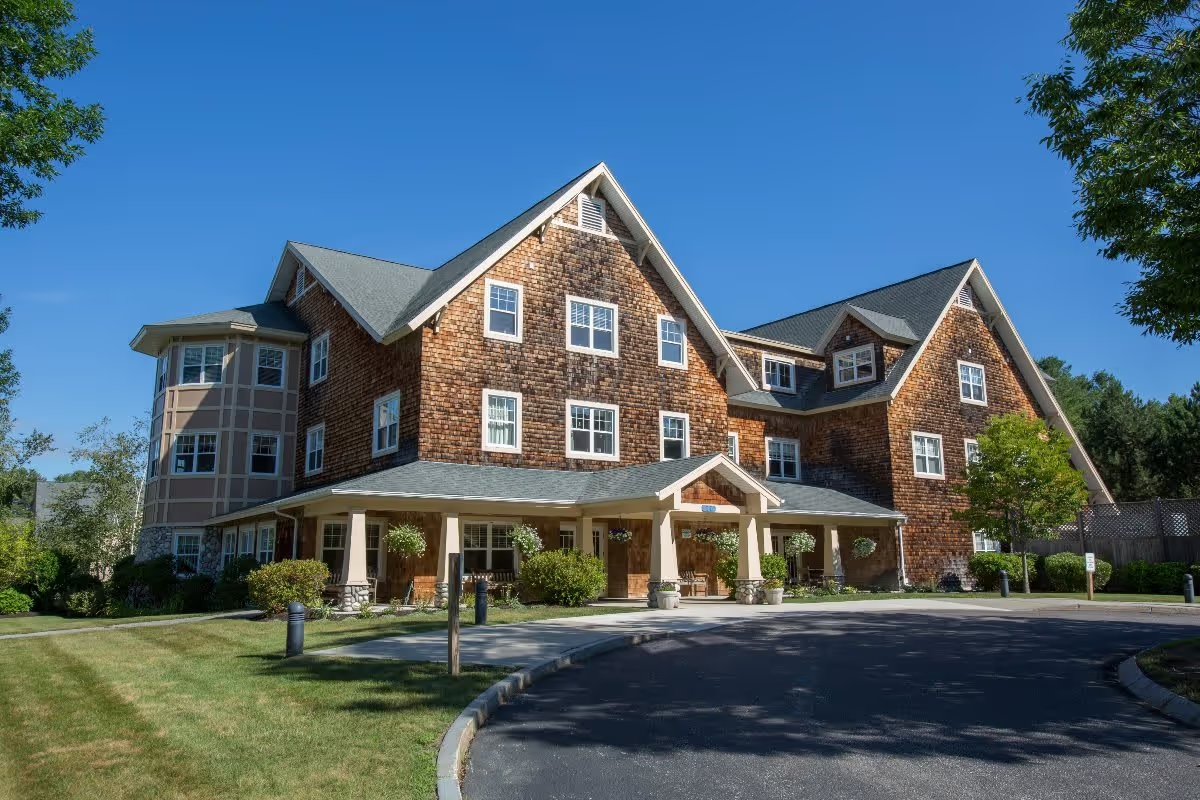
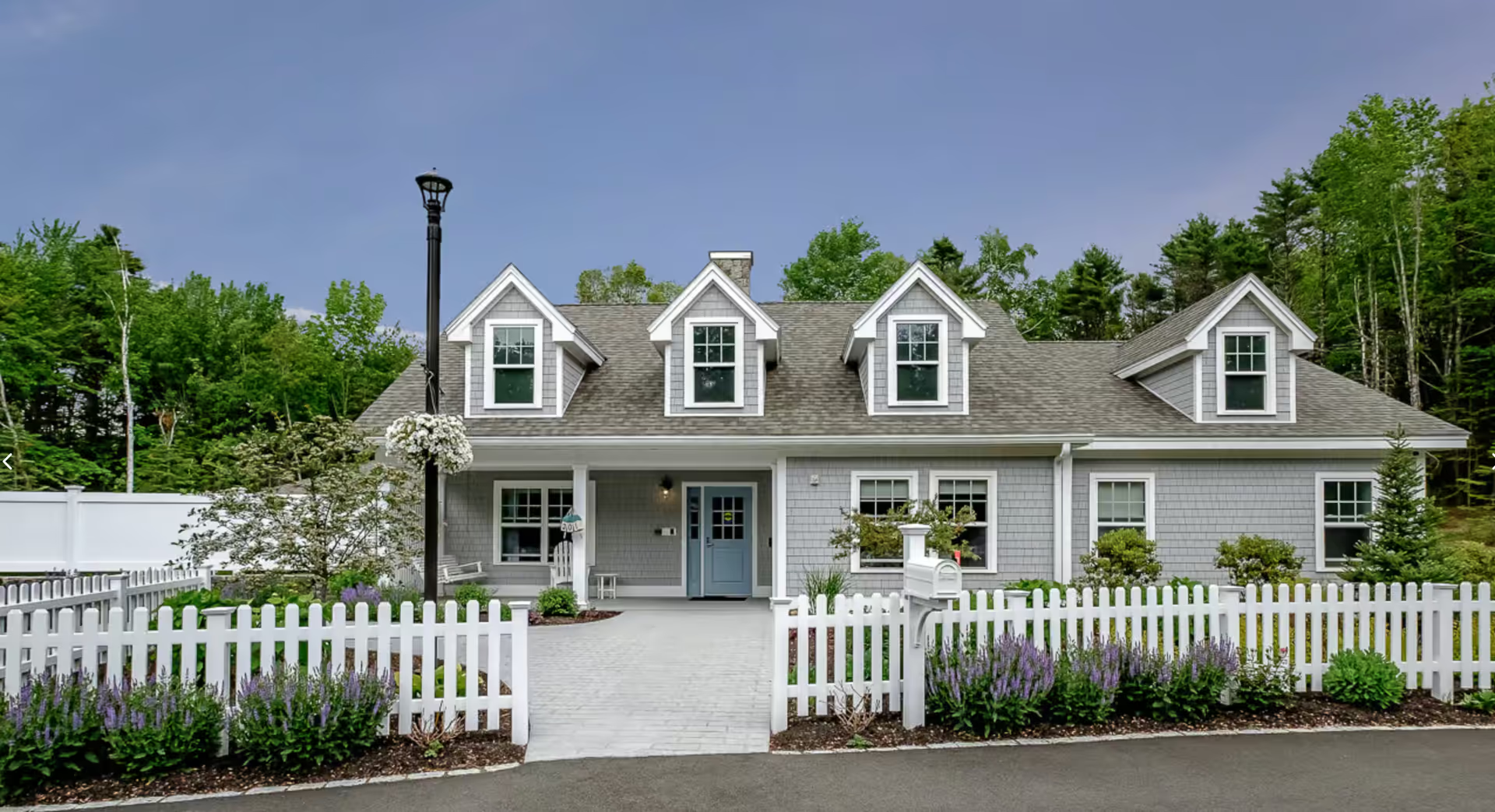
Facilities, hygiene and personal items: The facility’s small, cozy atmosphere and welcoming décor were noted positively. At the same time, reviewers raised sanitation and hygiene process weaknesses and expressed concerns about controls for personal belongings (lost dentures, hearing aids, clothing). There were also mentions of intermittent communication-technology issues (nonworking room phones), which can affect family contact and timely notification.
Management, billing and communication: Communication and administrative responsiveness emerge as a key dividing line. Where administration is engaged, families described clear updates and collaborative care. Where administration was perceived as weak, families described unresolved billing questions, unclear explanations for withdrawals, and limited follow-through on clinical complaints. Several families raised allegations of financial misconduct and unresolved billing disputes; these claims suggest prospective residents and families should request clear documentation of billing procedures, power-of-attorney safeguards and incident escalation policies.
Dining, activities and therapy: Specific praise for therapy and physical-rehabilitation assistance appears alongside criticisms of disorganized rehab planning and inconsistent therapy management. There is limited specific feedback about dining or structured activities in the reviews provided; prospective visitors should tour dining spaces and request sample activity schedules to assess fit.
Notable patterns and guidance for families: The pattern is mixed—strong individual caregivers and good hospice/therapy services exist alongside operational gaps in continuity, supervision, hygiene processes and administrative transparency. When evaluating this facility, families should observe staffing patterns across shifts (including weekends), review wound- and medication-management protocols, confirm how personal items are tracked, ask about billing safeguards and request examples of incident-response documentation. Obtaining written policies and talking directly with unit-level nursing leadership and the on-site physician can help clarify whether the strengths described will be sustained for a prospective resident.