The Lamp Memory Care Center elicits mixed impressions that combine consistently praised interpersonal strengths with concerns about operational stability. Families and observers commonly describe the caregiving staff as compassionate, attentive, and focused on memory-care needs; many note a home-like, family atmosphere, visible managers, strong teamwork, and staff who are willing to listen to concerns and provide comfort, including end-of-life support. The programmatic side of the community also receives positive mention: daily activities, games, dances, religious services, and special events are part of the regular calendar, and staff emphasize meaningful, person-centered engagement.
At the same time, a recurring pattern across the summaries is variability in care that appears linked to staffing and scheduling practices. Reviewers report high turnover, long or extended shifts, and coverage gaps; these factors are associated with inconsistent caregiving quality depending on which staff members are on duty. Related workplace concerns—perceptions that staff are overworked or treated poorly, and occasional reports of favoritism in assignments—contribute to uneven resident experiences and suggest staff morale and scheduling stability are operational vulnerabilities.
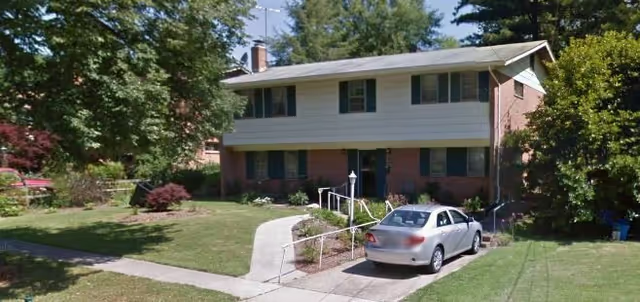
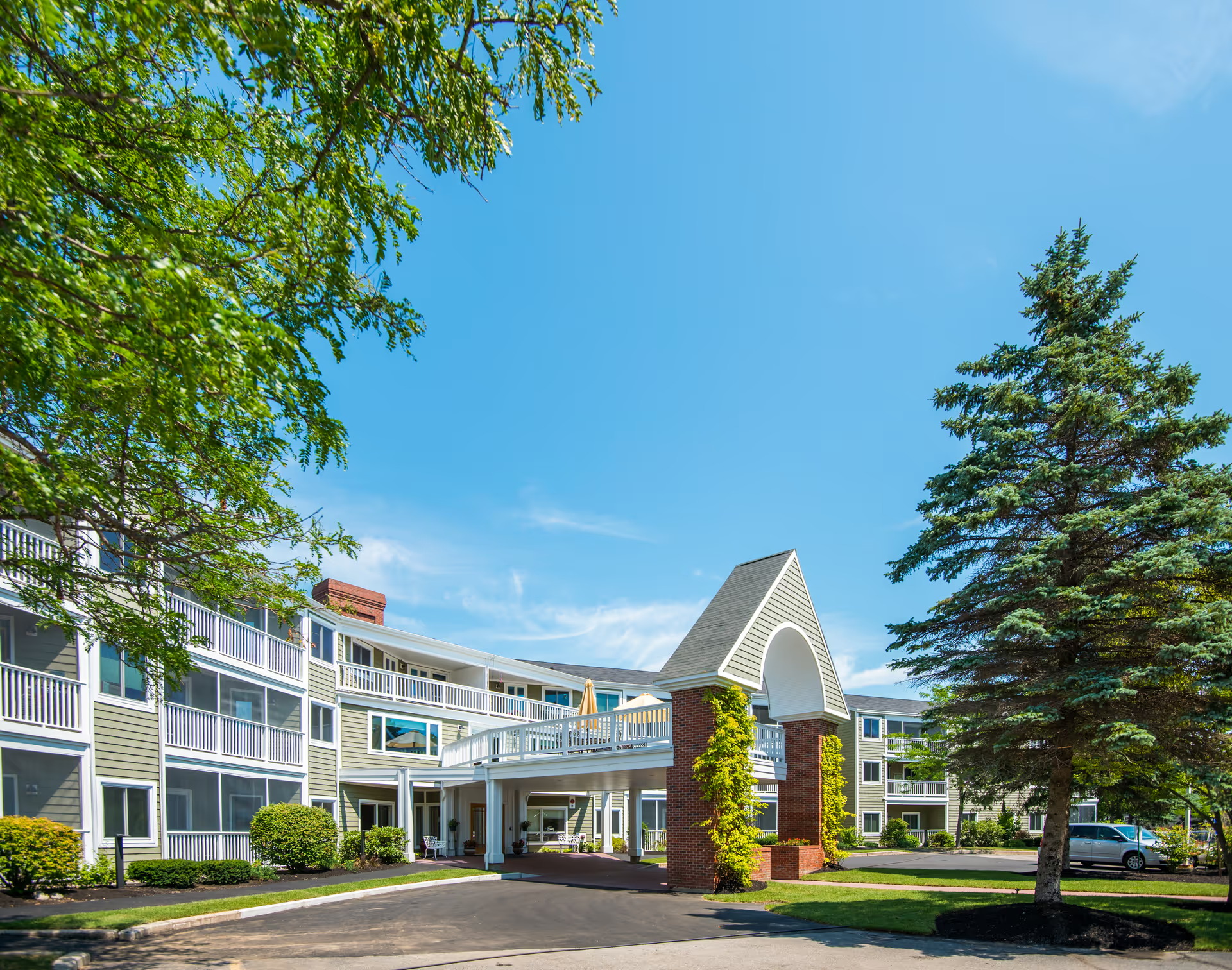
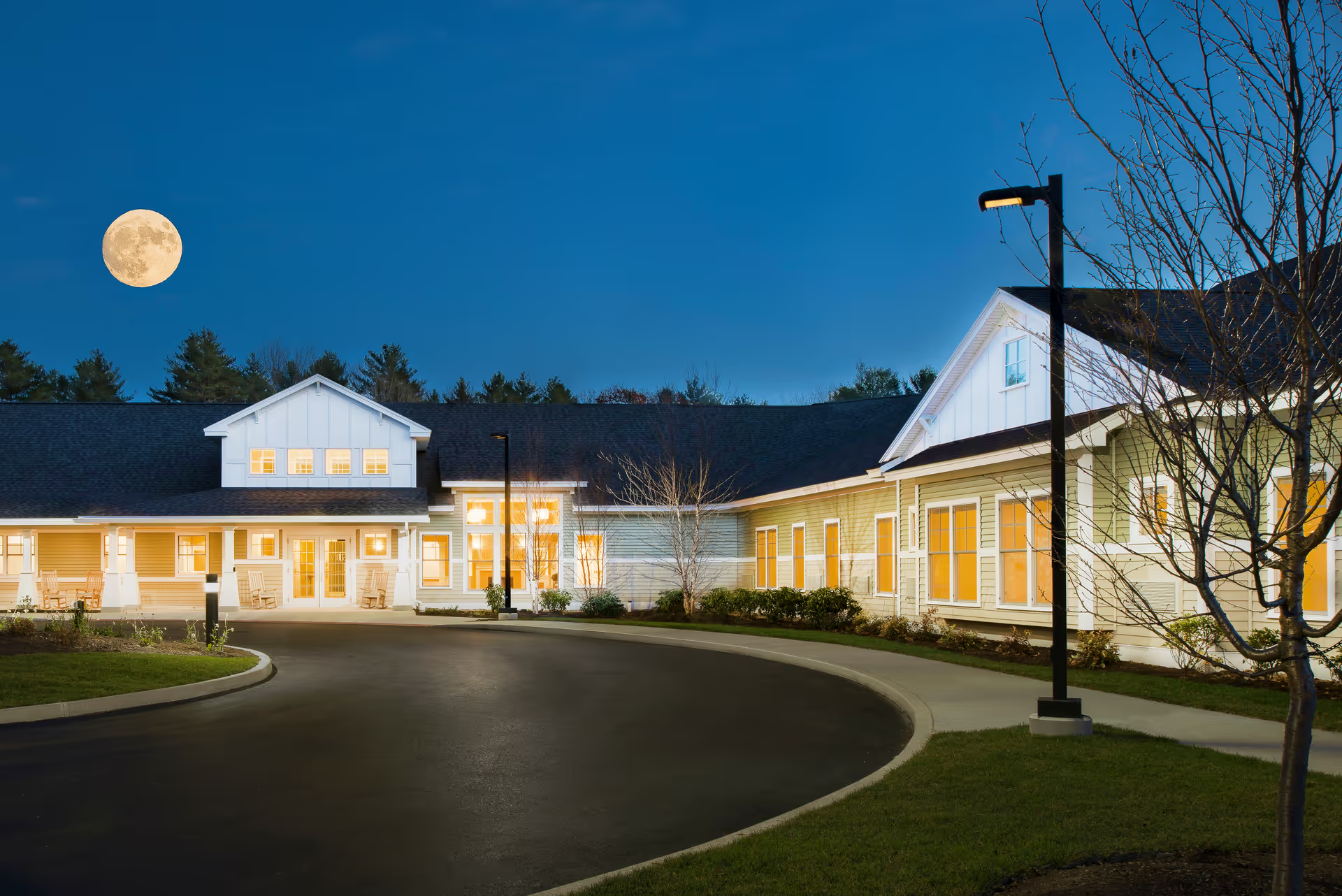
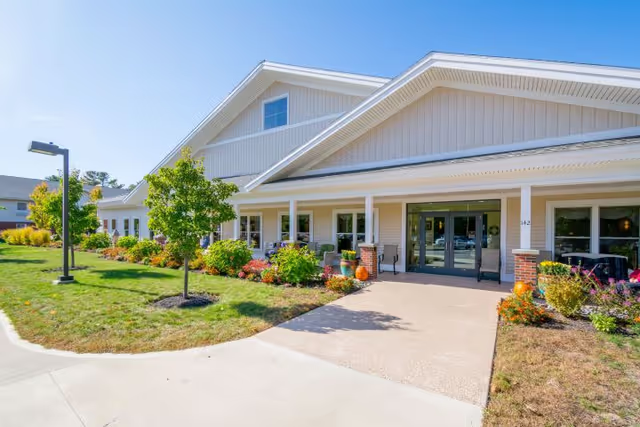
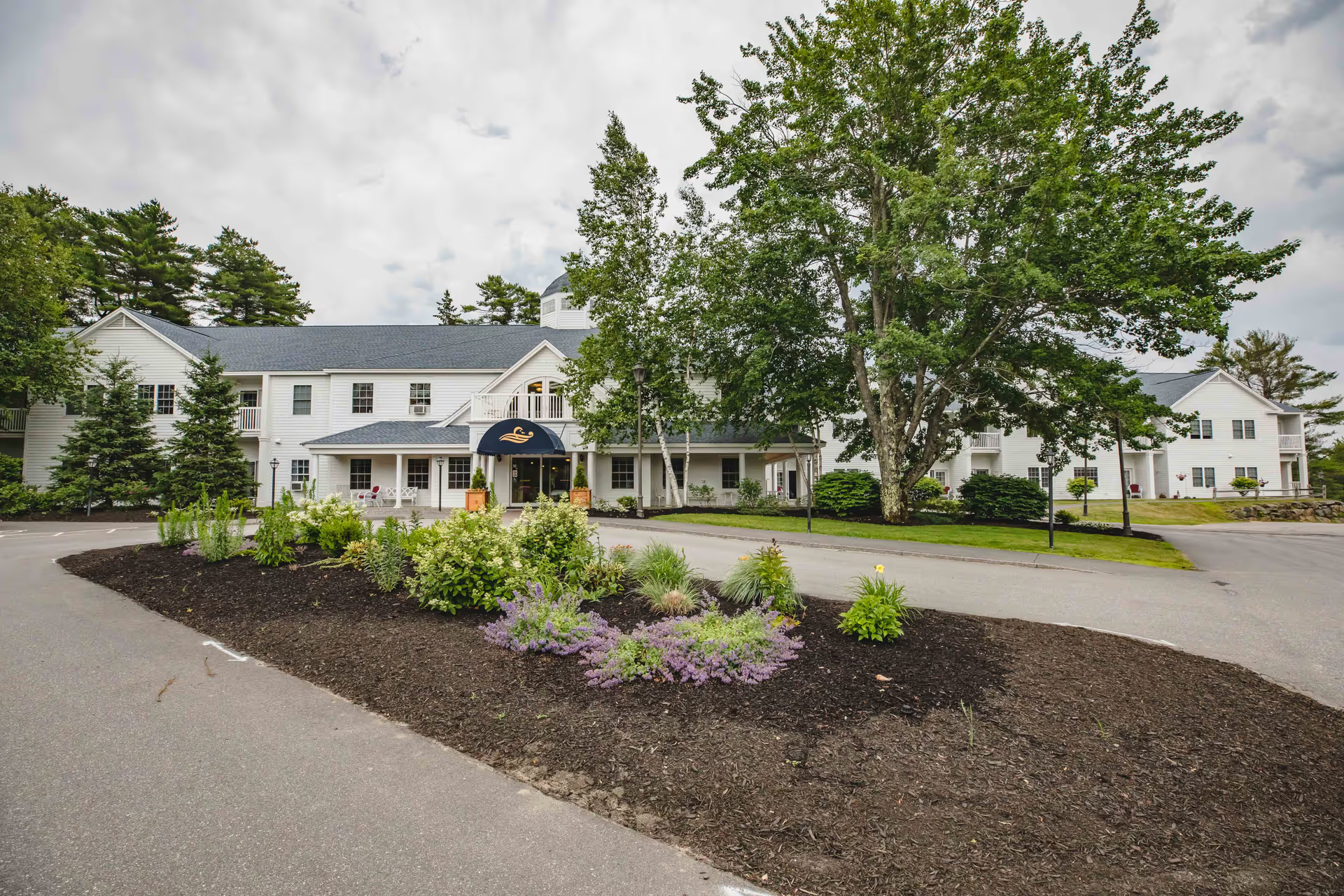
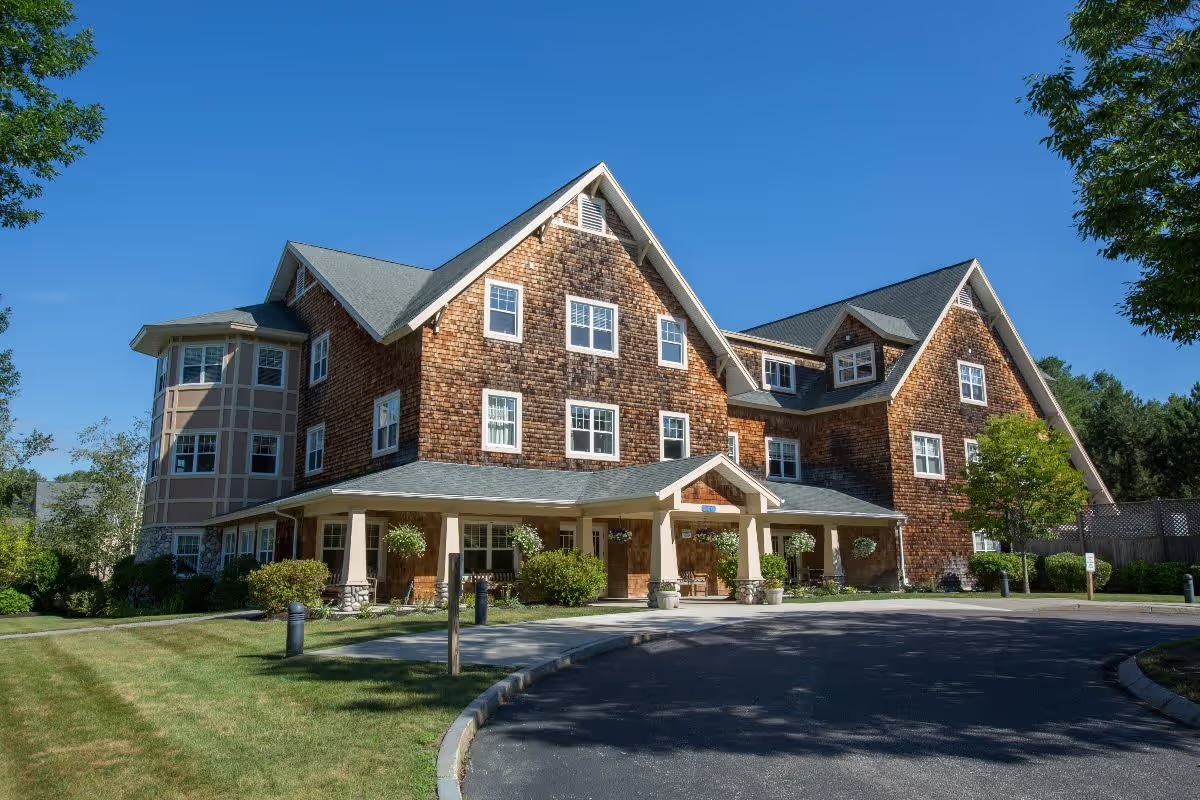
Dining and building condition are additional mixed areas. Activity programming is a strength, but the food-service offering is described as limited, with little variety and repetitive menus; families recommended more menu options and flexibility. Facility impressions range from generally clean, well-kept common areas to observations of declining maintenance and localized sanitation and odor concerns. In short, while parts of the physical environment are maintained, other areas appear to be trending toward deferred upkeep.
Management is characterized as approachable and present by many families, and some accounts cite managers who are responsive and helpful. However, other comments convey a perception that financial priorities guide some decisions, which can compound concerns about staffing levels, maintenance investment, and the perceived value of private-pay rates. The combination of strong frontline compassion and operational inconsistencies produces divergent family experiences: some highly recommend the community because of staff and programming, while others feel the cost does not consistently match the level of care provided.
For prospective residents and families, key evaluation points are staffing stability and ratios, average shift lengths, the facility's plan for maintenance and sanitation concerns, menu options and meal scheduling, and direct observation of staff–resident interactions and activities. A tour that includes mealtime observation, discussion of staff turnover and scheduling practices, and clear answers about private-pay pricing and what it covers will help clarify whether the Lamp’s strengths align with a particular family’s priorities.