Reviews describe a facility with a mixed record: several families described positive, even exemplary, interactions with specific caregivers and departments, while a substantial portion of feedback highlights recurring operational weaknesses. Praise centers on compassionate nursing aides and certain nurses, effective therapy teams, attentive kitchen staff (notably holiday meals), and an efficient admissions/check-in experience. These strengths suggest that parts of the staff and therapy programs can deliver high-quality, person-centered care when resources and staffing permit.
Conversely, a consistent pattern of concerns emerges around staffing and responsiveness. Many reviewers reported long delays responding to nurse-call requests and care needs, limited senior clinical presence on weekends or off-hours, and what families characterized as overwhelmed staff. These issues are described as contributing to delays in medication delivery, wound and skin-care management gaps, and slow escalation or transfer when acute medical attention was required. Several families pursued internal complaints and notified external oversight channels after unsatisfactory responses.
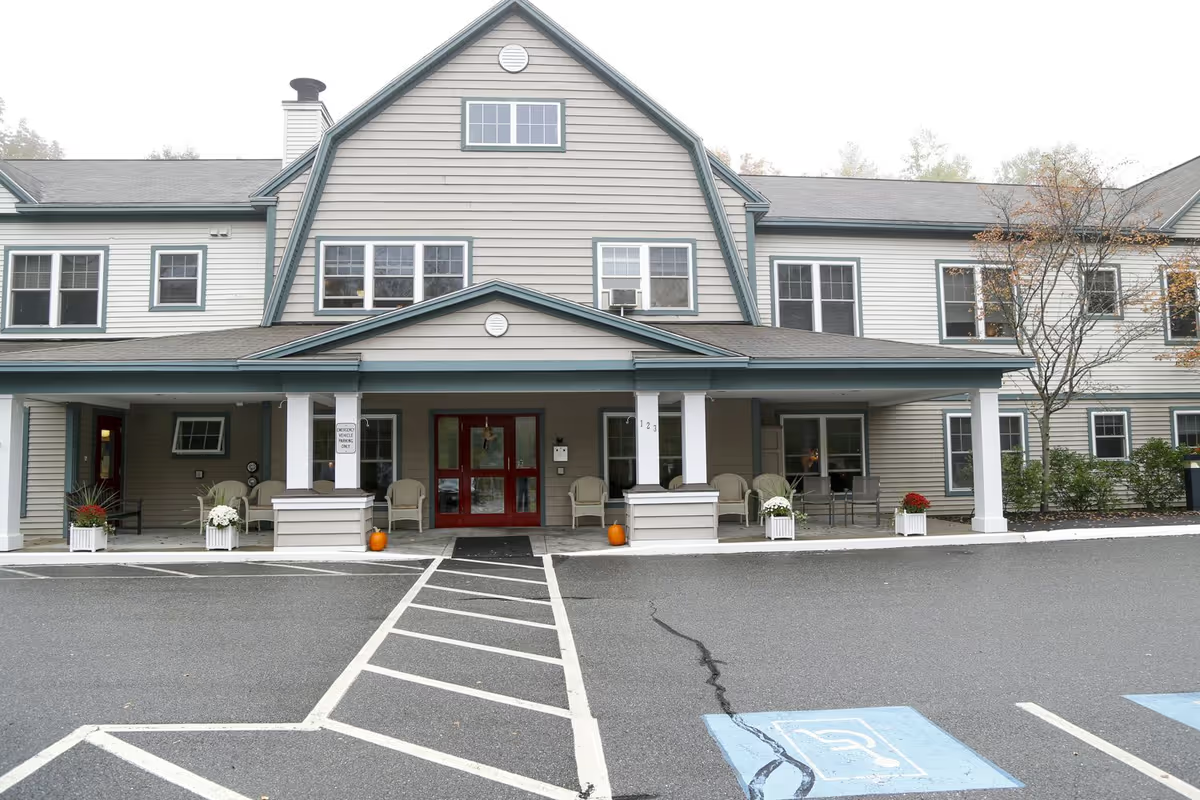
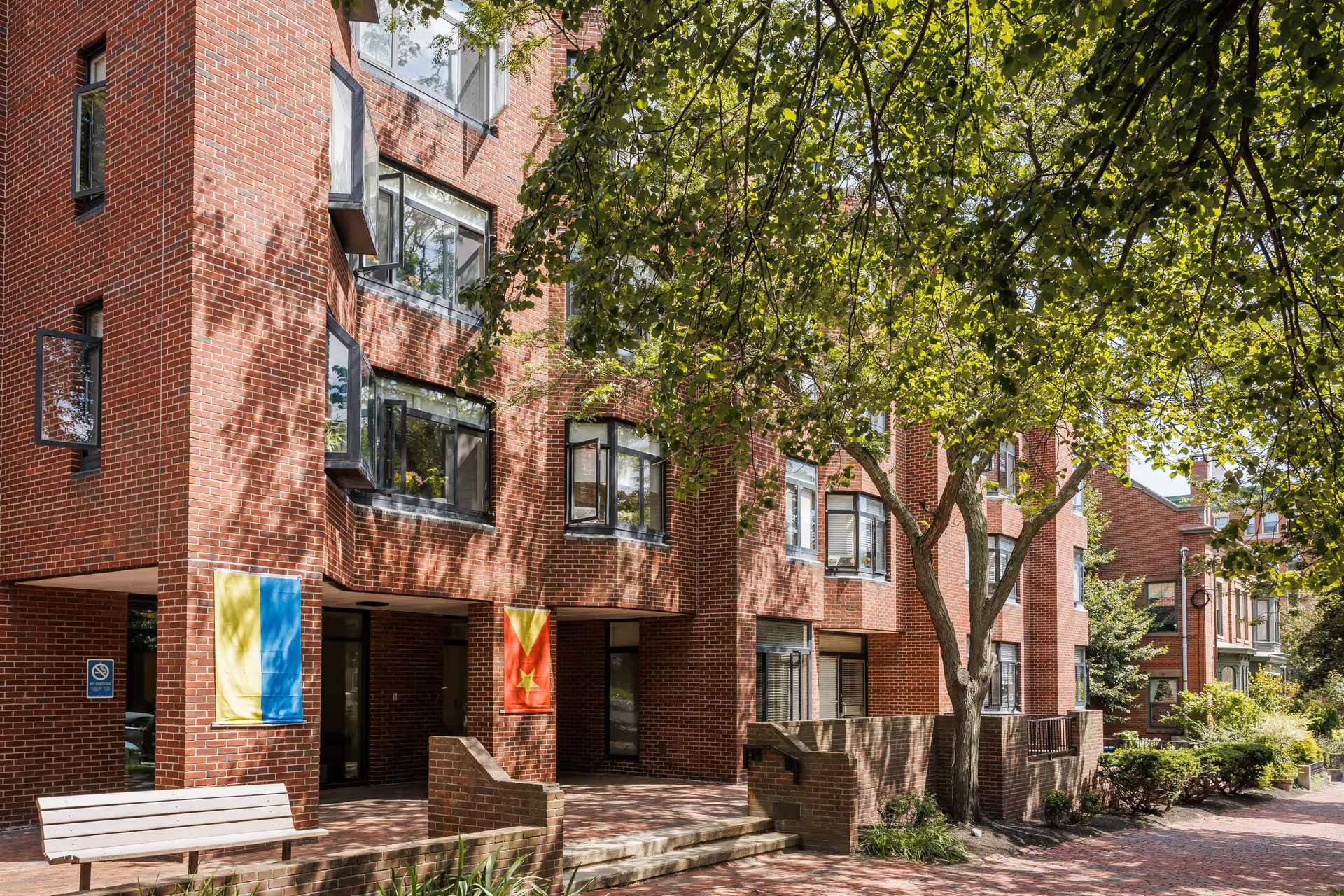
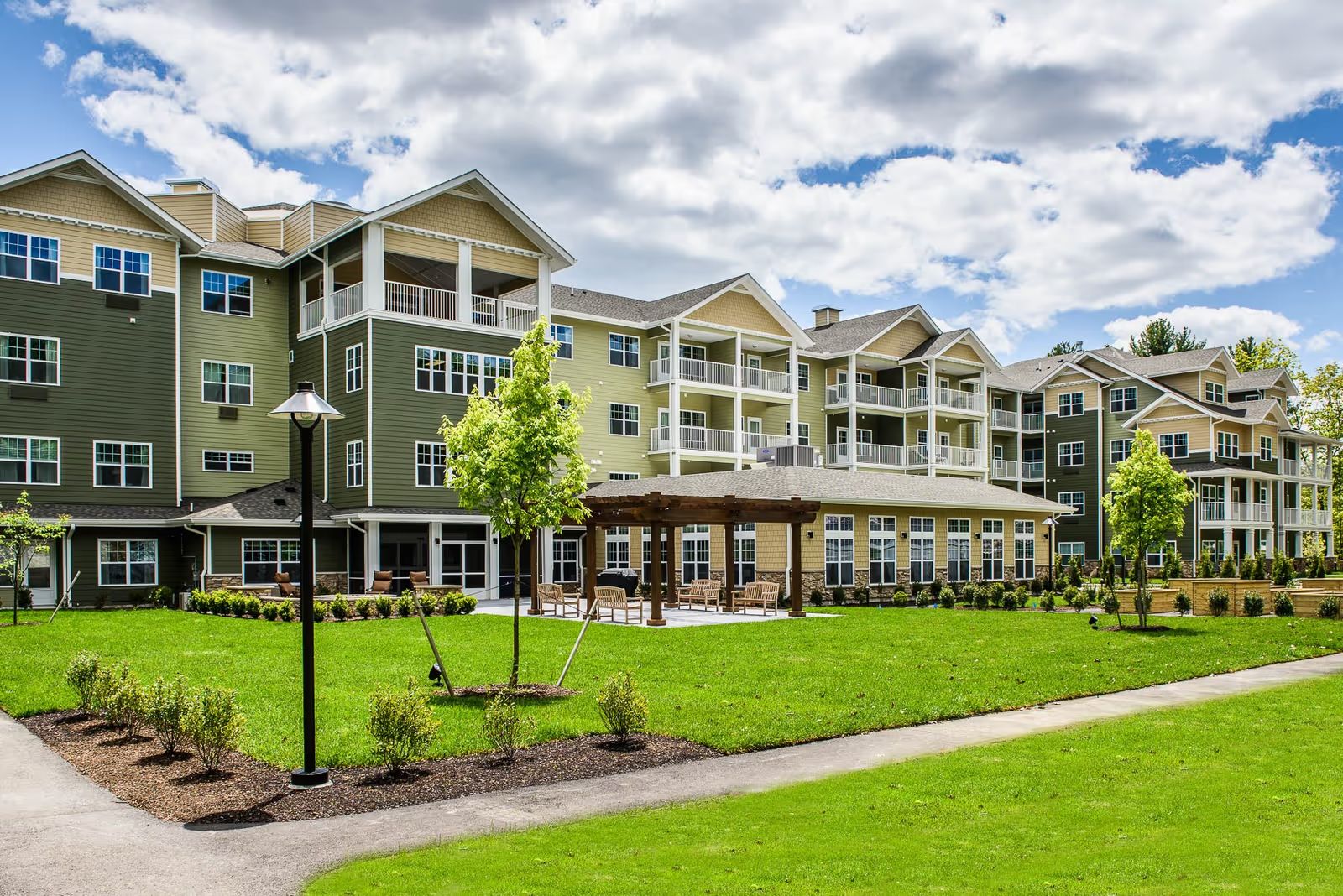
Facility operations and environment are additional areas of concern. Multiple accounts note sanitation and housekeeping inconsistencies (including odor concerns in some common areas), pest-control issues, stained or poorly maintained furnishings, and maintenance problems such as temperature-control and broken outlets. Laundry and personal-property handling were frequently cited as problematic, with missing clothing and belongings handled inconsistently. Room configurations and capacity challenges — notably small shared rooms and limited privacy — were mentioned repeatedly as diminishing resident comfort.
Dining and resident engagement receive mixed feedback. While some praised meal quality and specific positive dining experiences, a number of reviewers described inconsistent food quality, cold or poorly presented meals, and limited activity programming or social engagement opportunities. Equipment and supply management was another recurrent theme: delays in repairing or replacing assistive devices and unclear procedures for billed replacements were cited as burdensome to families.
Communication and management-level responsiveness are important cross-cutting issues. Families reported variable communication from nursing and administrative staff: a few described accessible clinical leadership and helpful social-work support, but many described poor documentation, delayed notification about incidents, and a sense that family concerns were not consistently addressed. Taken together, the pattern suggests uneven management follow-through and quality assurance.
For prospective residents and families: there appear to be pockets of strong clinical and support staff who provide compassionate care and effective therapy. At the same time, systemic weaknesses — especially in staffing levels, call responsiveness, housekeeping, property management, clinical oversight during off-hours, and communication — are common themes. Those considering this facility should assess room configuration options, inquire specifically about staffing ratios and weekend clinical coverage, review laundry and property procedures, and ask for written care escalation and transfer protocols. Families may also wish to identify the facility’s current corrective actions for sanitation, pest control, and equipment-repair turnaround before admission.