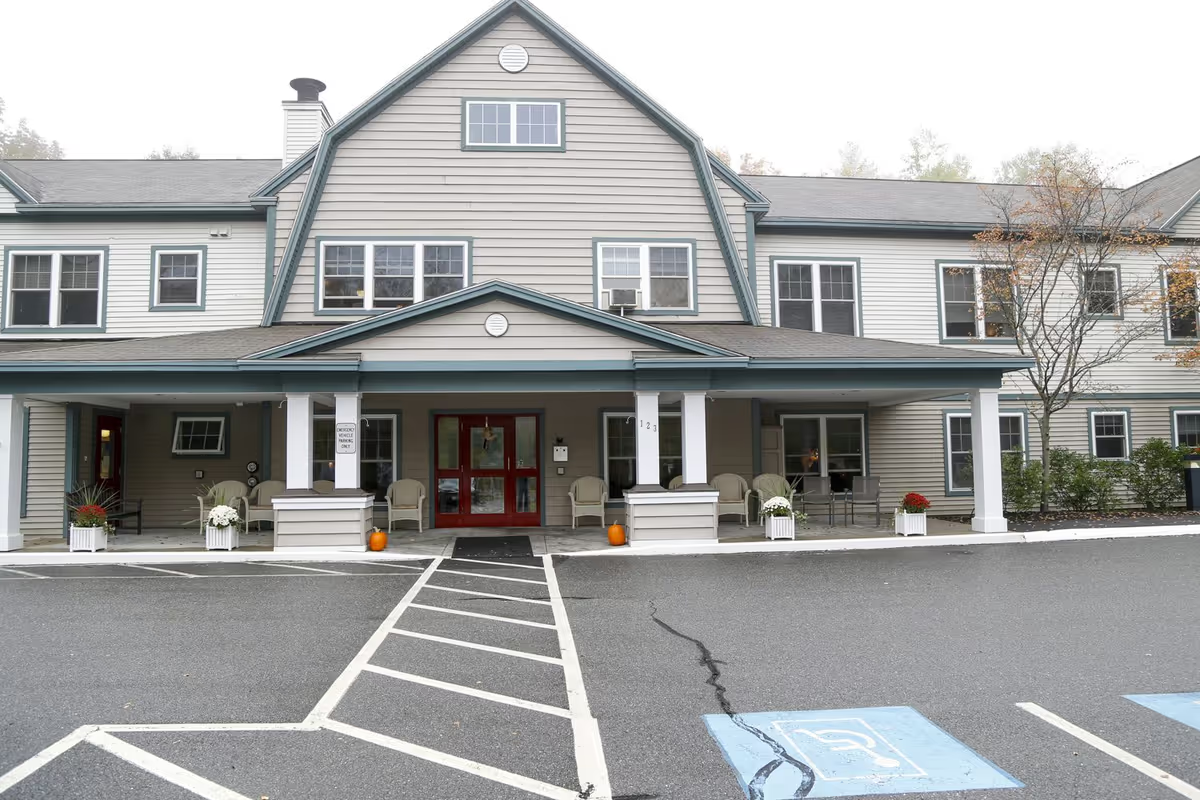
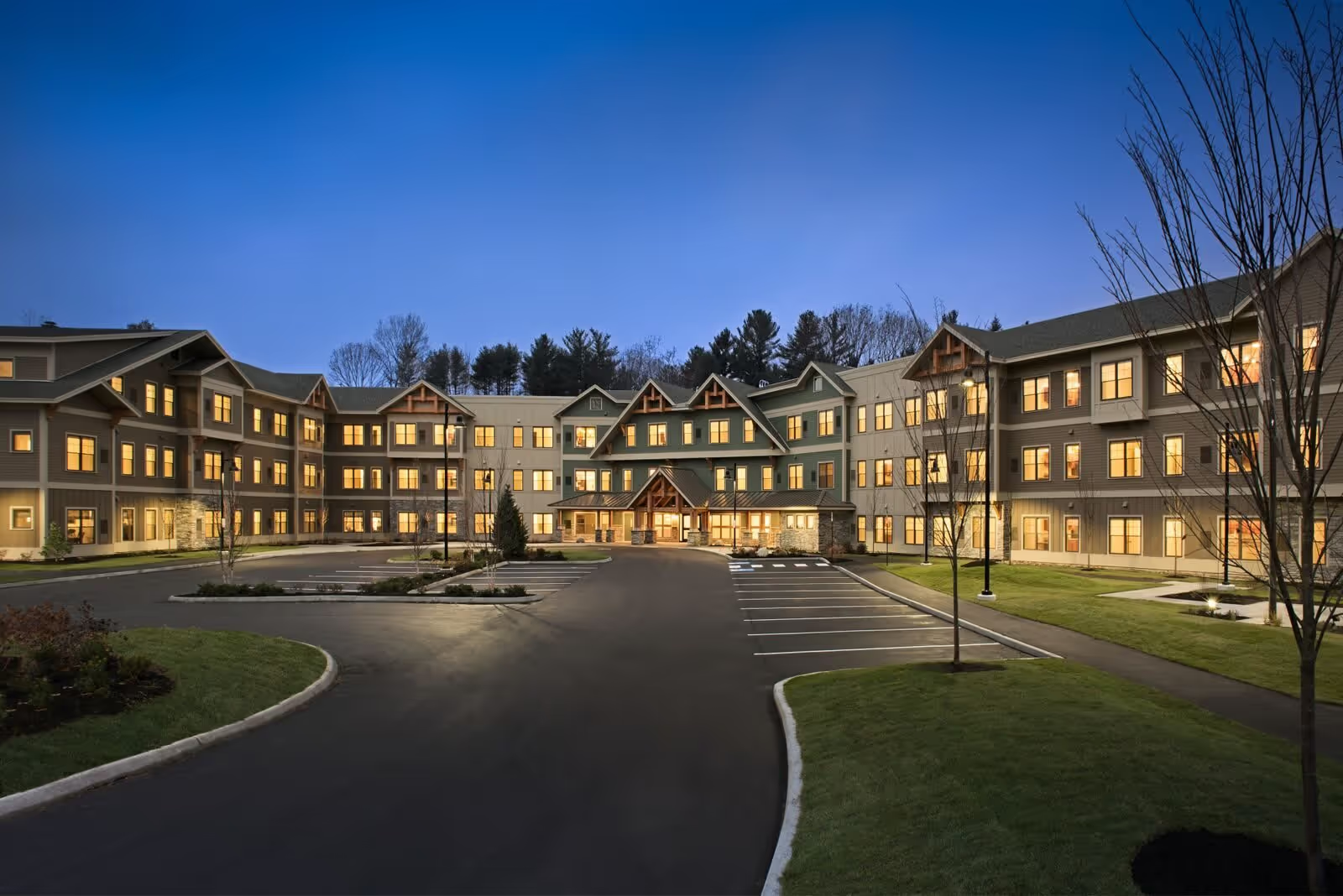
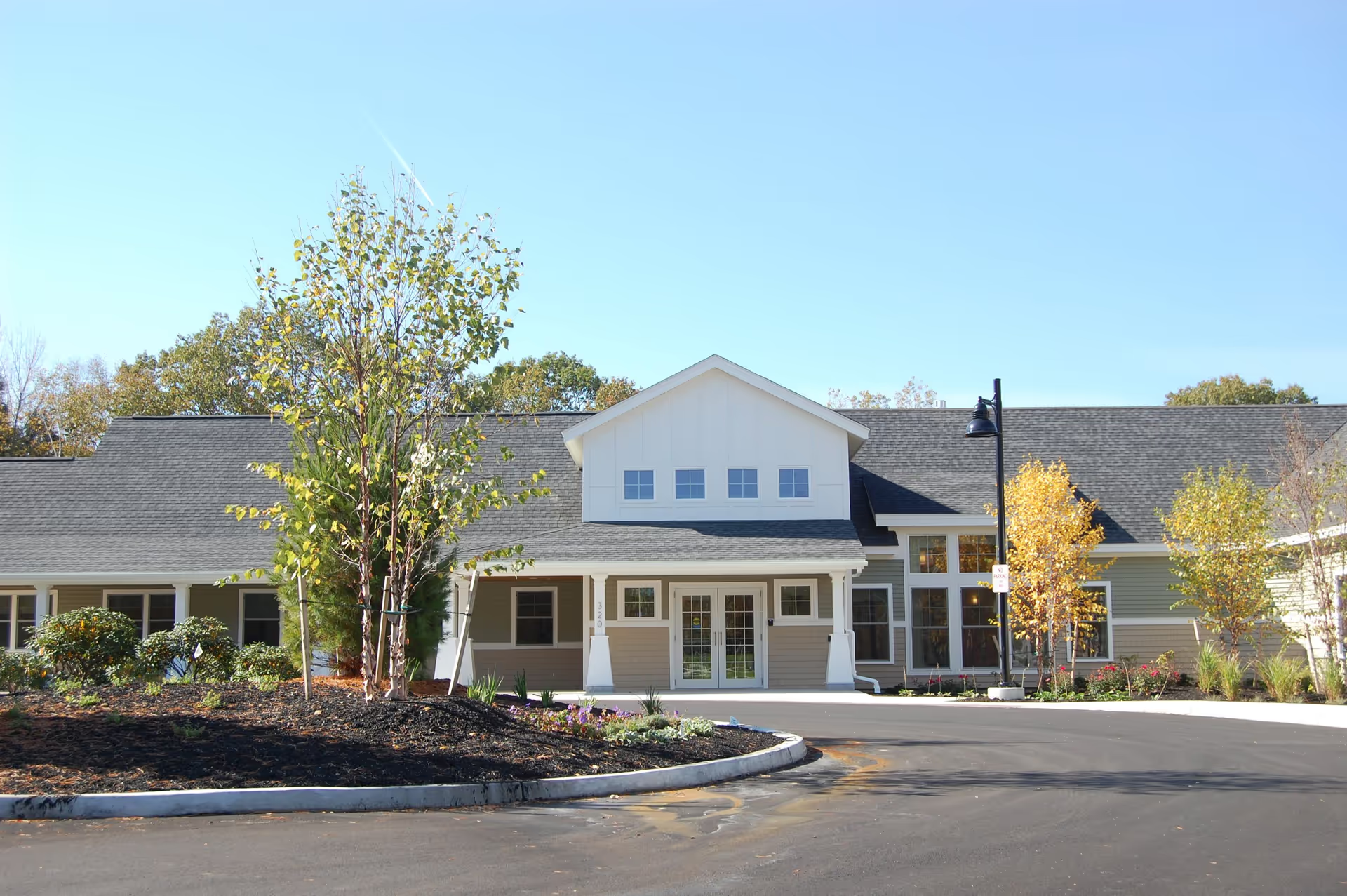
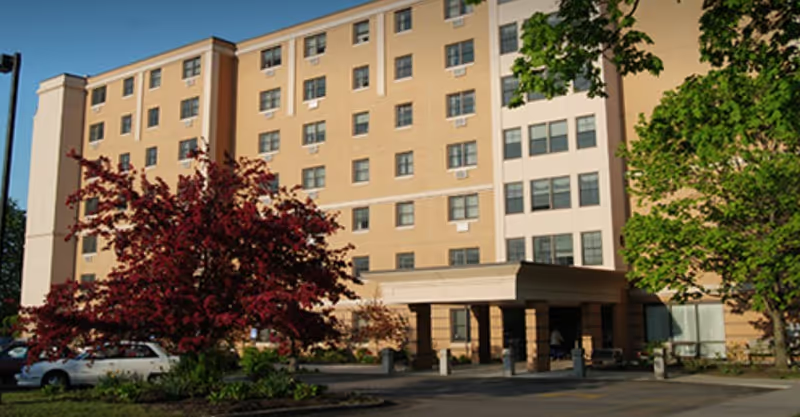
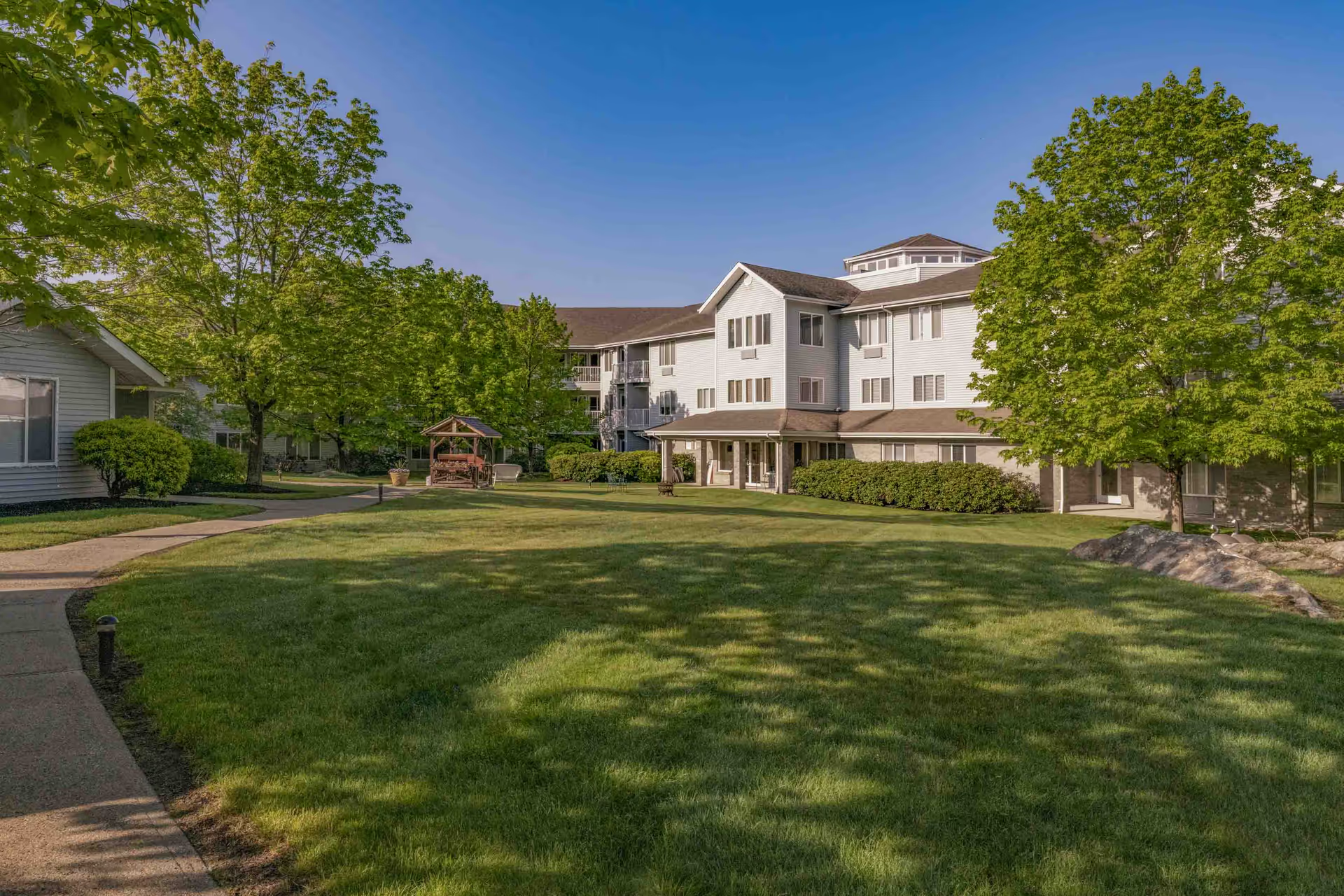
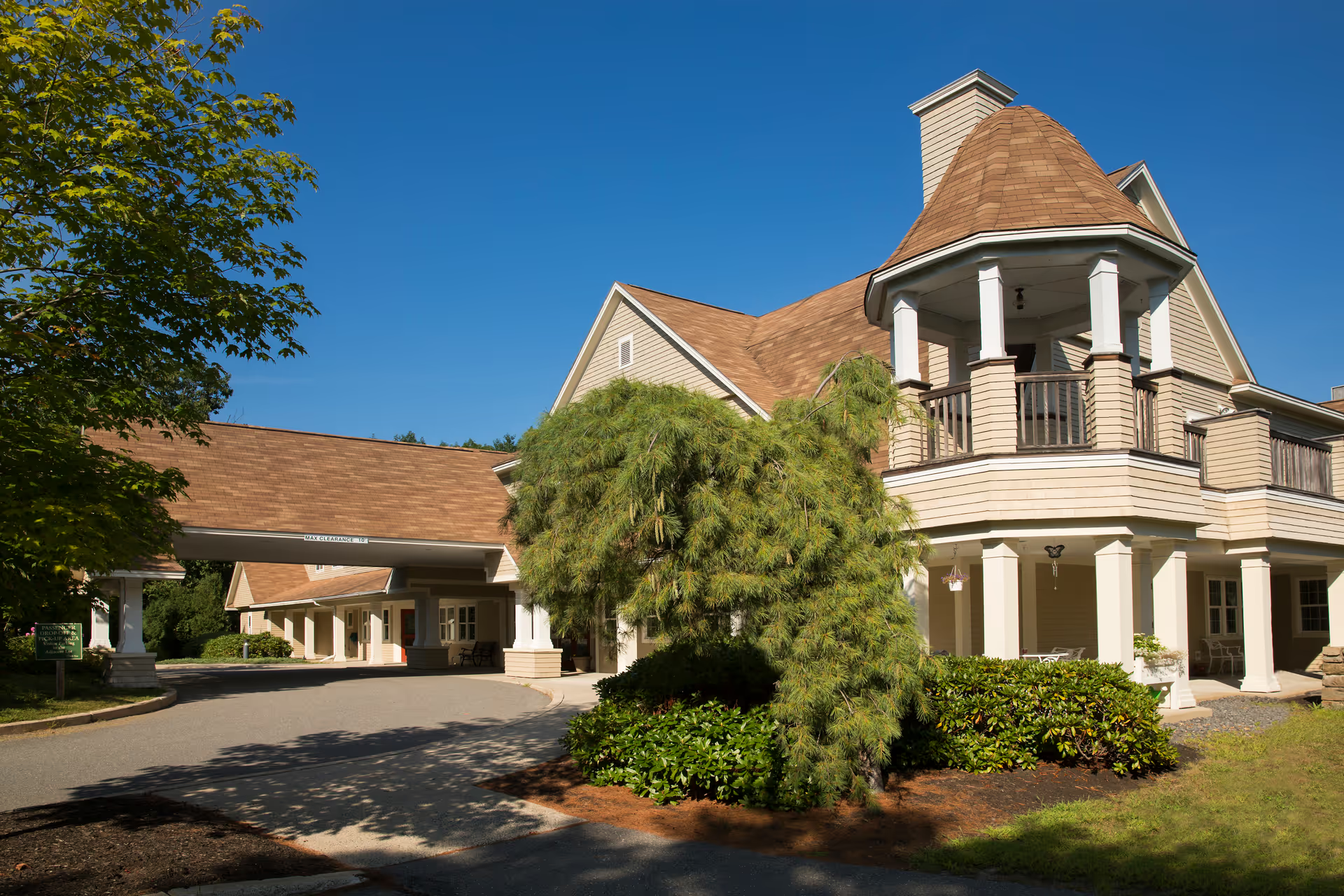
Windham Residential Care presents a mixed picture. Reviewers consistently describe strengths in the interpersonal aspects of care: staff are characterized as caring, competent, and respectful, and the facility atmosphere is described as calm and quiet. The property itself receives positive mention for its historic character, wrap-around porch, decorative plantings, and generally well-kept exterior landscaping. The family-operated nature of the facility is highlighted as a point of continuity and personal attention.
At the same time, several reviewers raised substantive concerns about environmental cleanliness and dining services. Specific sanitation concerns were cited in bathrooms and dining areas, and the dining experience was described as inconsistent in both food quality and preparation standards. The facility’s physical layout and operations appear to include limited private bathroom availability for residents, which reviewers linked to decreased privacy and convenience. These operational weaknesses suggest gaps in routine environmental maintenance and infection-prevention practices.
Management and oversight emerge as an area requiring attention. Reviewers indicated that some issues were escalated to external oversight (including communications to the state licensing office and follow-up documentation), which points to potential regulatory-compliance questions and the need for clearer, more consistent operational controls. Families also expressed that costs felt high relative to the perceived level of service and upkeep.
For prospective residents and families, the facility’s interpersonal strengths and attractive grounds may be appealing, especially for those prioritizing a small, family-run environment. However, those for whom dining standards, private bathroom access, or consistently maintained communal spaces are priorities should seek detailed, up-to-date information from management about current sanitation protocols, bathroom-to-resident ratios, meal planning and kitchen oversight, and any corrective actions taken in response to regulatory attention. A focused tour that inspects dining areas, bathrooms, and housekeeping practices — and direct discussion with management about recent corrective measures and inspection history — would be appropriate before making a placement decision.