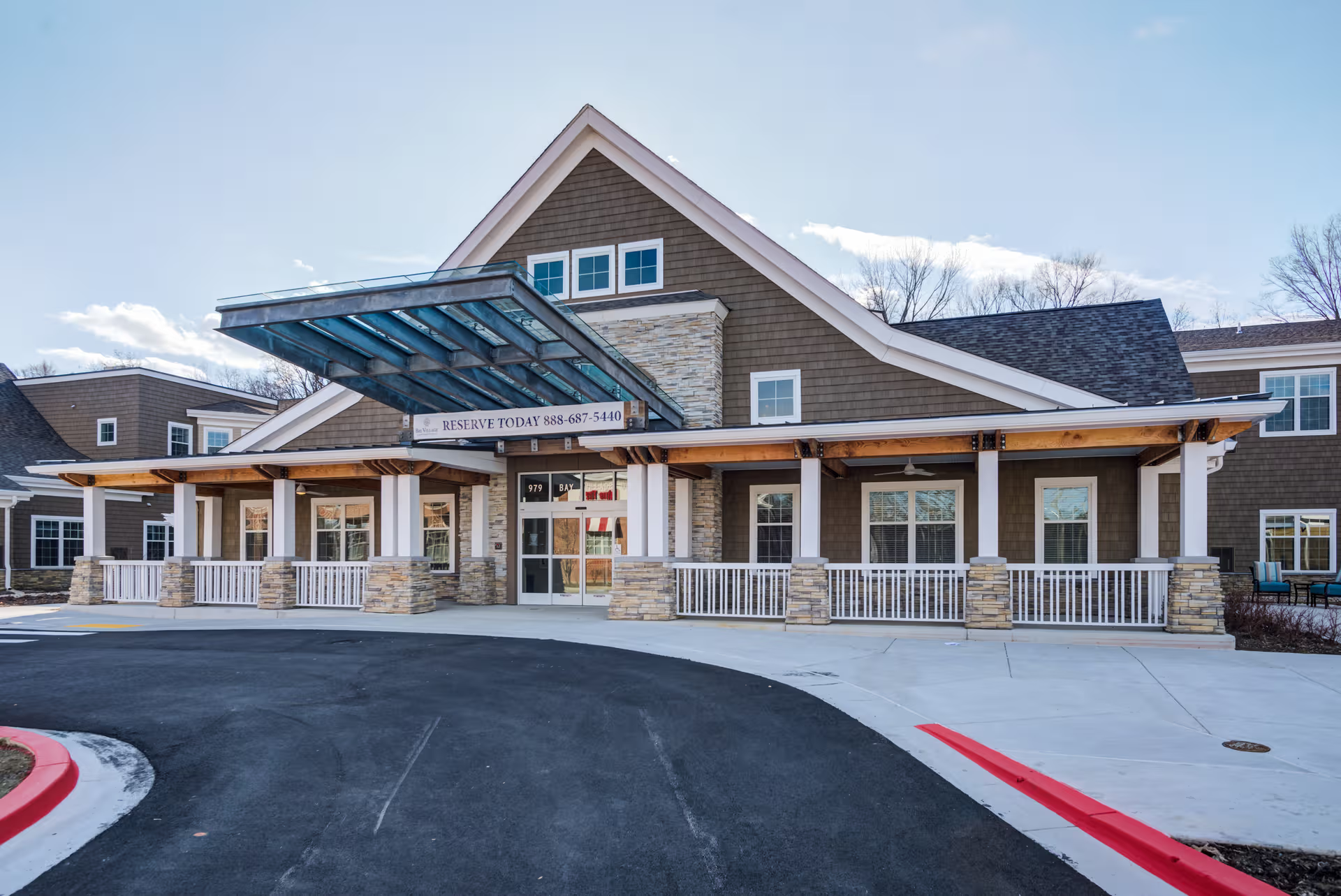
Complete Care at Annapolis elicits a strongly polarized set of impressions: many families praise the facility for its rehabilitation capabilities, therapy quality, and several caring staff members, while other families raise substantial operational and safety concerns. The facility's strength is most evident in restorative services — physical, occupational and speech therapy are repeatedly cited as effective, recovery-focused, and professionally documented. Several accounts describe meaningful functional improvement and clear transition planning, and coordination with dialysis and insurance/billing staff is highlighted as a positive feature.
Staffing and direct-care quality present an inconsistent picture. Numerous reports describe compassionate, attentive nurses, aides, and unit managers who provide timely, respectful care and strong teamwork; these staff are credited with positive outcomes and supportive family communication. Counterbalancing that, other reports identify variable staff professionalism, delayed responses to call buttons (particularly on night shifts), and gaps in basic toileting and personal-care responsiveness. Together these accounts suggest uneven performance across shifts and staff teams rather than a uniform standard of care.
Clinical-safety issues were raised in multiple accounts that point to operational vulnerabilities: concerns about medication administration and IV management, missed or delayed medication delivery, and general gaps in incident escalation. Families also described inconsistencies in infection-control practices and staff-illness handling. These items indicate areas where oversight, clinical protocols, and staffing stability could be strengthened to reduce risk and improve reliability.
Cleanliness, sanitation, and property-security perceptions are mixed. Some families commend housekeeping and well-maintained rooms, dining quality, and fresh meal options; others report sanitation concerns and odor issues in common areas, variability in facility appearance, challenges with shared-room congestion, and limited parking or entry logistics. A number of accounts also allege loss or disappearance of personal items, which points to deficiencies in personal-belongings management and facility security procedures.
Communication and management receive variable evaluations. Several reviewers praise responsive administrators, knowledgeable business-office personnel, and clear discharge instructions. Conversely, others describe inconsistent family updates, difficulty reaching nursing staff, and frustrations after ownership or leadership changes. These patterns suggest that administration and communication practices may be improving in places but remain inconsistent across the facility.
Notable pattern: rehabilitation admissions and short-term stays tend to generate more positive feedback (therapy outcomes, discharge clarity), whereas longer-term care experiences, off-shift coverage, and weekends are more often associated with reported lapses in responsiveness, sanitation, and continuity. Prospective residents and families should weigh the facility's strong therapy program and some highly regarded staff against the operational variability described. When evaluating this facility in person, consider asking about staffing ratios by shift, protocols for medication and IV management, toileting and incontinence care procedures, property-security measures, recent leadership or ownership changes, and opportunities to observe night and weekend staffing and responsiveness.