Overall impression: The facility presents as a small, home-like assisted-living environment with strengths in personalized, hands-on caregiving and family communication. Families frequently described warm interactions between staff and residents, a social resident community, and staff who made an effort to keep relatives informed. Several accounts emphasize practical support during transitions and end-of-life care, including coordination with hospice and ongoing contact during critical periods.
Care quality and clinical oversight: Care appears appropriate for residents with basic assisted-living needs; many families praised the attentiveness and practical support of caregivers. However, the facility’s clinical capability is limited. Review content indicates there is no on-site RN and constrained medical monitoring capacity, and the provider enforces admission policies that exclude certain medication regimens (for example, sliding-scale insulin). These operational traits suggest the location is better suited to residents who do not require intensive clinical oversight or complex medication management.
Staffing and management: Communication from management and the director is described positively, with families noting informative responses and regular updates. At the same time, reviewers raised operational concerns about staffing stability — including shortages and turnover — and occasional questions about staff consistency and competency. The facility’s informal practices around resident communication (for example, staff using personal devices to facilitate video calls) aided family contact but also indicate potential gaps in formal device/privacy policies and professional boundaries that prospective families should clarify with management.
Dining and activities: Dining receives consistently positive comments. Reviewers highlighted multiple meal options, appealing menus, and specific favorable items; food quality was frequently cited as a strong point. Organized activities appear limited: reviewers noted the absence of an activities director and few scheduled programs, although the small, social setting can produce informal interaction and visits that some families found sufficient.
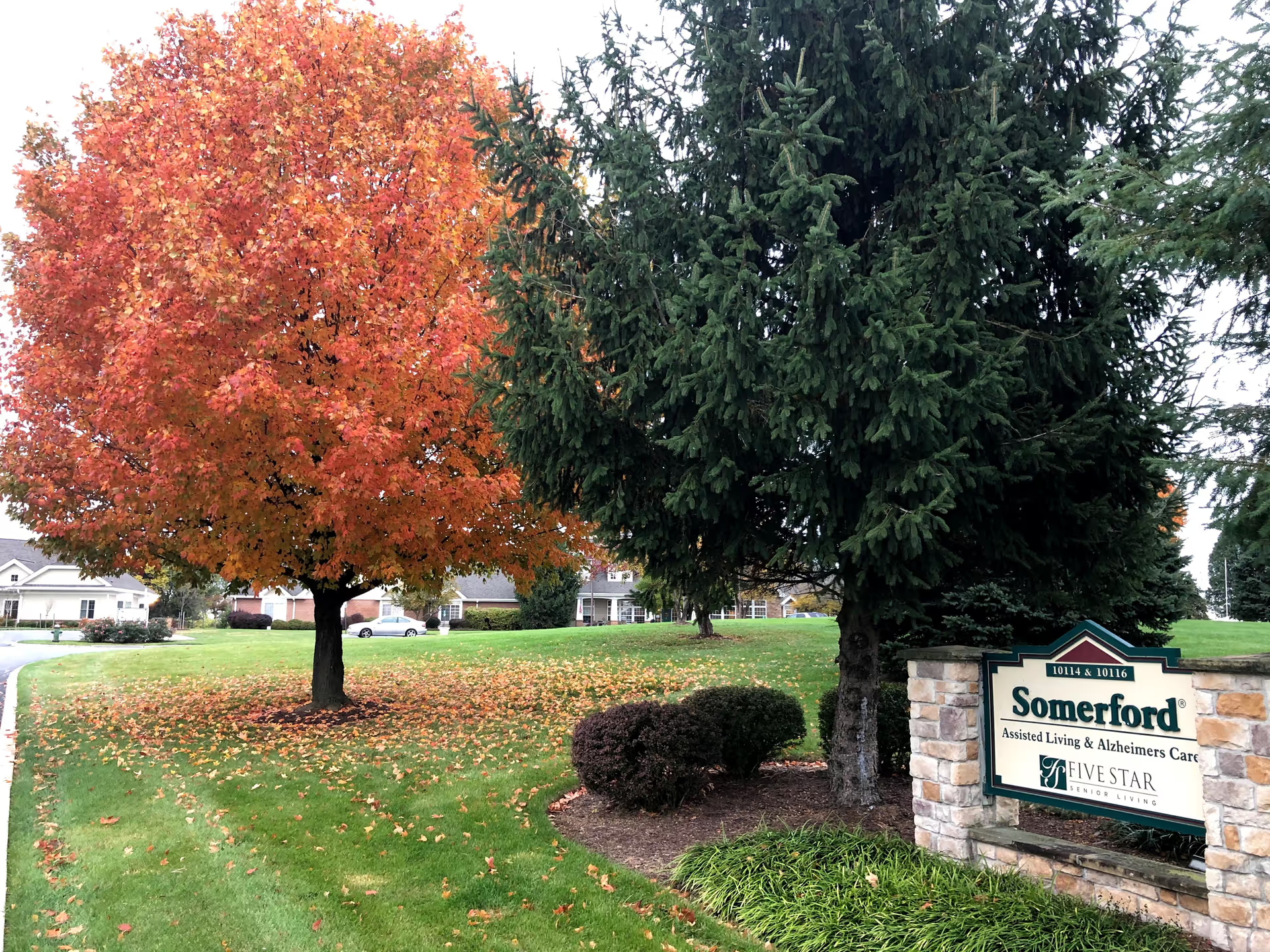
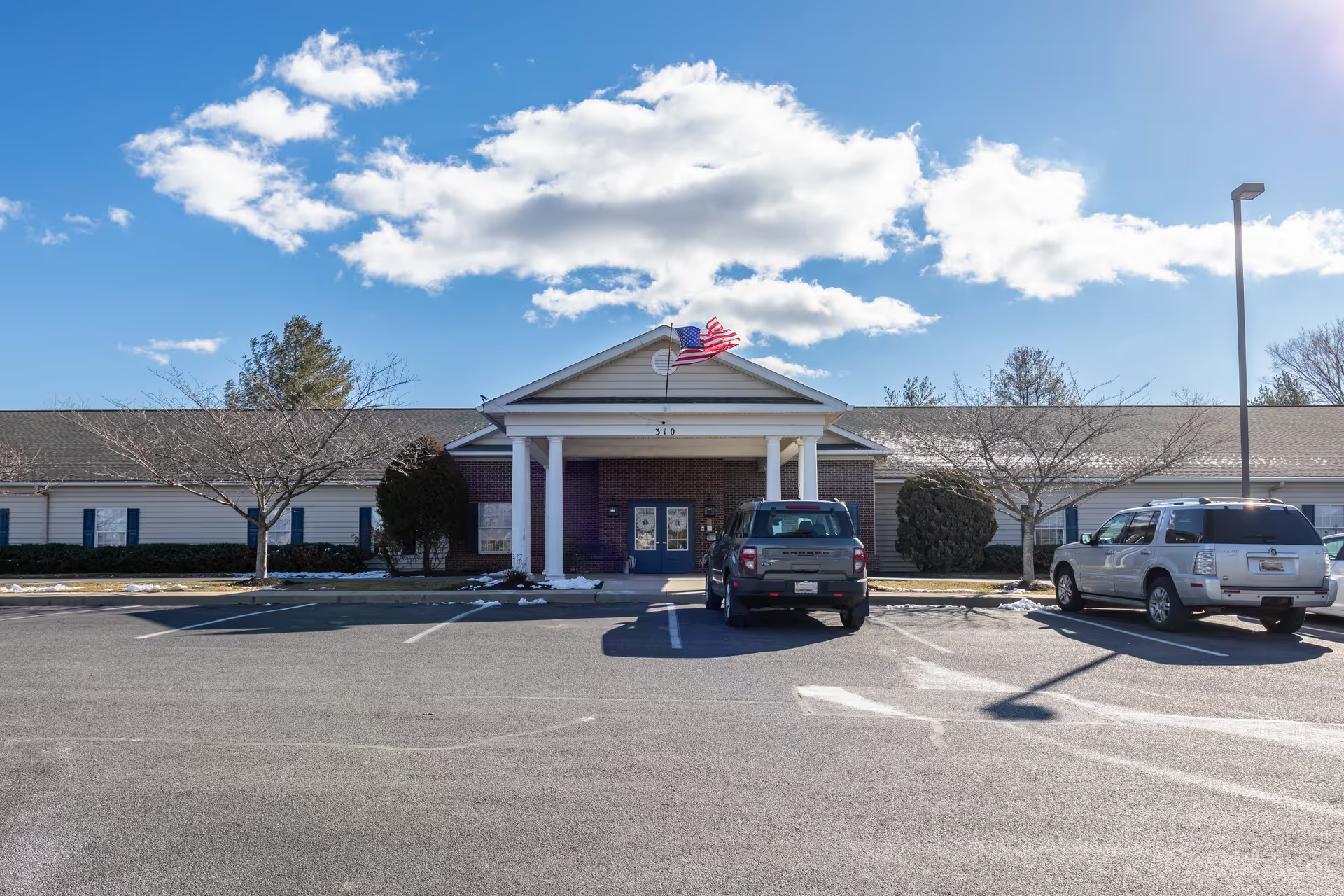
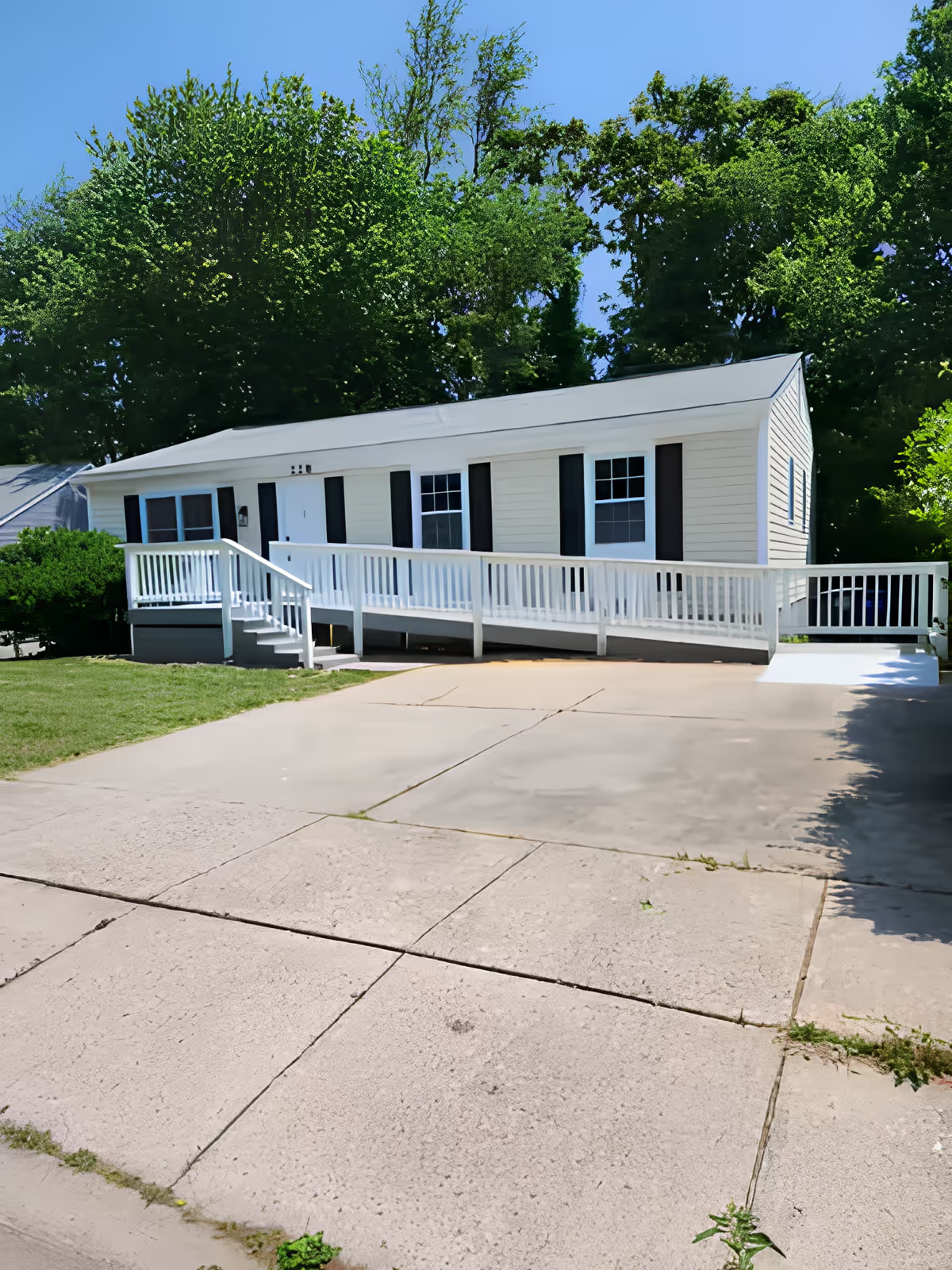
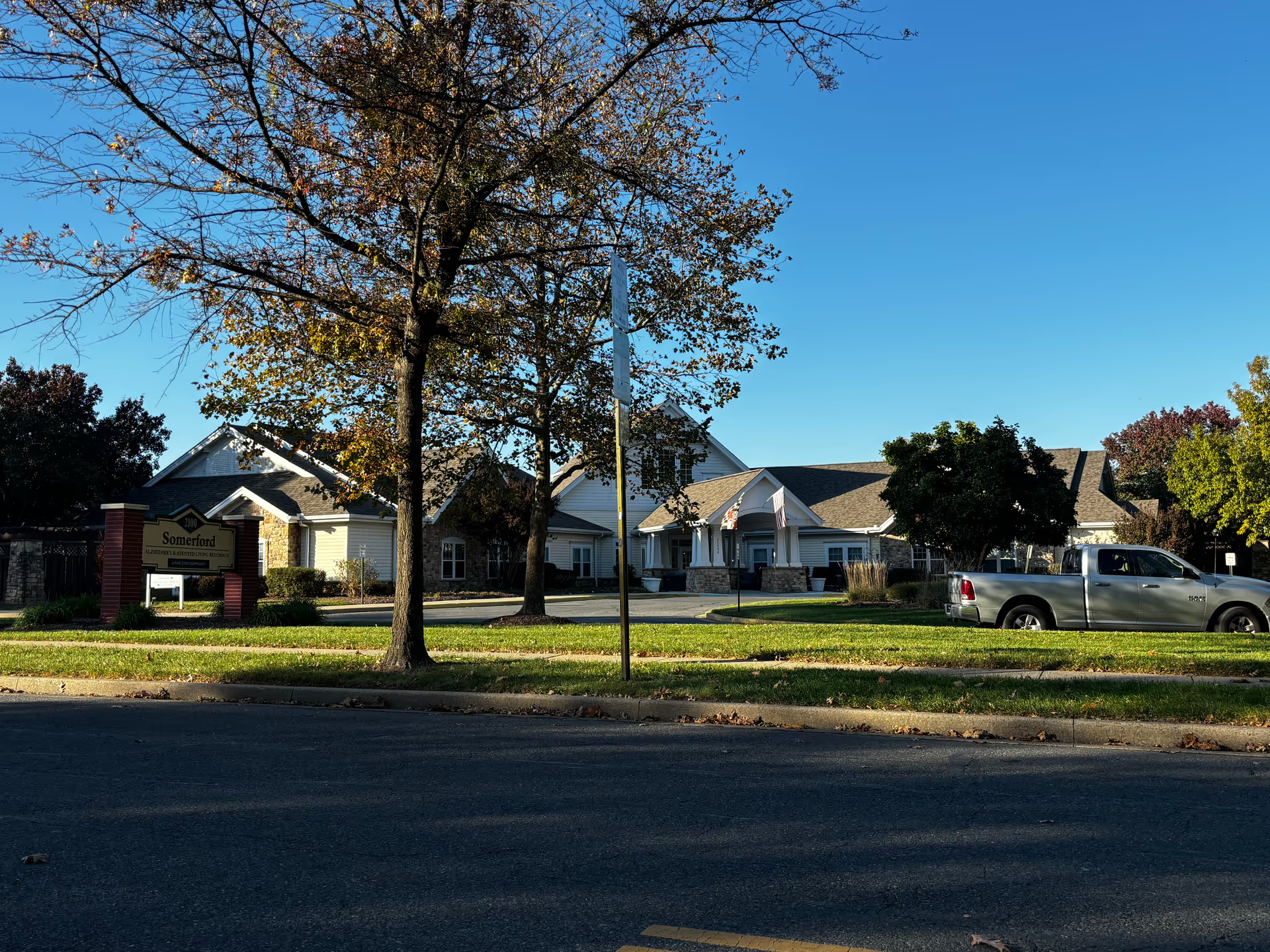
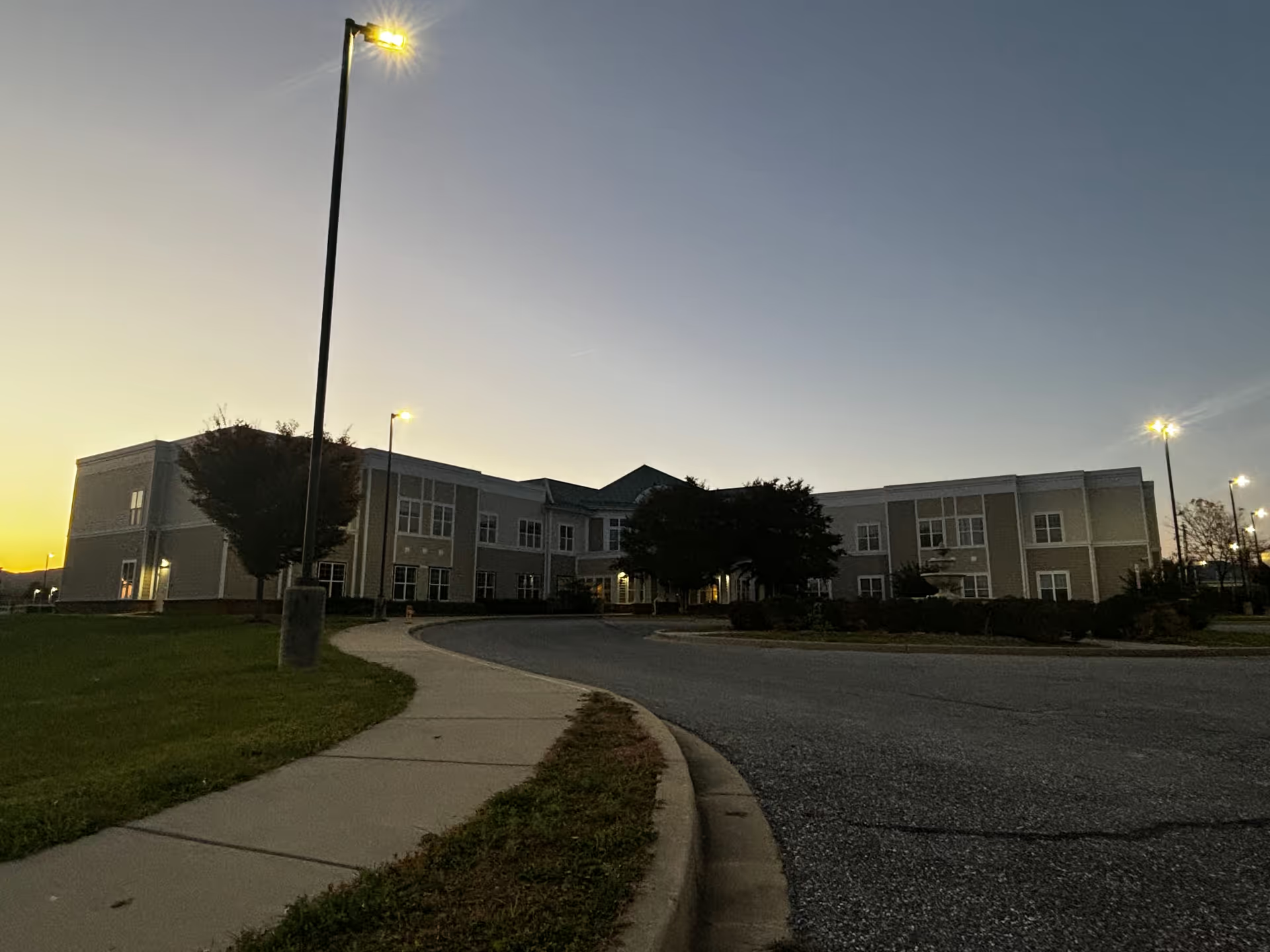
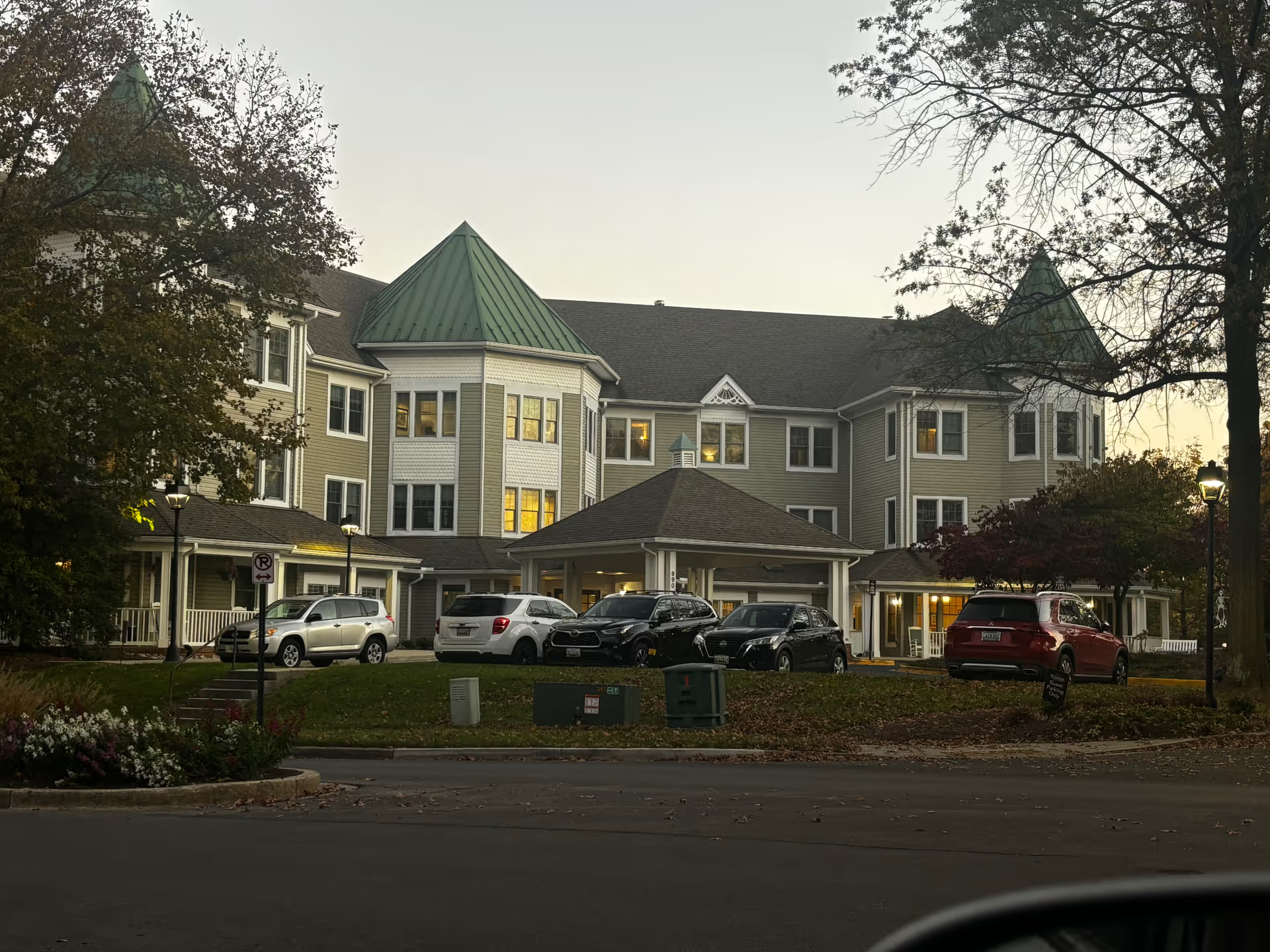
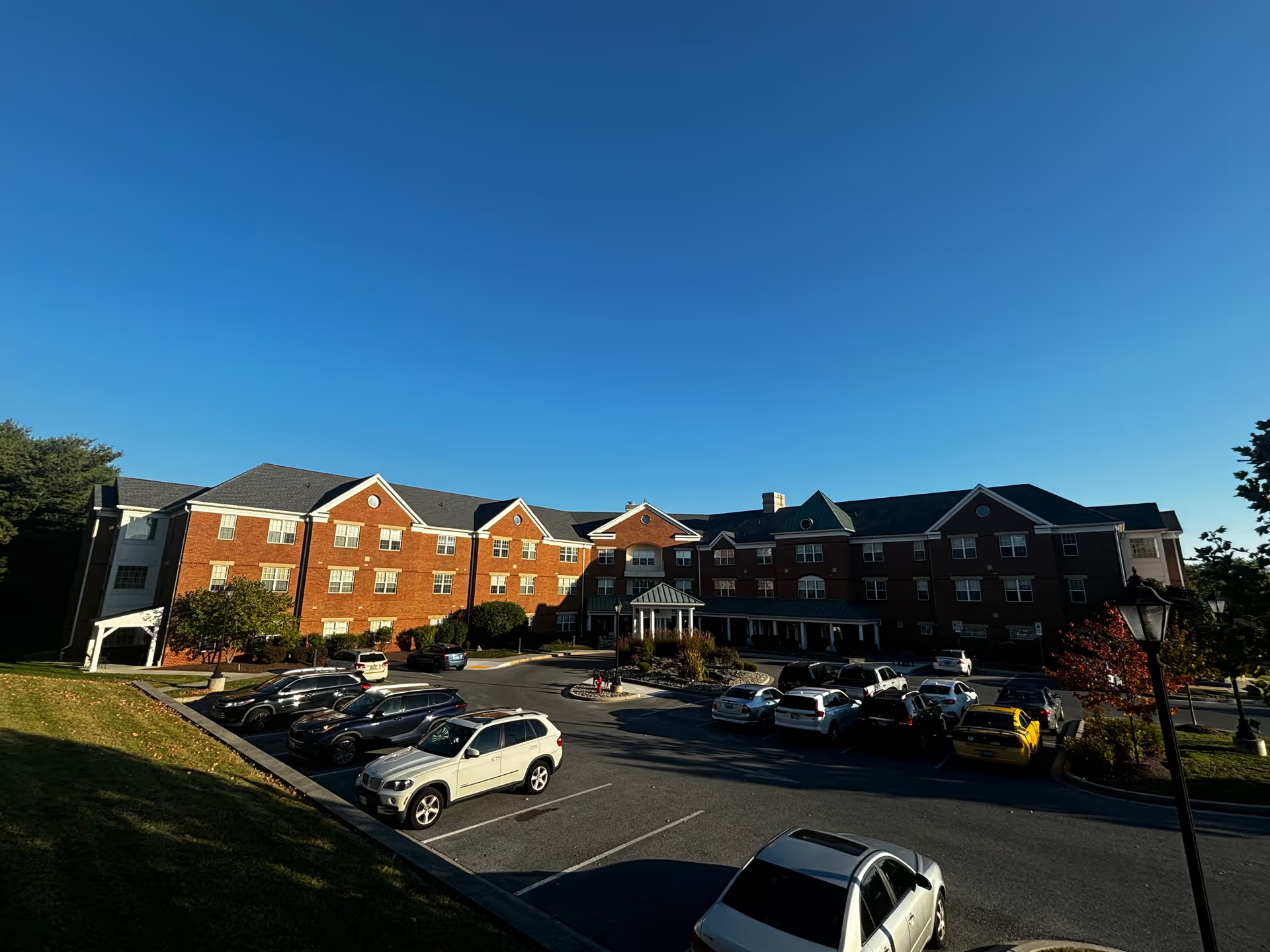
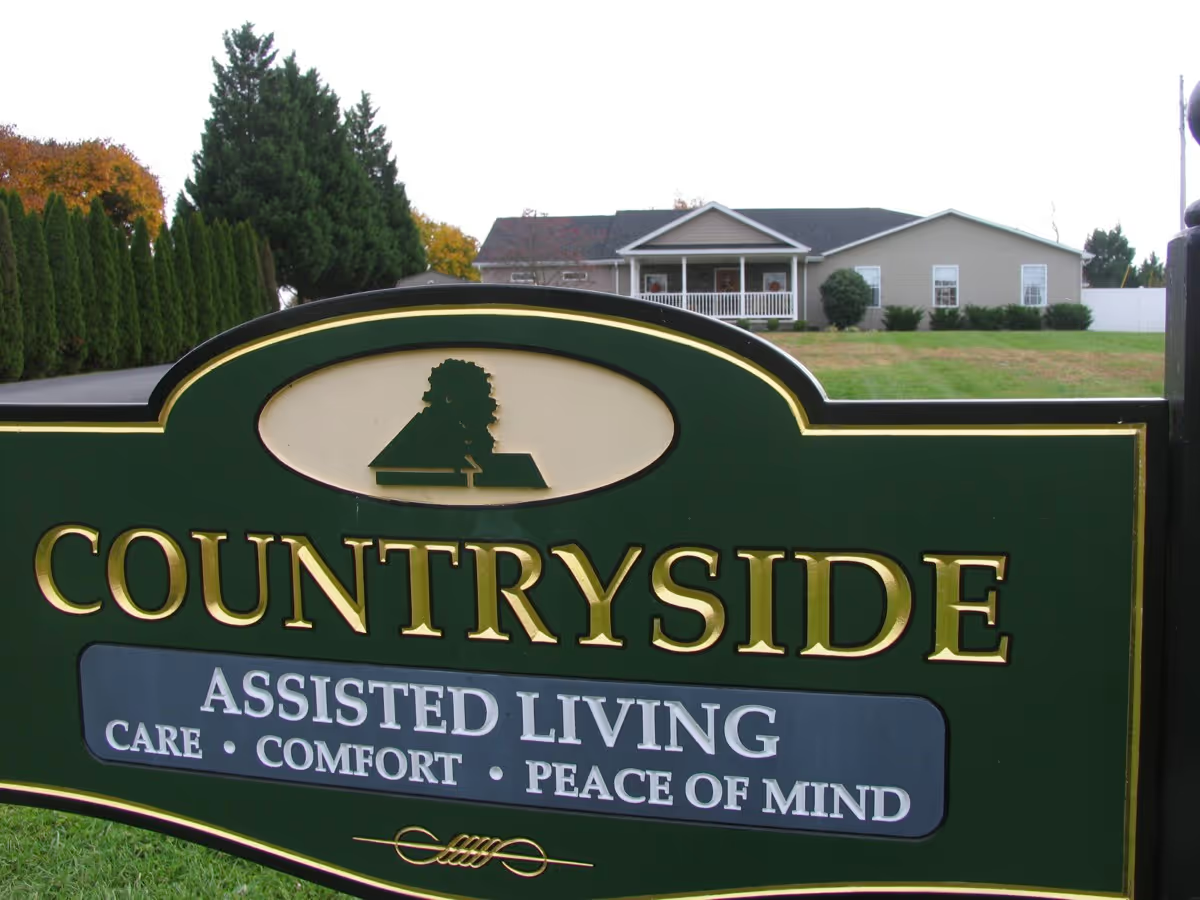
Facilities and housekeeping: The property gives a residential, actual-house feel and is noted for tidy grounds and generally clean common areas. Concurrently, there are mentions of maintenance needs and inconsistent sanitation in specific areas (bathrooms), which families should inspect during a tour. Room arrangements may include shared occupancy in some cases, a factor to confirm when assessing privacy and space needs.
Who this may suit: The facility is likely a good fit for families seeking a smaller, intimate setting with attentive caregivers, strong family communication, and an appealing dining program — especially when the resident’s medical needs are stable and not highly complex. Prospective residents with complex medication regimens, higher clinical oversight needs, or who require regular RN-level care should evaluate the facility’s clinical capabilities and policies carefully. Families are advised to ask about staffing patterns, vacancy/room arrangements, infection-control visitation policies, device/privacy protocols, and how the facility handles changes in clinical status to ensure alignment with the prospective resident’s needs.