Overall impression: Reviews describe a facility with clear strengths in rehabilitation, therapy, and several compassionate staff members, but with recurring operational weaknesses that affect clinical reliability and resident experience. Many families praised therapists, respiratory specialists, and specific nurses or administrators for individualized, effective care and clear progress. At the same time, others described inconsistent performance across units and shifts that can materially affect safety and comfort.
Care quality and clinical patterns: Lorien Columbia appears to deliver strong therapy-driven rehabilitation for many patients; physical, occupational, and speech therapy teams receive frequent positive mention for helping residents regain function and return home. The respiratory/ventilator capability is noted as a strength in several accounts. However, there are systemic concerns around basic nursing operations: reviewers described inconsistent medication administration and delays, gaps in diabetes-related diet and insulin management, and variability in wound and post-operative care. These issues are linked to understaffing and shift-to-shift variability, creating episodes where essential clinical tasks are delayed or inconsistently executed.
Staff and communication: Many reviewers singled out individual caregivers, nurses, and administrators as compassionate, communicative, and proactive. Conversely, there is a pattern of variable staff conduct and tone, with some families reporting unhelpful or brusque interactions. Communication with families about clinical changes, discharge planning, and incident follow-up is uneven: some relatives praised clear, regular updates, while others reported poor responsiveness and coordination. Billing and discharge coordination were additional administrative pain points for some families.
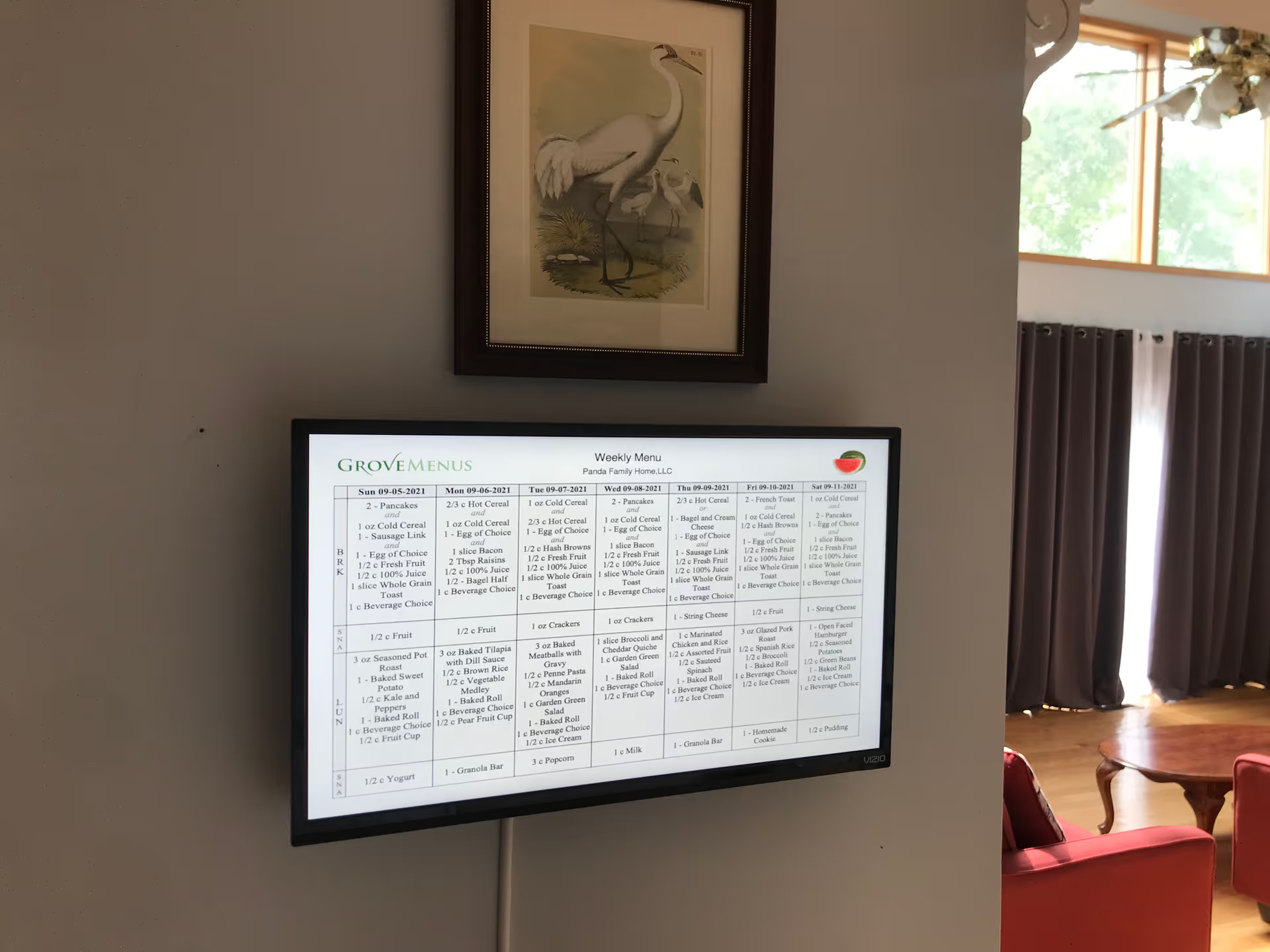
Dining and personal care: Dining experiences are inconsistent across accounts. Some families appreciated tailored meals and a responsive dietary team; others described repeated menu items, poor adherence to special-diet requests (including diabetic and vegetarian needs), and variable meal quality. Personal care delivery shows a similar pattern: when staffing is adequate residents receive attentive assistance and regular care-plan updates, but understaffing has been linked to irregular bathing schedules, delayed assistance, and sanitation concerns in certain units.
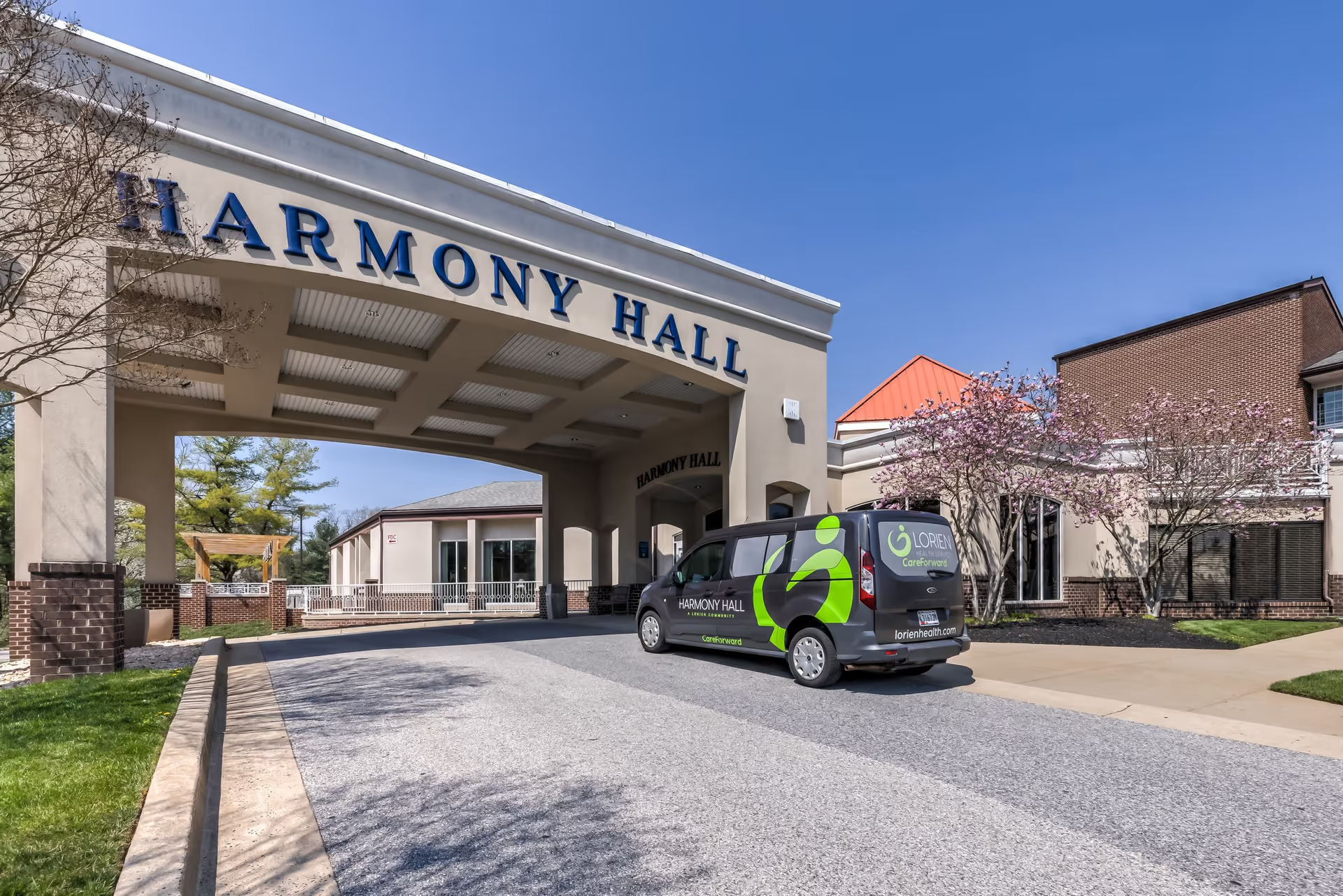
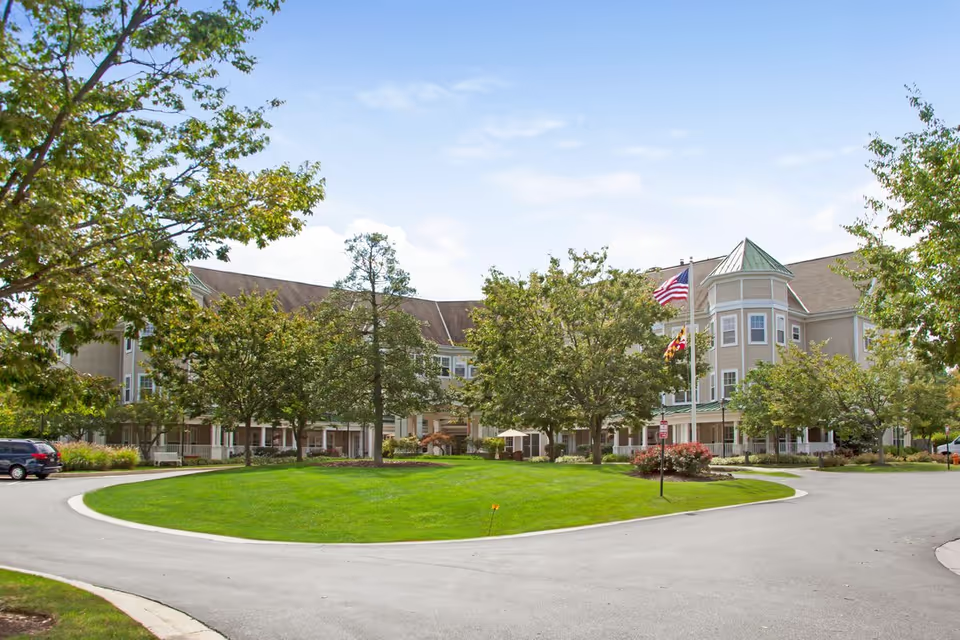
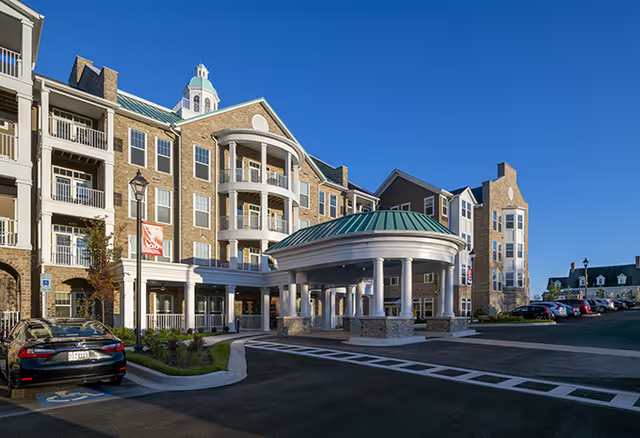
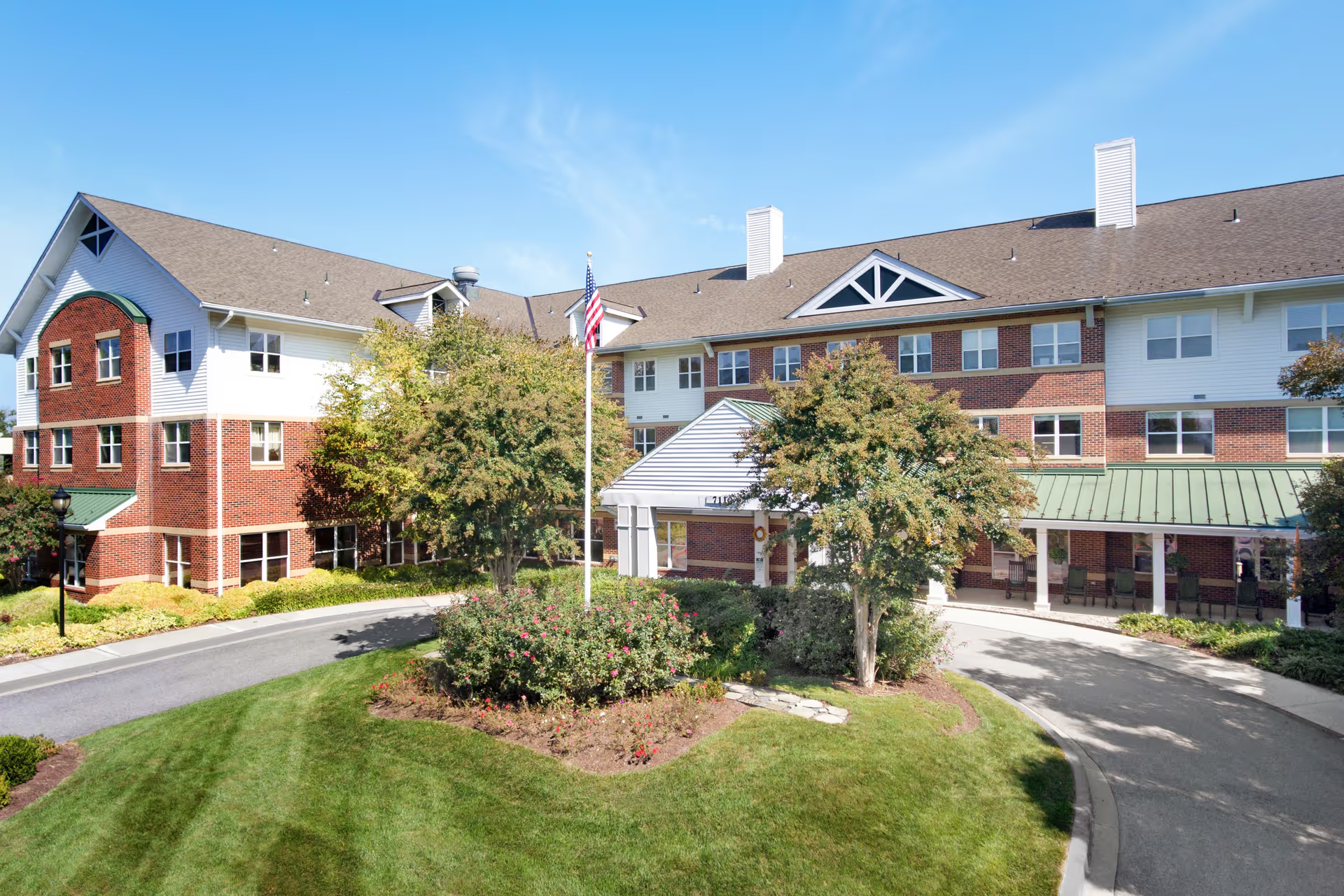
Activities, facilities, and amenities: Activity programming is a clear positive—bingo, arts and crafts, social events, and an active calendar were frequently mentioned as improving residents' mood and engagement. The facility’s common areas, patio, salon, and onsite services such as dialysis and hospice are commonly described as convenient and well-maintained. Cleanliness and sanitation were praised in many accounts but criticized in others, indicating inconsistent housekeeping performance by unit or shift.
Safety and notable patterns: Recurrent operational themes include understaffing, slow call response times, medication/workflow errors, and fall-prevention gaps. These are the kinds of process weaknesses that can lead to safety and quality-of-care variability across residents. A small number of reviews raised more serious concerns, including property loss and allegations requiring external verification; these accounts point to the need for stronger property-management controls and transparent incident follow-up.
Bottom line: Prospective residents and families should weigh the facility’s strong rehabilitative and respiratory capabilities and its active programming against documented variability in nursing operations, staffing coverage, dietary consistency, and administrative processes. Visiting in person, asking for unit-specific staffing ratios and medication-safety protocols, reviewing recent inspection or complaint histories, and speaking with current families on the unit will help clarify whether the facility’s strengths are consistently delivered for a particular resident’s needs.