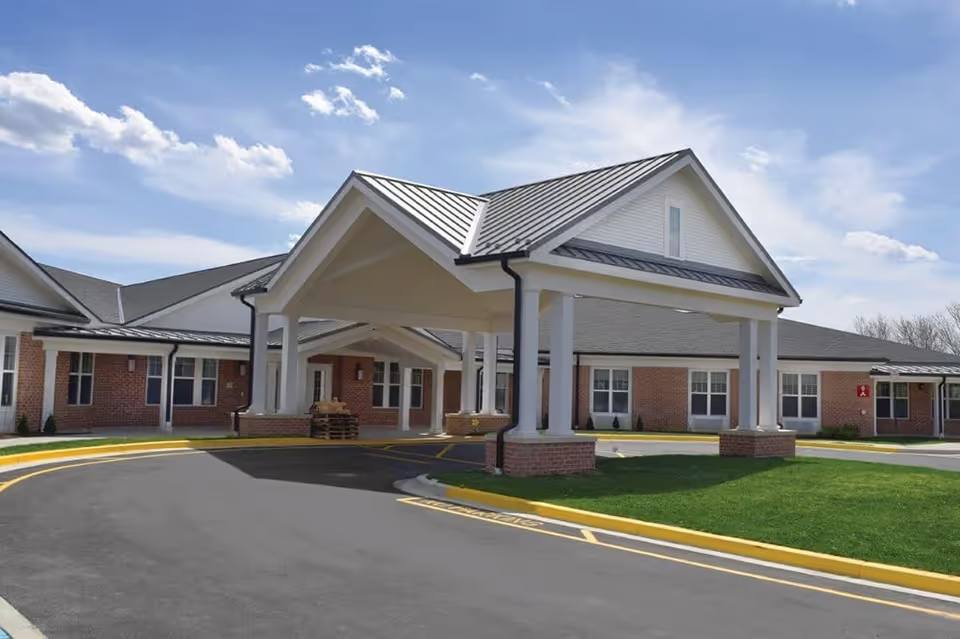
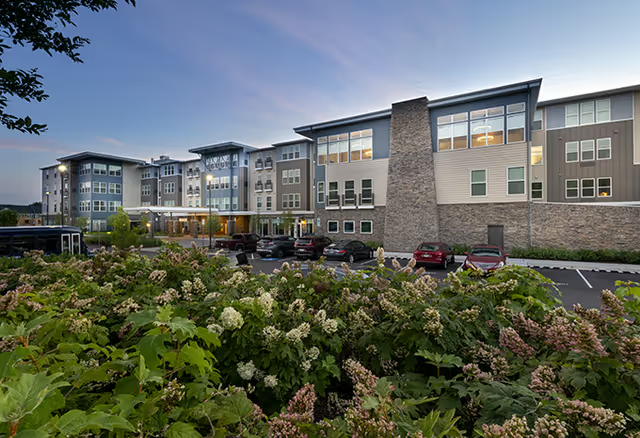
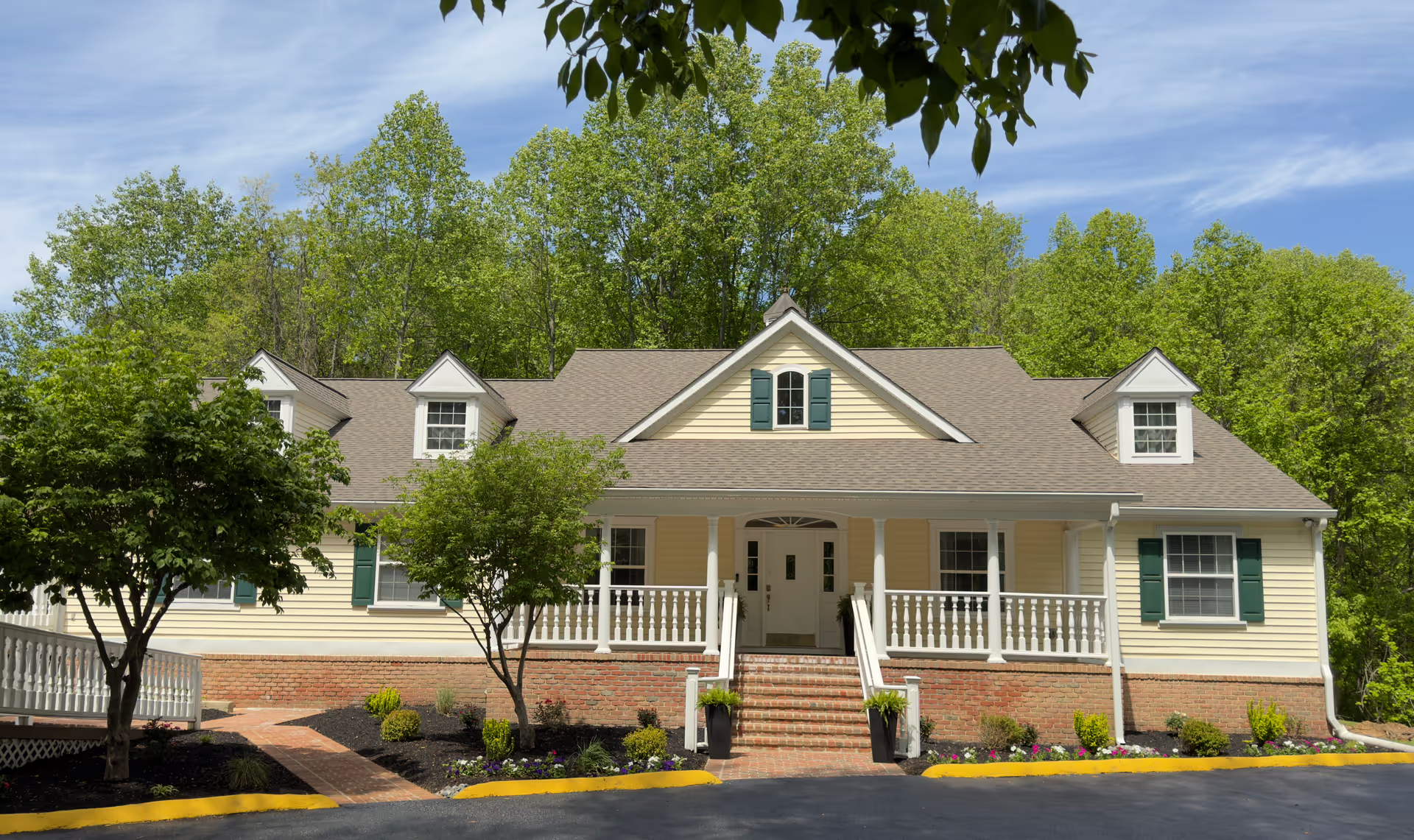
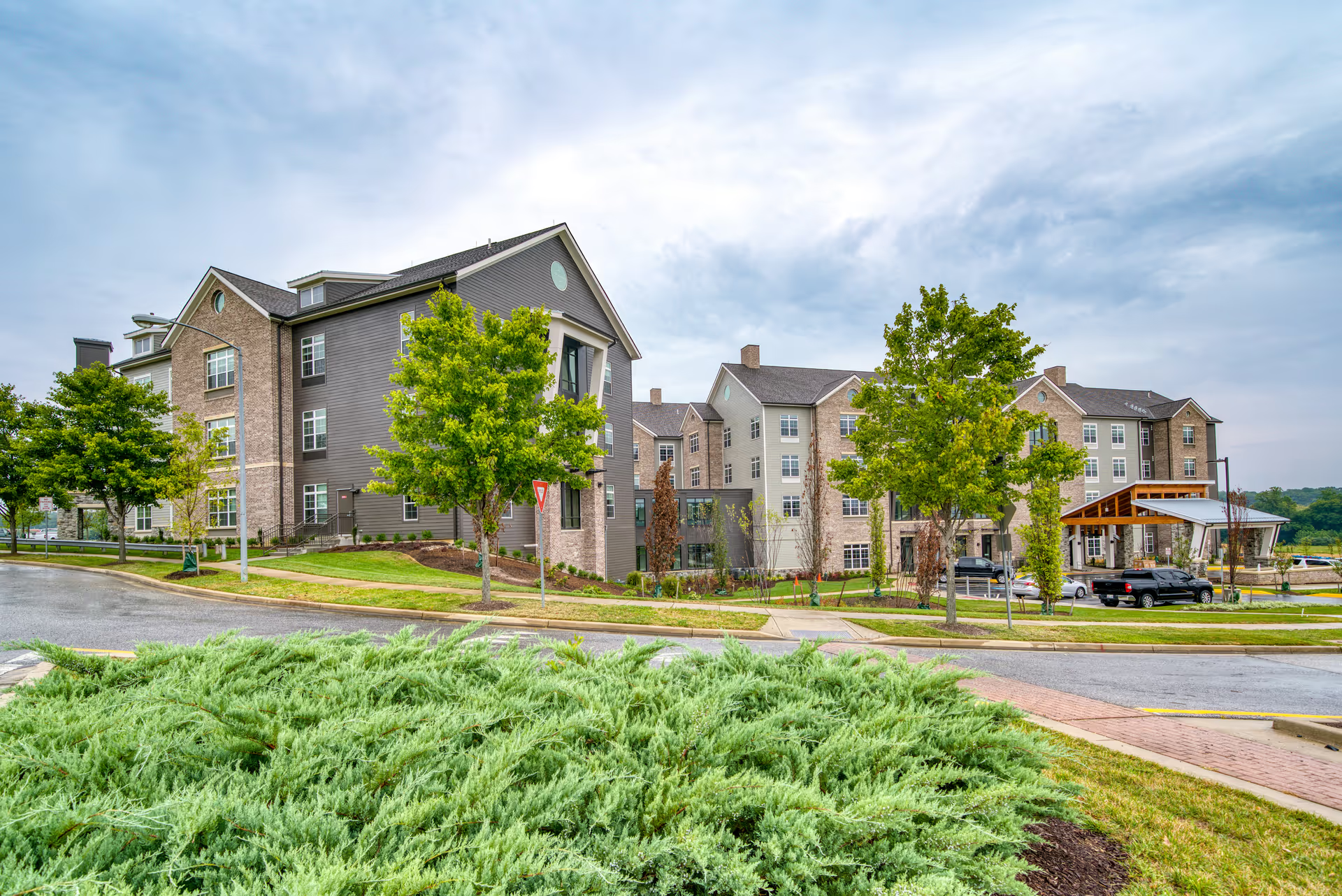
Autumn Lake Healthcare at Crofton elicits markedly mixed impressions. The facility's short-term rehabilitation services receive consistent praise: physical and occupational therapy are described as skilled, professional, and outcome-oriented, often delivered daily and focused on getting patients mobile and independent. Several families attributed successful recoveries to the therapy team and to engaged therapy leadership. The environment for rehabilitation patients is frequently characterized as clean, well maintained, and conducive to recovery, with private rooms, outdoor/indoor patios, and amenities such as a Bird Room enhancing comfort.
Nursing and aide staffing present a more mixed picture. Many reviewers describe individual caregivers as compassionate, attentive, and willing to go beyond expectations; however, there is a recurrent pattern of staffing variability that affects care continuity. Nights and weekends are commonly noted as times when staffing is thinner and response times to assistance requests or call lights increase. That variability has translated, in some accounts, into delayed assistance with toileting and personal care, irregular bathing schedules, and other hygiene-related concerns. Medication administration and pharmacy coordination were also singled out as an operational weakness in multiple accounts, including missed, delayed, or incorrect doses, creating potential clinical risk.
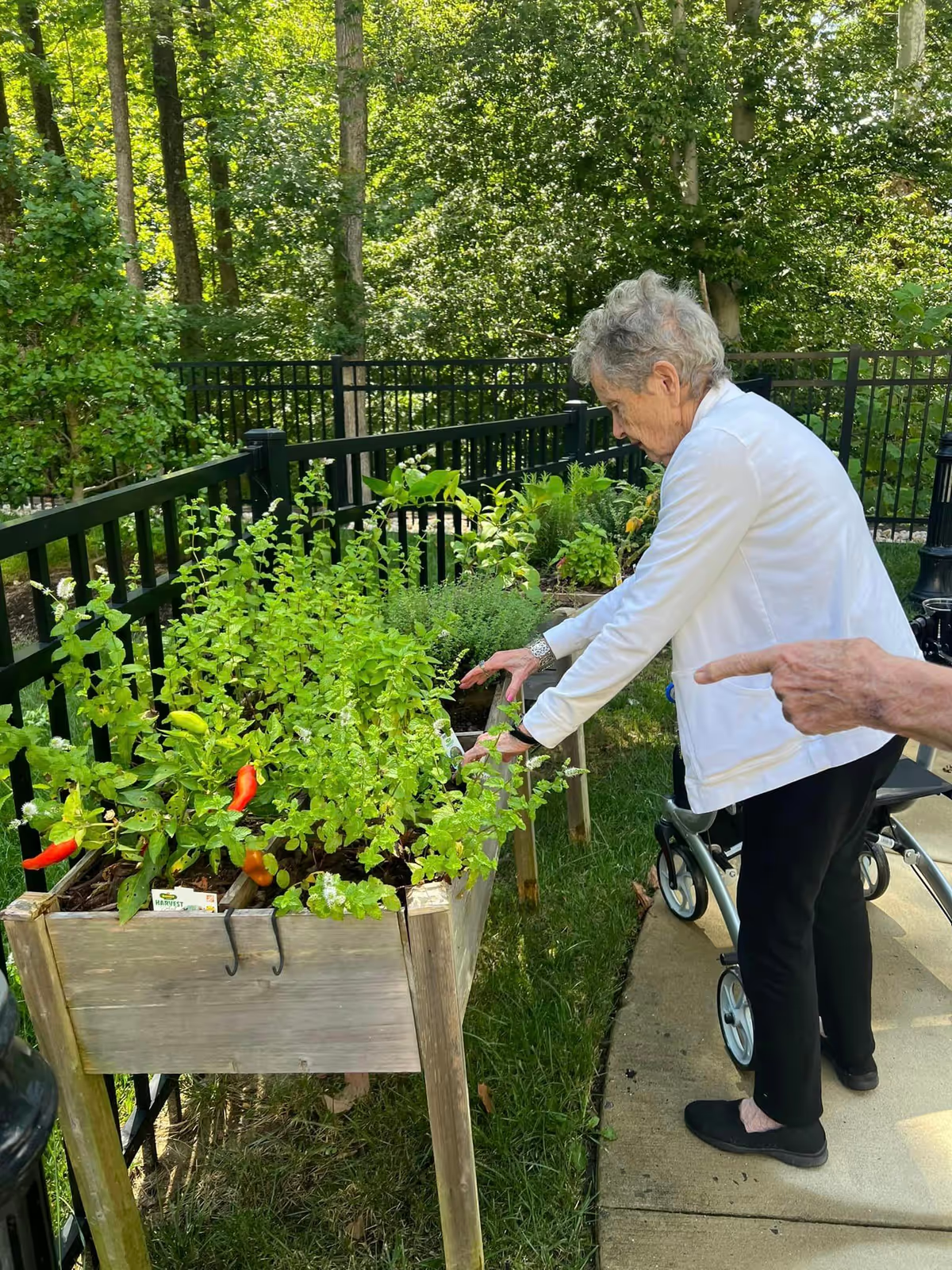
Dining, activities, and facility upkeep show similar contrasts. The activity program is widely regarded as energetic and engaging, with staff facilitating social events, spiritual services, virtual family contact, and individualized attention; these services are repeatedly cited as strengths that contribute to residents' quality of life. Kitchen staff and some nutrition personnel are praised for accommodating dietary requests and substitutions, but food quality and meal temperature are described as inconsistent and, in some reports, in decline following ownership changes. Housekeeping and maintenance are generally viewed positively—rooms are often described as clean and comfortable—yet a number of reviewers raised sanitation and odor concerns in certain common areas.
Communication and management practices are another recurring theme. Positive accounts highlight welcoming front-desk interactions and responsive leadership in some departments. Conversely, families describe challenges with admissions staff tone, long phone wait times, difficulty reaching clinical leadership or physicians, and gaps in discharge-planning communication that left families to coordinate care or feeding in some cases. There are also concerns about billing and contract clarity raised by reviewers that suggest the need for clearer financial communication. A small number of accounts describe serious safety and clinical deterioration concerns that families felt warranted investigation; these are outliers but important to consider when assessing overall risk and oversight.
In summary, Autumn Lake Crofton appears to offer strong, rehabilitation-oriented clinical services with many dedicated therapists and caregiving staff, robust activities, and generally well-maintained accommodations. At the same time, the facility demonstrates operational vulnerabilities: inconsistent staffing (especially off-hours), uneven long-term care performance compared with the rehab side, medication- and communication-related process gaps, and variable dining and sanitation experiences. Prospective residents and families should weigh the strong rehabilitation track record and active programs against these operational weaknesses, and consider targeted questions at admission about staffing levels by shift, medication-management protocols, discharge planning processes, infection-control policies, and on-site leadership accessibility. Observing the facility across different shifts and requesting written policies for transfers, medication reconciliation, and family communication can help clarify whether Autumn Lake Crofton will meet an individual resident's needs.