Household of Angels Assisted receives mixed feedback that clusters around two distinct experiences: several reviewers describe attentive, personable care and a comfortable, home-like environment, while others describe operational and communication challenges that families should consider carefully.
Care quality shows variation. Positive accounts describe staff who are attentive and responsive, successful medication adjustments for certain residents, available rehab/PT services, and a home-style dining experience with homemade meals. Some families praised individual caregivers and noted improvements in clinical measures after care. At the same time, other reviewers raised concerns about inconsistent clinical oversight—including delayed assessment after falls and variable medication and documentation practices. These patterns point to uneven clinical processes across different shifts or cases.
Staffing and management emerge as a central dividing theme. Strengths include friendly, welcoming direct-care staff and meaningful social engagement among residents. Weaknesses include inconsistent staffing levels, frequent staff turnover or relocation, and limited front-desk coverage; these operational gaps have been associated with reduced supervision and limited availability of facility staff to families. Several reviewers also noted practices they perceived as budget-focused, and there are accounts of limited transparency around resident records and phone communication that have led to strained family interactions.
Dining and activities are generally described positively when staffed as intended: homemade meals, group activities such as bingo, opportunities for socialization, and the facility’s private dining room for holiday events. However, there are also accounts of meal-service interruptions and uneven meal continuity, suggesting that food-service reliability may depend on staffing and scheduling.
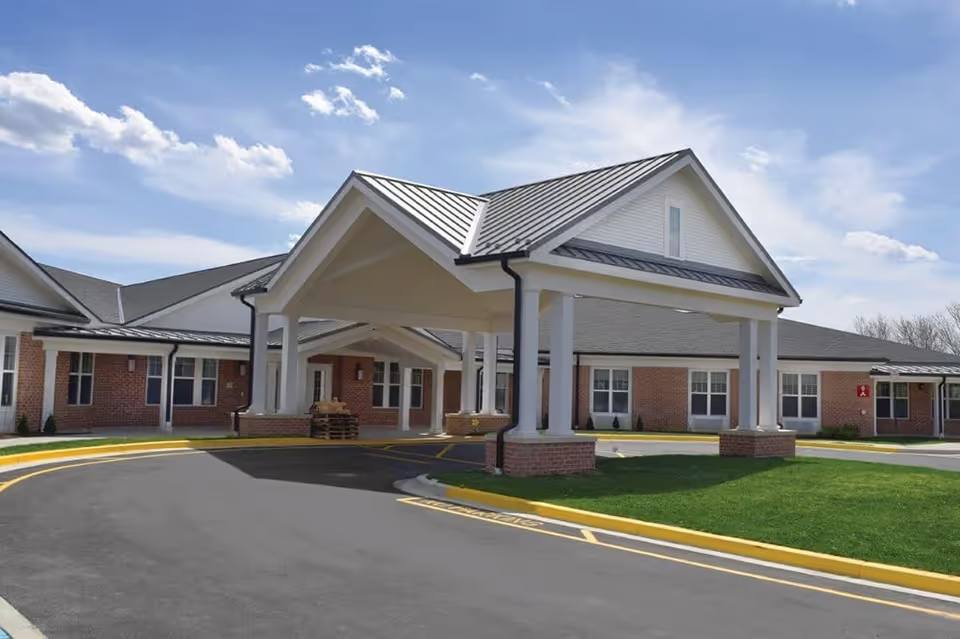
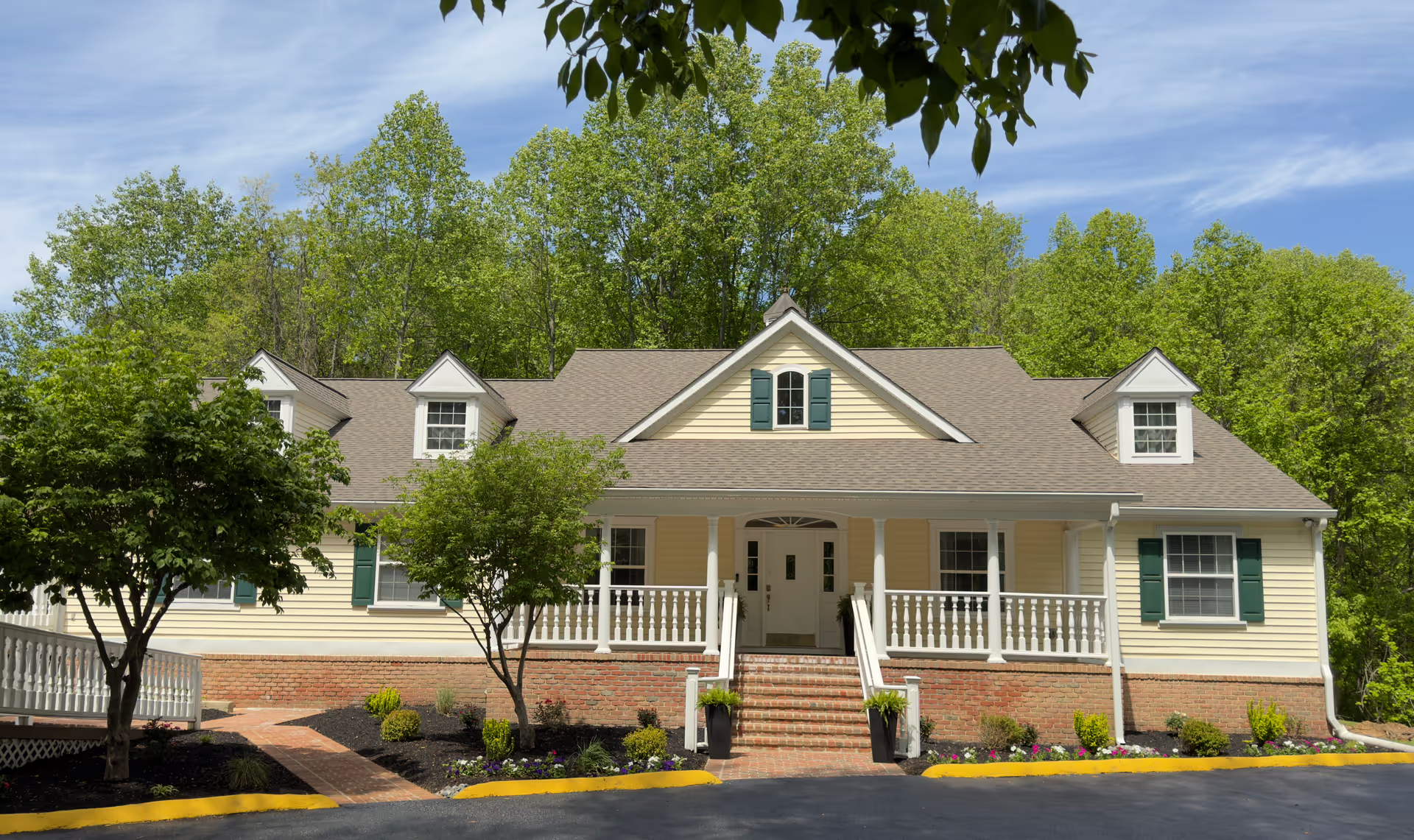
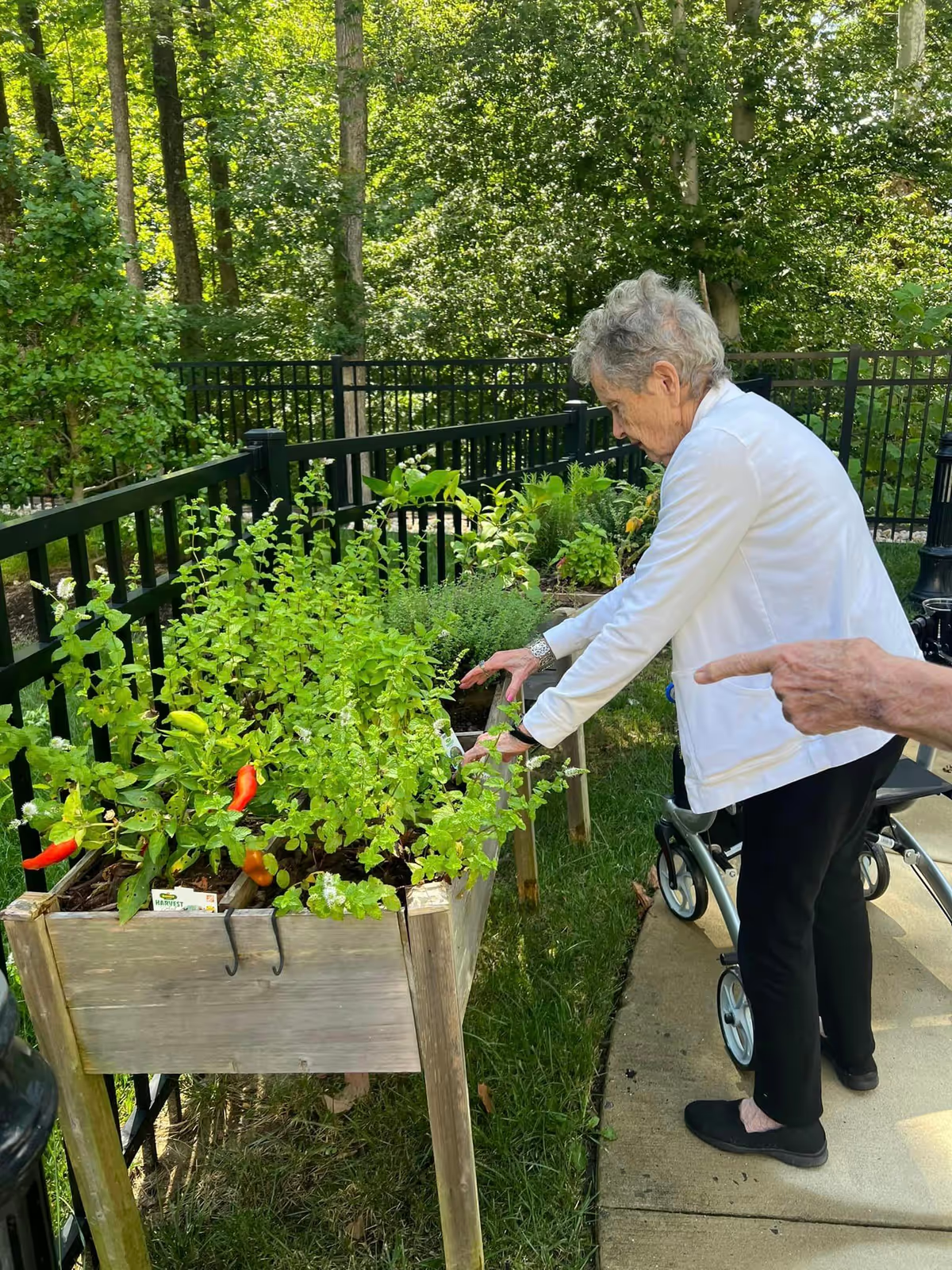
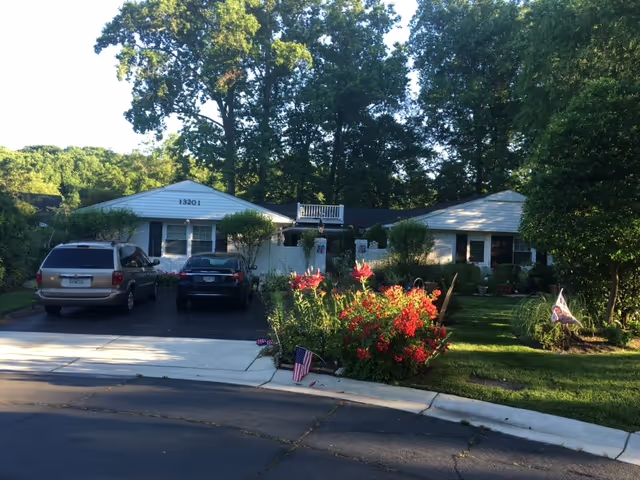
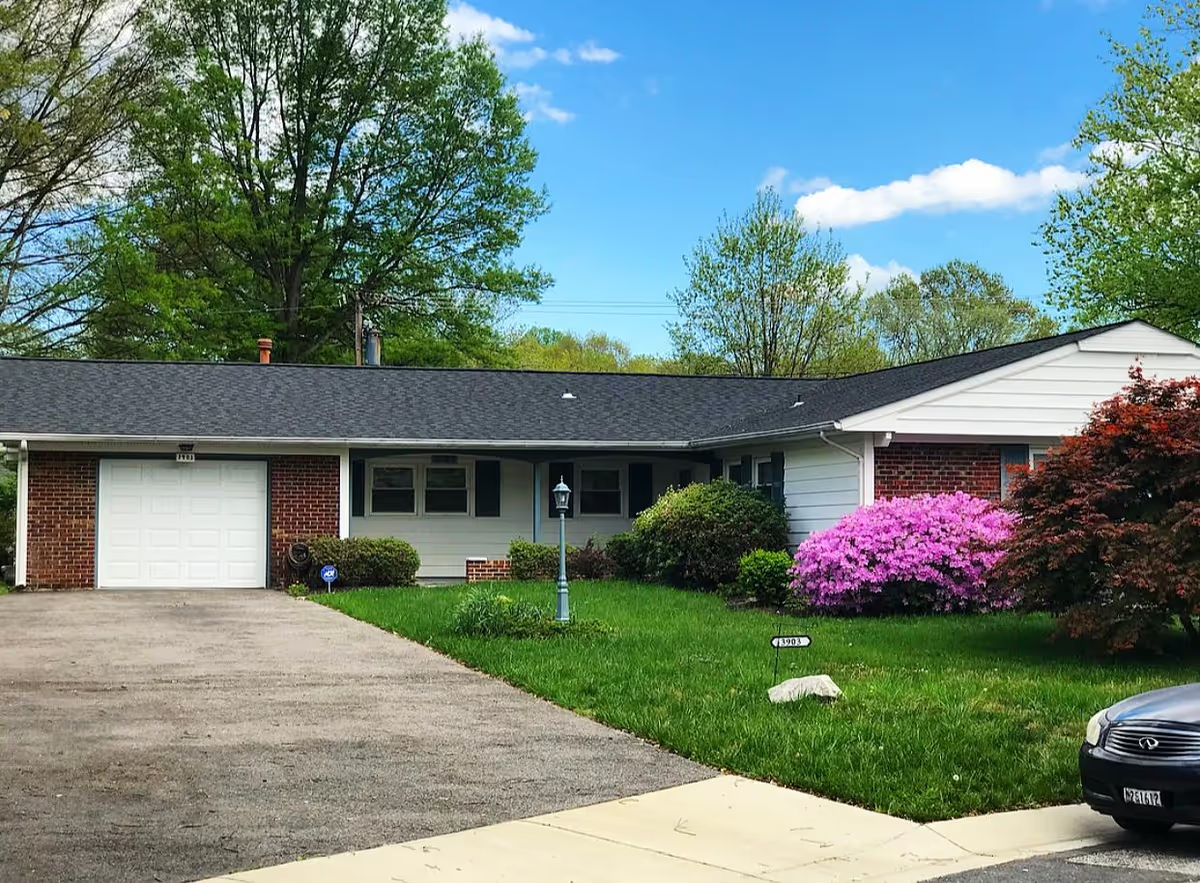
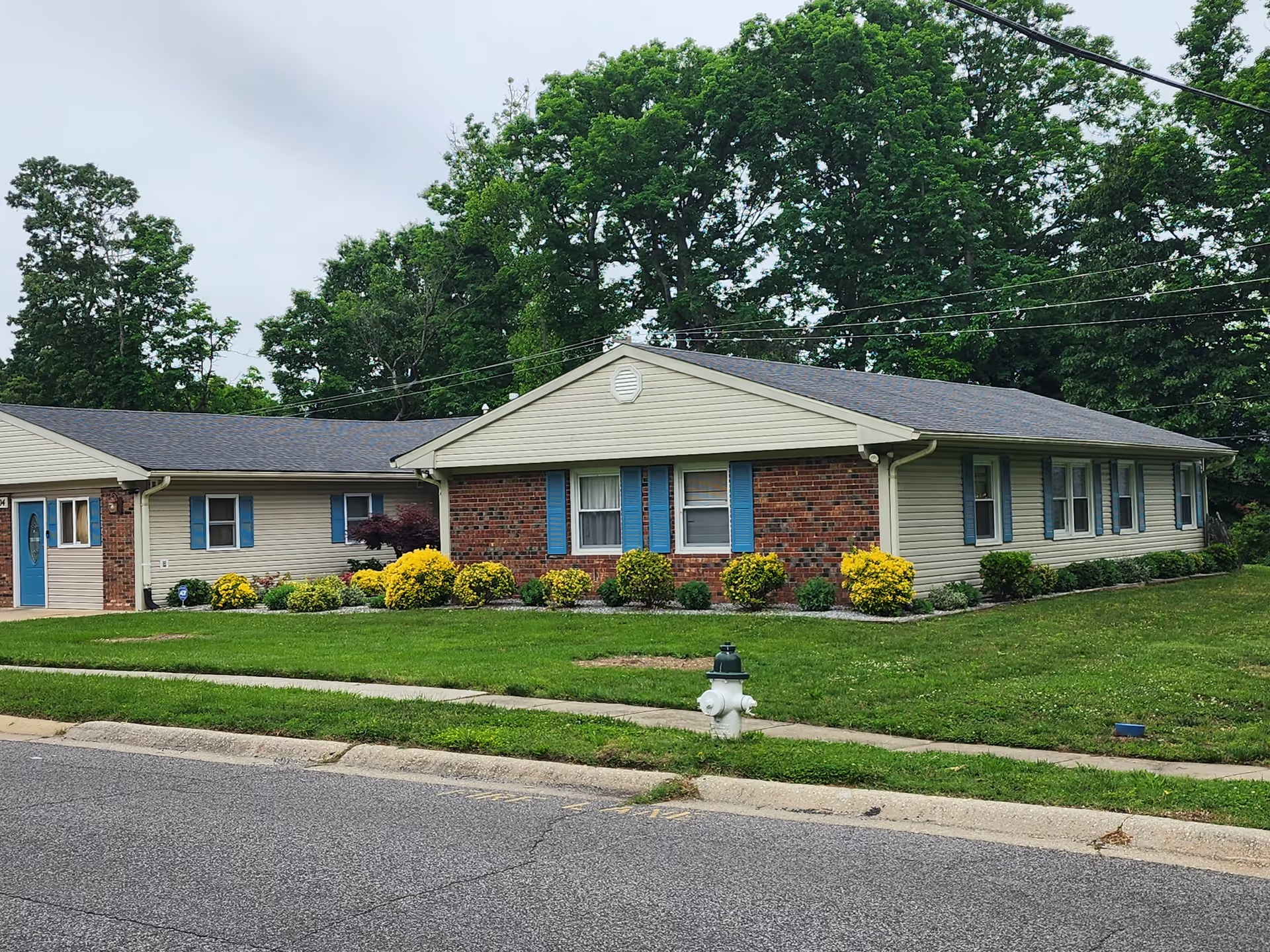
Facility features are a practical strength for some residents: a one-floor layout supports mobility, many rooms are fairly well maintained, and private bathrooms are available in several units. Common spaces such as a garden, TV room, and private dining area contribute to a residential feel. Cleanliness is described positively in some reports—particularly bathrooms and common areas—but other reviewers mention sanitation concerns and uneven housekeeping, indicating inconsistent environmental services across the facility.
Notable patterns for prospective residents and families to weigh: communication and documentation practices (including access to medical records and telephone reachability), staffing consistency across shifts, and the facility’s approach to safety and incident response. There are also references to external involvement by regulatory or social-service entities in some cases; these should prompt families to ask direct questions and to verify current regulatory status, staffing ratios, and incident-response protocols. Overall, the facility offers a comforting, small-scale setting with engaged staff and therapy services for some residents, but prospective families should perform thorough, up-to-date checks on staffing, record access, safety measures, and communication practices before making a placement decision.