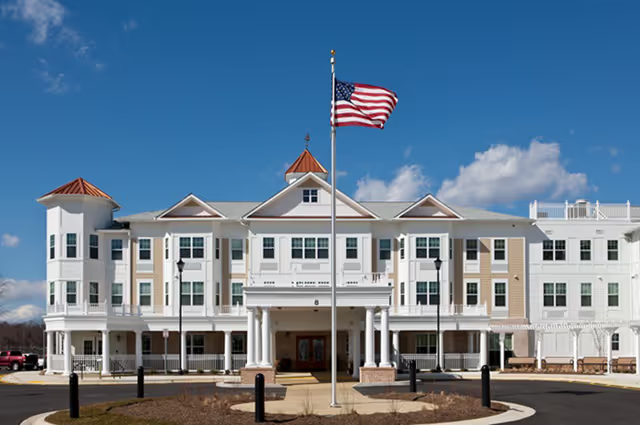
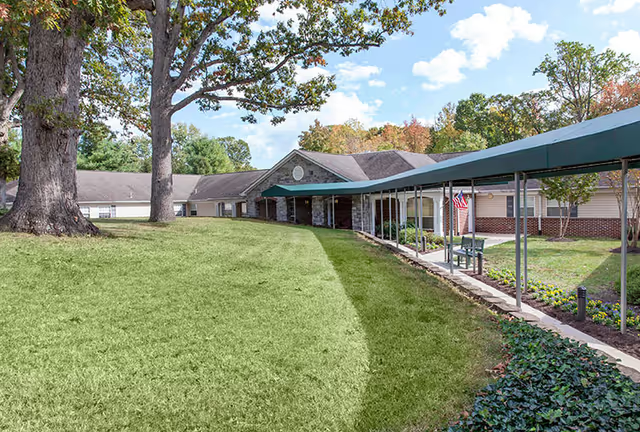
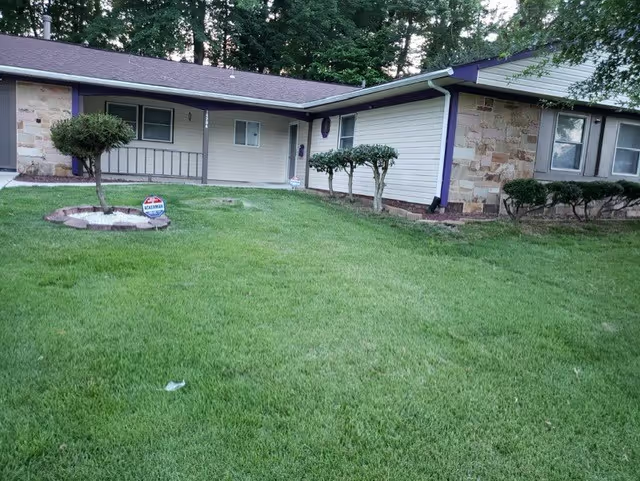
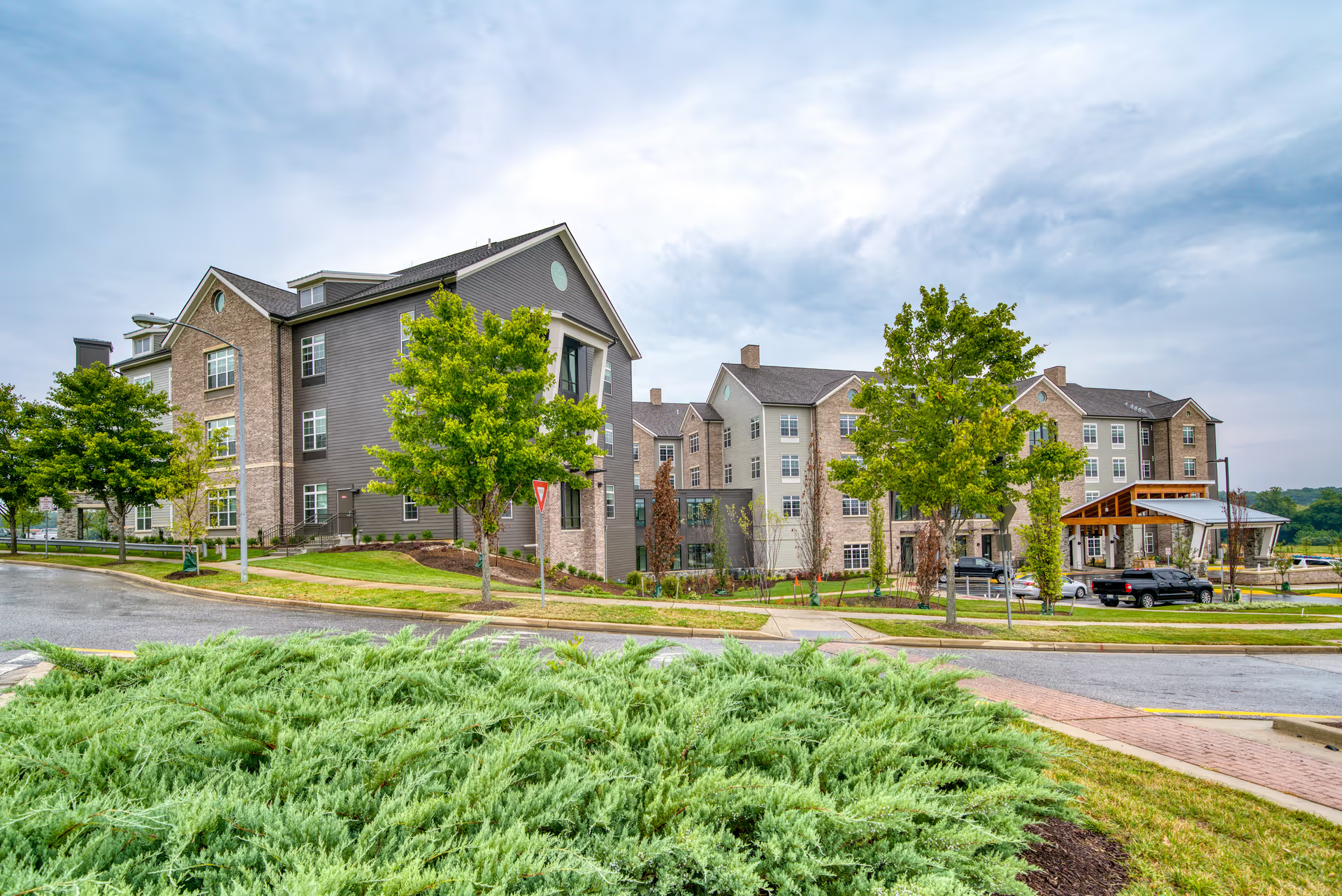
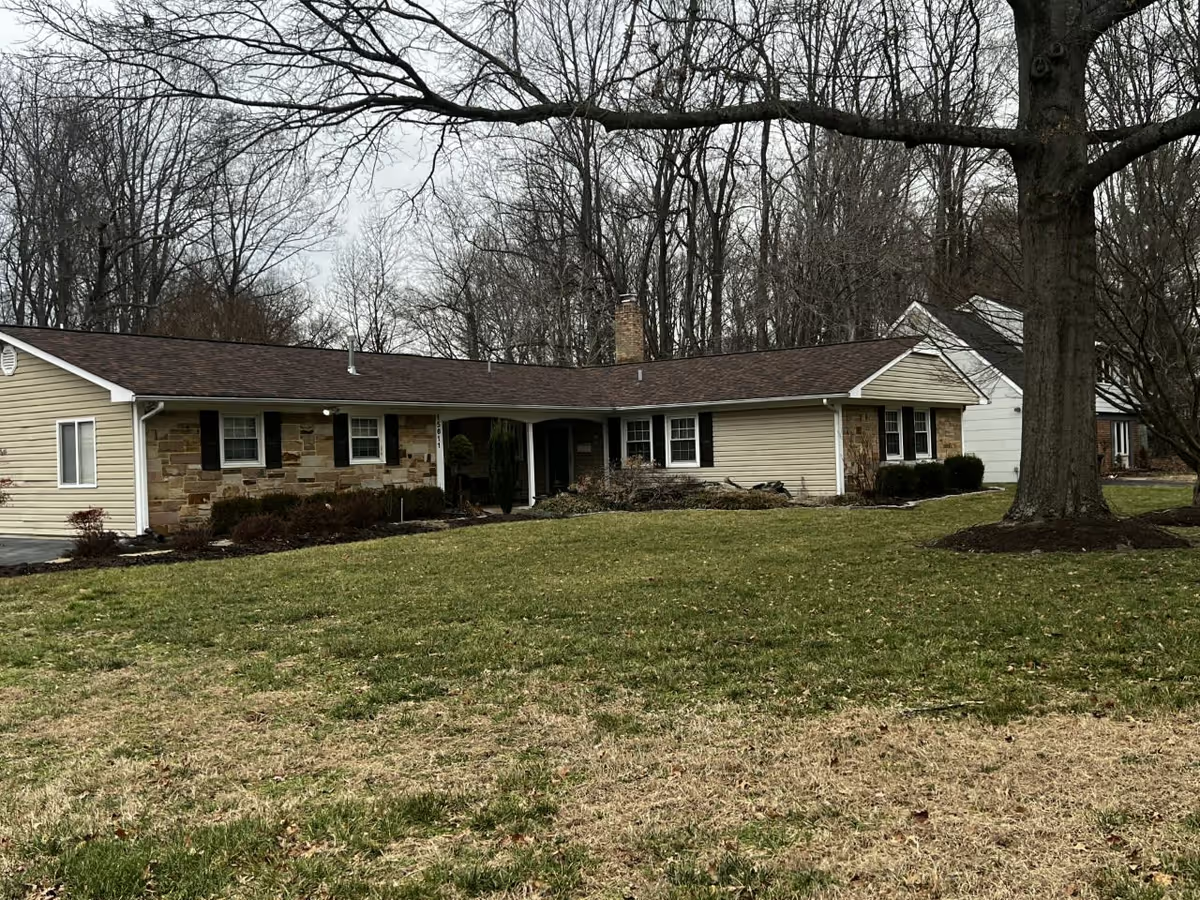
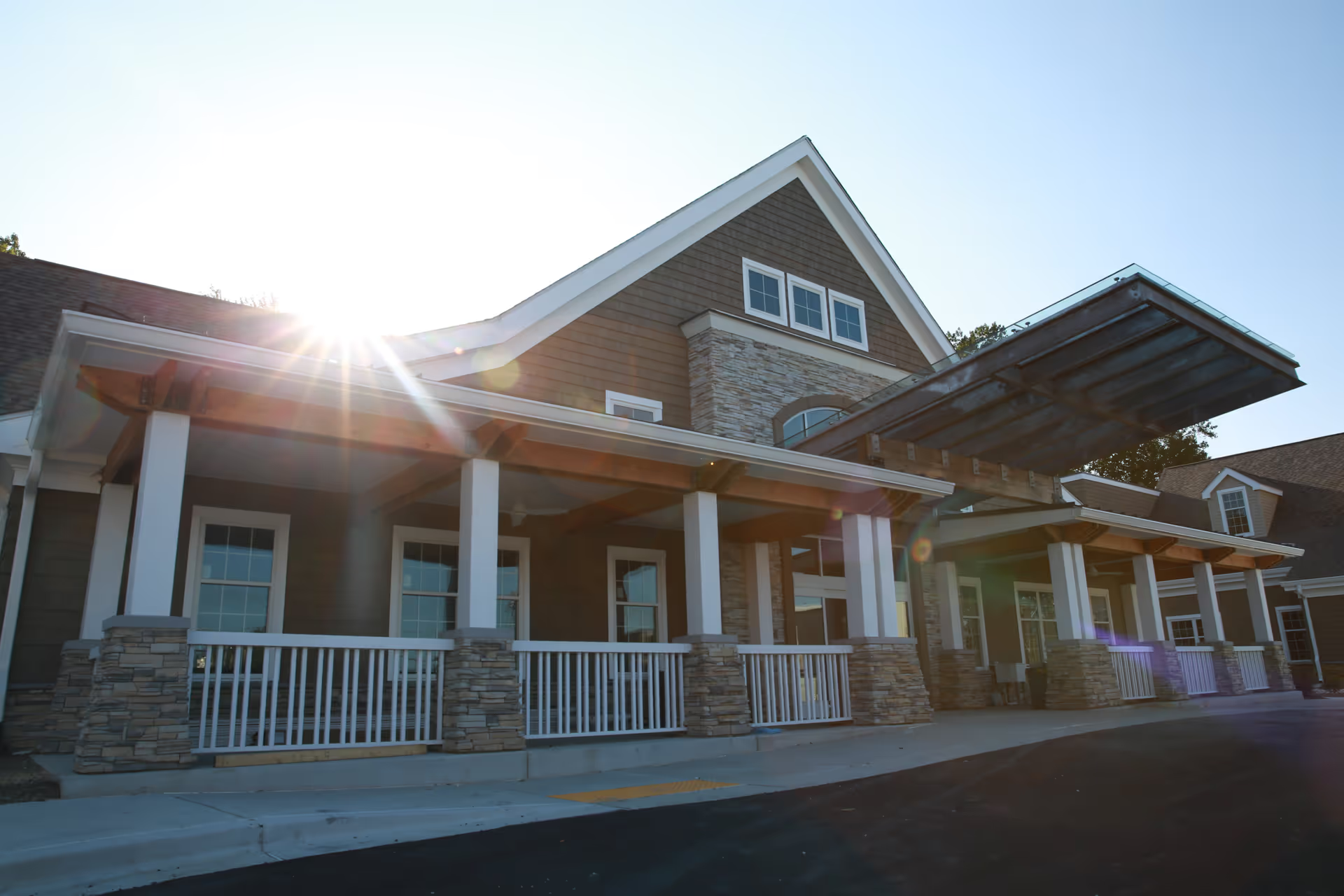
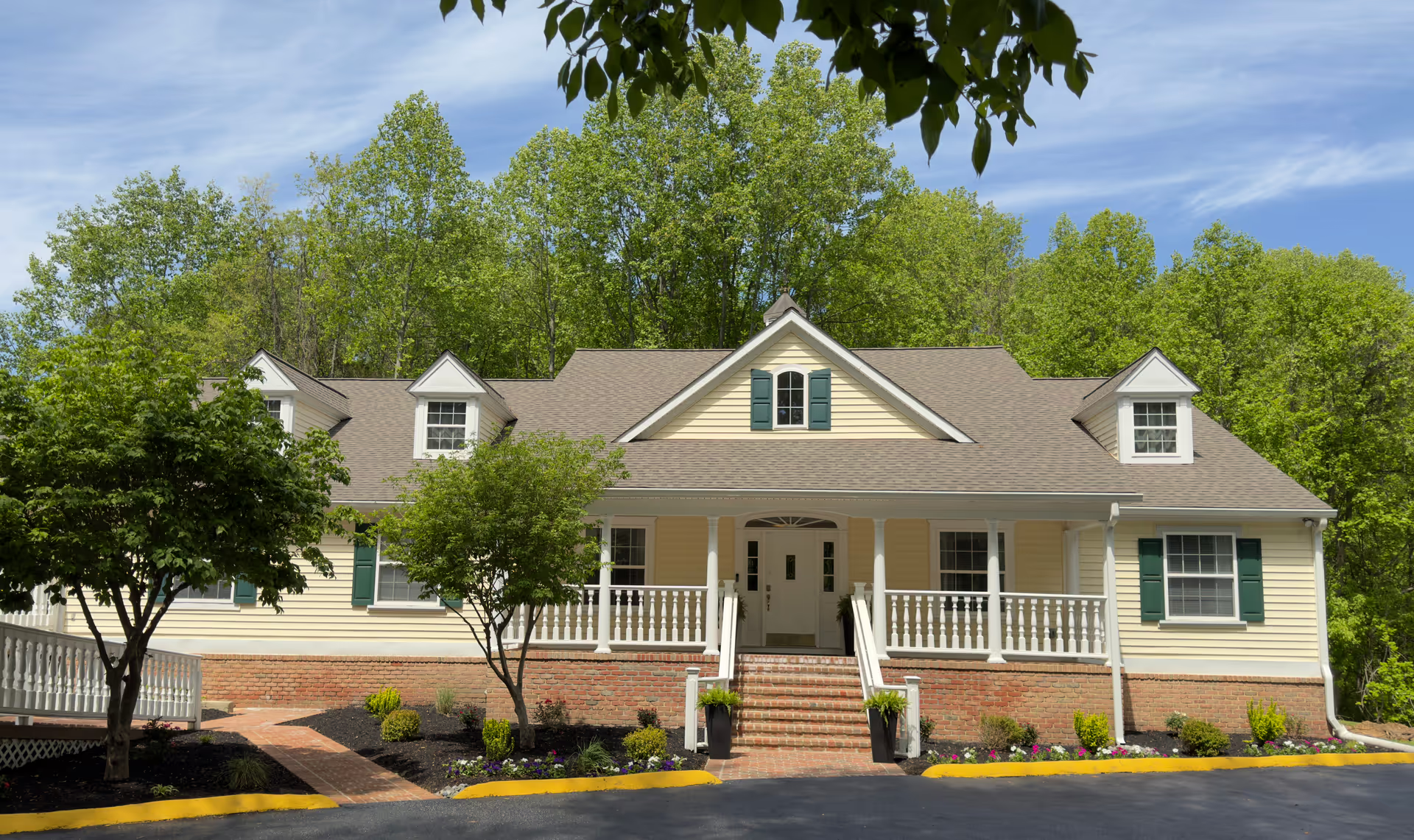
Reviews present a mixed picture of Kris-Leigh Assisted Living, with clear strengths in facility character and certain staff interactions but recurring operational concerns that families should evaluate closely. Multiple reviewers praised the facility’s farmhouse conversion, pleasant grounds and water views, and described clean, attractive private rooms. Admissions and tour staff were often described as helpful and welcoming, and the presence of full-time physicians on-site was noted as a positive clinical resource. Several accounts also described active social programming—outings, barbecues and musical visits—when events were executed.
At the same time, a number of reviewers raised substantive care-quality concerns. The most consistent themes involve inconsistent personal-care routines (including bathing and incontinence management), gaps in timely responsiveness to resident calls, and instances where prescribed diets were not strictly followed. There are also reports indicating that staffing levels are insufficient to meet resident needs at times; reviewers linked staffing shortages to delayed assistance and a perceived decline in residents’ condition. Concerns about clinical-incident response and family communication were also described, suggesting variability in how the facility handles escalating care needs.
Dining and programming appeared inconsistent across experiences. Some families described routine social activities and outings, while others characterized the published activity calendar as misleading and noted limited structured programming with television used as the primary recreation. Meal quality and consistency also varied; reviewers described instances of low-quality meals and gaps in dietary adherence, while other accounts described meals as acceptable.
Facility maintenance and infection/pest control were another area of divergence. While many reviewers found the property well maintained and pleasant, others cited sanitation concerns and pest-control issues in certain areas. These comments, together with reports of variable room and bathroom cleanliness, point to inconsistent environmental standards. Additionally, several reviewers expressed concerns about dementia-care expertise and staff training, which may be important for prospective residents with cognitive impairment.
Management and business practices were also flagged by some families. Reports referenced aggressive sales or marketing approaches, requests for detailed financial information during tours, and impressions that profit motives influenced operations. These perceptions, combined with the operational issues described above, contributed to polarized impressions of the community.
Given the mix of positive and negative observations, prospective residents and families should conduct an in-person, unannounced visit that includes: observing staff–resident interactions during care times, touring during scheduled activities and mealtimes, asking for written pricing and a sample care plan, verifying staffing ratios and dementia-care training, inquiring about pest-control and sanitation protocols, and confirming how the facility documents and communicates clinical incidents to families. These checks will help clarify whether the community’s strengths align with an individual’s care needs and expectations.