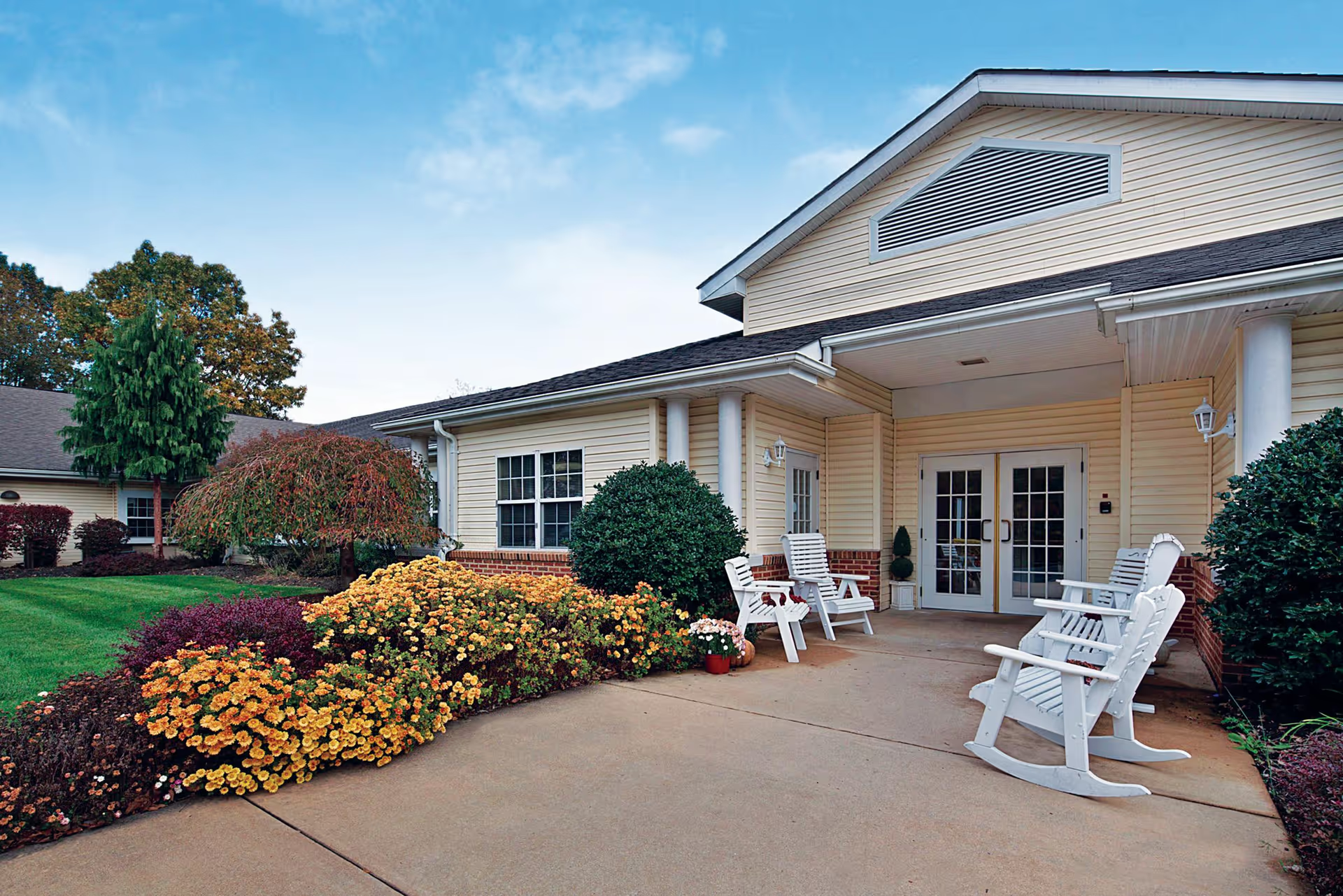
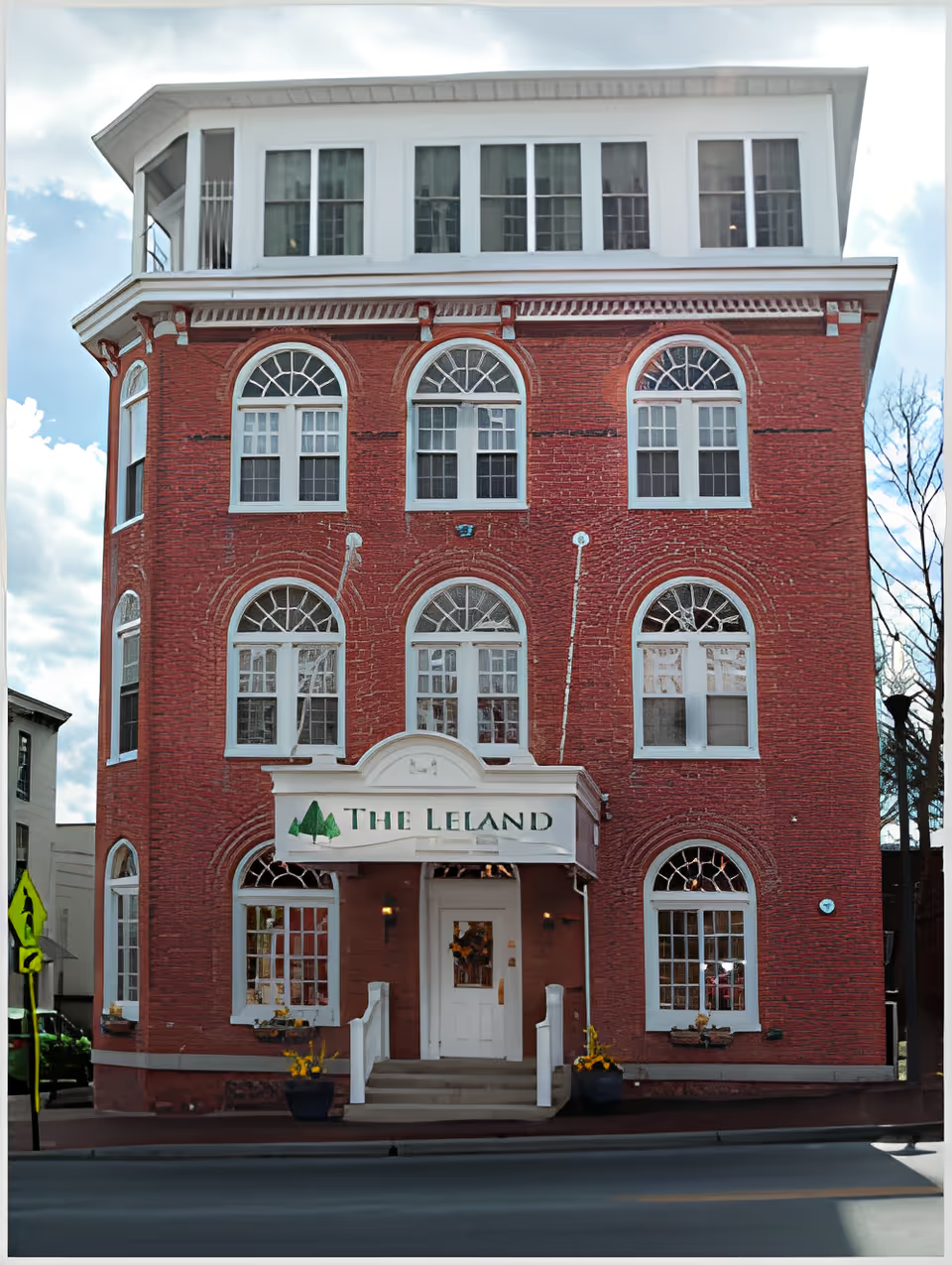
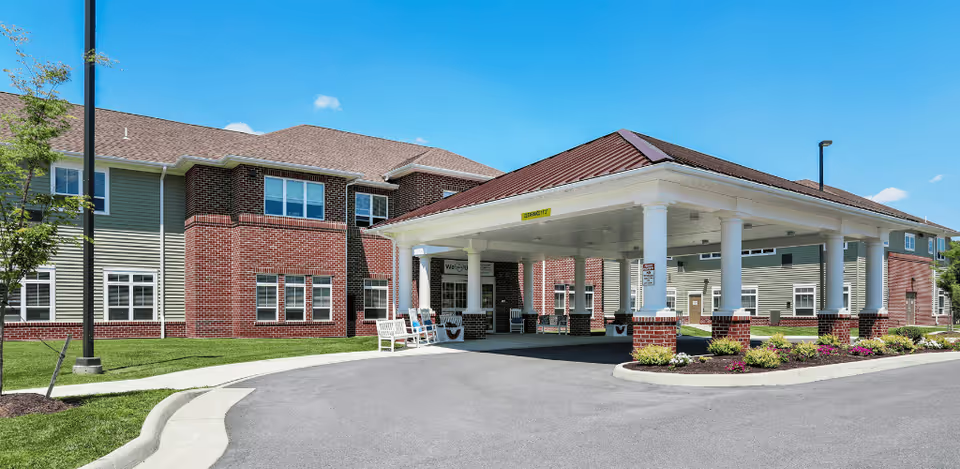
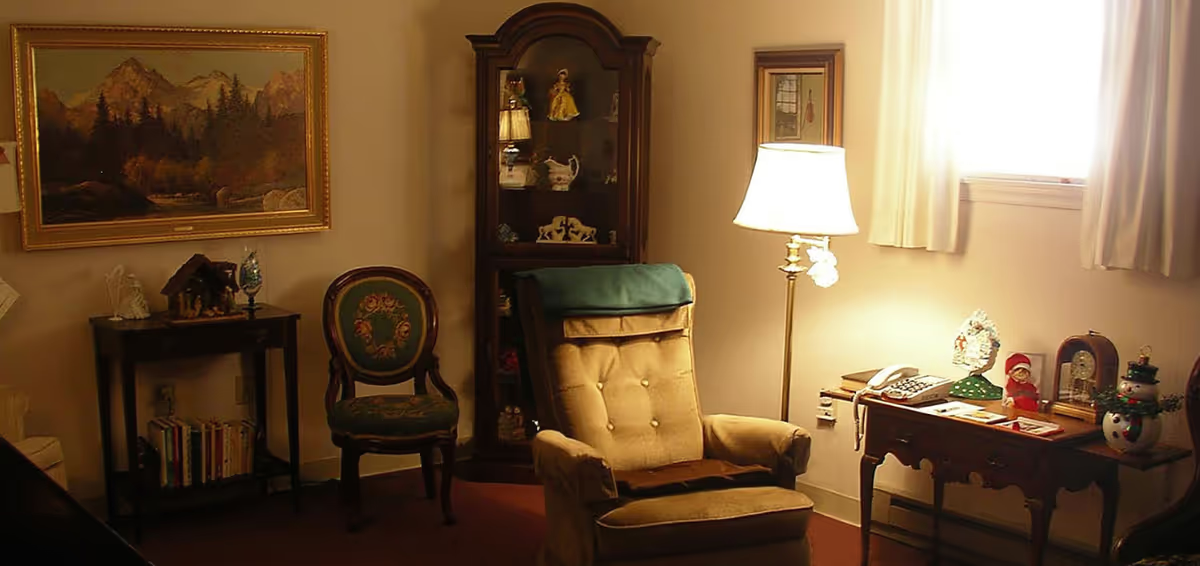
Elisabeth's House appears to be a small, home-style assisted living option with strengths in personalized attention and a warm atmosphere. Several reviewers praised consistent staffing, compassionate and professional caregivers, and a group-home environment that can feel less institutional than larger facilities. Positive accounts emphasize home-cooked meals, three daily meals with snacks, organized activities and outings, and value-oriented pricing. For prospective residents who prioritize a smaller, familial setting and direct staff relationships, these aspects are notable strengths.
Care quality and staff conduct show a mixed pattern. Many comments describe attentive, compassionate staff who provided reassurance and hands-on help; however, other accounts raise concerns about responsiveness to basic resident requests and the tone of staff interactions. A subset of reviews noted operational lapses related to medication handling and distribution that suggest a need for clearer medication-administration protocols and oversight. Families evaluating the community should review staff training, shift consistency, and documented medication procedures during a visit.
Dining and activity programming are similarly mixed. Positive impressions include home-cooked meals and occasional outings, but other observations point to inconsistent meal quality and presentation. Activity offerings appear to be present at times yet inconsistent at others; some families experienced regular engagement while others saw limited or no observed activities. Prospective residents should observe meal service and the weekly activity calendar in person and ask about substitutions, special-diet handling, and daily engagement routines.
Facility condition and safety present clear areas for inquiry. Several reviews described sanitation- and linen-management concerns and noted issues that imply lapses in routine cleaning and laundry processes. There were also references to pest-control concerns and damaged building elements that warrant inspection. Safety-related issues include unlocked doors and insufficient wandering-prevention measures, leading reviewers to advise that the community may not be appropriate for residents with significant cognitive impairment or wandering risk. Accessibility is another operational trait to confirm: the site has multiple stairs and may pose limitations for residents with mobility needs.
Management and administrative patterns require attention. There are accounts of billing changes, move-in fees, and commitments about refunds not being fulfilled; these have been characterized by some reviewers as financial misrepresentation or inconsistency. Prospective families should review contracts closely, obtain written fee schedules, and document refund and cancellation policies before moving forward. It is also advisable to ask for records related to pest control, sanitation protocols, staff training, medication administration policies, and incident-reporting procedures.
In summary, Elisabeth's House presents a combination of strong personal caregiving and a home-like environment alongside notable operational weaknesses in sanitation, medication management, safety oversight, and financial transparency. A thorough, in-person assessment is recommended: tour rooms and common areas, observe meal service and an activity period, review clinical and medication procedures, request written policies on security and dementia care, and verify billing/contract terms. Those seeking a small, warm setting may find it suitable if the facility can demonstrate clear corrective measures and documented protocols addressing the concerns noted above.