This facility elicits mixed impressions: many family members and visitors emphasize strong clinical support and warm personal interactions, while other accounts raise operational concerns primarily centered on dining sanitation and responsiveness. Positive comments focus on the admission process, individualized care coordination, and a clinical team described as professional and knowledgeable. Several families highlighted a dedicated case manager and a compassionate chaplain, and many noted attentive updates and clear ongoing communication during transitions.
Care and staff: Overall clinical care is perceived positively by numerous reviewers. Direct-care staff are frequently described as courteous, caring, and friendly, and the medical team is characterized as professional and knowledgeable. At the same time, reviewers indicate variability in staff conduct and responsiveness; some accounts indicate significant delays when residents require help with personal-care tasks or feeding. This pattern suggests that while trained and compassionate staff are available, operational consistency—especially response times to requests for assistance—may be uneven.
Dining and sanitation: Several comments raise systemic concerns about kitchen and food-safety practices. Referenced problems point to gaps in sanitation controls and pest management in food-preparation and storage areas, and one review noted an external inspection-related visit. These items collectively indicate a need for stronger, consistently applied food-safety and pest-control procedures. Prospective families should ask about recent inspection outcomes, routine sanitation audits, and corrective actions taken by management.
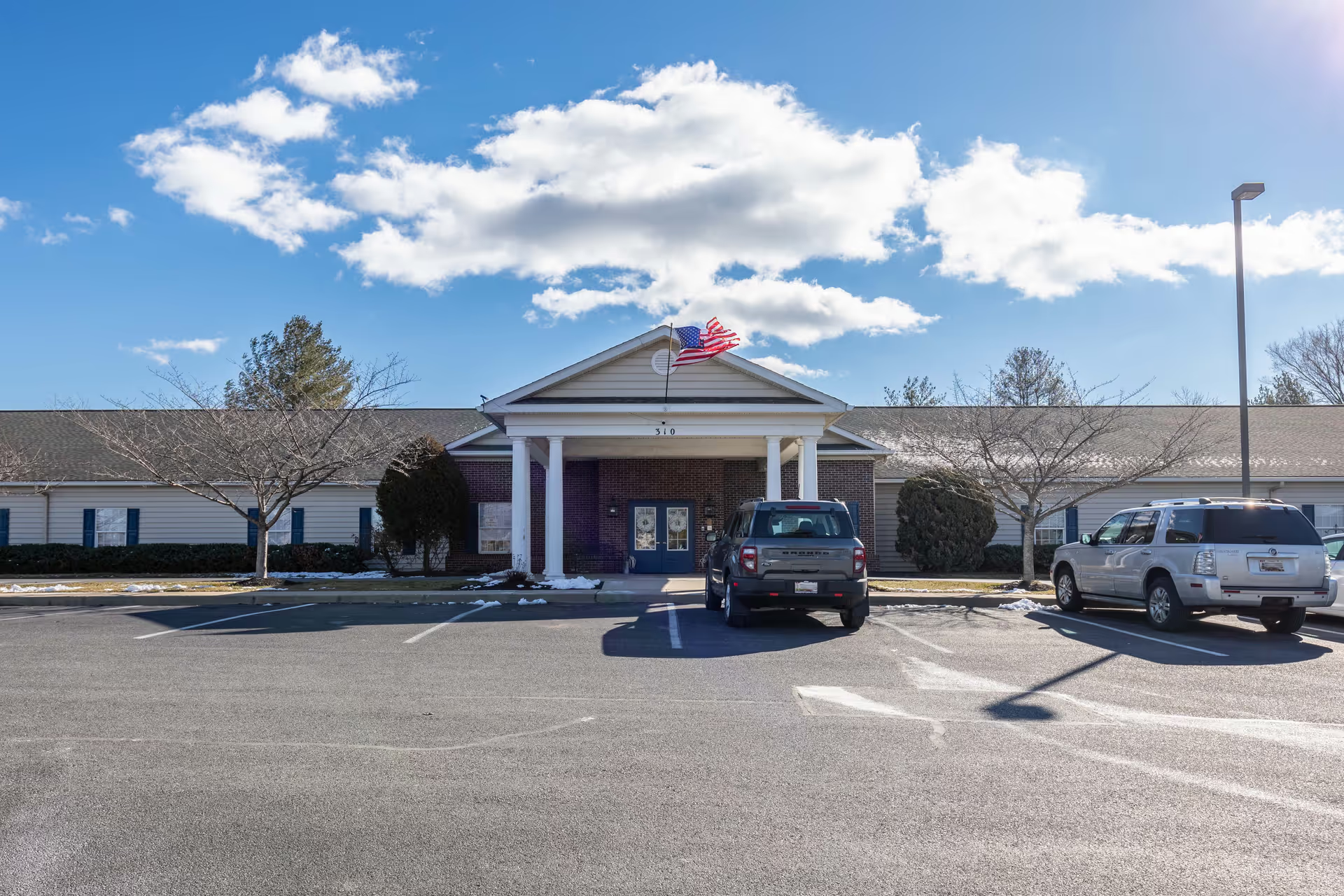
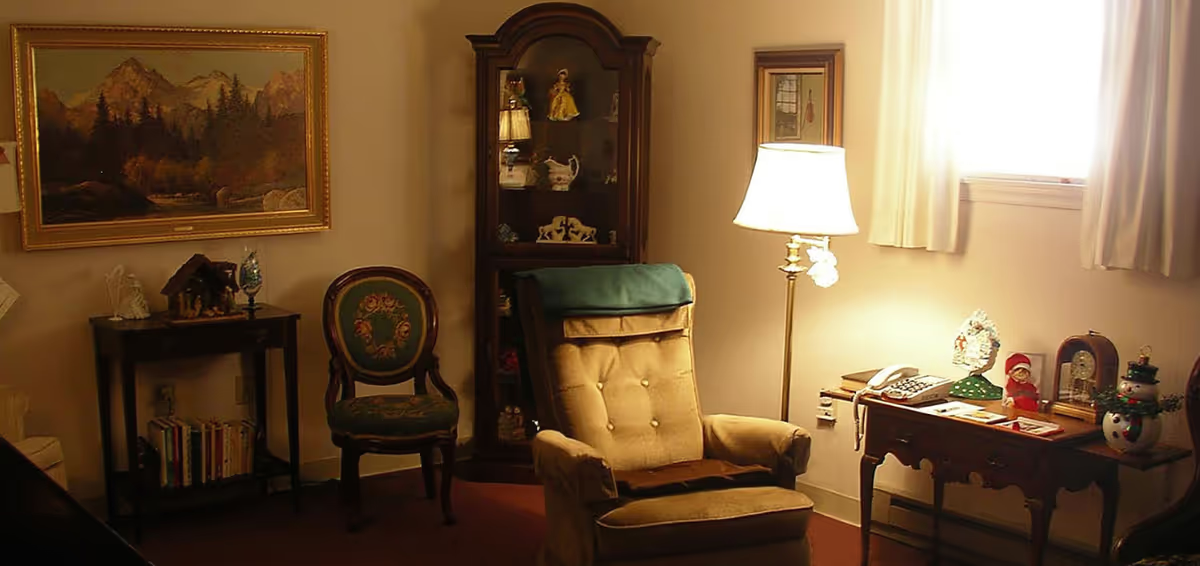
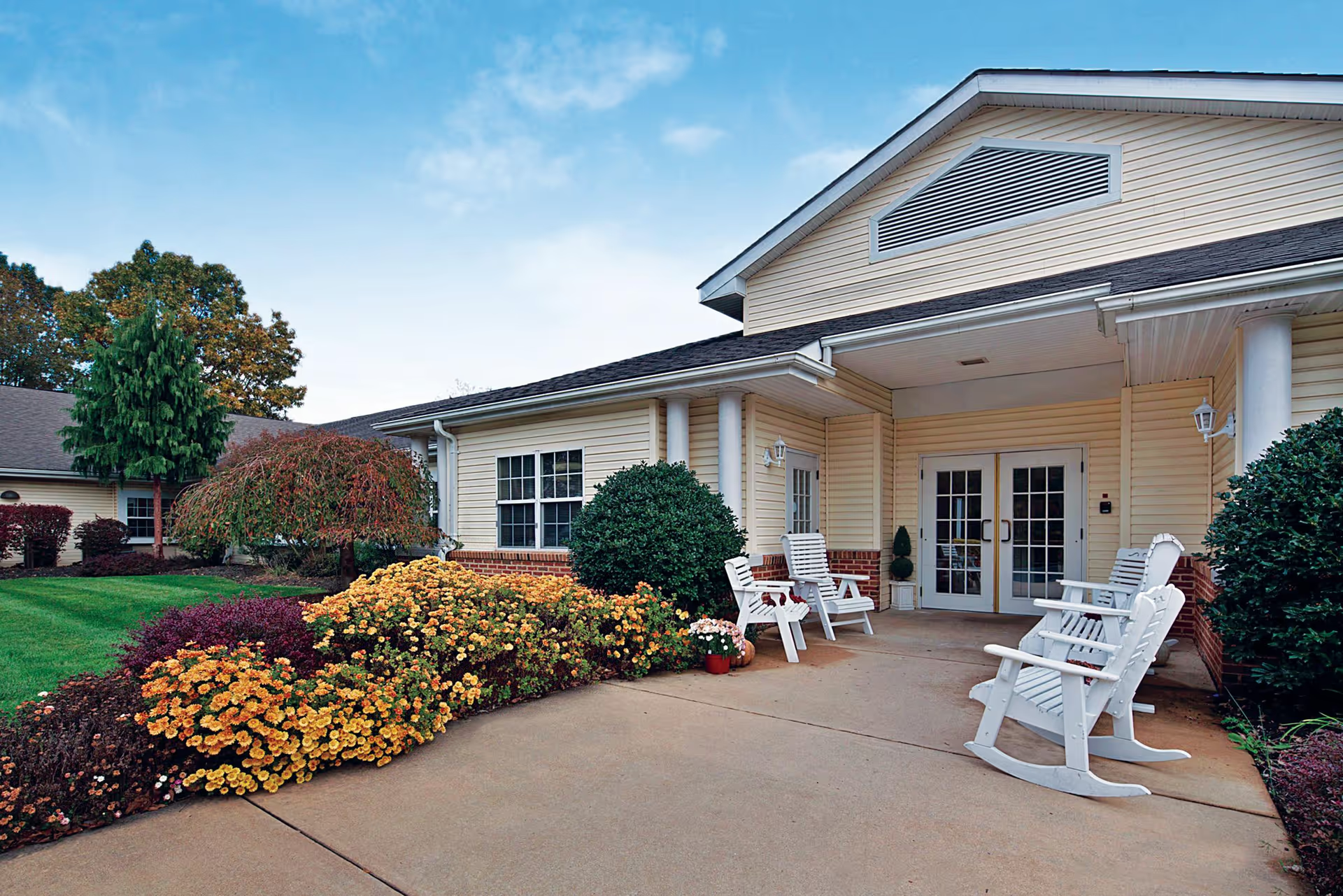
Facilities and activities: The physical environment receives commendations for comfort and maintenance in common areas; reviewers used terms indicating the facility is comfortable and professionally kept. There is limited direct commentary about recreational programming and activities in the available summaries, which suggests activity offerings were not the dominant concern or highlight for reviewers. Those seeking detailed activity schedules and engagement levels should request program information during a visit.
Management and communication: Admissions and transition processes are often described as proactive and supportive, with specific praise for case management and family communication. However, the facility appears to struggle with consistent operational execution in certain areas (notably kitchen sanitation and response times). The coexistence of strong coordination on admission and casework with lapses in day-to-day operational consistency suggests management priorities that emphasize transitions and family communication but may need to reinforce frontline supervision and quality-control practices.
Notable patterns and considerations: The overall pattern is one of uneven performance—strong interpersonal care and administrative support paired with operational gaps around food-safety, pest control, and timely personal-care responses. For families evaluating this facility, recommended follow-up topics include current staffing levels and shift coverage, average response times for personal-care requests, recent sanitation inspection reports and remediation steps, and examples of how management audits and enforces kitchen and housekeeping protocols. Those elements will help clarify whether the facility’s strengths in care coordination and staff compassion are matched by consistent operational standards in everyday resident services.