The reviews describe a facility with clear strengths in clinical rehabilitation and pockets of strong direct care, alongside persistent operational weaknesses. Many families and patients praised nurses, certified nursing assistants, and therapy staff (PT/OT/ST) for compassionate, rehabilitation-focused treatment, effective wound care, and motivating therapy interactions. The activities and recreation program is frequently cited as engaging, with group events and outings that support social engagement. Admissions and care-coordination staff receive positive comments in multiple accounts for facilitating transitions and communication at times.
At the same time, a consistent pattern of service variability emerges. Staffing levels and coverage are described as inconsistent, particularly during evenings and nights, which correlates with delayed responses to nurse-call systems and slower attention to basic care needs. Reviewers describe gaps in medication management and in following physician orders or documented care plans; a small number of accounts allege serious medication errors with significant clinical consequences. Clinical supervision and handoff reliability are raised as recurring concerns, and families report uneven therapy scheduling and occasional cancellations that limit rehabilitation progress.
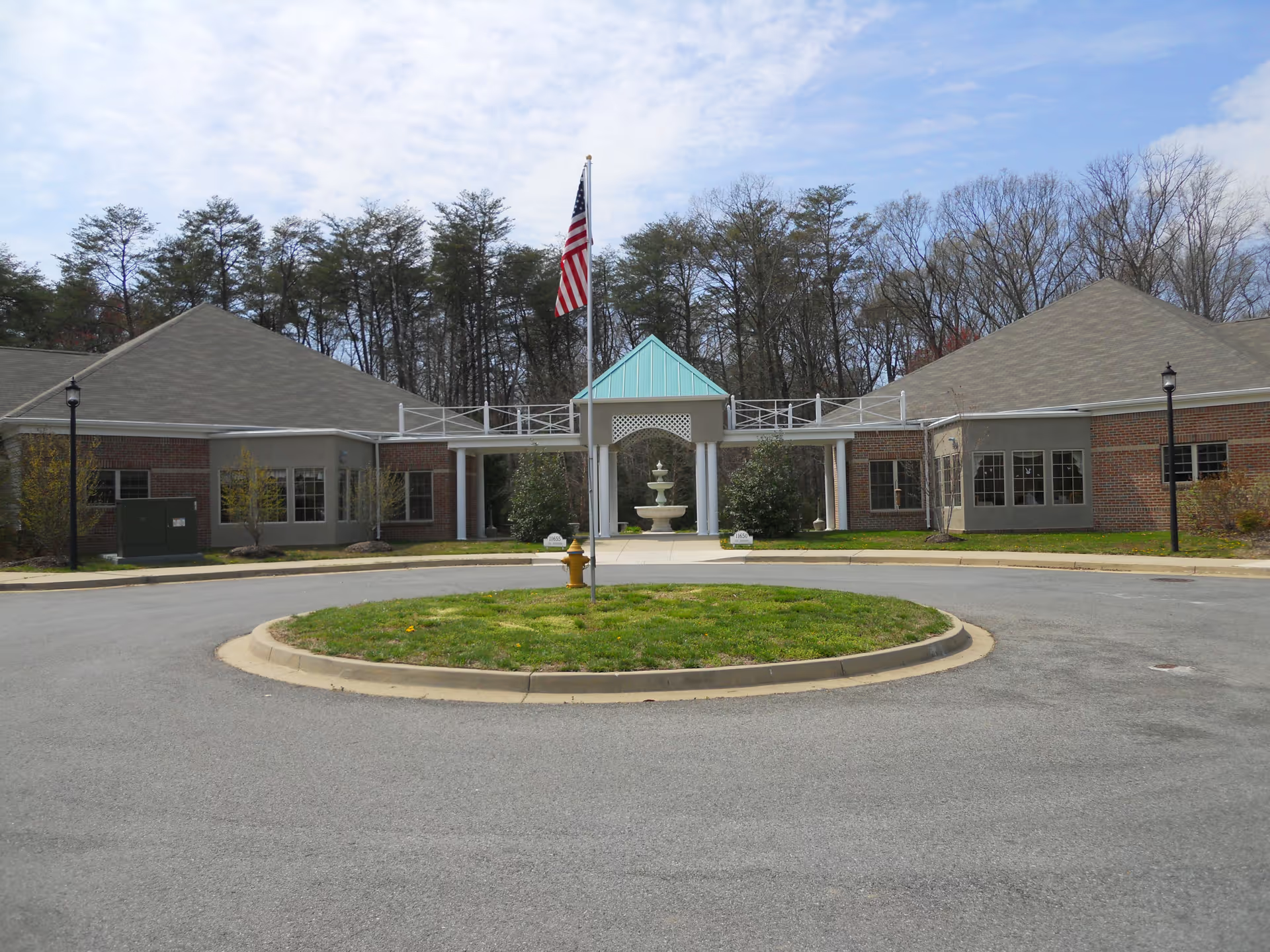
Facility and environmental issues are another frequent theme. The building is described as older and in need of maintenance, with reviewers noting sanitation and odor concerns in both resident rooms and some common areas. Equipment maintenance and safety weaknesses — including beds, wheelchairs, and restraints — are cited as operational risks. Several accounts indicate inconsistent bathing and incontinence-care practices, as well as privacy and dignity safeguards that are applied irregularly.
Dining experiences and nutrition-related care are mixed. Some reviewers find meals acceptable and note positive dietary accommodations, while others describe disruptions to mealtime assistance, missing nutrition supplements, or inconsistent feeding support. Administrative issues also appear in multiple reviews: communication from management and between departments is sometimes slow or fragmented, visitation policies are described as restrictive or inconsistently enforced, and there are concerns about billing transparency and accountability for personal belongings.
Overall, the pattern is one of notable strengths in direct clinical and rehabilitative skill among many frontline staff, combined with systemic operational weaknesses that affect day-to-day resident experience and safety. For prospective residents and families this suggests the importance of direct, targeted questions during touring and intake — for example, about staffing ratios by shift, medication administration protocols, maintenance schedules, visitation rules, and procedures for escalation and family communication — and verifying these items in writing when possible. Regulatory attention and family advocacy are referenced in some accounts; that may be relevant when evaluating current performance versus past issues.