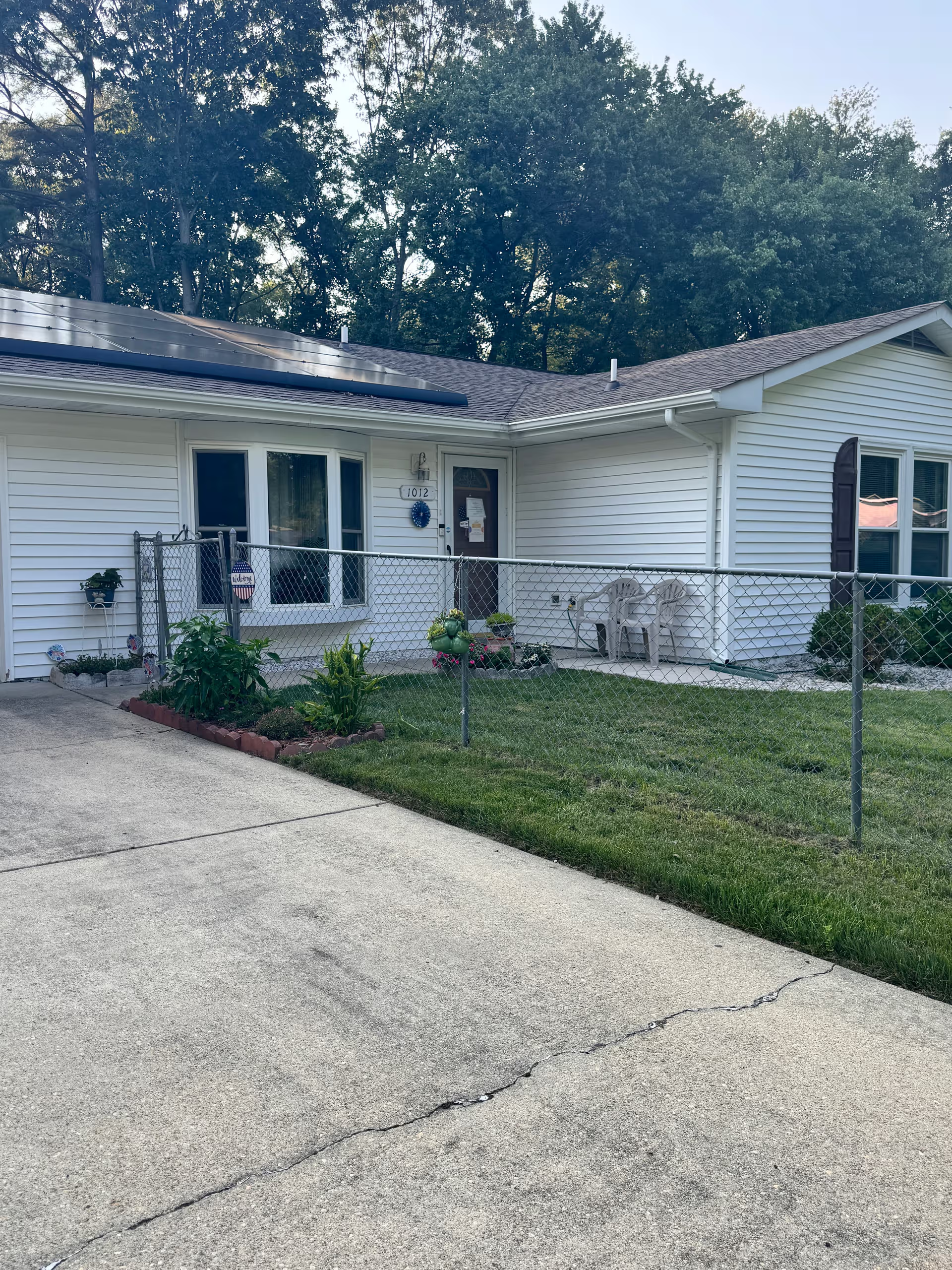
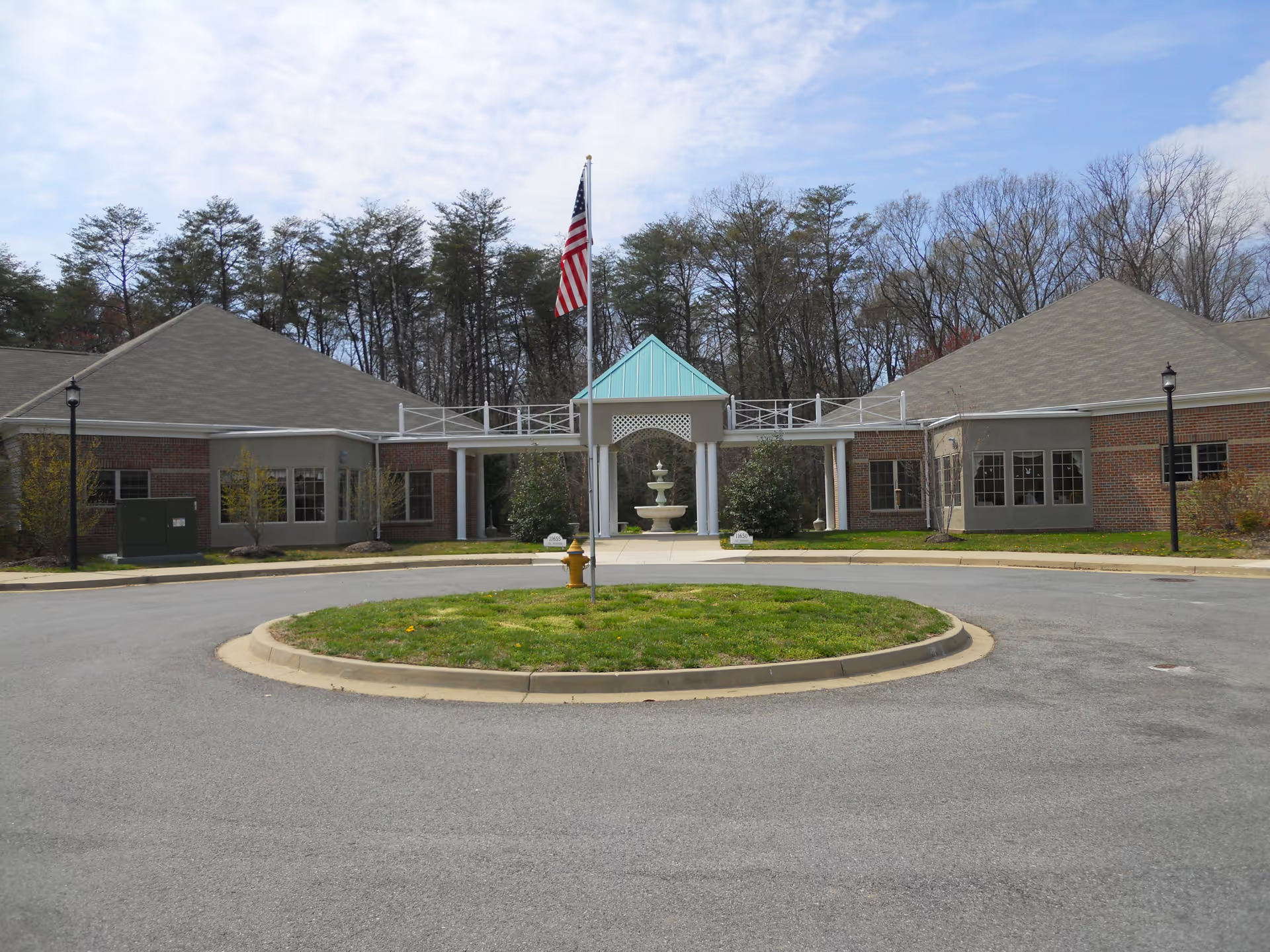
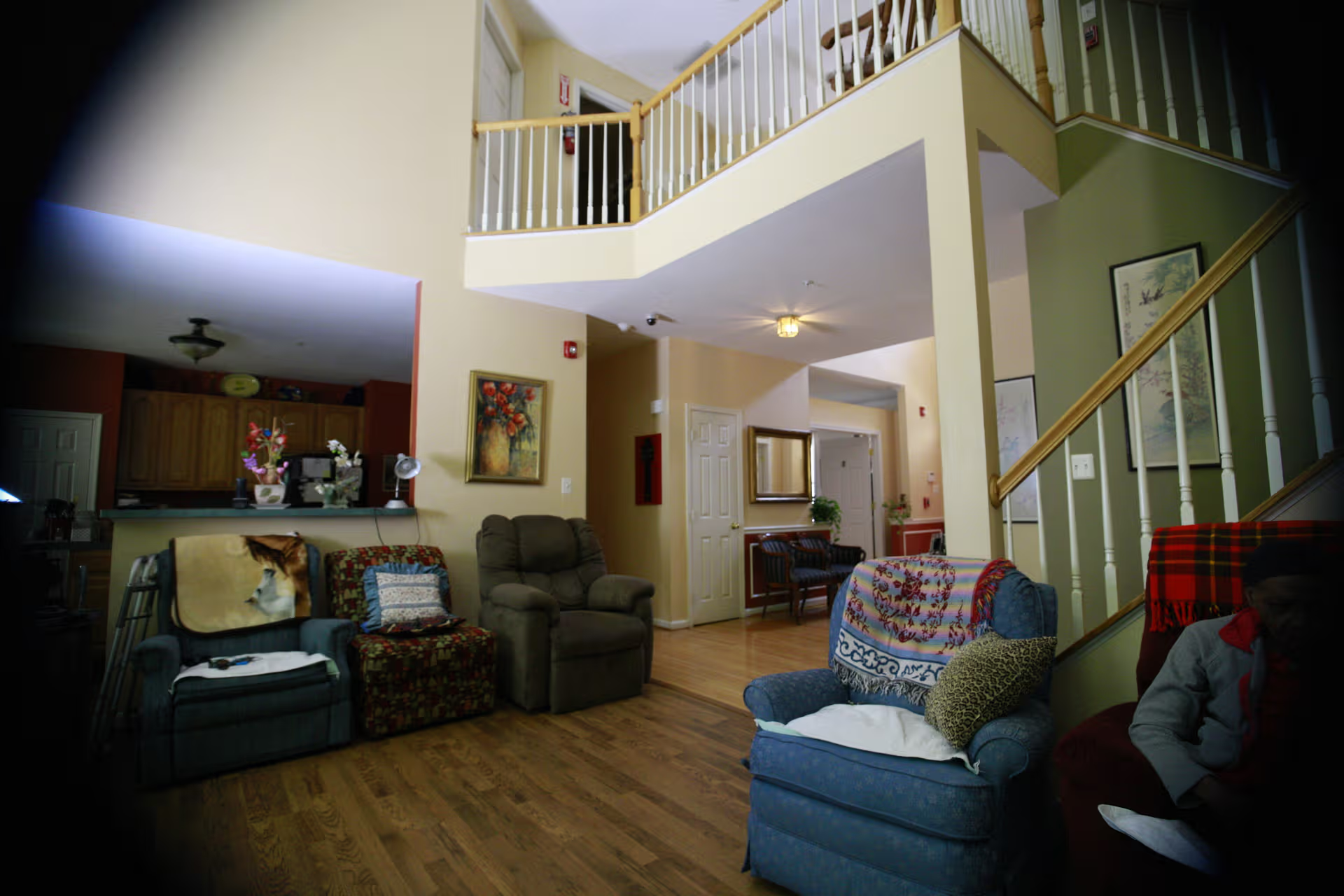
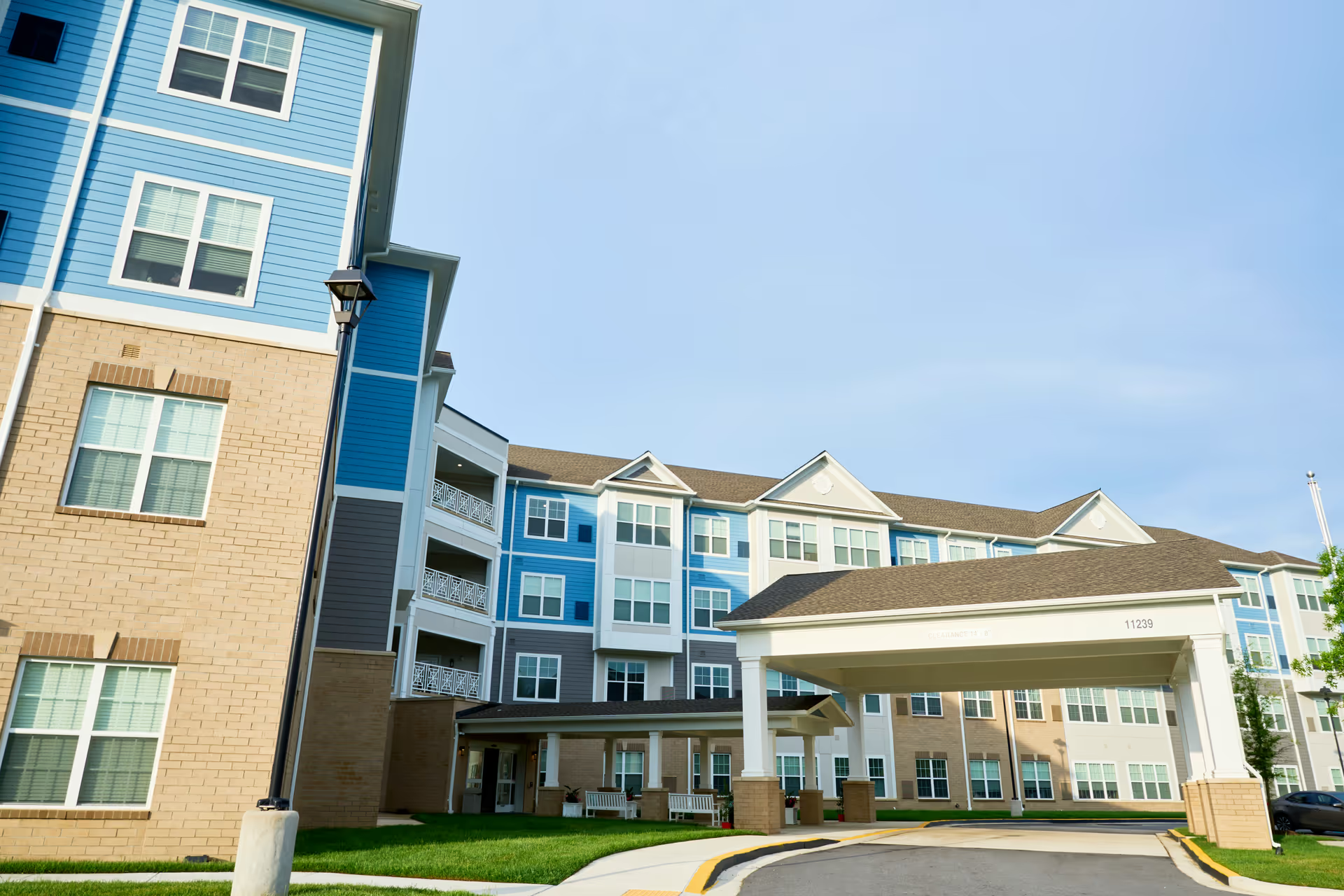
Sagepoint presents a mixed but identifiable profile. Strengths concentrate around rehabilitation and many elements of daily life: physical, occupational, and speech therapy receive frequent praise for helping residents regain mobility and functional abilities, and therapists and some nurses are repeatedly described as skilled, patient, and motivating. The facility’s environment is often described as clean, modern, and attractive, with responsive maintenance and supportive nonclinical staff (dietary, cleaning, front desk) contributing to a homelike atmosphere. Meals are frequently characterized as high quality and comforting, activities programs — including an adult day services offering — are active and appreciated, and several reviewers highlighted effective end-of-life support and strong night‑time safety practices.
At the same time, reviews identify consistent operational weaknesses that prospective families should evaluate. There is a pattern of inconsistent staffing and marked variability between day and evening/night shifts; this manifests as delayed responses to call lights, variable aide compassion and performance, and extended wait times for basic assistance. Clinical oversight gaps are also noted: limited on-site physician coverage, reported inconsistencies in medication changes and family consultation, and instances suggesting lapses in monitoring of medical devices and wound care. These clinical concerns translate into specific risk areas such as pressure‑injury prevention, wound management, and hydration/nutrition monitoring.
Communication and management processes are another recurring theme. Families describe unclear discharge planning, inadequate incident notification to relatives, and uneven grievance follow-up. A rehab-centric operational orientation is evident in many accounts; this appears to benefit short-term restorative stays but may not align well with needs for long-term nursing care in some cases. Additional operational issues include occasional variability in meal-temperature/service consistency and signs of managerial turnover or rebranding that may affect continuity of care.
Overall, Sagepoint appears to deliver strong rehabilitation services and a generally pleasant environment when staffing and clinical oversight are functioning well. However, the opposing pattern — inconsistent staffing coverage, variability in aide performance, and specific clinical-safety gaps — is significant enough that families should ask targeted questions during tours. Recommended inquiries include current staffing ratios and shift coverage, protocols for medication changes and family notification, pressure‑injury prevention and wound‑care procedures, on-site physician availability, incident-notification and grievance processes, and examples of recent quality-improvement efforts. Those priorities will help determine whether the facility’s strengths align with an individual resident’s clinical and long-term care needs.