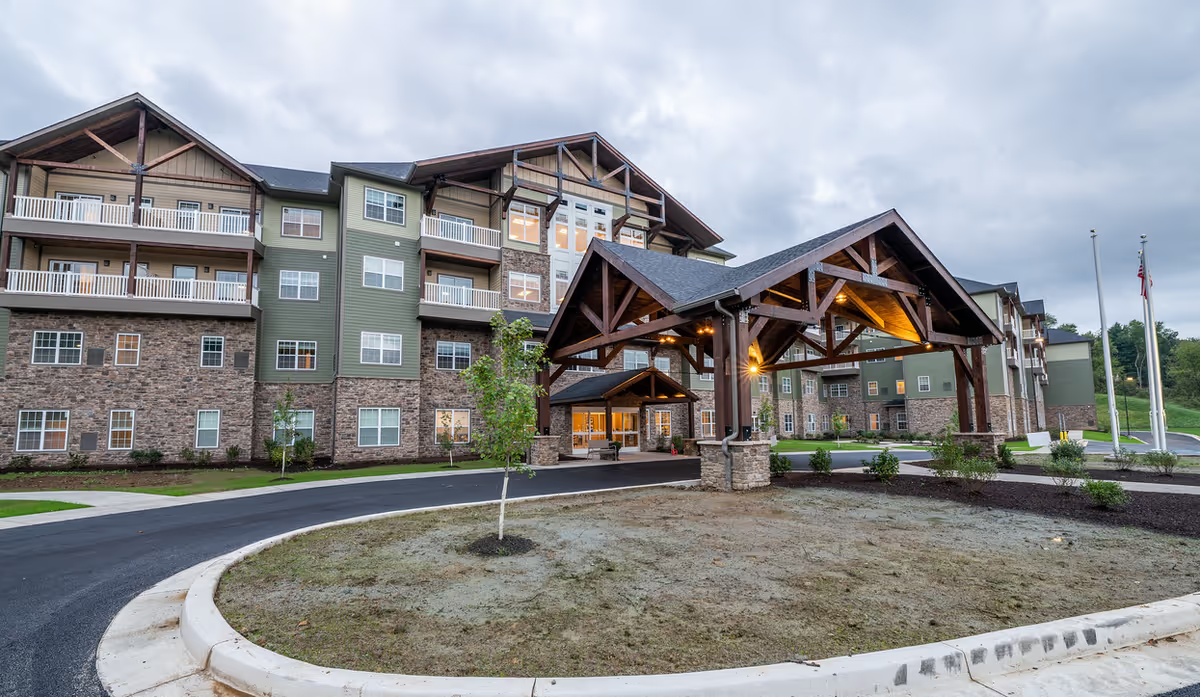
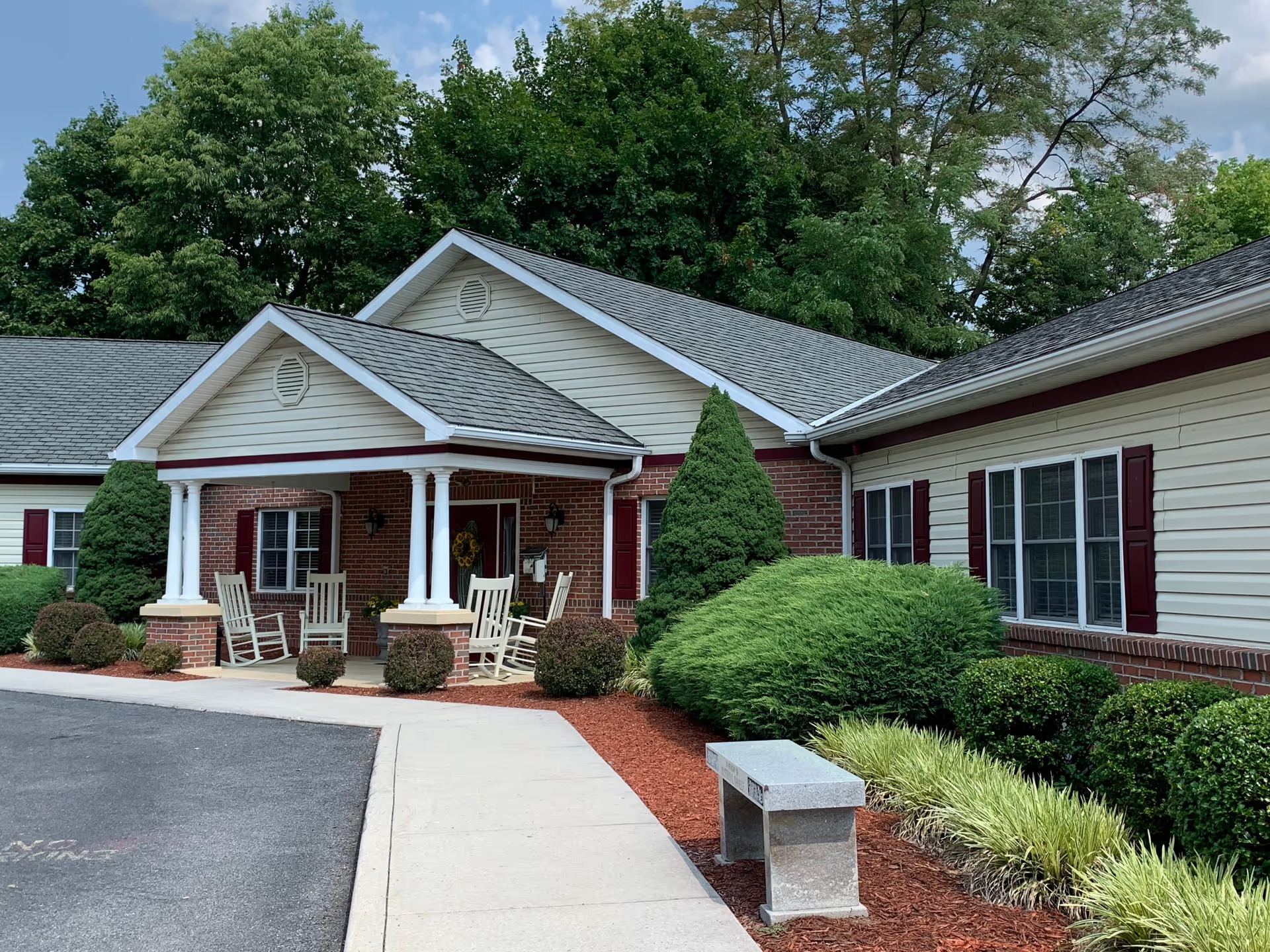
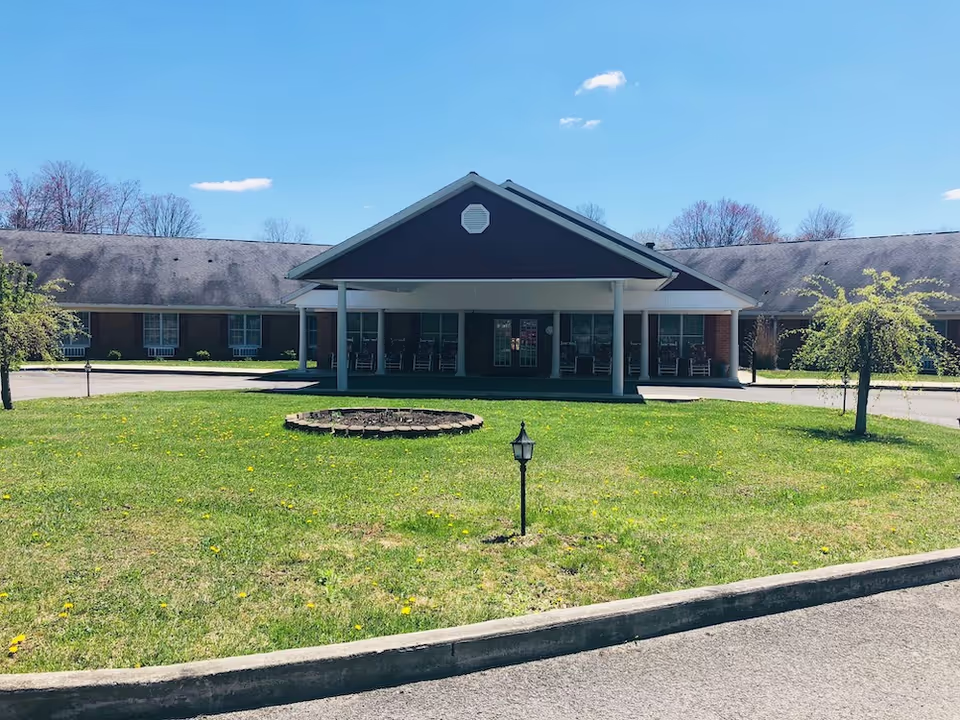
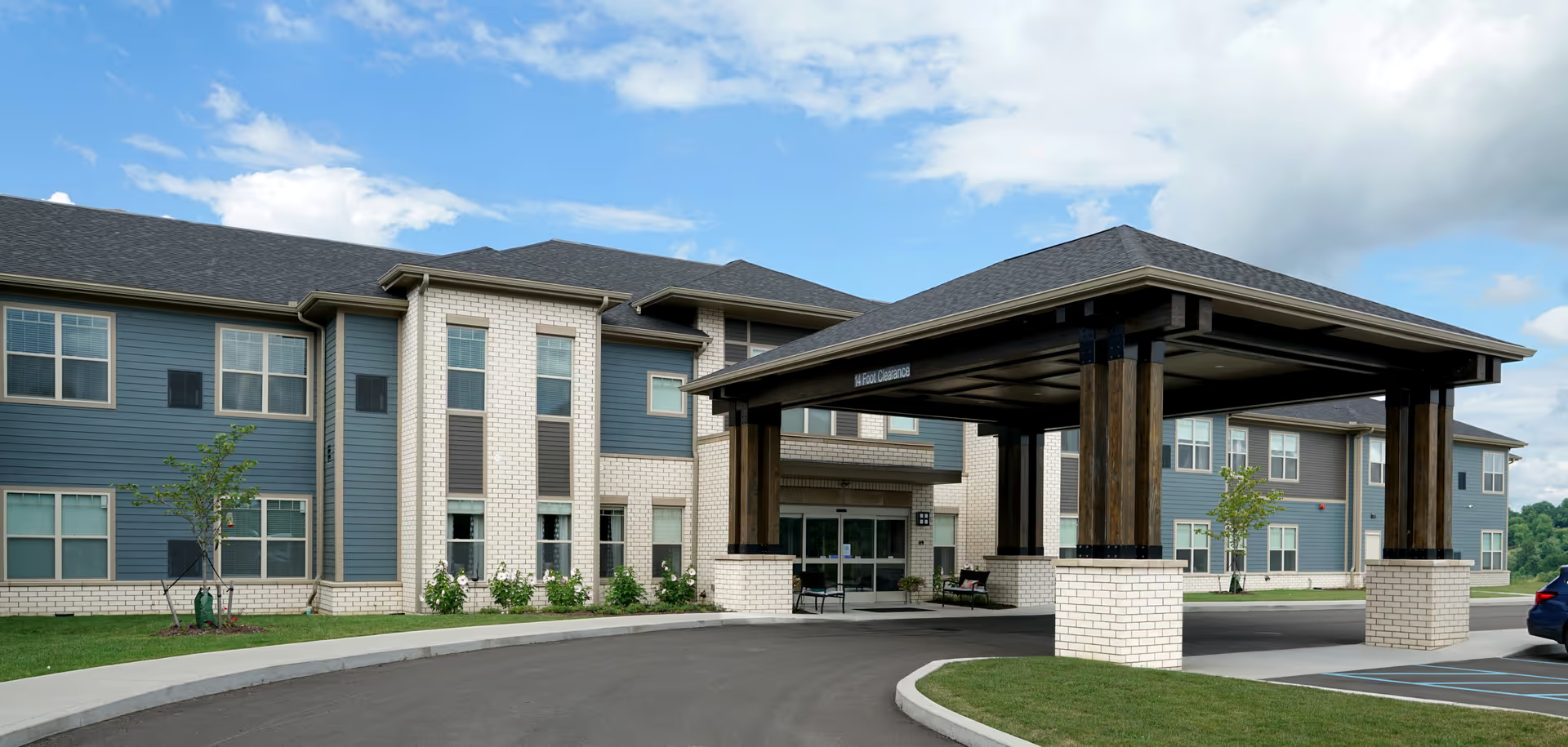
Reviews of Oakland Nursing and Rehabilitation Center show a mixed but distinct pattern of strengths and operational weaknesses. Many accounts emphasize compassionate, professional bedside care: reviewers frequently describe attentive nurses, CNAs, and aides who provide comfort and consistent communication with families. The facility also receives positive comments about coordinated therapy services, social work and admissions support, and administrative involvement from DON/ADON and other leaders. Several families highlight a warm, homelike atmosphere—welcoming common spaces, holiday decorations, allowance of personal furniture, and convenient parking—which some find reassuring for long-term and end-of-life placements.
The activities program is a consistent strength. Multiple reviewers praise a creative, engaging activities team and daily programming that contribute to residents’ social engagement and quality of life. Therapy staff are often described as competent, and some reviewers note that clinical teams work well together to support recovery and comfort-focused care. COVID-19 precautions and routine family communication were also noted positively by several families.
At the same time, reviews reveal recurring operational concerns. Staffing levels and coverage are described as inconsistent, with reviewers noting periods when the facility felt short-handed; this is tied to reports of rushed care and variability in basic personal-care tasks such as bathing. Housekeeping and facility-maintenance variability emerge repeatedly: some areas and rooms are reported as clean and well-maintained, while other units have sanitation concerns, odor issues in common areas, and flooring or cosmetic needs. Reviewers also cite inconsistencies in food quality and preparation, with accounts ranging from helpful kitchen staff to dissatisfaction with meal palatability and consistency.
Clinical-response processes and staff conduct are areas of particular concern. Several reviews describe delays or gaps in responding to clinical incidents and in communicating with families about those events, and there are statements raising concerns about staff tone and conduct; one review uses the term allegation for a serious individual claim. These accounts suggest the facility may have uneven performance in incident management, discharge coordination, and in maintaining consistently professional interactions across all staff. Therapy availability and delivery are also inconsistent in some reports, with at least one account noting a missed or modified therapy approach that affected mobility goals.
In summary, Oakland Nursing and Rehabilitation Center presents a combination of notable strengths—compassionate caregiving, active therapy and activities programs, supportive social-work and leadership involvement, and a homelike environment—and operational weaknesses centered on staffing consistency, housekeeping and maintenance variability, meal-quality inconsistency, and gaps in clinical-incident response and staff communication. Prospective residents and families may find the facility a good fit when compassionate direct care and activities are priorities, but should discuss staffing patterns, incident-response protocols, therapy schedules, and housekeeping processes during tours and admission conversations. Asking about recent quality audits, staffing ratios, and how the facility handles clinical incidents and family notification may clarify whether current operations meet a particular family’s expectations.