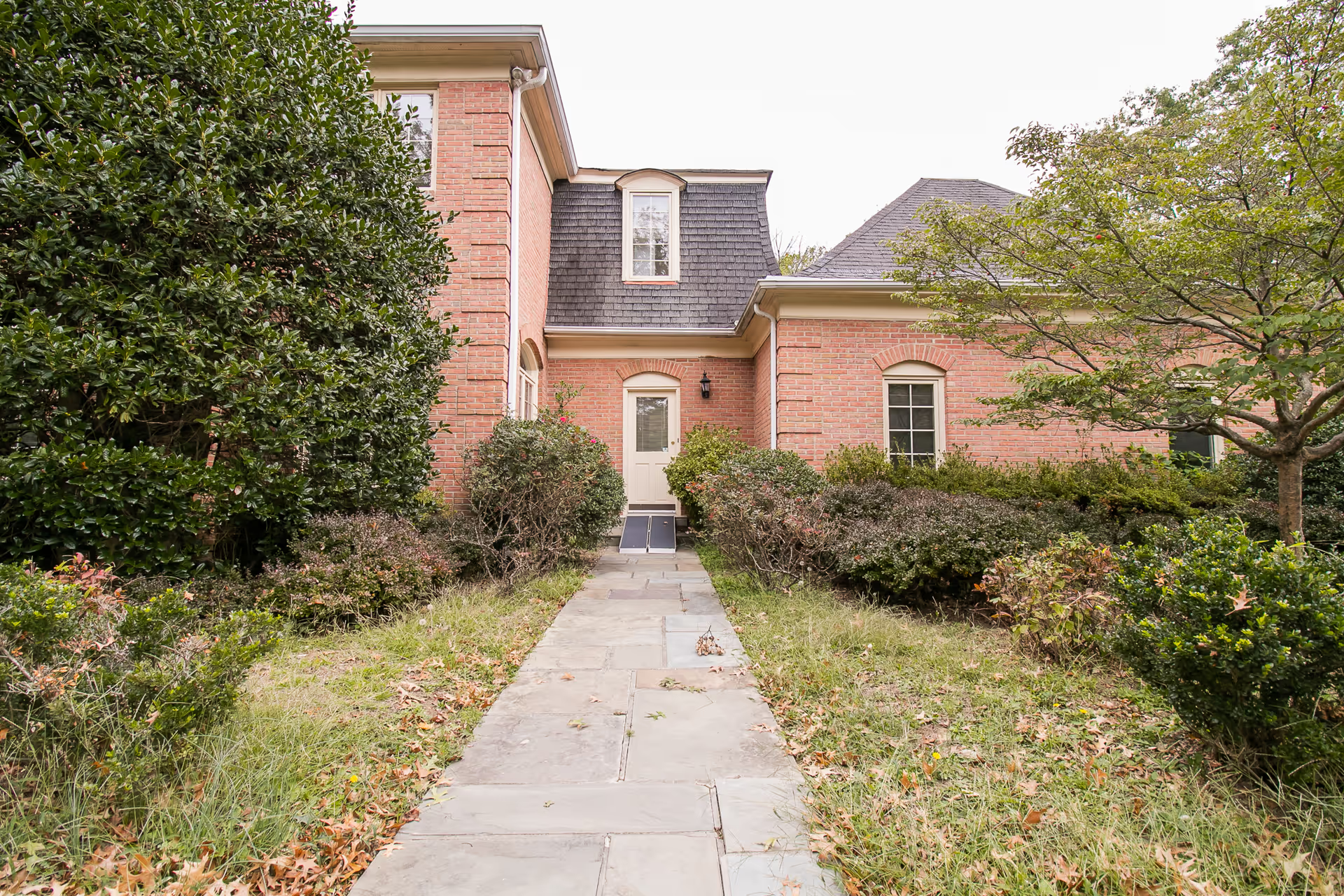
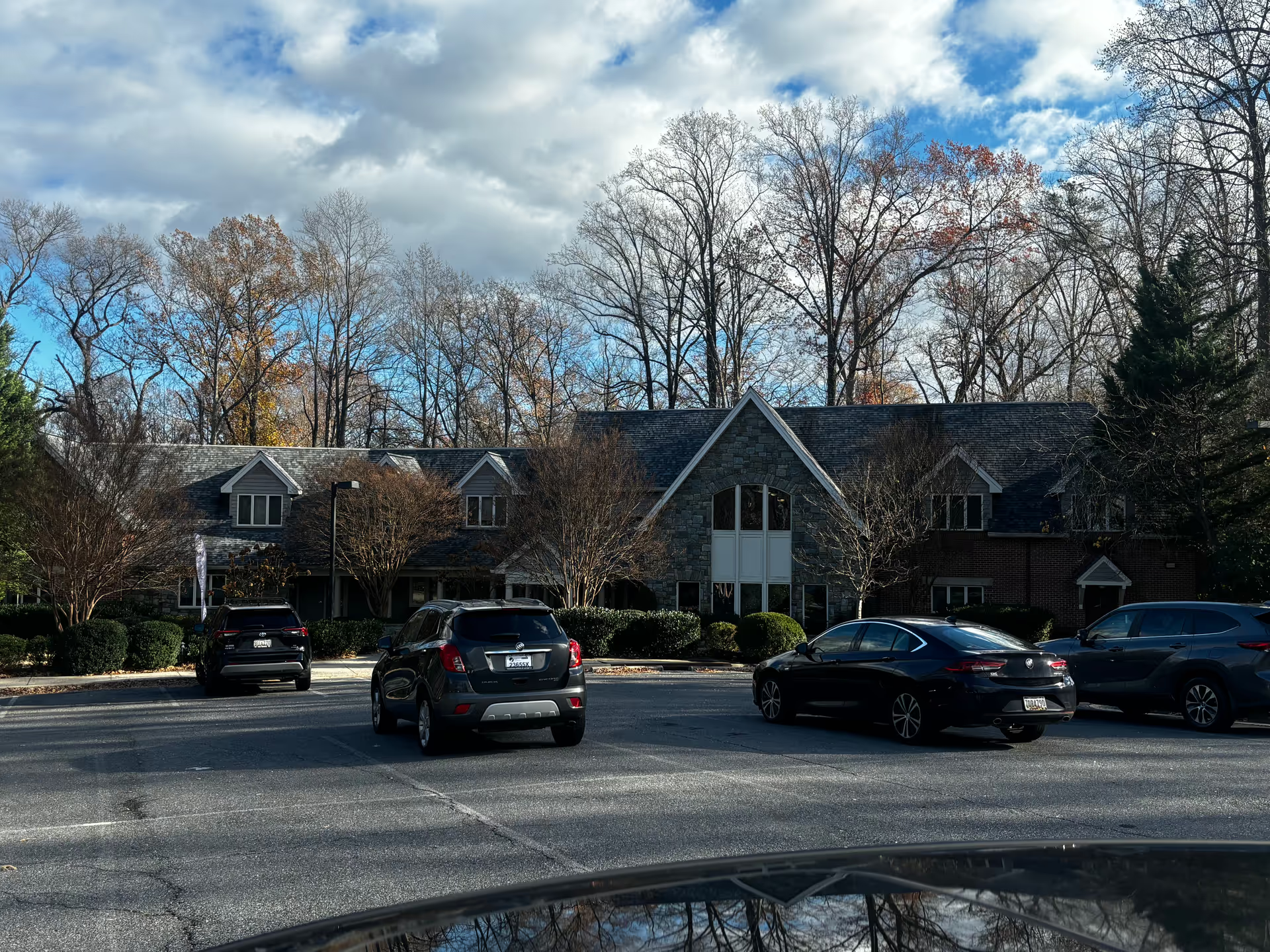
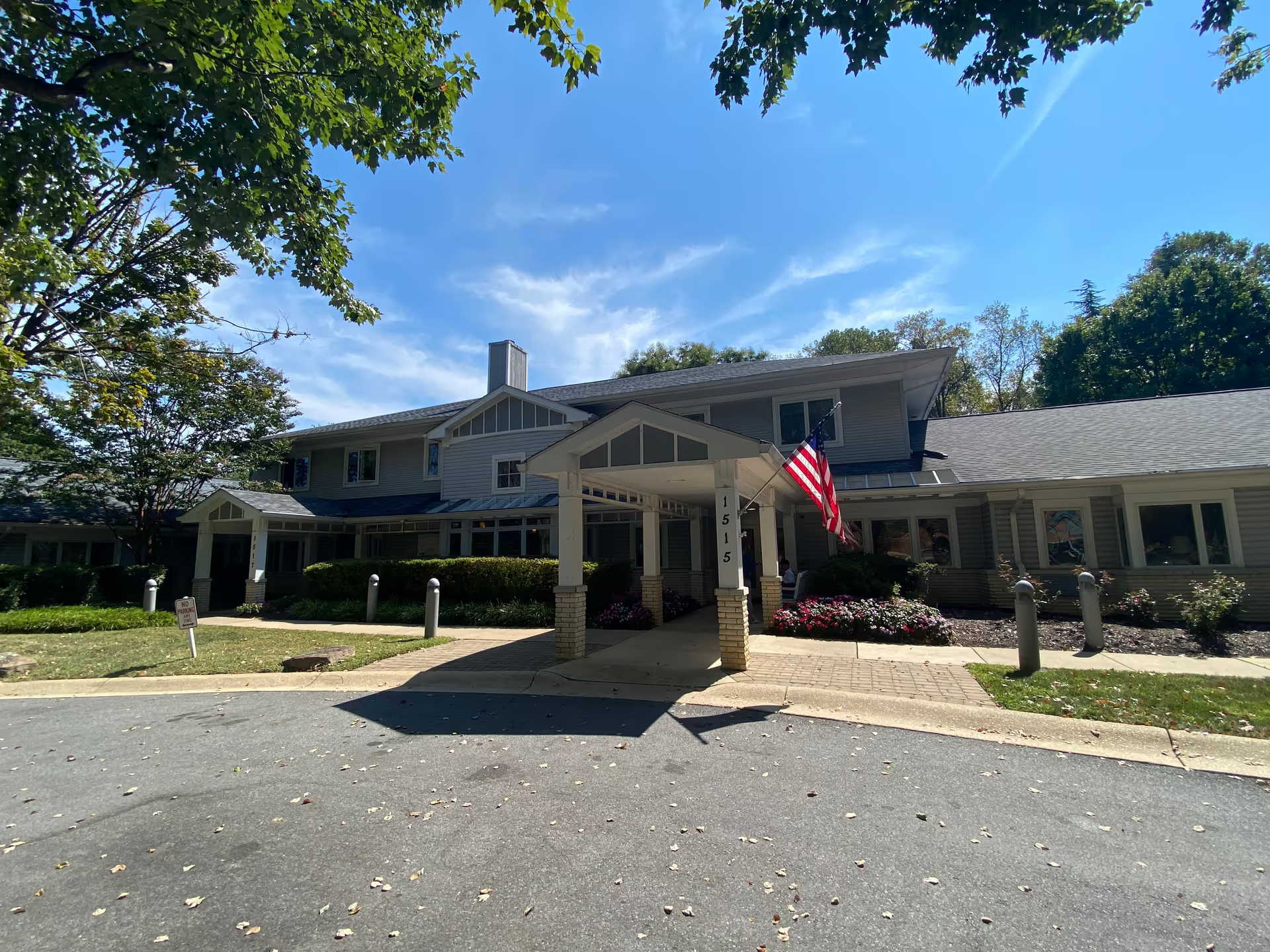
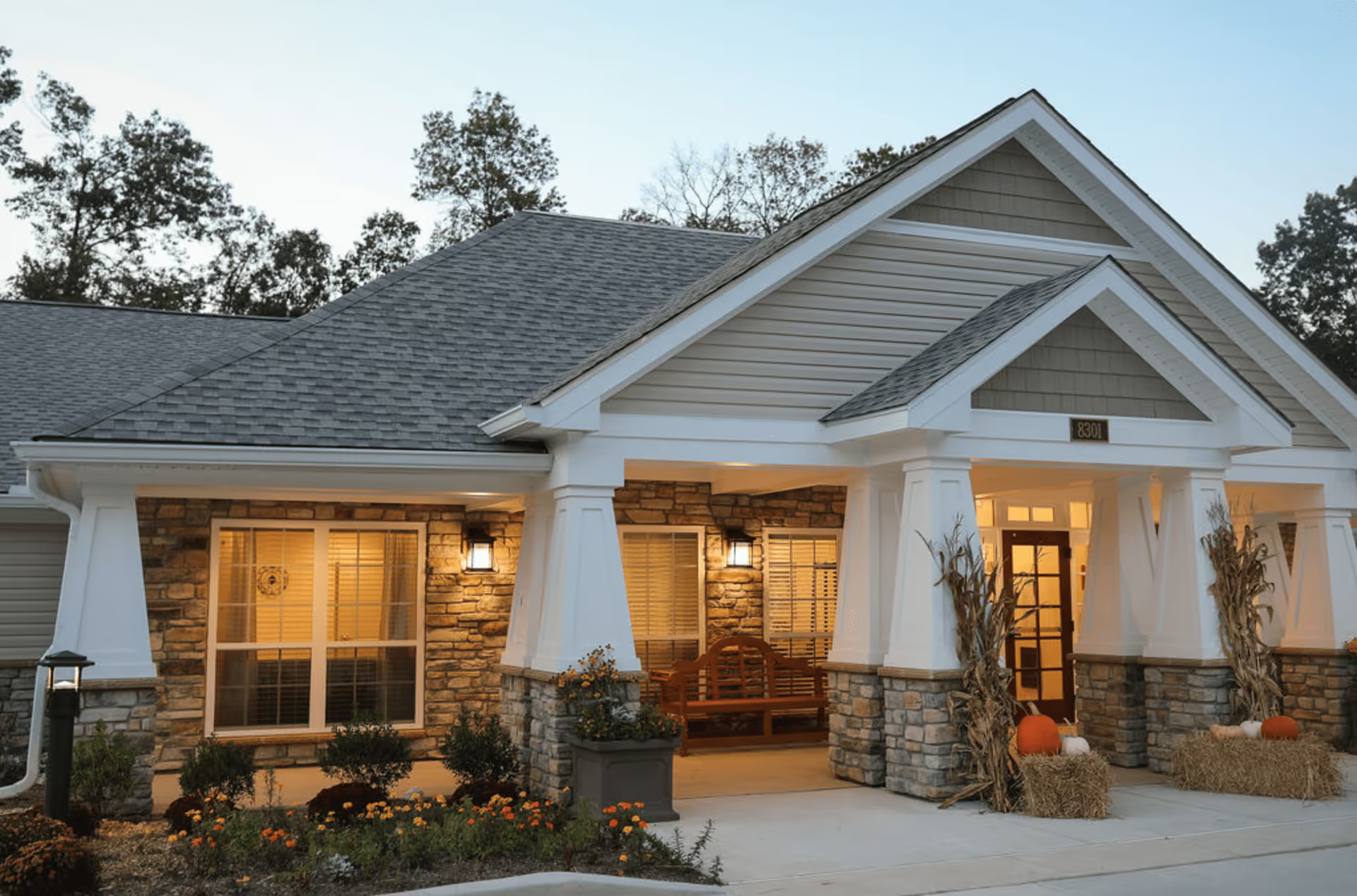
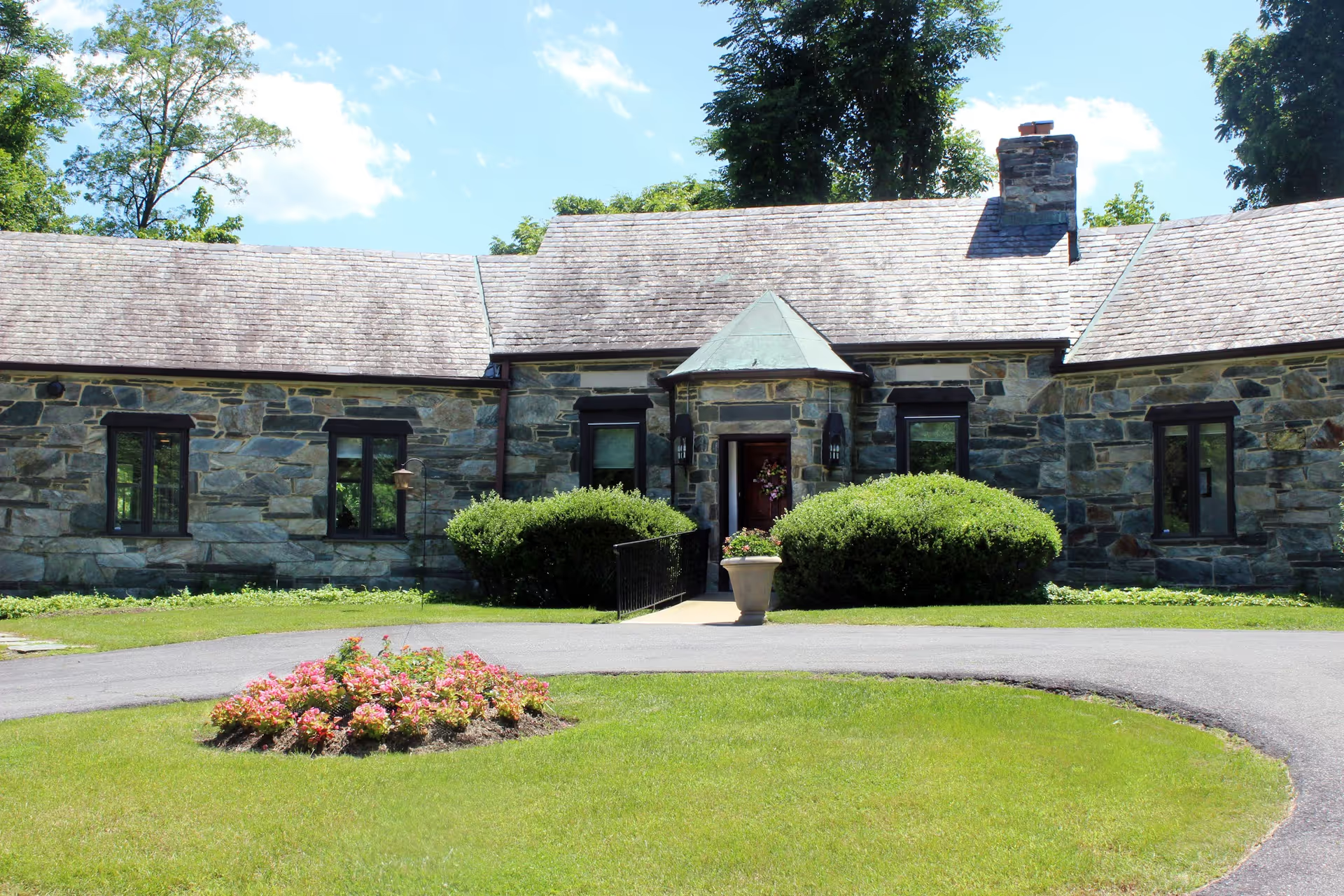
Arden Courts Potomac is consistently presented as a memory-care–focused community with many operational strengths and some recurring operational weaknesses. The facility’s core identity is dementia care: families and professional partners commonly describe staff as skilled in memory-care approaches, compassionate in day-to-day interactions, and attentive to behavior management. The four-house, single-story layout, central activity areas, and enclosed outdoor spaces support freedom of movement and small-community engagement that reviewers associate with calmer, safer care for people with cognitive impairment.
Care and staffing are a central theme. Numerous accounts highlight experienced, hands-on leadership and caregiving teams who prioritize resident dignity, frequent one-on-one interaction, and family communication. Move-ins and transitions are often characterized as smooth, with staff assisting families through paperwork, medication coordination, and care-plan setup. At the same time, a pattern of variability emerges: several families raised concerns about uneven clinical monitoring and medical responsiveness during particular shifts or time periods. Staffing levels were also described as inconsistent, with weekend and shift-coverage gaps cited as a recurring operational challenge. Reviewers referenced both strong nursing leadership and occasions where clinical oversight did not meet expectations, suggesting variability rather than a uniform practice.
Dining and activities show mixed but clear patterns. Activity programming is frequently praised: research-informed, multi-modal engagement (music, movement, walking paths, and centralized social spaces) appears robust and contributes to resident stimulation and socialization. Some families specifically credited music therapy and structured routines for improvements in mood and engagement. Dining receives divergent feedback: some residents and families reported positive meal experiences, while others described frozen- or preprepared-style offerings and an absence of visible dietitian involvement. Meal quality and presentation appear inconsistent across dining occasions.
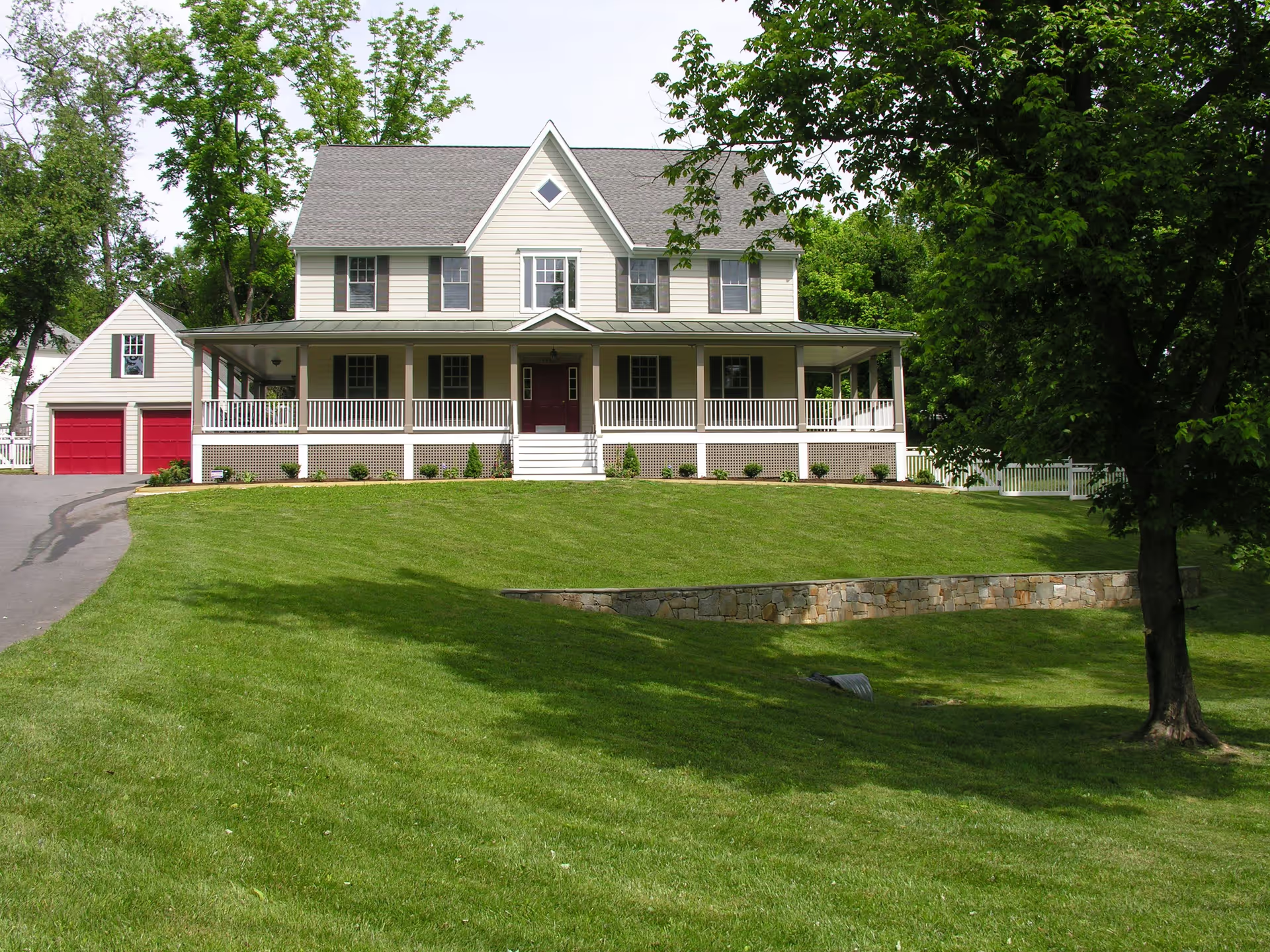
The physical environment and hospitality elements are strengths for many families. Most descriptions emphasize a bright, home-like atmosphere with clean rooms, large windows, color-coded wayfinding, and gardens or patios. Reception and hospitality touches, plus family-oriented events and support groups, reinforce a welcoming culture. However, a small number of accounts raised sanitation and odor concerns in particular areas, indicating that environmental maintenance quality may vary by location or shift.
Management and organizational patterns are mixed but improving in reviewers’ perceptions. Several reviews highlight a recent shift toward more active, resident-focused leadership and improved communication under new directors; families noted quicker issue resolution and a stronger emphasis on staff training and activity programming. Conversely, transitions in leadership and past corporate involvement were associated with uneven communication and occasional discrepancies between marketing materials and on-the-ground experience. Cost and payment structure are recurring practical considerations: Arden Courts Potomac operates as a private-pay community with comparatively high fees, and families should be aware of expectations around private-duty staffing for supplemental care and the potential for additional out-of-pocket expenses.
Bottom line: For families seeking a memory-care environment with specialized programming, engaged caregiving, and a home-like campus, Arden Courts Potomac demonstrates clear strengths. Prospective residents and families should, however, verify current staffing patterns (including weekend coverage), observe meal service and dietary oversight, review clinical-monitoring protocols, and clarify private-pay and private-duty billing practices during touring and contracting to ensure alignment with their expectations and needs.