Montcare Potomac elicits strongly polarized impressions: a substantial number of reviewers describe the facility as a rehabilitation-focused, well-equipped center with compassionate staff and excellent clinical outcomes, while others identify operational weaknesses that materially affect the resident experience. Positive descriptions emphasize the facility’s strengths in therapy-driven recovery, hands-on nursing and aide care, and a welcoming physical environment. Critical descriptions focus on inconsistent day-to-day care processes, communication failures, and safety-related operational gaps.
Care and staff: Many families and patients commend the bedside nurses, certified nursing assistants, and therapy teams for compassionate, individualized care. Long-tenured staff and named coordinators (admissions, rehab, social work) are repeatedly cited as contributors to continuity and trust. The onsite physician coverage and access to specialty care are seen as advantages for medically complex patients. However, reviewers also point to inconsistent staffing levels across shifts, slow call-bell responses, and variability in staff conduct and responsiveness; these operational inconsistencies appear to be the principal source of negative experiences.
Clinical operations and safety: The facility’s rehabilitation services (PT/OT) and therapy gyms receive frequent praise for clinical skill and equipment availability, and many patients report clear, measurable progress. At the same time, reviewers describe irregularities in therapy scheduling and duration, medication timing and pharmacy coordination issues, and lapses in discharge planning that can disrupt transitions home. Safety-related concerns include transfer and fall incidents, wandering-risk supervision in dementia care, and intermittent incontinence-care and hygiene-assistance delays. These items suggest opportunities to standardize clinical workflows and strengthen cross‑departmental handoffs.
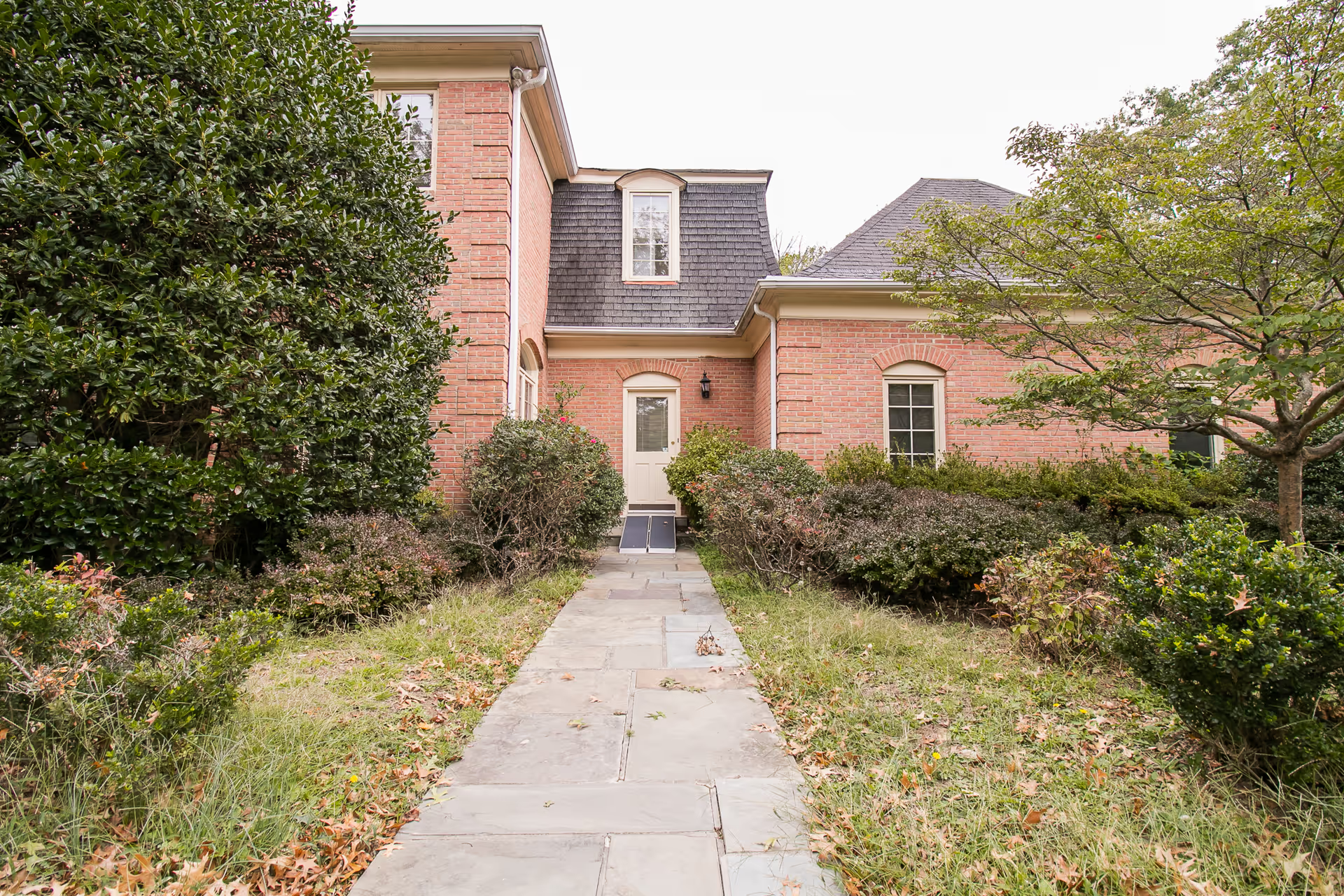
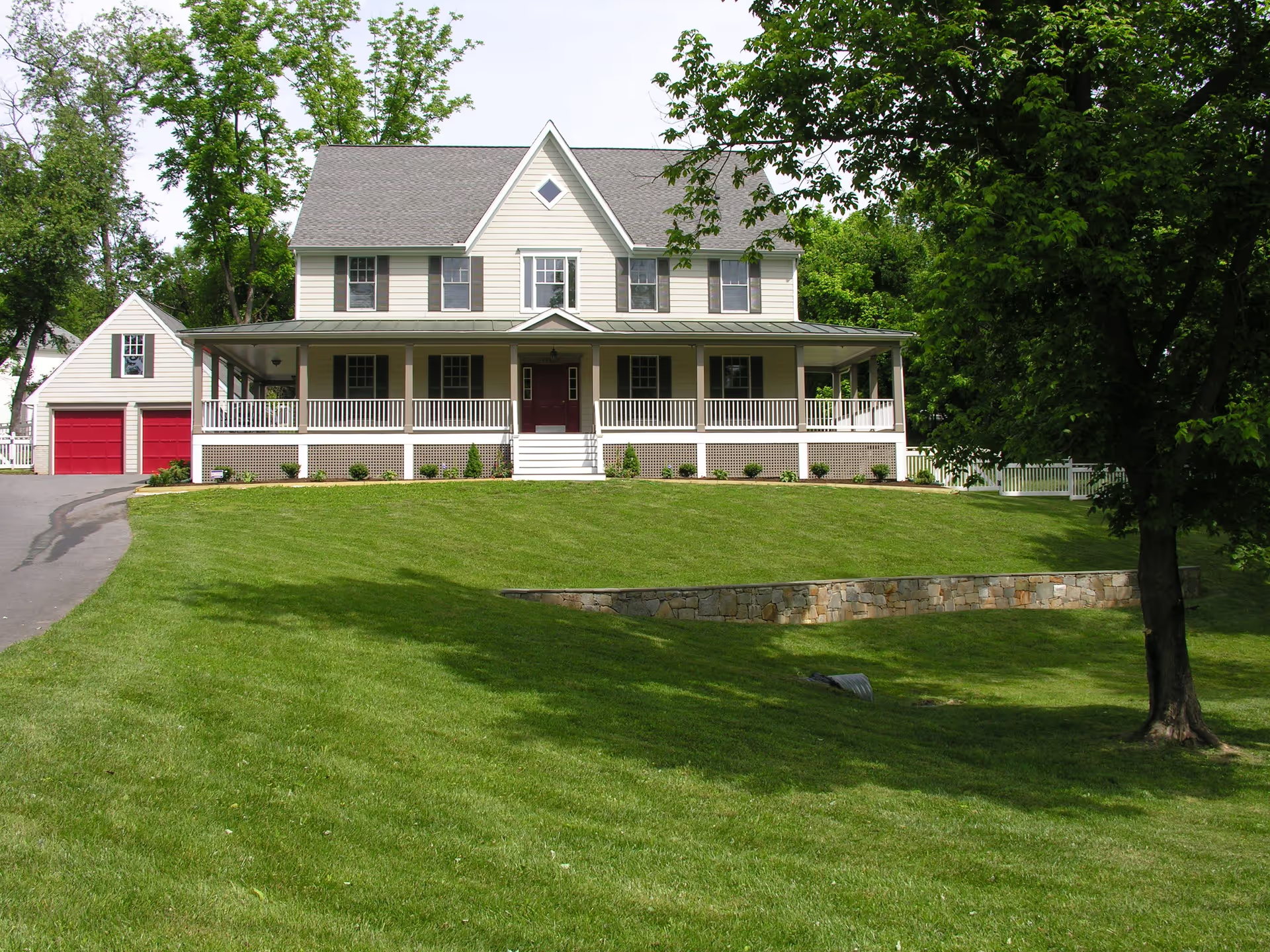
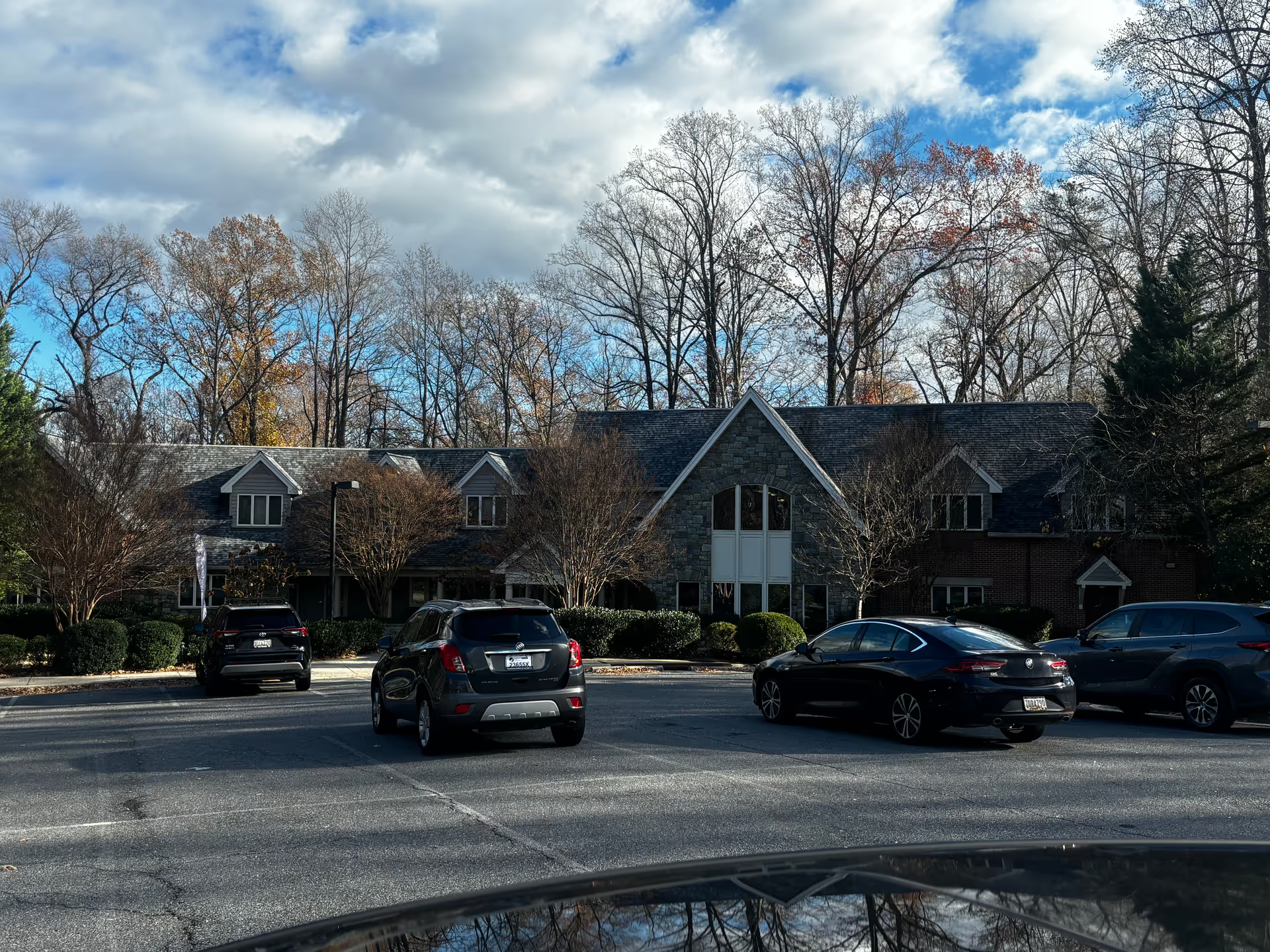
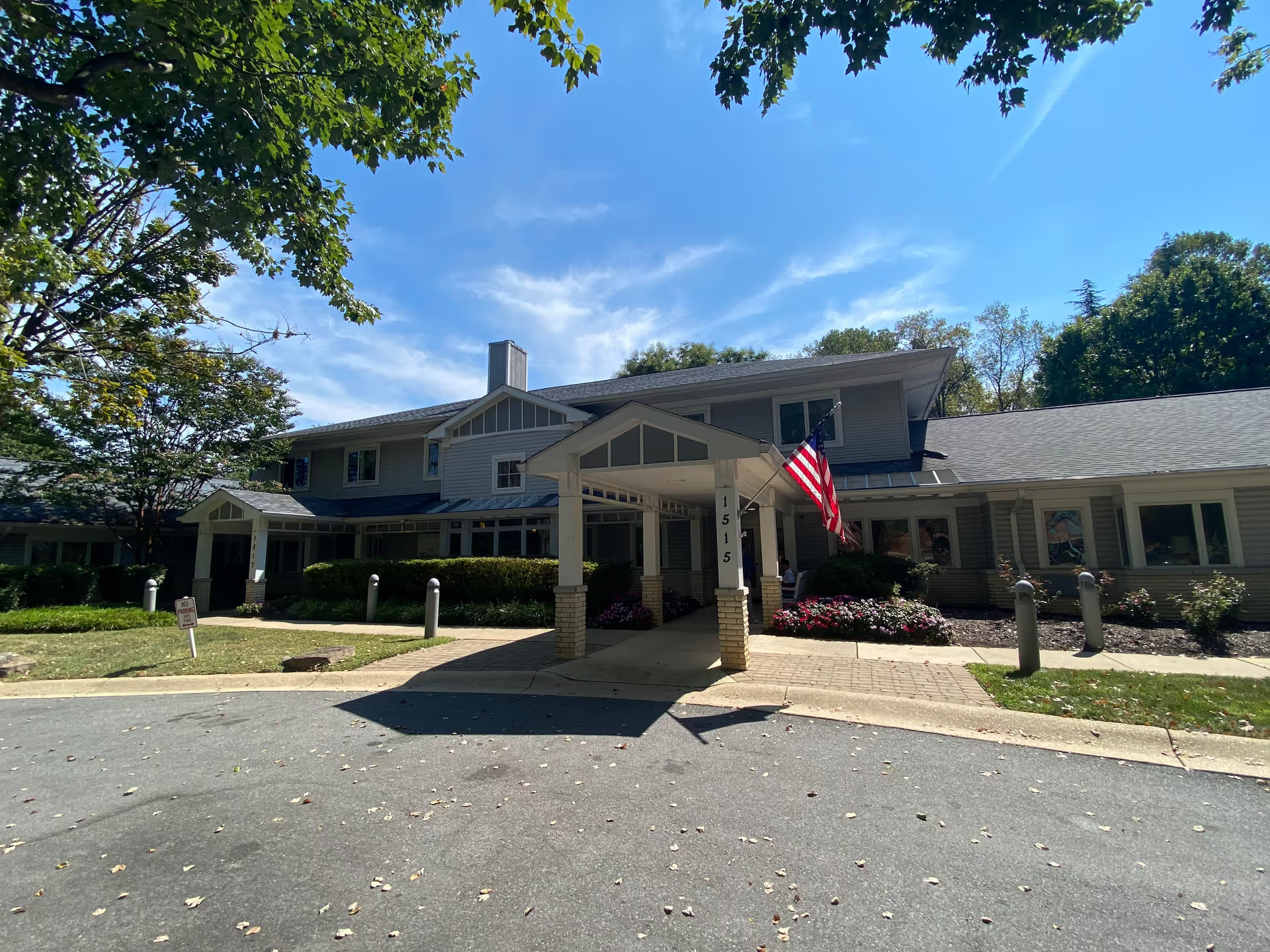
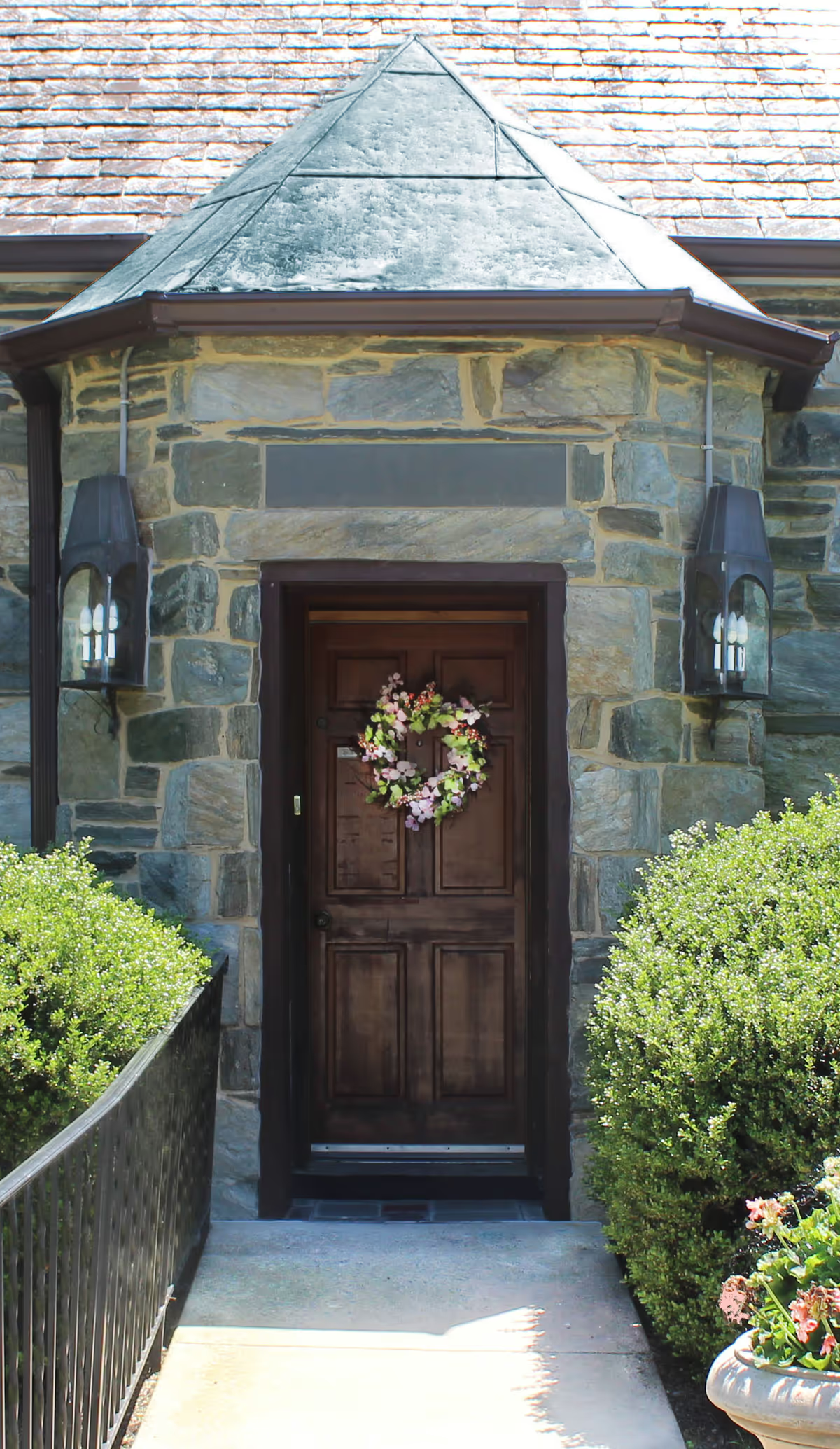
Dining, activities, and facilities: Montcare Potomac’s physical plant — bright rooms, garden setting, private-room options, and well-kept common areas — is frequently regarded as comfortable and hotel-like. Activity programming (music, religious services, social luncheons, games) and personalized touches (preference-based meals, one‑to‑one music sessions) contribute to residents’ sense of belonging. Dining feedback is mixed: some reviewers applaud meal variety and quality, while others describe inconsistent meal service and elderly‑appropriate menu limitations. Sanitation concerns and isolated pest-control reports appear in a minority of accounts and warrant focused attention given the facility’s emphasis on cleanliness.
Management and notable patterns: Admissions and certain administrative staff receive repeated positive recognition for helpfulness and advocacy. Several reviewers describe effective issue resolution when administration is engaged; others describe inconsistent follow-through and communication breakdowns, particularly during high-turnover periods or weekends. Overall, Montcare Potomac demonstrates many hallmark strengths of a strong rehab and skilled‑nursing provider — robust therapy, engaged clinicians, and a pleasant environment — but also shows recurring operational patterns (staffing variability, communication gaps, medication and discharge process weaknesses) that prospective residents and families should evaluate during tours and care planning. For families considering this facility, targeted questions about staffing ratios by shift, medication reconciliation and discharge protocols, dementia supervision, and meal accommodations may help align expectations with the likely experience.