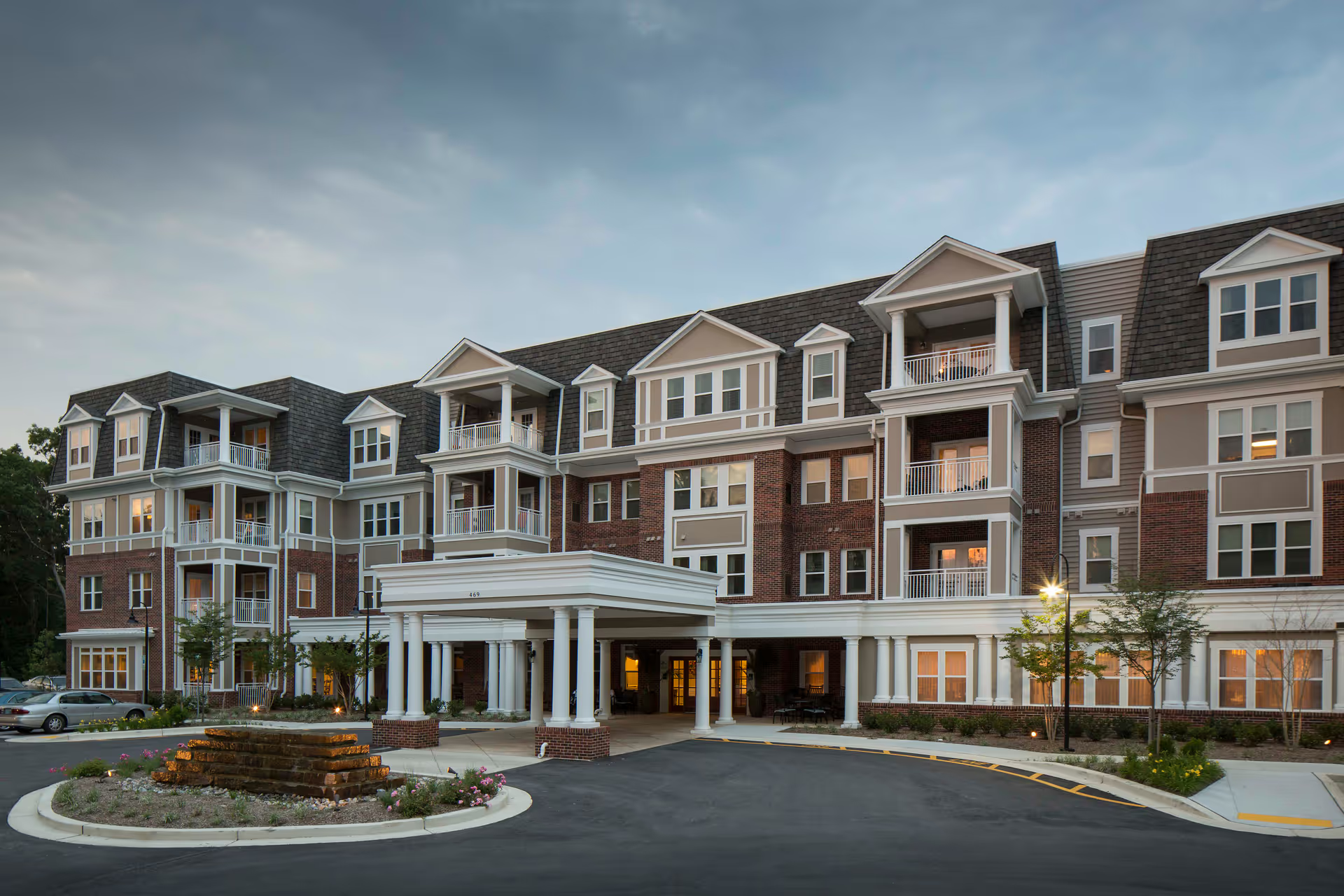
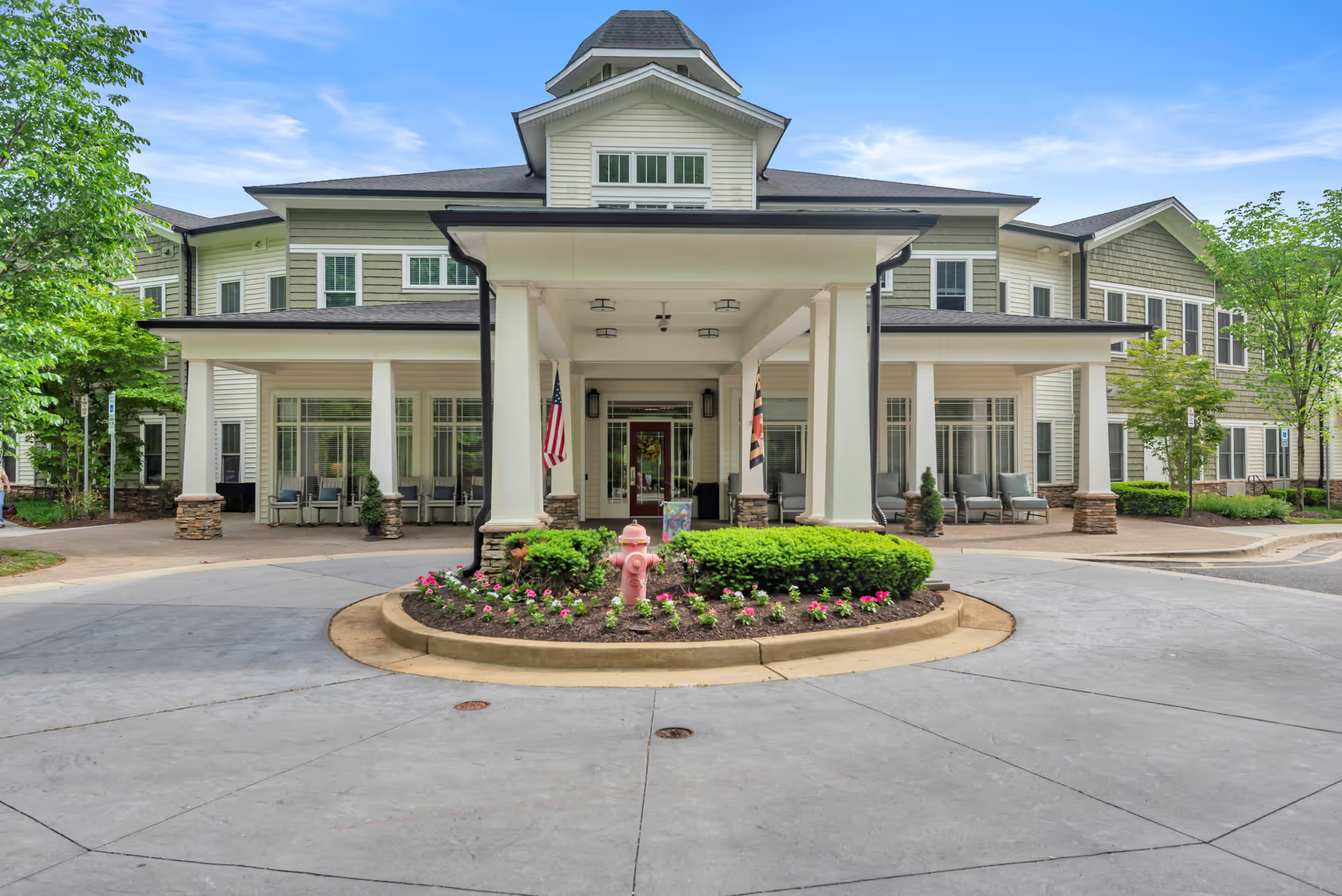
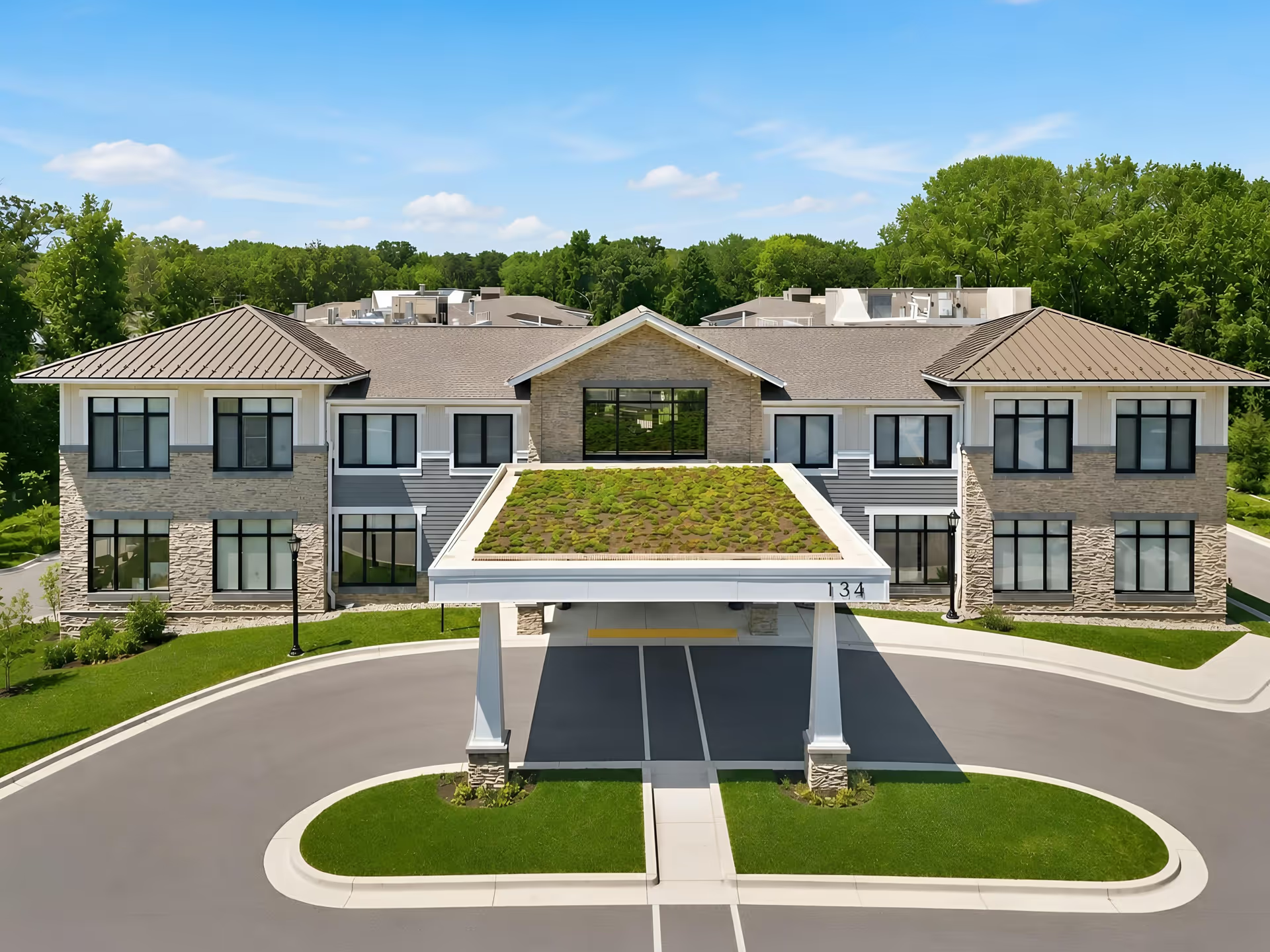
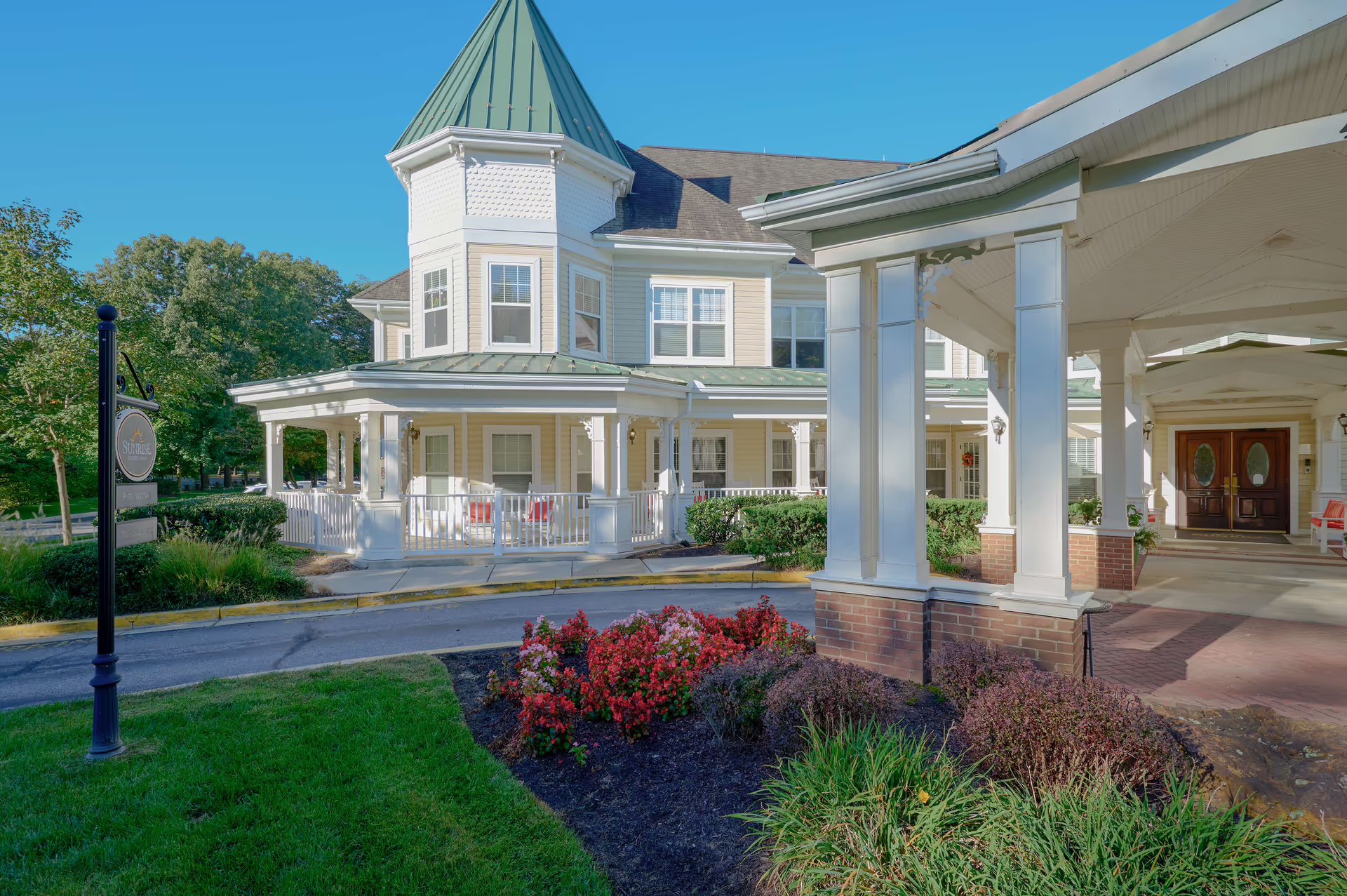
Complete Care at Severna Park elicits strongly mixed impressions. Across reviews there are consistent strengths in therapy, activities, and individual caregiving: many families praised the physical, occupational, and speech therapy teams, an energetic activities program with multiple daily offerings and special events, and front-desk and recreational staff who create a welcoming, home-like environment. Several reviewers described positive, hands-on involvement from administrators and unit managers who resolved issues and supported families, and many residents achieved good short-term rehab outcomes while receiving on-site medical services.
At the same time, there are recurring operational concerns that prospective families should evaluate carefully. Staffing consistency is a major theme: reviewers described reliance on agency nurses, understaffing at night and in the evenings, and slow response times to call bells and assistance requests. Those staffing patterns were linked in some accounts to delays in toileting, medication delivery, and fluid administration; reviewers characterized these as gaps in clinical oversight and responsiveness. There are also multiple accounts pointing to sanitation and maintenance variability — including inconsistent room cleaning, odor concerns in certain areas, broken or outdated equipment, and pest-control issues — that suggest uneven implementation of housekeeping and facilities maintenance protocols.
Safety and clinical-incident management were highlighted as particular areas to probe. Reviewers raised concerns about fall-prevention practices, bed-alarm and rail use, and the timeliness of clinical escalation; there is at least one serious allegation tying clinical-response failures to a hospitalization and subsequent death, which families should treat as a critical point for due diligence. Claims about medication errors, delayed pain relief, and unclear medication-administration processes were also mentioned often enough to warrant direct questions about medication-safety protocols and recent incident histories.
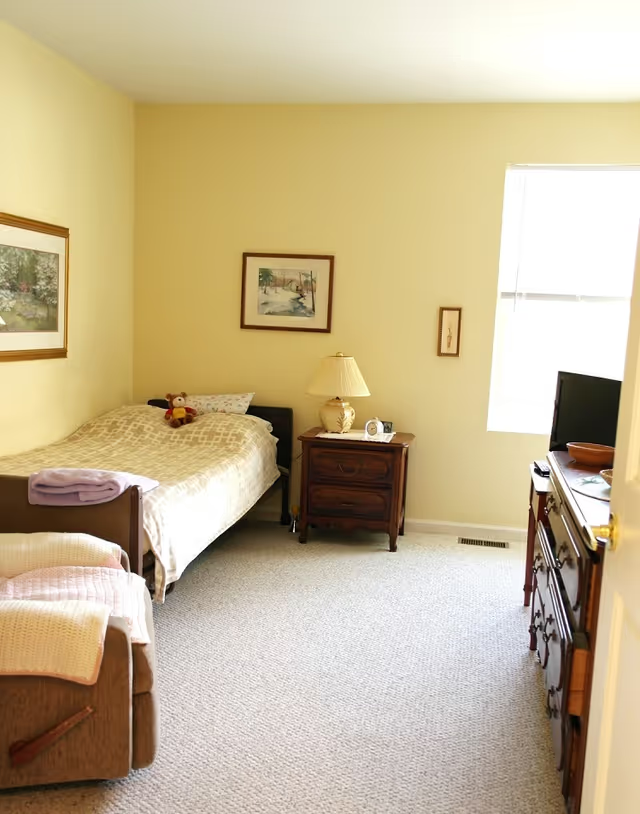
Dining and comfort amenities show variability. Several reviewers praised the kitchen for accommodating diets and providing good food, while others noted cold meals or inconsistent meal service. Room accommodations range from small, semi-private rooms to better-kept single rooms; cramped rooms were a noted drawback for larger individuals. Maintenance and cleanliness complaints coexist with many reports of clean, pleasant common areas, indicating inconsistent standards between units or shifts.
Management and communication are uneven. Some families described proactive, compassionate administrators who promptly resolved concerns and kept families informed. Others experienced an unempathetic or dismissive tone and inconsistent family updates. Visitation policy was another point of contention: infection-control restrictions and limits on visitors were described as more restrictive than local hospitals during certain periods, which affected family access and satisfaction.
Taken together, the facility shows clear strengths in rehabilitative services, activities, and individual staff members who provide compassionate care. However, variability in staffing, sanitation, maintenance, safety systems, and administrative responsiveness creates a polarized set of experiences. Prospective residents and their families should tour the facility, ask specific questions about staffing ratios (including night coverage), medication-safety procedures, fall-prevention protocols, recent infection-control events, housekeeping standards, and the visitation policy in effect for their situation. Request recent quality metrics, a copy of incident and complaint resolution procedures, and references from families whose care needs are similar to those of the prospective resident to help assess whether the facility’s strengths align with the resident’s priorities and clinical needs.