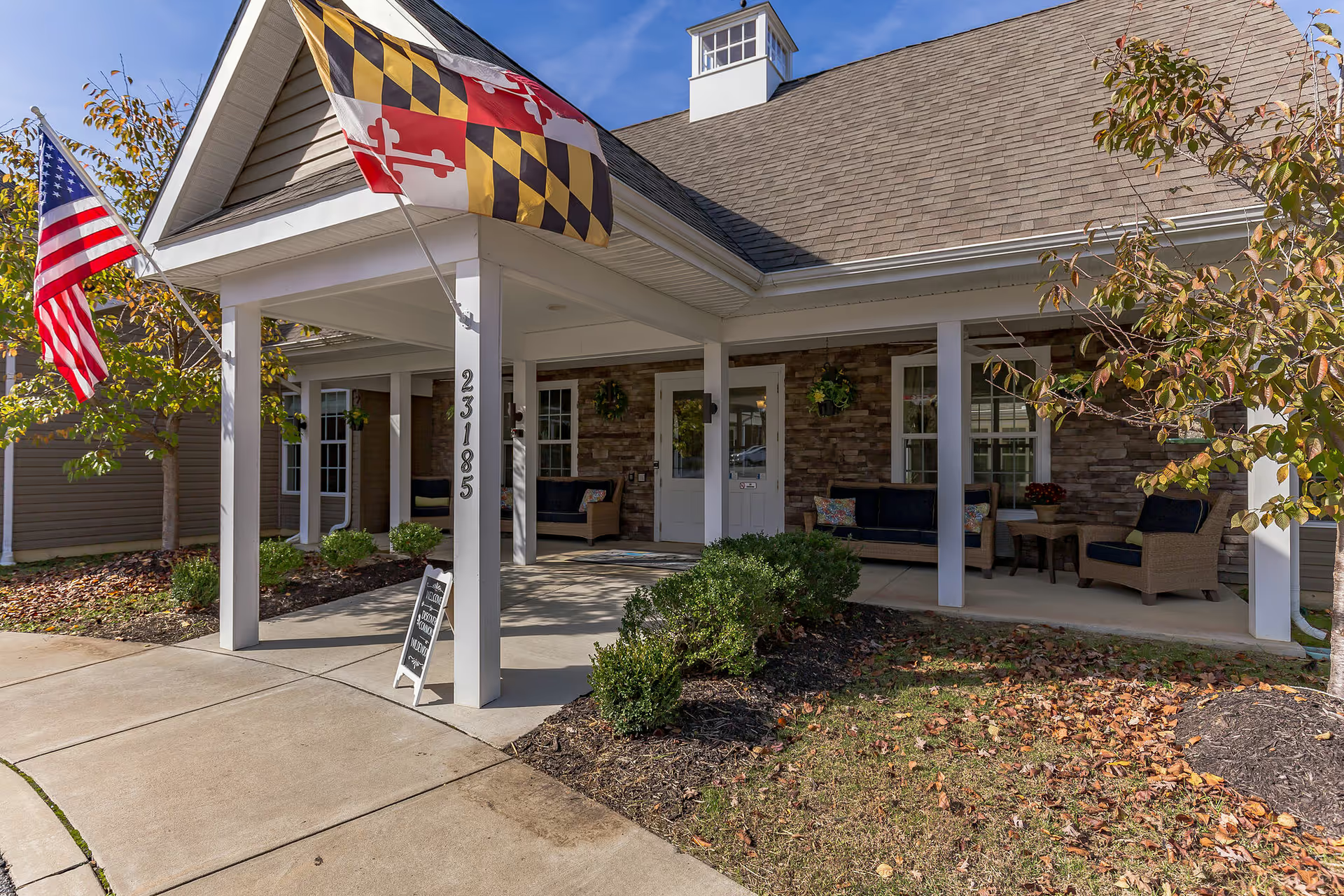
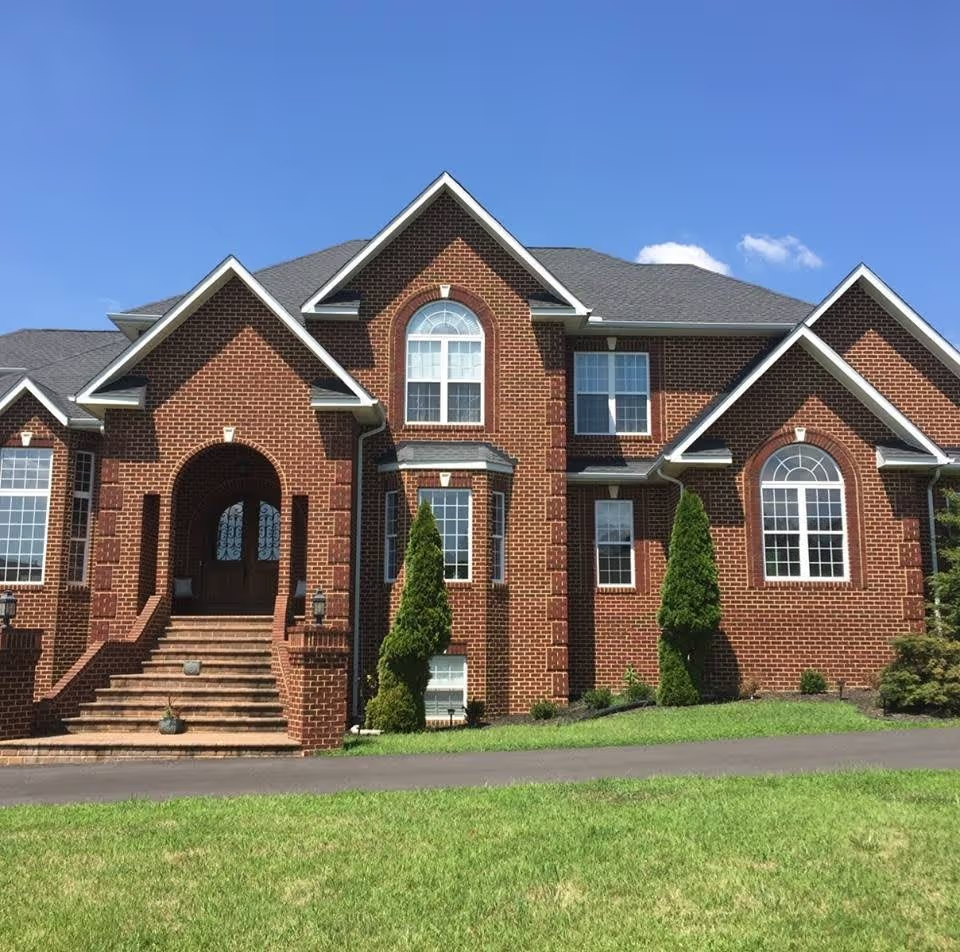
Asbury Solomons Waterfront presents a clearly defined set of strengths and operational concerns. The campus is regularly described as attractive and well maintained, with a strong emphasis on waterfront amenities: river views, docks, extensive gardens, patios and outdoor seating. Interior spaces are often characterized as hotel-like and clean, and the facility offers a broad amenity package — indoor pool, fitness center, multimedia and meeting rooms, salon, shuttle service, and a variety of dining venues. Independent-living options such as cottages and customizable apartments are highlighted, and marketing/admissions staff are generally seen as responsive and helpful.
Care and staffing impressions are mixed. Many families and residents praise day-to-day caregiving staff as caring and knowledgeable and note good short-term rehabilitation and skilled-nursing capabilities. At the same time, a recurring operational theme is variability in staffing levels and staff experience; reviewers describe understaffing at times and inconsistent training among direct-care employees. Several accounts indicate specific medication-management and continuity problems (for example, abrupt medication changes or inadequate tapering), which point to a need for clearer clinical protocols and handoffs. There are also concerns about coordination with external physicians and timely family communication in some cases.
Dining and activities receive both positive and critical comments. Some residents and visitors describe appealing meals and active-programming — water aerobics, personal training, games and social spaces — that support an engaged lifestyle, particularly for independent residents. Other comments describe cafeteria-style service, a perceived decline in food quality after staffing changes in the kitchen, and uneven participation or programming fit for residents who require higher levels of care. Prospective residents should assess current menus and activity schedules to ensure they match personal preferences and care needs.
Management, billing and operations emerge as significant decision factors. Multiple reviewers express concerns about the size and structure of the entrance fee, perceived value for cost, and instances of unclear or inconsistent billing practices after changes in resident status. There are reports of long waitlists for assisted-living placements and frustration when promised care-level transitions were delayed or not enacted as expected. Some families described a perception that administrative priorities weight financial considerations; others had positive interactions with admissions and frontline staff. Additionally, portions of the campus are noted as older and in need of cosmetic updates (paint, carpeting), suggesting a maintenance backlog in certain areas.
Overall, Asbury Solomons Waterfront is often recommended for individuals seeking an amenity-rich, waterfront independent-living environment with good communal facilities and well-kept grounds. Families prioritizing predictable, high-acuity assisted-living transitions, strict medication continuity, transparent billing, or consistently staffed clinical care should ask detailed questions during tours: current staffing ratios for assisted and skilled units, medication-tapering and handoff protocols, waitlist policies and expected timelines, a clear breakdown of entrance/ongoing fees and post-occupancy charge practices, and recent dining-program changes. These targeted inquiries will help determine whether the facility’s strengths align with an individual’s care expectations and financial considerations.